What We Fix
What We Fix
Subsidence
Why is my house sinking? Is it subsidence?
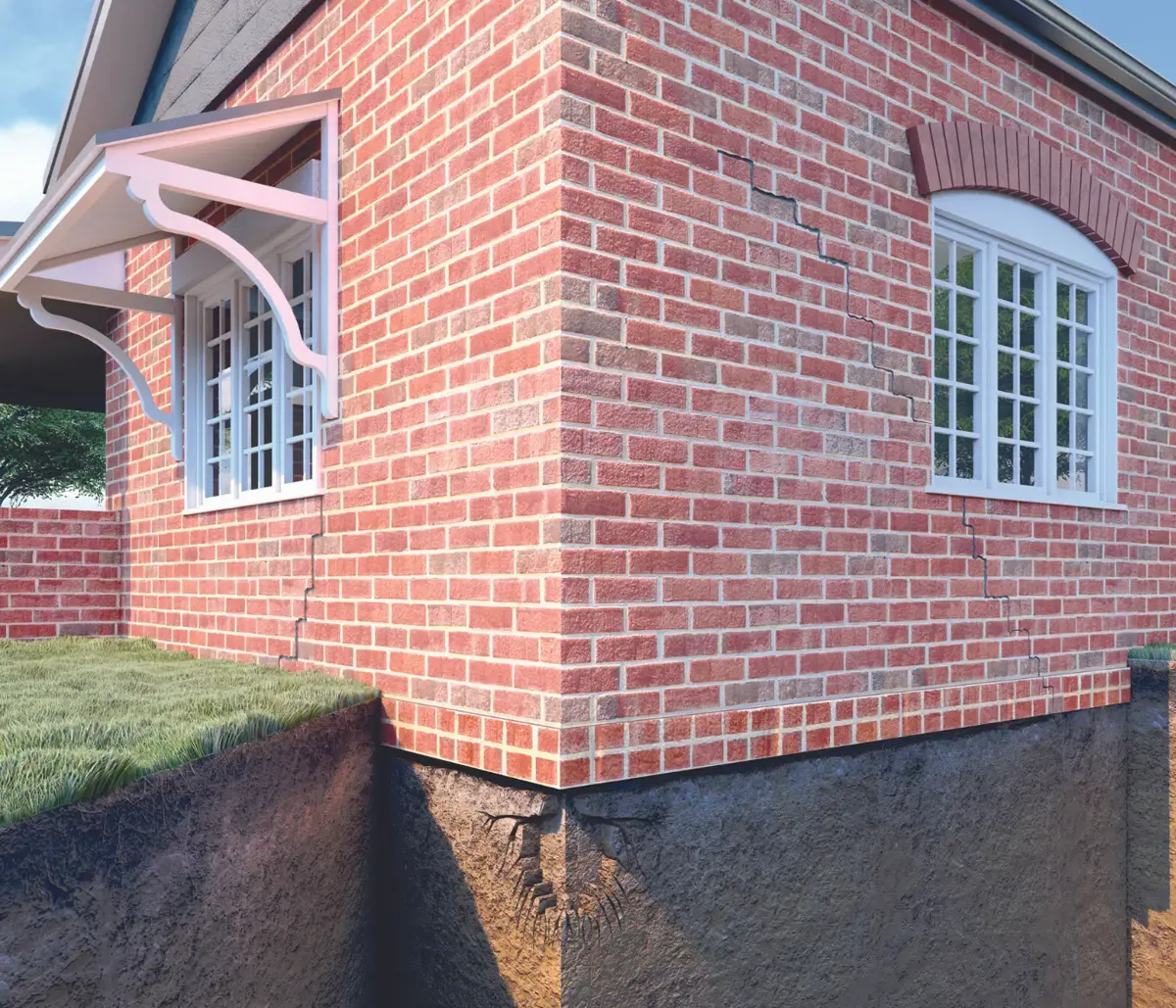
If a structural engineer tells you your home is suffering from subsidence, what they're really telling you is your home is sinking. That sinking shows up as cracks in the walls, doors and windows that jam, floors that slope, and gaps where walls pull away from ceilings or floors.
The good news: subsidence is fixable. The foundation beneath your home can be stabilised and relevelled — and as it does, you'll notice those cracks starting to close and doors working again.
But first — is it actually subsidence? The symptoms below will help you work out what your home is telling you.
What are the symptoms of subsidence?
Your home tells you when something is wrong. These are the most common signs of subsidence.
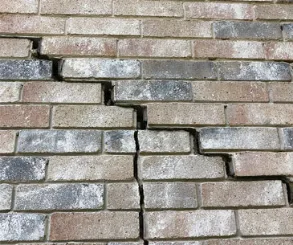
Wall Cracks
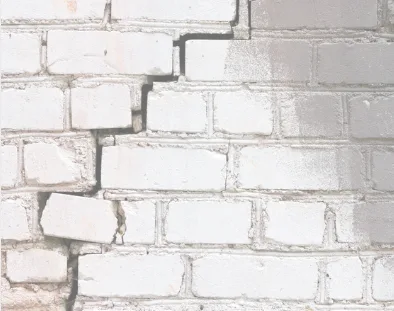
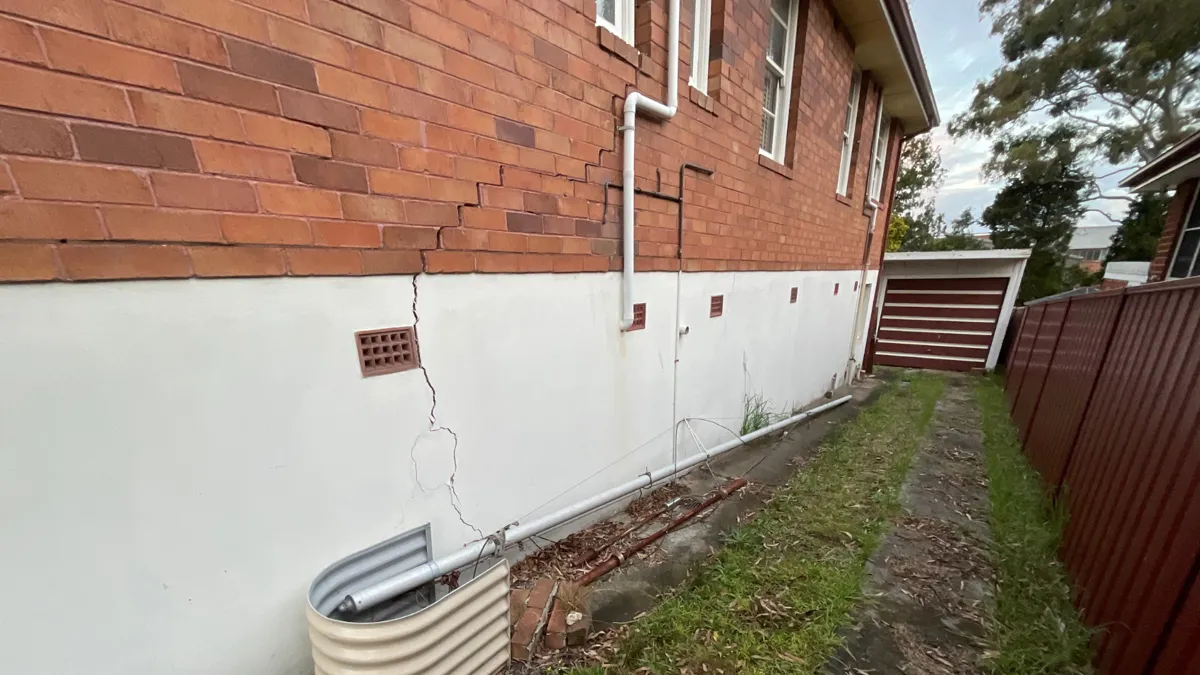
Sometimes wall cracks are purely cosmetic — a bit of settlement, nothing to worry about. But if the cracks follow a stepped pattern through the mortar joints, appear on both the inside and outside of the wall, or show up at the corners of your home — the foundation beneath that section of wall has likely moved.
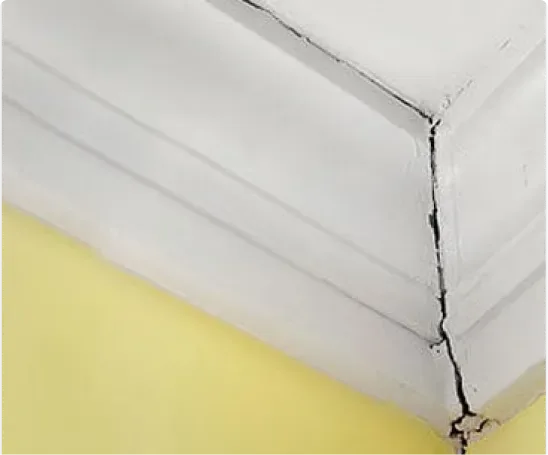
Ceiling and Cornice Cracks
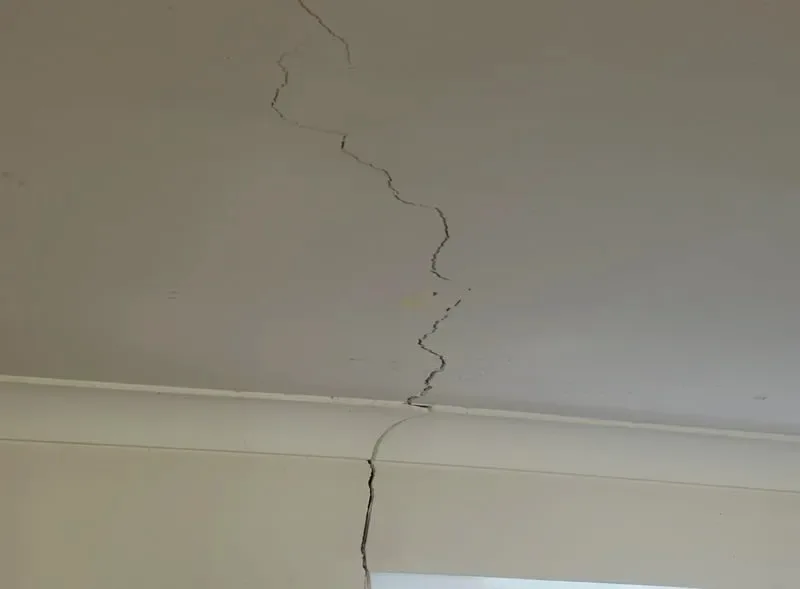
Ceiling cracks on their own are common — most are cosmetic. But if they appear alongside wall cracks, sticking doors, or sloping floors, the cause is probably below, not above. As the foundation sinks unevenly, the movement travels up through the walls and into the ceiling and cornices.
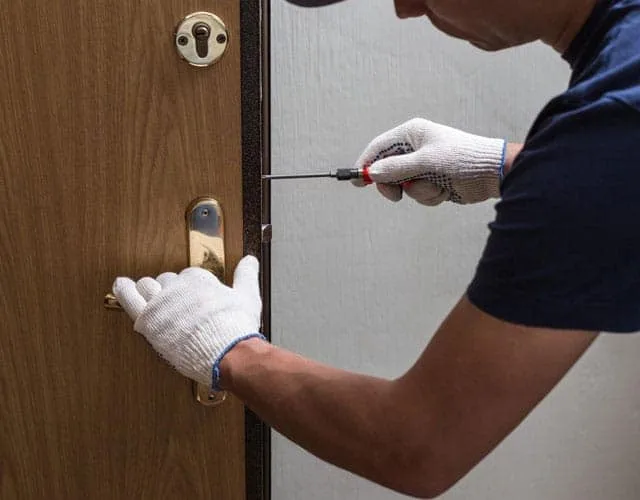
Doors and Windows Jamming
The door that used to close fine until about a year ago. The window you now have to force shut. When the foundation sinks unevenly, the frames twist out of square. Doors hit the floor. Windows bind in their frames. If it’s getting worse over time, the ground is still moving.
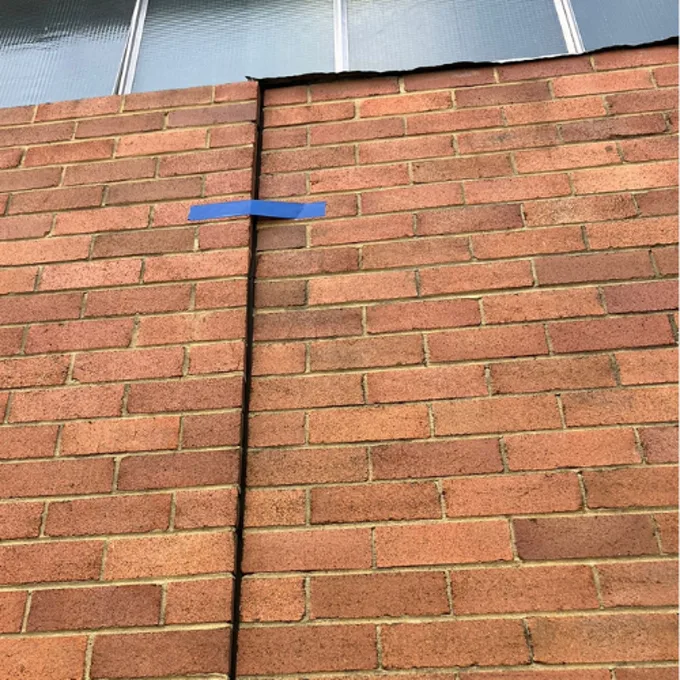
Leaning Walls
As one side of the foundation sinks more than the other, walls can lean visibly off-level. Hold a spirit level against the wall — if it’s out, the foundation beneath it has moved. A leaning freestanding wall is a genuine safety concern and should be assessed promptly.
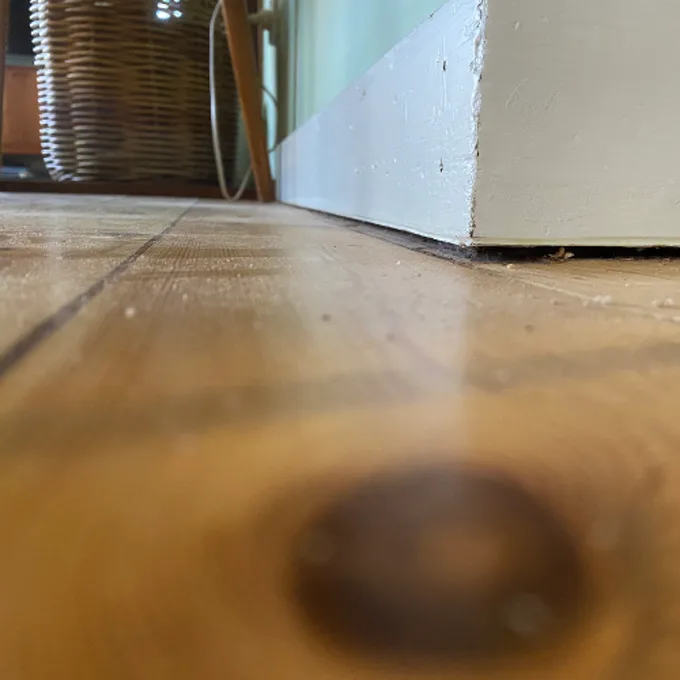
Sloping Floors
One side of the house sinks more than the other, and the floors follow. Place a ball on the floor — if it rolls away, the floor isn’t level. A table that wobbles, a cabinet door that swings open on its own — these are the everyday signs of a foundation that’s moved.
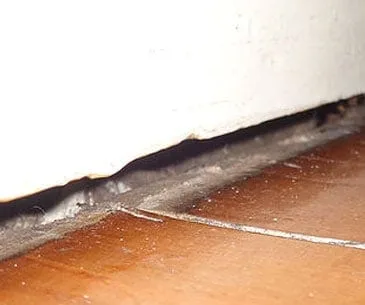
Gaps between Walls and Floors
As the foundation sinks, the floors pull away from the base of the interior walls, opening up gaps at the skirting line. Walk across the room — if the floor feels bouncy or gives underfoot, the support system beneath it is losing contact with the ground.
What are the symptoms of subsidence?
What causes subsidence?
Subsidence always has a cause. Knowing yours changes everything about the fix.
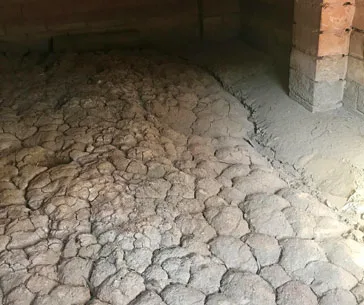
Reactive Clay Soil
Reactive clay is the single biggest cause of subsidence across Melbourne, Western Sydney, and South East Queensland. It swells when wet, shrinks when dry, and moves your foundation with it. Drought, new trees, or altered drainage can pull even more moisture out of the soil — and the shrinkage accelerates.
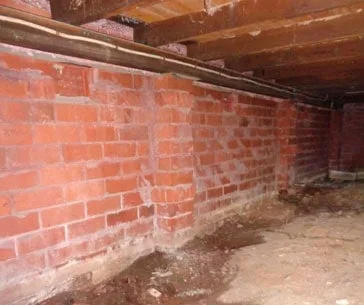
Water Erosion
Burst pipes, leaking mains, overflowing stormwater drains, or unconnected downpipes — any of these can saturate the soil beneath your home. The ground softens, loses its bearing capacity, and the foundation sinks into it. That’s subsidence by another name.
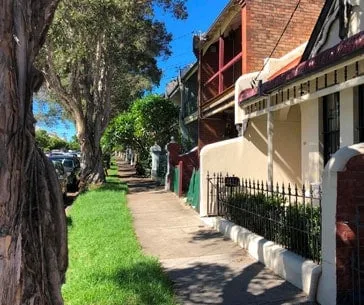
Tree Roots and Vegetation
Tree roots draw moisture out of the ground beneath your home. The soil dries, shrinks, the foundation loses support — and subsidence follows. Large trees close to the house are the most common culprit — but even garden beds and hedges with shallow roots can pull enough moisture to cause movement.
Nearby Construction
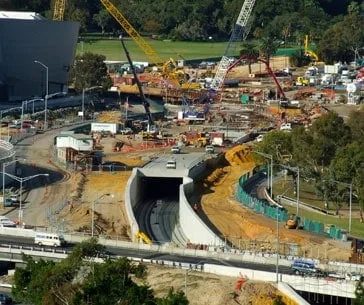
The neighbour adding a pool. An extension next door. A tunnelling project down the road. Nearby construction disturbs the ground — vibrations loosen the soil, and larger infrastructure projects can alter water tables, drying out the ground and causing it to shift. Your foundation moves with it.
Poor Workmanship
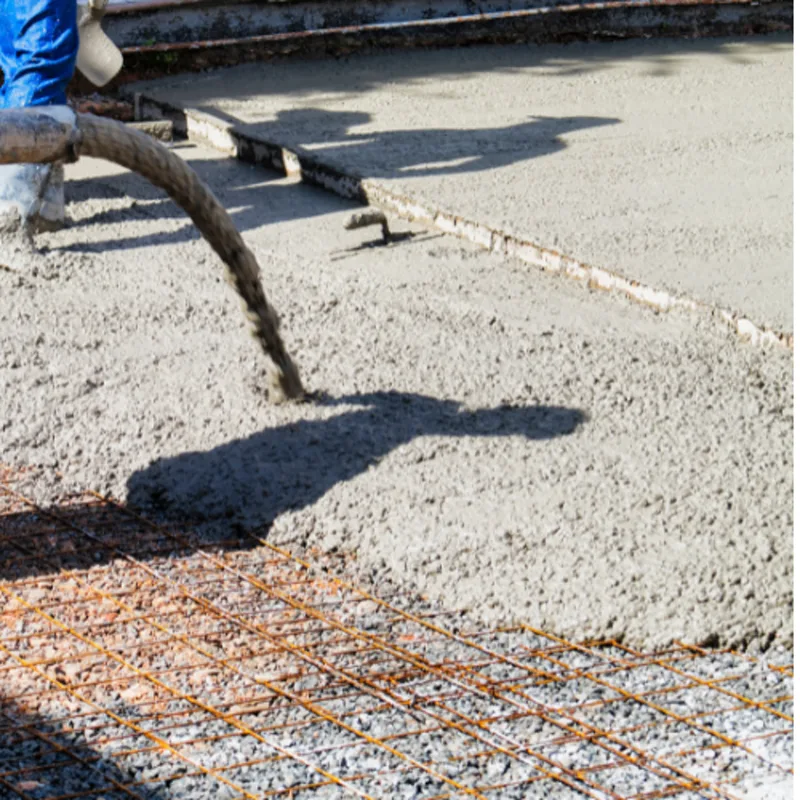
If the ground beneath your home wasn’t properly compacted before the footings were poured, it was never going to stay stable. Poorly compacted fill, missing drainage, or skipped soil testing — the foundation was sitting on borrowed time. Subsidence usually finds it.
Wrong Footing Type
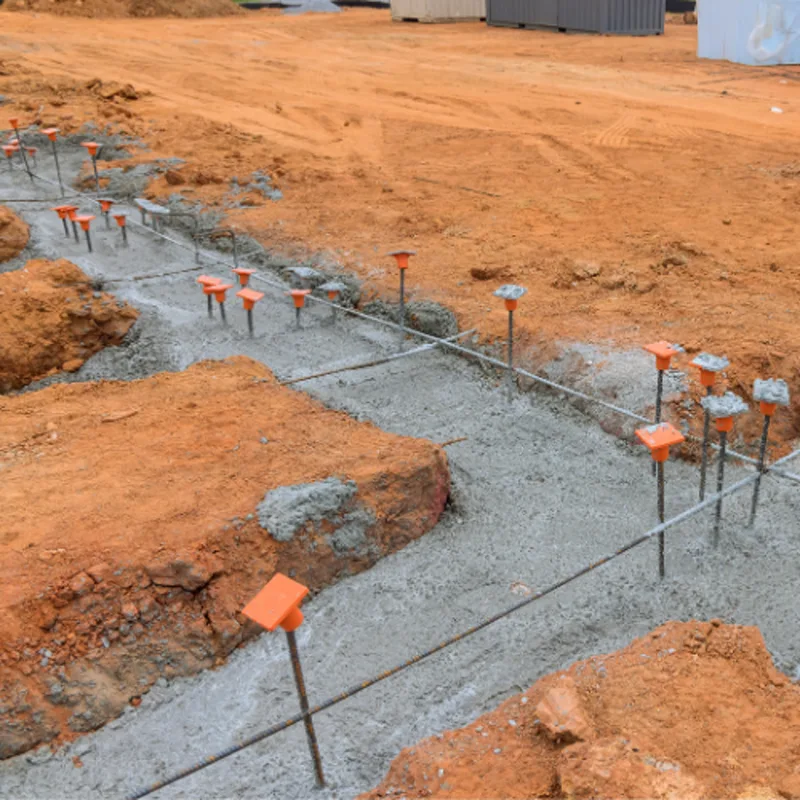
Most footings are designed to Australian Standards — but standards assume the soil has been classified correctly. If the soil is more reactive than the classification assumed, or the footing type doesn’t suit the conditions, the ground moves more than the footing can handle. And subsidence sets in.
What causes subsidence?
How to fix subsidence
Non-Invasive. Precision-Controlled. Guaranteed.
No Digging. No Mess. A Fraction of the Cost.
Subsidence was once the most feared word a homeowner could hear. The cost was the big one — it could knock hundreds of thousands off your home's value. Some people would sell and take the loss rather than deal with it.
But those days are over — thankfully. Here's how it's changed. If your home is subsiding, it's sinking into a void or the ground beneath it has softened, washed away, or become aerated. Fill that space. Stabilise the ground. Problem solved.
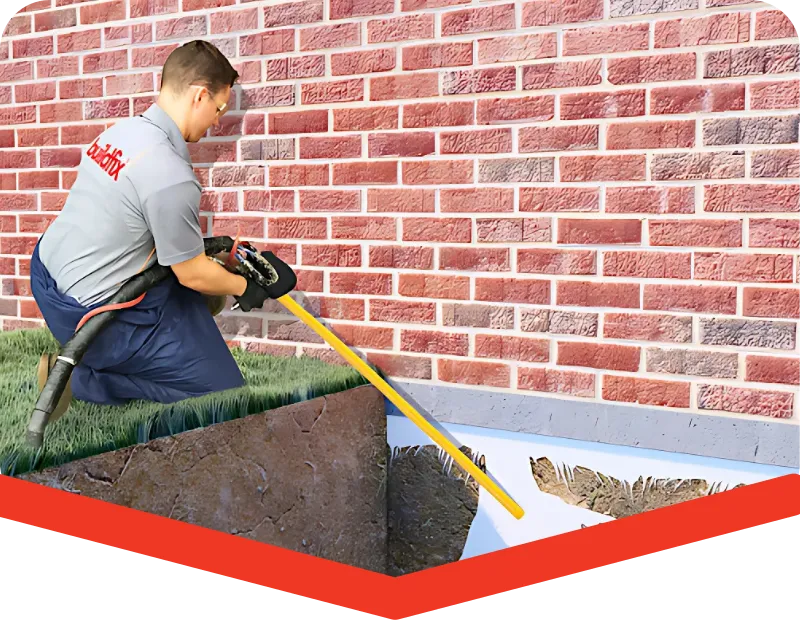
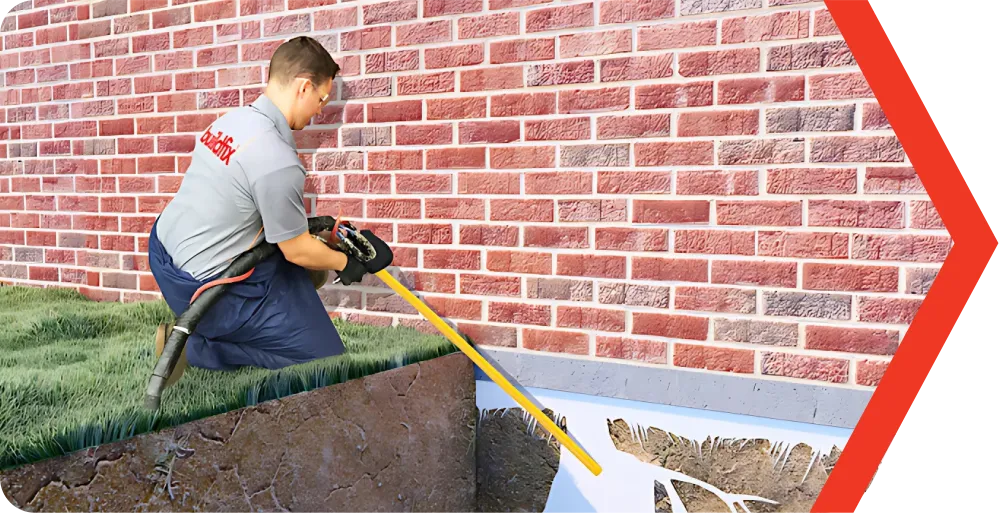
GeoPoly™ GER60 resin is injected through small, coin-sized holes drilled around the problem areas. The resin travels under high pressure and targets the exact point where the subsidence is occurring. Within minutes, it begins to harden — tougher than the original ground — and expands beneath the footings, filling voids and weak spots in the soil, and lifting the foundation back towards level. This is how modern underpinning works. As it relevels, you'll notice cracks closing, gaps shrinking, and doors working again. What used to take weeks now takes just 1–2 days in most cases. And at a fraction of the cost.
Need your foundation lifted? Learn about our underpinning solution.
Structural Engineers · Licensed Builders · Skilled Technicians
Help & Advice
Articles to help you understand subsidence and what to do next.
 Foundation
Understanding Foundation Settlement
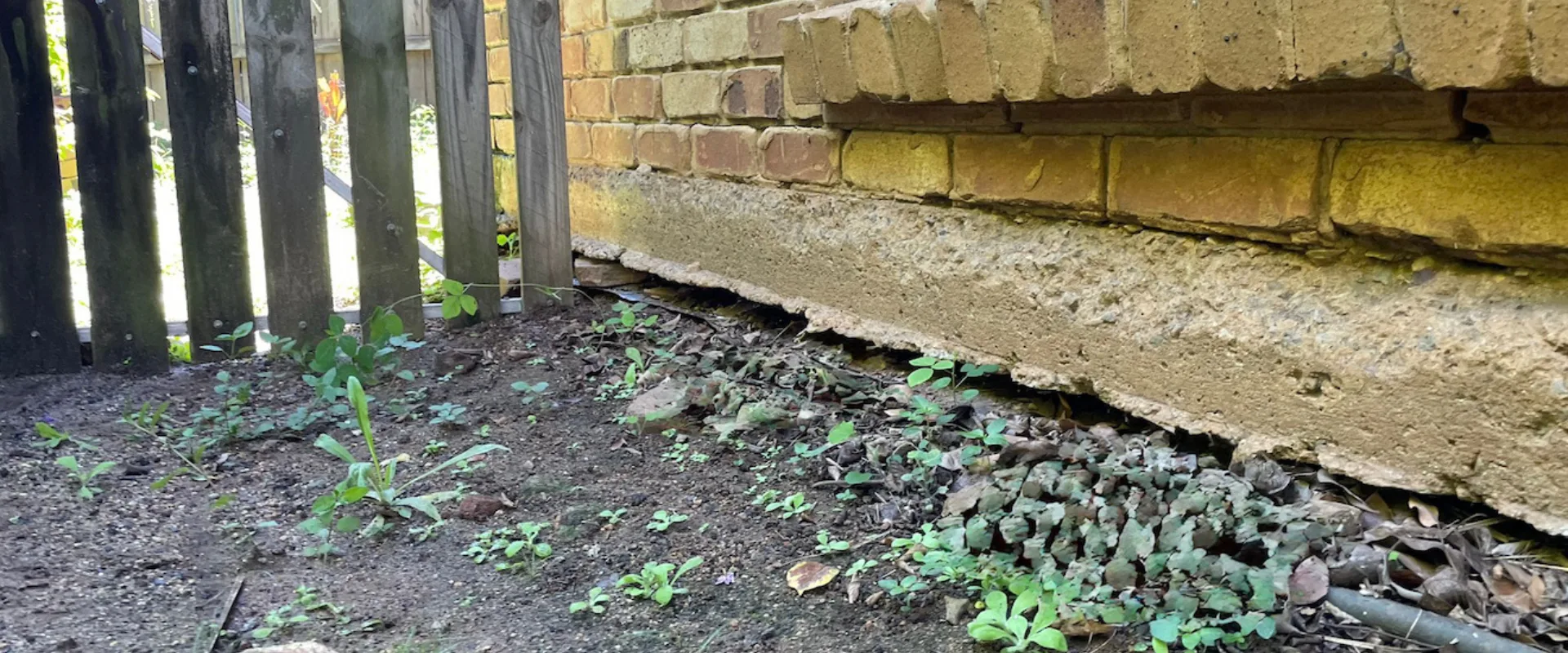
Every home experiences settlement to some extent. But differential movement occurs when sections of a structure settle unevenly.
 Soil & Environment
Reactive Clay Soils Explained
Reactive clay soil is a significant concern for Australian homeowners, capable of causing major structural damage if present beneath home foundations. These soils change dramatically with weather conditions, expanding when wet and shrinking when dry.
 Foundation
Can a House Be Relevelled?
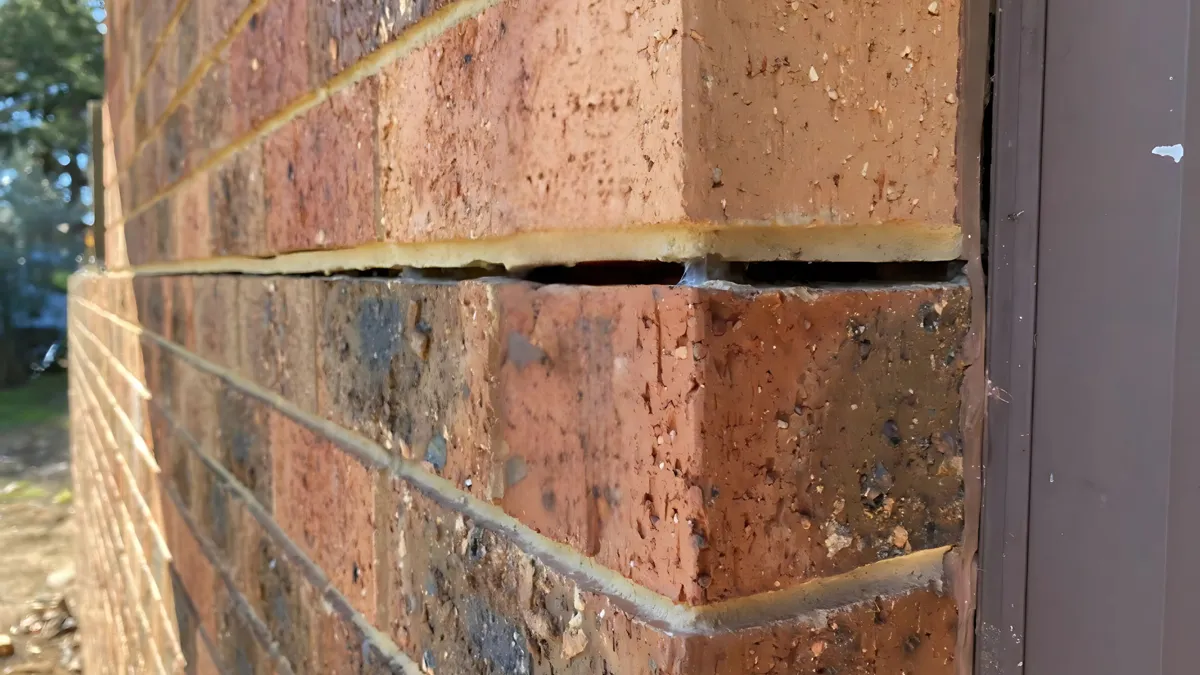
The short answer is yes. Most homeowners picture relevelling as something out of a renovation show — but in most cases the house never has to leave its address.
 Foundation
How to Prevent Your Home From Sinking
Houses don't sink because of bad luck. They sink because of water, soil, and trees — usually a combination of all three.
 Soil & Environment
Reactive Clay Soil and Your Home
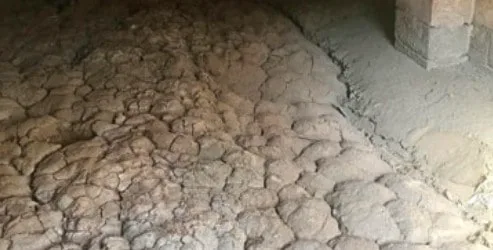
Reactive clay soil is a dense material that changes in volume when it absorbs and releases moisture. This absorption and release occurs as seasons change throughout the year.
Common questions about subsidence
The questions homeowners ask us most often.