What We Fix
What We Fix
Sinking Floor Stumps
Are my floor stumps sinking?
Most stumped homes develop a creak or a slight slope over time. It's usually so gradual you stop noticing — a door that needs more of a push, a table that's always wobbled.
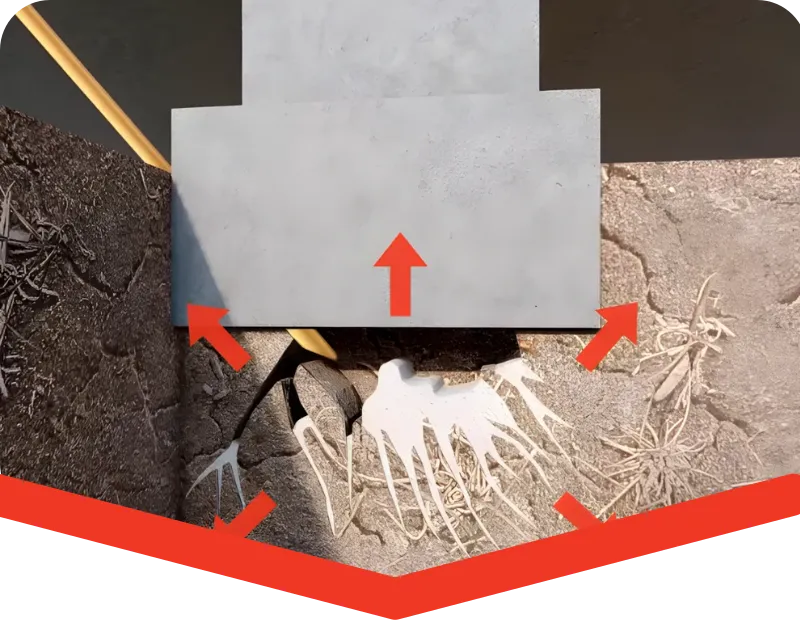
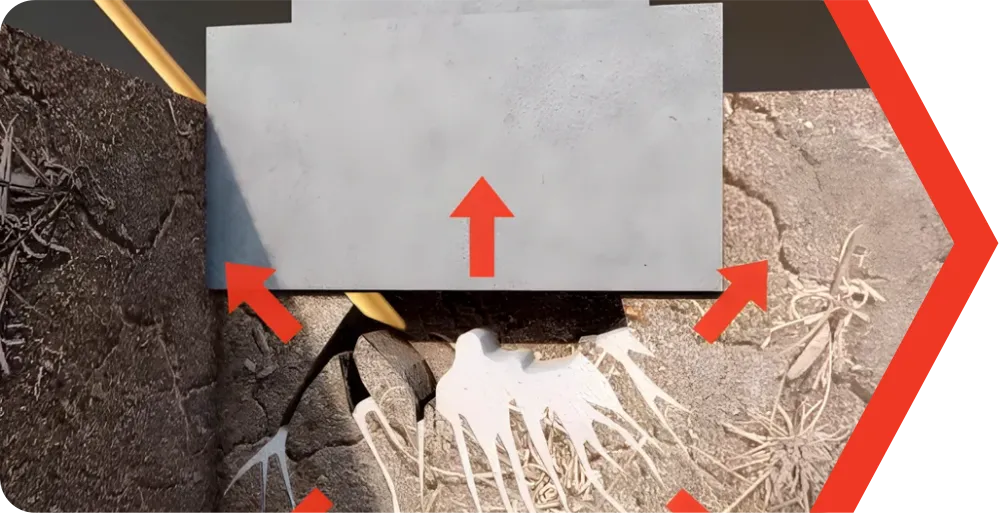
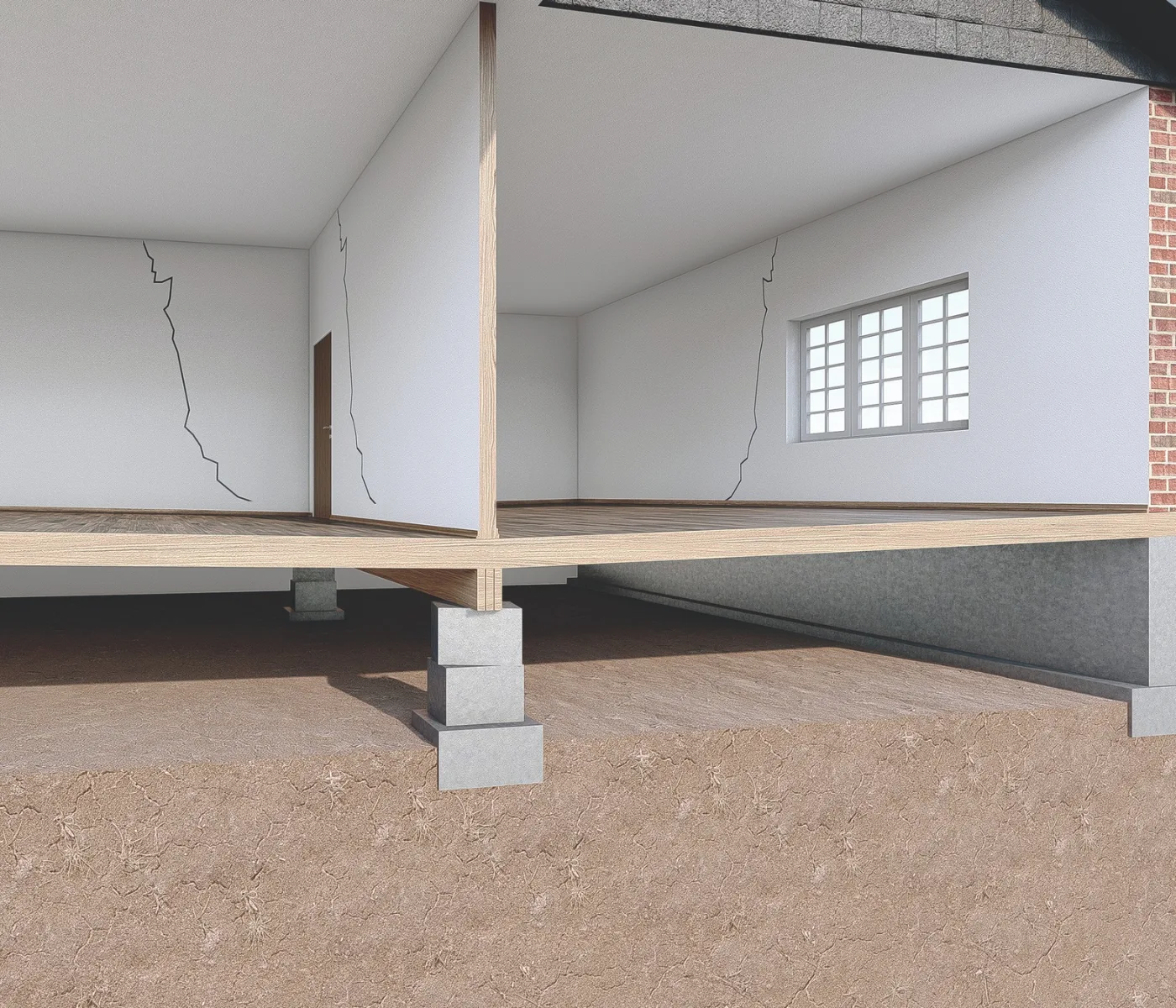
But when the floor starts bouncing underfoot, gaps widen at the skirting, and the slope gets worse — the stumps have moved. Not because they've broken — stumps are simple, durable posts (100mm x 100mm concrete, sometimes timber) sitting on small pad footings. They hold for decades as long as the ground does. When it shifts, the stump drops and loses contact with the bearer above — and a brand-new stump poured onto the same ground will do the same thing.
The signs below will help you work out whether what you're seeing is sinking floor stumps — and what's behind it.
What are the symptoms of sinking floor stumps?
Your floors tell you when something is wrong. These are the most common signs of sinking floor stumps.
Sloping or Uneven Floors
Place a ball on the floor. If it rolls, the floor isn’t level. In a stumped home, each stump is an independent post — when one drops more than its neighbour, the bearer between them tilts and the floor follows. The slope is often worst in one section of the house while the rest feels fine. A table that wobbles, a cabinet door that swings open — these are the everyday signs.
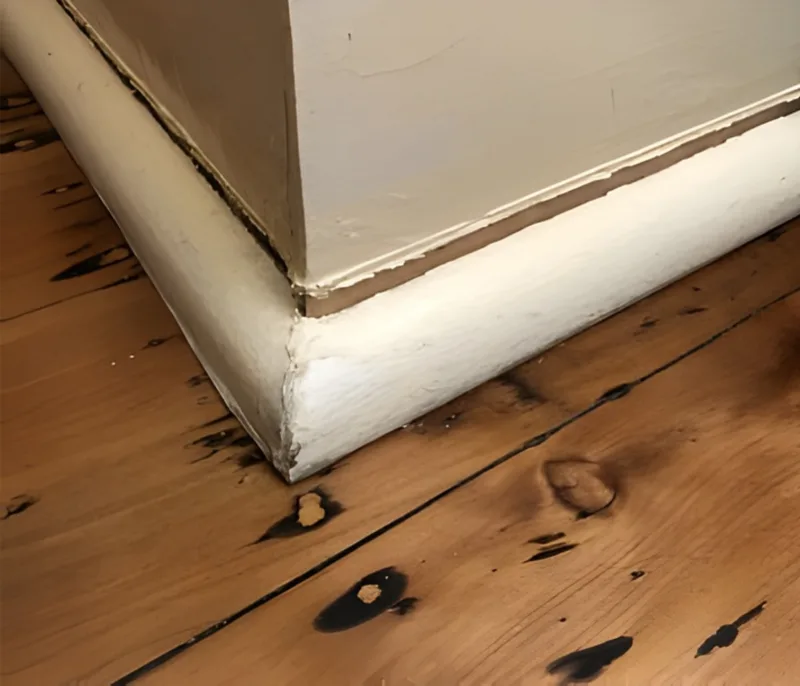
Bouncy Floors
Walk across the room and feel the floor flex underfoot. In a stumped home, bearers span between narrow posts — when a stump drops and loses contact, the bearer has further to span unsupported and bows under load. The whole floor seems to shake with each step. Look at the skirting board as you walk past — if it moves up and down, the stump beneath that section has dropped.
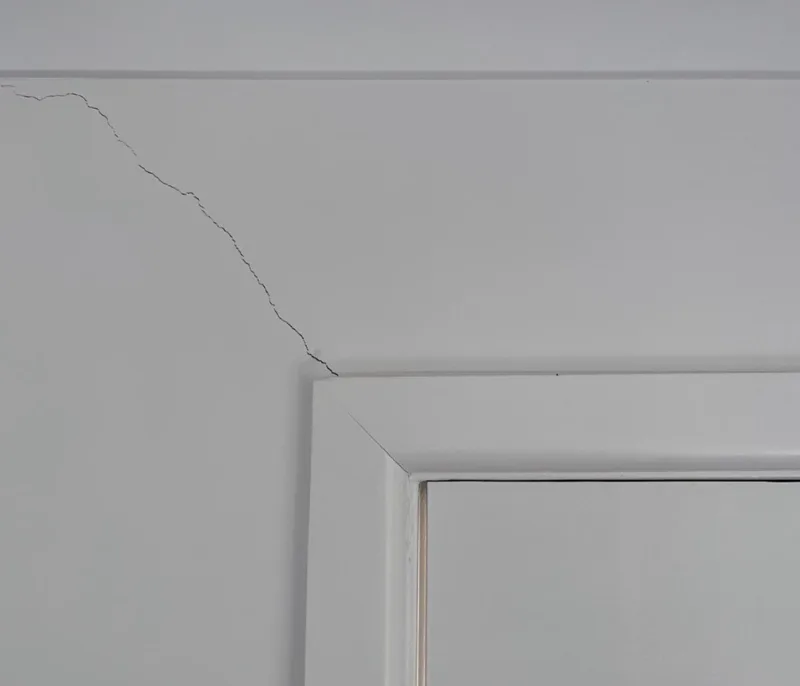
Doors Sticking or Jamming
Internal doors are usually the first to go. The outside walls sit on strip footings sunk into the ground — they rarely move. But the floor beneath the internal walls sits on stumps, and when those stumps sink, the floor tilts and twists the door frame out of square. If a door that used to close fine now needs a shove, the stumps beneath it have likely moved.
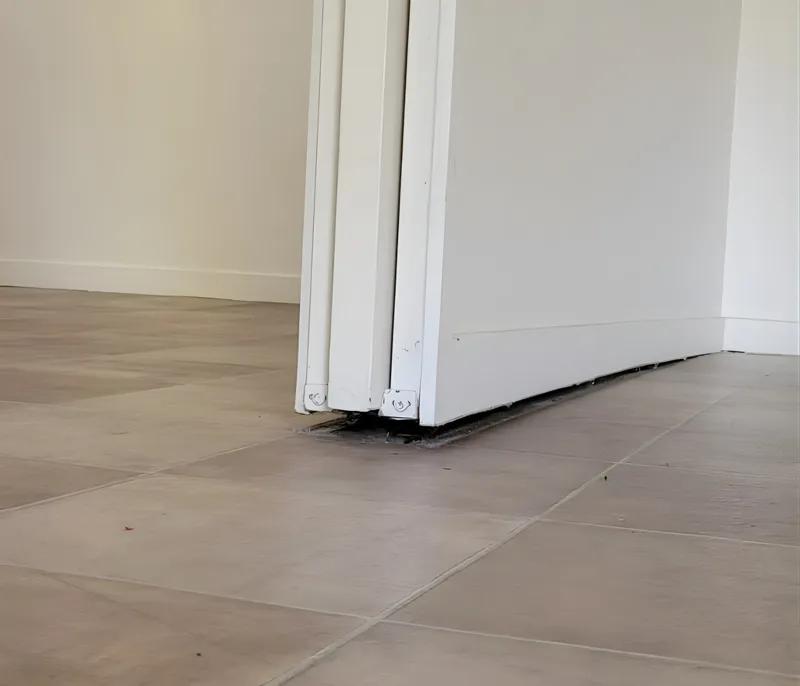
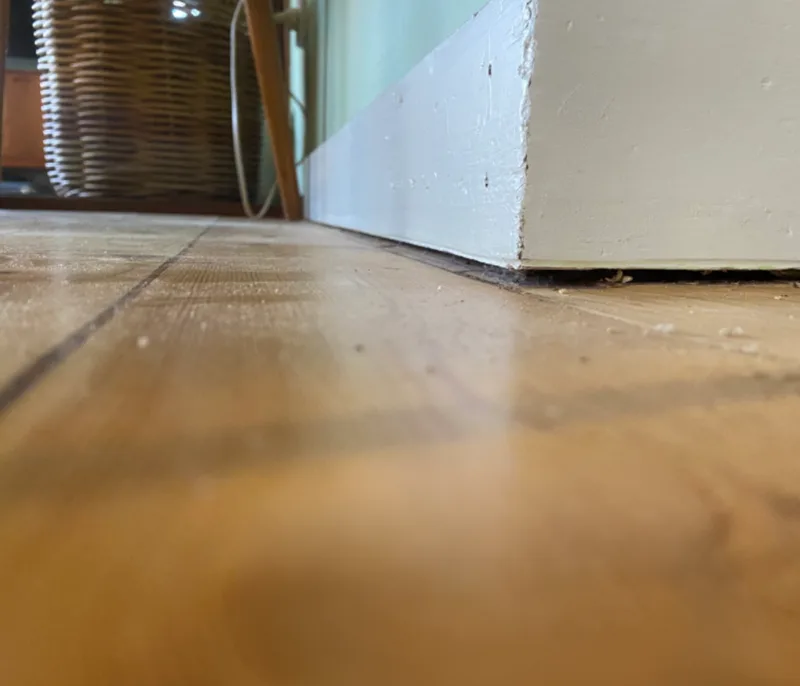
Gaps Under Walls and Skirting Boards
In a stumped home, the walls and the floor are on separate supports — the walls sit on perimeter footings, the floor sits on stumps. When the stumps sink, the floor drops away from the walls above it. Gaps open at the base of skirting boards and under internal walls. If the gap is wider on one side than the other, the stumps have dropped unevenly.
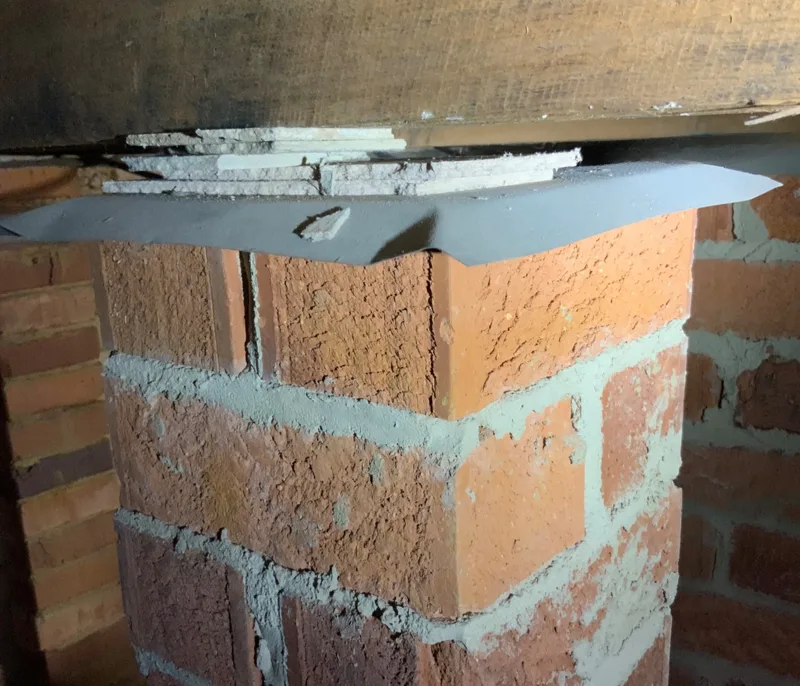
Visible Gaps Beneath the Floor
If you can get under your home, look at the stumps. A gap between the top of the stump and the bearer above is the clearest sign — the stump has dropped and lost contact. Check for shims, packers, or wedges jammed in the gap — that’s jack and pack, and it means someone has already noticed the movement. If your stumps are timber, look at the base — dark, soft, or crumbling wood means the stump itself may have deteriorated, not just the ground.
What are the signs of sinking floor stumps?
How to fix sinking floor stumps
Non-Invasive. Laser-Monitored. Guaranteed.
Fix the Ground. Not the Stump.
GeoPoly™ PSR30 resin is injected through coin-sized holes around the affected stumps, filling voids and compacting the soil beneath each stump footing. As it expands, the stump lifts back into contact with the bearer above — slopes level out, doors close properly, gaps close up. Most jobs take 1–2 days.
Restumping achieves the same result — but it means ripping up floorboards, digging out old stumps, and weeks of disruption. GeoPoly™ fixes the ground beneath the stumps — no floorboards removed, no digging, and because the cause is treated, it's permanent.
Not sure whether your stumps need replacing or the ground needs fixing? That's exactly what the free assessment answers.
Structural Engineers · Licensed Builders · Skilled Technicians
Help & Advice
Articles to help you understand sinking floor stumps and what to do next.
 Floor Levelling
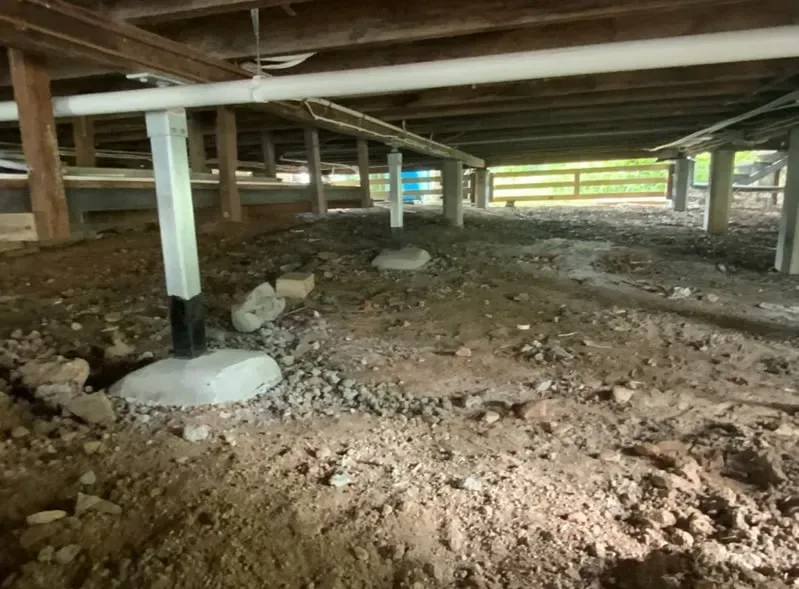
Restumping: Insights & Alternatives
Traditional restumping is an invasive process to replace deteriorated sinking stumps in older homes. It can restore stability, but comes with significant disruption and cost.
 Floor Levelling
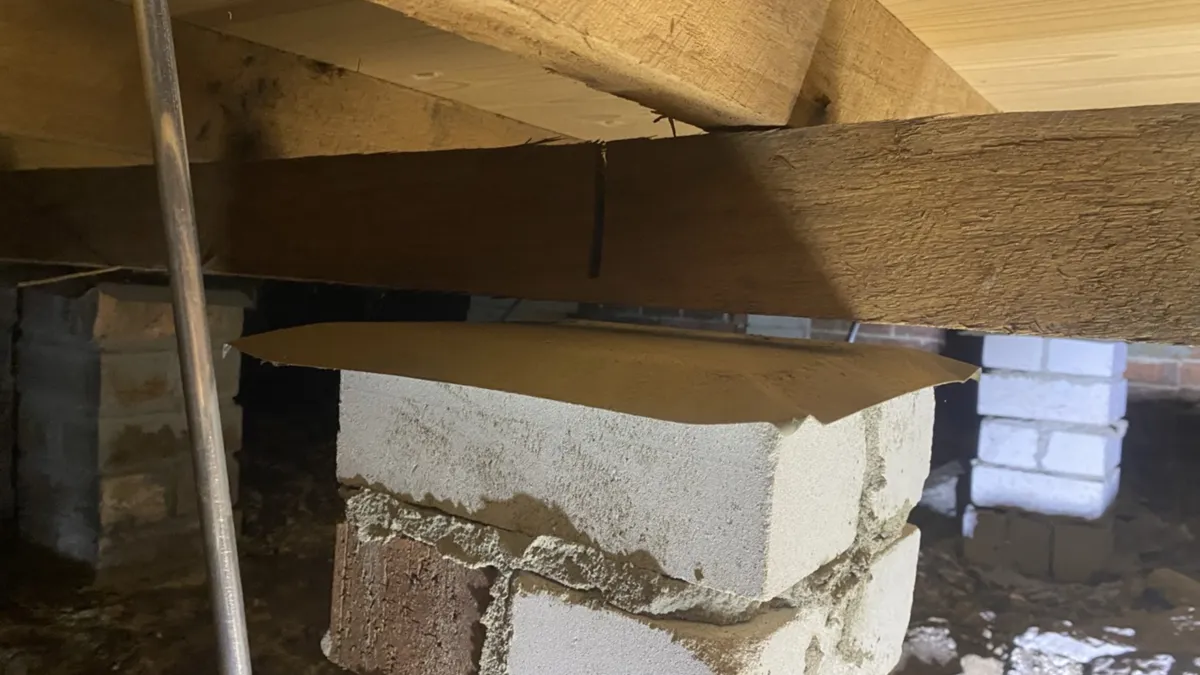
What Are the Alternatives to Replacing Floor Piers?
If you've been quoted to have your floor piers replaced, it's worth pausing before that quote is signed. Most floor piers don't need replacing — they need re-supporting.
 Floor Levelling
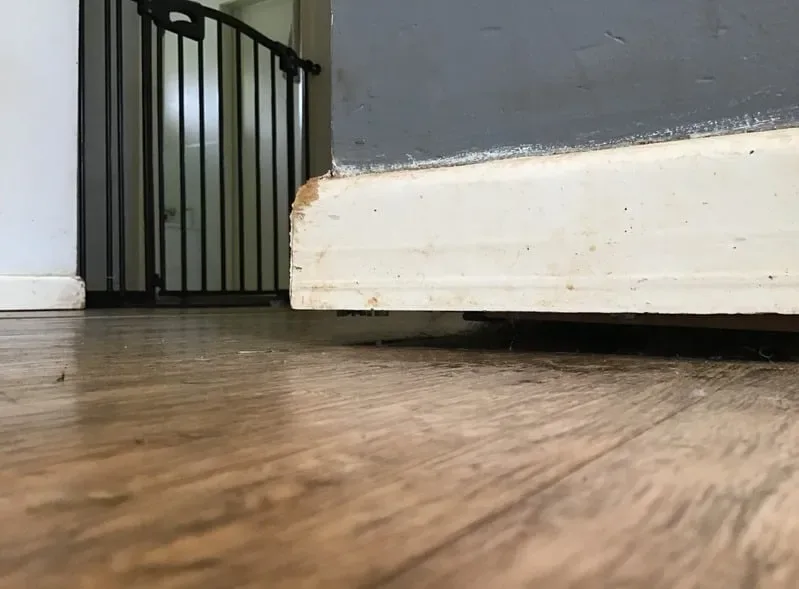
Levelling a Sloping Floor
A sloping floor is easy to dismiss—until it gets worse. What starts as a slight tilt can turn into misaligned walls, sticking doors, or even structural instability.
 Foundation
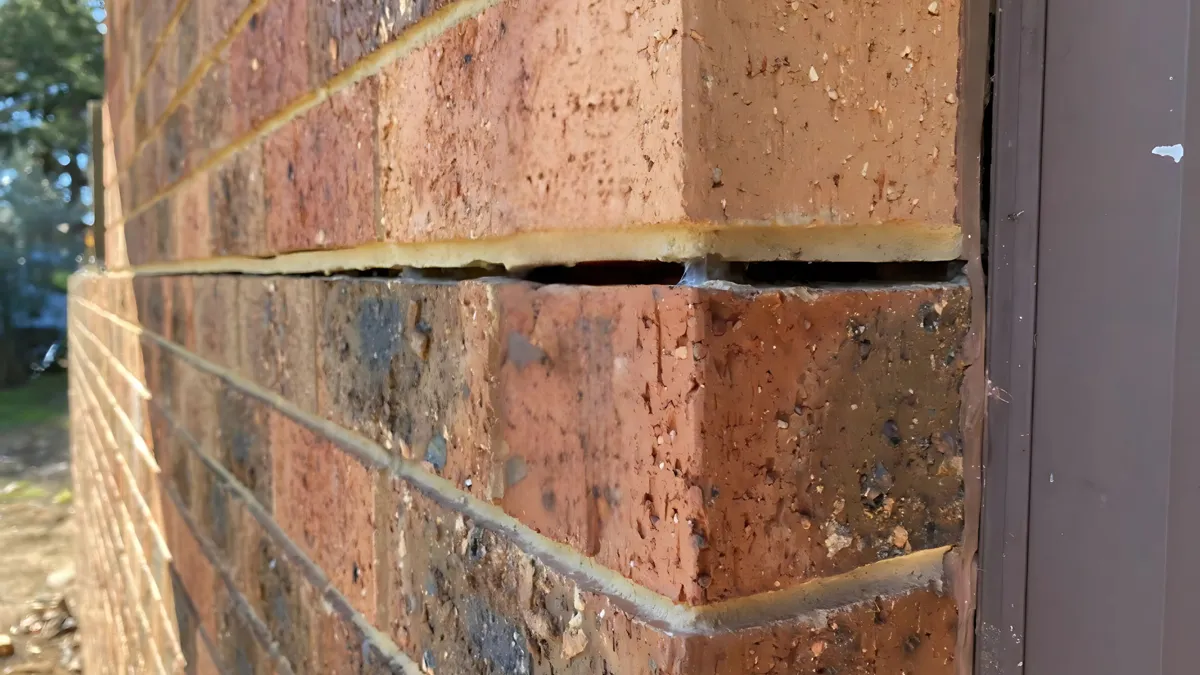
Can a House Be Relevelled?
The short answer is yes. Most homeowners picture relevelling as something out of a renovation show — but in most cases the house never has to leave its address.
 Foundation
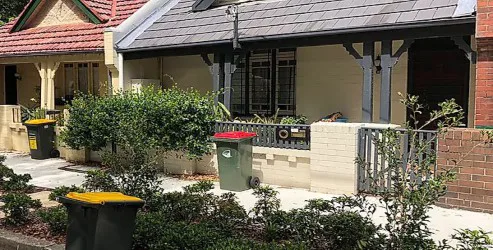
5 Ways to Prevent Sinking
In a previous post about subsidence, we discussed 5 of the top reasons your house might start sinking and in turn, take on structural damage. If you read that post and are now worried, relax.
Common questions about sinking floor stumps
The questions homeowners ask us most often.