
Help & Advice
Can a House Be Relevelled?
Help & Advice
Can a House Be Relevelled?
The short answer is yes.
Most homeowners picture relevelling as something out of a renovation show — a house jacked up off its footings, walls braced, the family moved out for months. That's not how it's done anymore. In most cases the house never has to leave its address. The foundation gets lifted, the structure above settles back, and the family stays in the house the whole time.
The longer answer is about what "relevelled" actually means, what's safe to lift, and what an engineer is checking before any work starts.
What "Relevelling a House" Actually Means
When a structural engineer talks about relevelling a house, they're talking about the foundation — the ground and the footing beneath the home. Not the walls. Not the roof. Not lifting the whole house like a tilted boat.
A house sinks because the foundation moves. Reactive clay shrinks in drought, fill compacts, a leaking pipe washes a void under the slab, a mature tree pulls moisture out of the soil. The footing follows the soil down. The structure above follows the footing.
To relevel the house, the engineer addresses the foundation. The soil is stabilised, the footing is gently raised, and the structure above settles back towards its original position. The walls don't have to be rebuilt. The slab doesn't have to be replaced. The house doesn't have to be moved off its block.
That's what makes modern foundation repair with resin injection different from the traditional picture of underpinning — trenches dug around the house, concrete poured in stages, weeks of disruption. The new method works through the slab from above, in coin-sized holes, and the house never has to leave its address.
How the Engineering Actually Works
The process is more measurement than mechanics. Before anything is lifted, the engineer maps the floor levels to the millimetre across the whole house with a laser. Every room, every doorway, every joint. The map shows where the foundation has dropped, by how much, and where the lifting points need to be.
Small holes are drilled into the slab on a grid above the affected area. Expanding GeoPoly™ resin is injected beneath the footing through those holes. The resin spreads through the soil, fills voids, compacts loose ground, and lifts the footing from underneath. The lift is watched in real time on the laser. Once the readings show the footing has returned to its target level, the injection stops.
The resin cures in about ten minutes. The lifting happens millimetre by millimetre — not in jolts, not under hydraulic jacks against the footing, but as the resin expands beneath the soil and gently pushes the foundation upward. That precision is what lets a house be lifted safely while the family is still living in it.
What's Safe to Lift — And What Isn't
Most homes that present with subsidence can be relevelled. Brick veneer, double-brick, slab-on-ground, suspended floors over piers — the technology works across all of them. What changes is the approach, the access, and the lift profile.
A few situations call for a different conversation. If the foundation has rotated significantly — one corner of the slab has dropped by 80–100mm or more — relevelling can stabilise the foundation but may not fully recover the original geometry. If the slab itself has been broken in half by movement, the slab gets stabilised in place rather than lifted as a piece. If the footing was poured undersized for the soil type, a foundation repair is the right call but it might be paired with a structural reinforcement above.
This is why every job starts with the engineer's measurement. The decision about what's safe to lift is made off the laser readings, not from the kerb.
What You'll Notice After the Lift
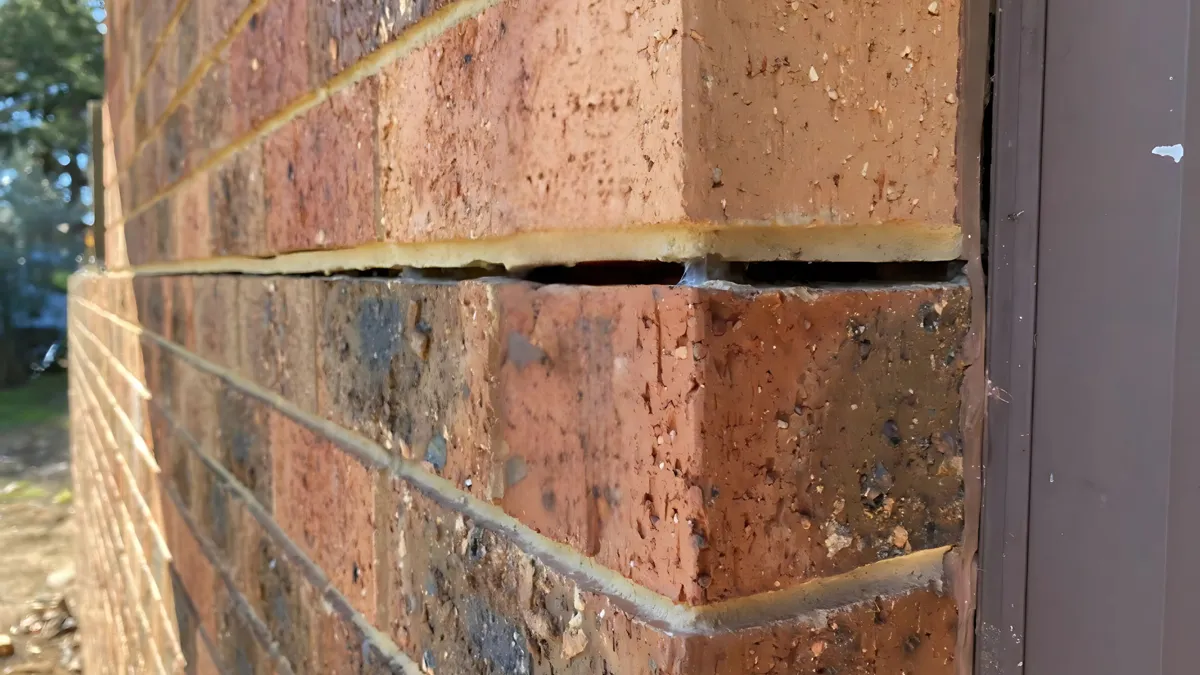
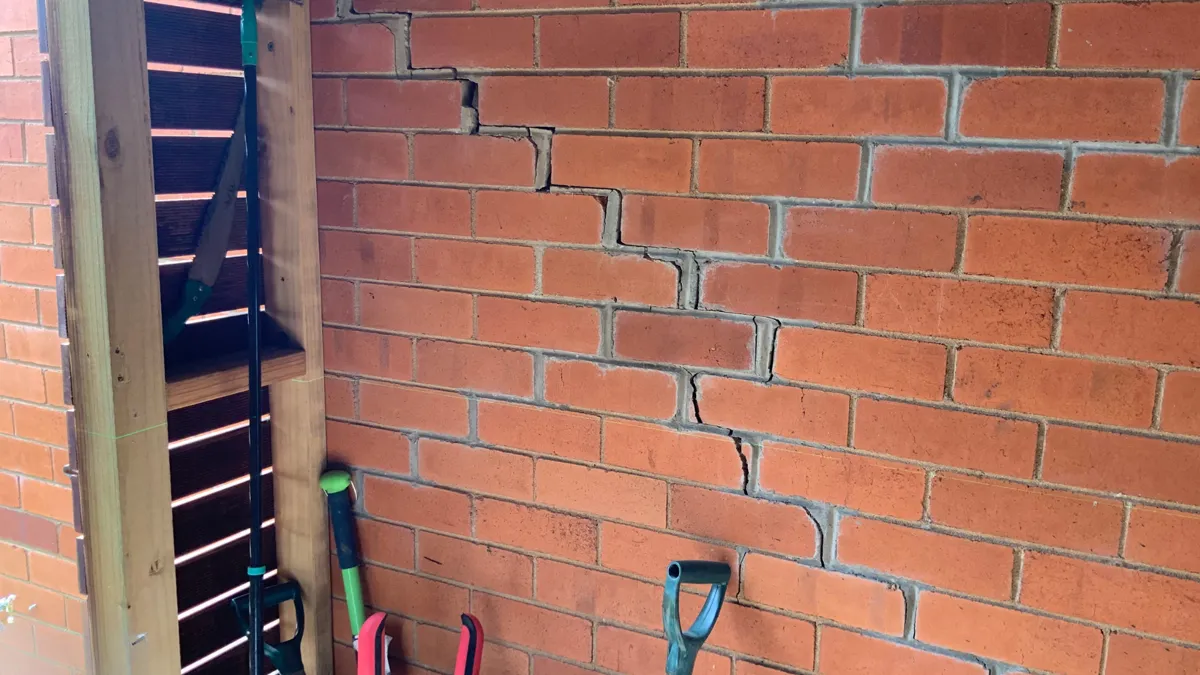
As the foundation rises back towards its target level, the structure above responds. Wall cracks that opened when the house dropped start to close. Doors that were jamming begin working again. Floors that sloped start to level out. Gaps between skirting boards and floor coverings shrink. The house begins to feel solid underfoot the way it used to.
The repair doesn't promise a perfect end-state on every visible symptom — the structure above is older, the cracks have been there for a while, and some finishing work might still be needed once the foundation is stable. But the cause of the movement is fixed. The house stops sinking. That's the part the warranty covers: a 20-year product and workmanship warranty on the foundation repair. If the foundation issue returns, so do we.
When to Get the Foundation Checked
If a door has stopped closing properly, a floor has started sloping, or cracks have opened that you can fit a credit card into — those are the readings the engineer needs to see. A 30-minute visit with a laser level tells you whether the house has dropped, by how much, and whether the movement is still active or settled. It's free, and you walk away with a clear answer.
For nearly 15 years Buildfix has relevelled more than 15,000 homes and structures — Queenslanders in Brisbane, Federation brick in inner Sydney, double-brick in Western Sydney, weatherboard over stumps in Melbourne. Most are still standing exactly where they were, just back where they were meant to be.
Call 1300 854 115 or book a free on-site assessment.
Share this article
Related Articles
Why Fixing Your House Foundation Is Only Part of the Puzzle
This is the most expensive misconception in structural repair. Fixing the foundation does not fix the wall.
Read More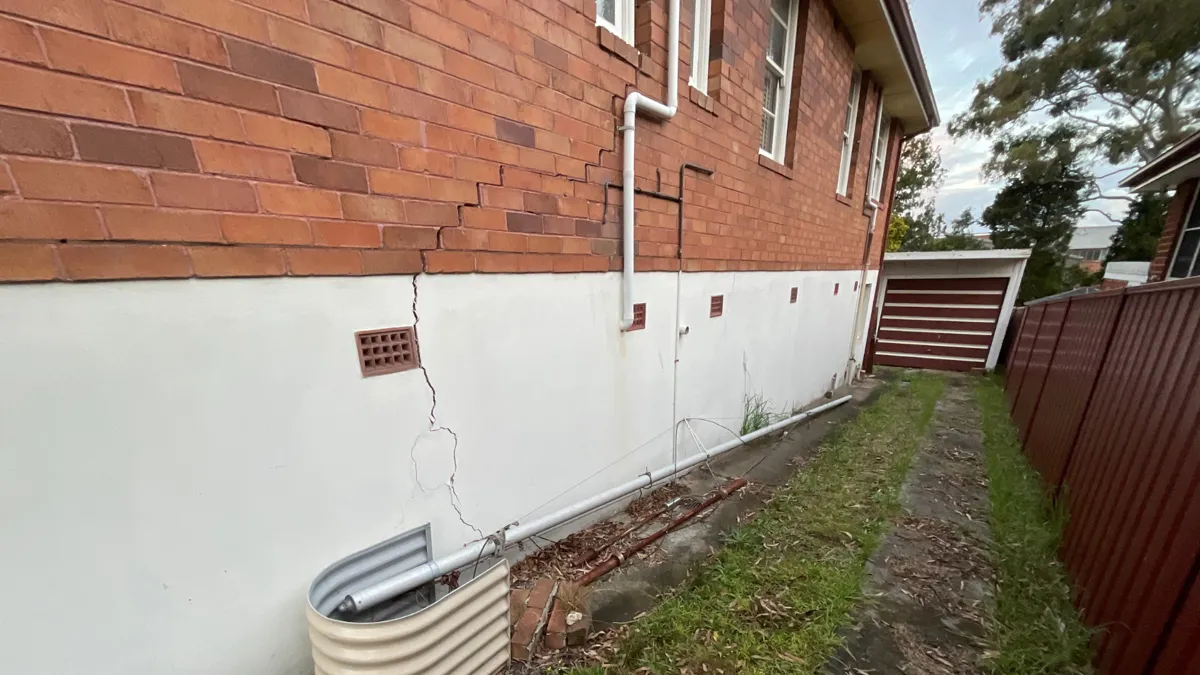
How to Prevent Your Home From Sinking
Houses don't sink because of bad luck. They sink because of water, soil, and trees — usually a combination of all three.
Read More
How Drought Places Pressure on Your Home’s Structure
Serious droughts have an impact on infrastructure, large and small buildings alike including your home. Especially if your home’s been built on reactive clay soil.
Read More
Need expert advice on your home?
Our team of engineers and technicians are ready to help.
Book a free structural assessment today.