
Help & Advice
What Are the Alternatives to Replacing Floor Piers?
Help & Advice
What Are the Alternatives to Replacing Floor Piers?
If you've been quoted to have your floor piers replaced, it's worth pausing before that quote is signed. Most floor piers don't need replacing. They need re-supporting.
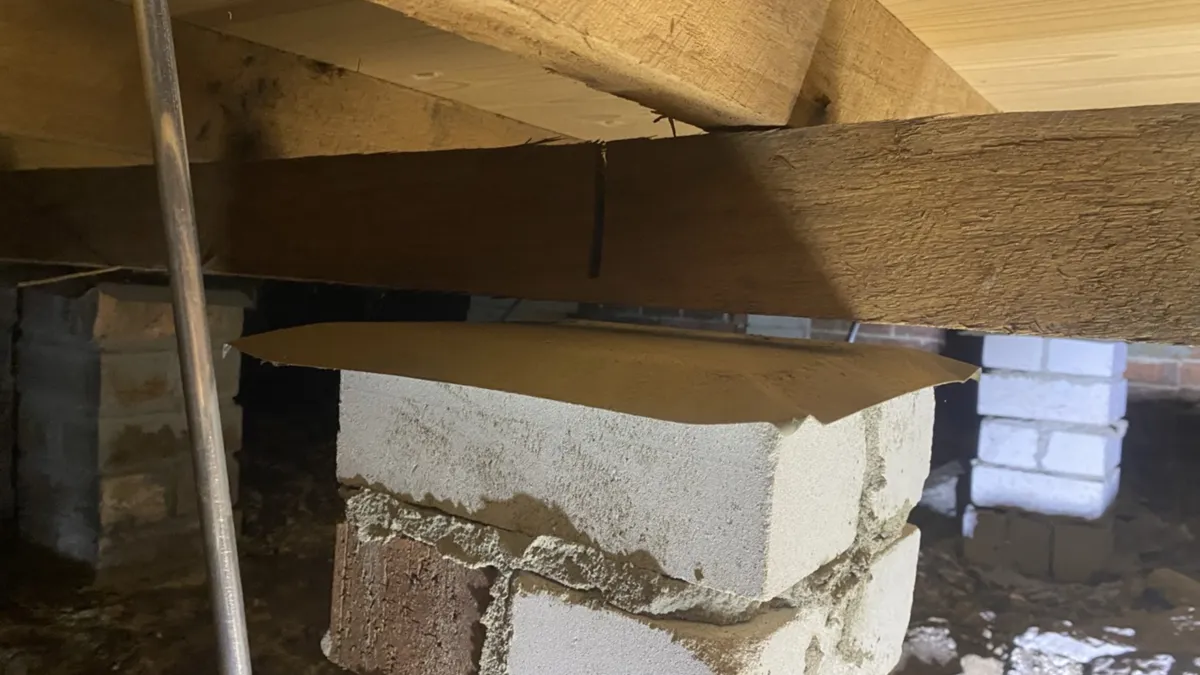
The pier hasn't broken. The ground beneath it has dropped, and the bearer above it has lost contact with the top of the pier. The pier is sitting where it was always sitting — it's just no longer carrying the load it was built to carry. Fix the gap, and the floor stops bouncing. Replace the pier, and you've ripped out something that didn't need replacing.
Here's what the real alternatives are.
What Pier Replacement Actually Involves
Full pier replacement is a big job. The bearer above the pier has to be propped, the old pier broken out, the footing dug, a new pier formed and poured, the bearer lowered onto it, and the area made good. Per pier, it's days of work. Across the underside of a typical Queenslander or older brick-veneer home, the bill climbs fast — often into the tens of thousands before anyone's looked at why the pier dropped in the first place.
And here's the catch. The new pier sits on the same ground that let the old one drop. If the cause was soil shrinkage, a leaking pipe, or a tree taking moisture out of the foundation, the new pier behaves the same way the old one did. The fix didn't fix the cause.
That's not an argument against replacement when it's needed. Cracked piers, rotted timber stumps, badly corroded steel — those have to come out. The point is that "the floor is sinking" doesn't automatically mean "the piers need replacing."
The Alternatives — From Cheapest to Most Involved
Re-packing. If a timber bearer has lost contact with the top of a pier by 5–15mm, hardwood packers can be driven in to take the load again. It's the oldest fix in the book. Done by a skilled technician on a sound pier, it works. The catch: packers shift if the ground keeps moving. It treats the gap, not the cause.
Pier jacking with resin. The pier is gently raised back into contact with the bearer using expanding resin injected beneath the footing. The resin compacts the soil, lifts the pier, and stabilises the ground in one step. On a Buildfix job that's GeoPoly™ pier jacking — coin-sized injection points, no excavation, the floor relevels in a few hours.
Floor relevelling. When the whole floor has dropped — not just one pier — floor relevelling with resin injection lifts the slab and stabilises the foundation across the affected area. Same technology, broader application. Done in 1–2 days for most homes.
Selective replacement. Where a pier is genuinely failed — cracked through, sunken into the soil, or sitting on a footing that's broken up — replace that one. Leave the rest alone. A free assessment maps every pier and tells you which are sound and which aren't. Most jobs end up replacing one or two and re-supporting the rest.
What's Actually Causing the Drop
Before any fix, the cause matters more than the method. Soil shrinkage on reactive clay is one of the biggest reasons piers lose support — the soil pulls back from the footing in a long dry spell. A broken stormwater line under the house can wash a void in months. A mature tree within 10 metres of the footing draws moisture out of the foundation, especially in summer.
If the cause isn't found and the cause isn't fixed, every repair is on borrowed time. That's why the signs of sinking floor piers — bouncy floors, gaps at skirtings, sloping rooms — get measured and mapped before anyone proposes a fix. The fix follows the cause, not the other way around.
What You'll Notice After the Repair
After the piers are back in contact with the bearer and the ground is stabilised, the floor stops moving. Doors that were sticking start working again. Gaps between skirting boards and floors begin to close. The bounce underfoot goes away. Furniture stops tipping toward one corner. The house feels solid the way it used to.
A Buildfix pier-jacking repair is backed by a 20-year product and workmanship warranty. If the foundation issue returns, so do we.
When to Get the Piers Checked
If a room slopes, a door won't close the way it used to, or the floor flexes when you walk across it — that's the assessment to book. A structural engineer crawls the subfloor, checks every pier for contact with the bearer above, and laser-maps the floor levels. The whole visit takes 30–60 minutes. It's free, and you'll know exactly what's causing the movement — and whether replacement is genuinely needed or whether the piers can be re-supported.
For nearly 15 years Buildfix has worked on more than 15,000 homes and structures. The vast majority of "sinking floor" jobs never need a single pier replaced.
Call 1300 854 115 or book a free assessment. Takes 30–60 minutes. Every pier checked, the cause identified, fixed-price quote on the spot.
Share this article
Related Articles
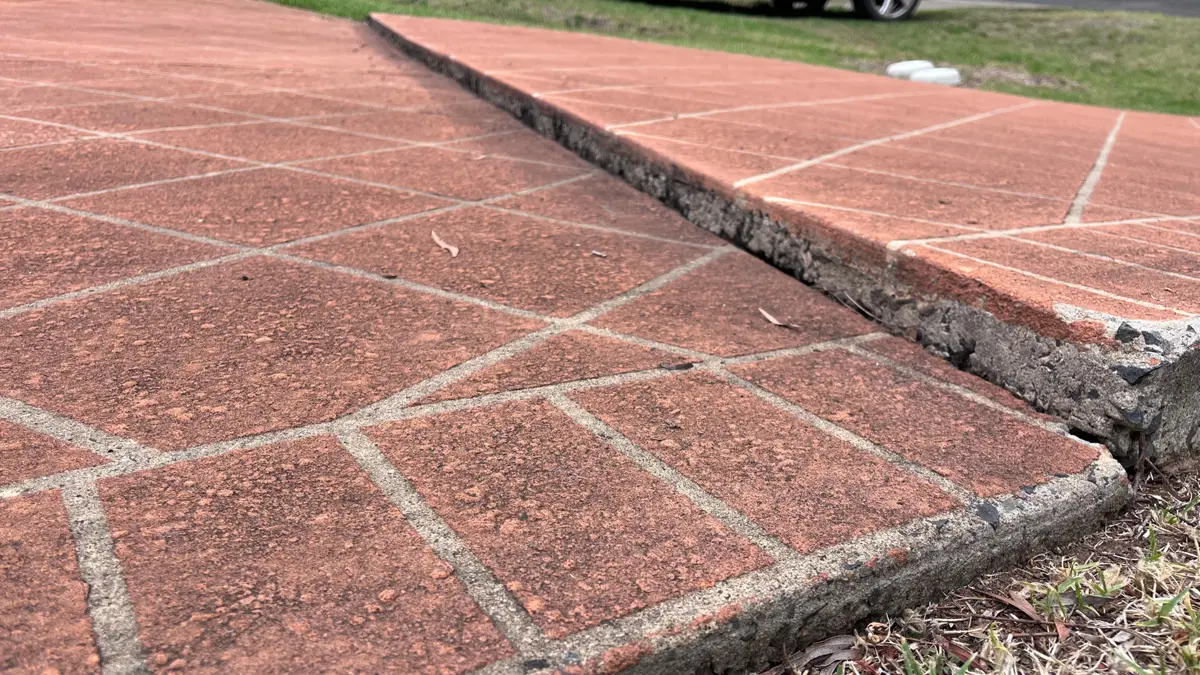
Relevel Your Driveway — Don't Replace It
Nine times out of ten, the slab isn't the problem. The concrete is fine. The ground underneath it has dropped.
Read More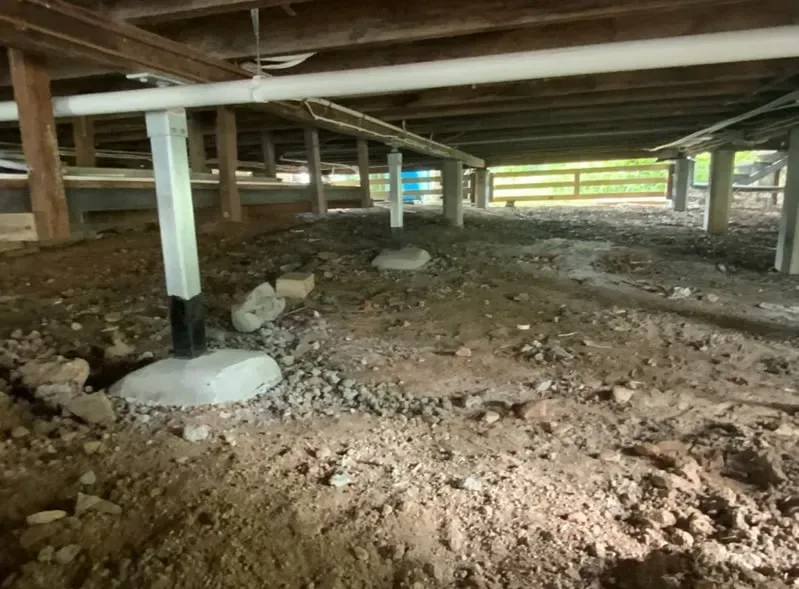
Understanding Restumping: Essential Insights & Modern Alternatives
Traditional restumping is an invasive process to replace deteriorated sinking stumps in older homes. It can restore stability, but comes with significant disruption and cost.
Read More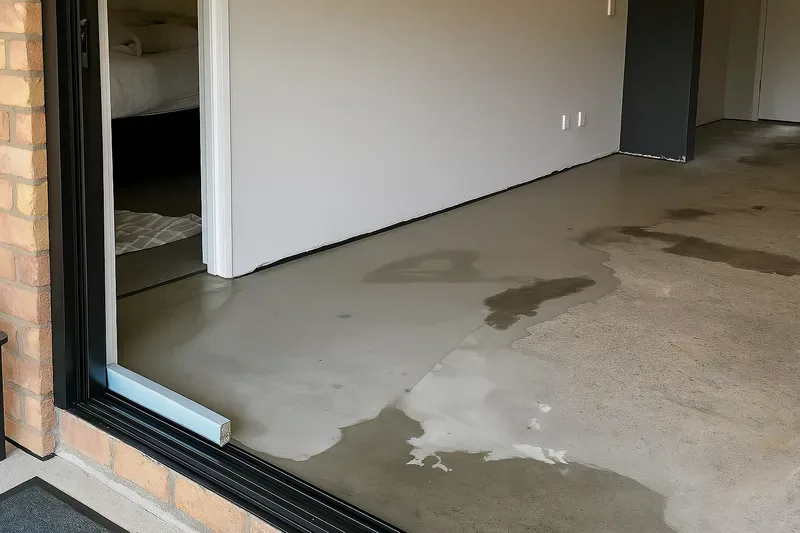
Self-Levelling Compound: What It’s Used For
If you're planning a renovation, self-levelling compound might seem like the perfect fix for uneven floors. After all, it's widely recommended by builders and tilers for its quick application and smooth finish.
Read More
Need expert advice on your home?
Our team of engineers and technicians are ready to help.
Book a free structural assessment today.