
Help & Advice
Relevel Your Driveway — Don't Replace It
Help & Advice
Relevel Your Driveway — Don't Replace It
Nine times out of ten, the slab isn't the problem. The concrete is fine. The ground underneath it has dropped.
A sunken driveway looks like a problem the size of the slab — and the quotes you've been given probably reflect that. Replacing the whole thing — breaking it up, carting it away, recompacting the soil, pouring a new one — is the long way around a job that can be done in a day.
Here's what driveway relevelling actually involves, when it works, and when full replacement is genuinely the right call.
Why Driveways Sink in the First Place
Concrete doesn't shrink. The soil beneath it moves. The driveway you're looking at is sitting on fill — material trucked in and compacted before the slab was poured. Over time that fill loses density. Water washes through it. Tree roots take moisture out of it. A leaking pipe can wash a void in under it without you knowing.
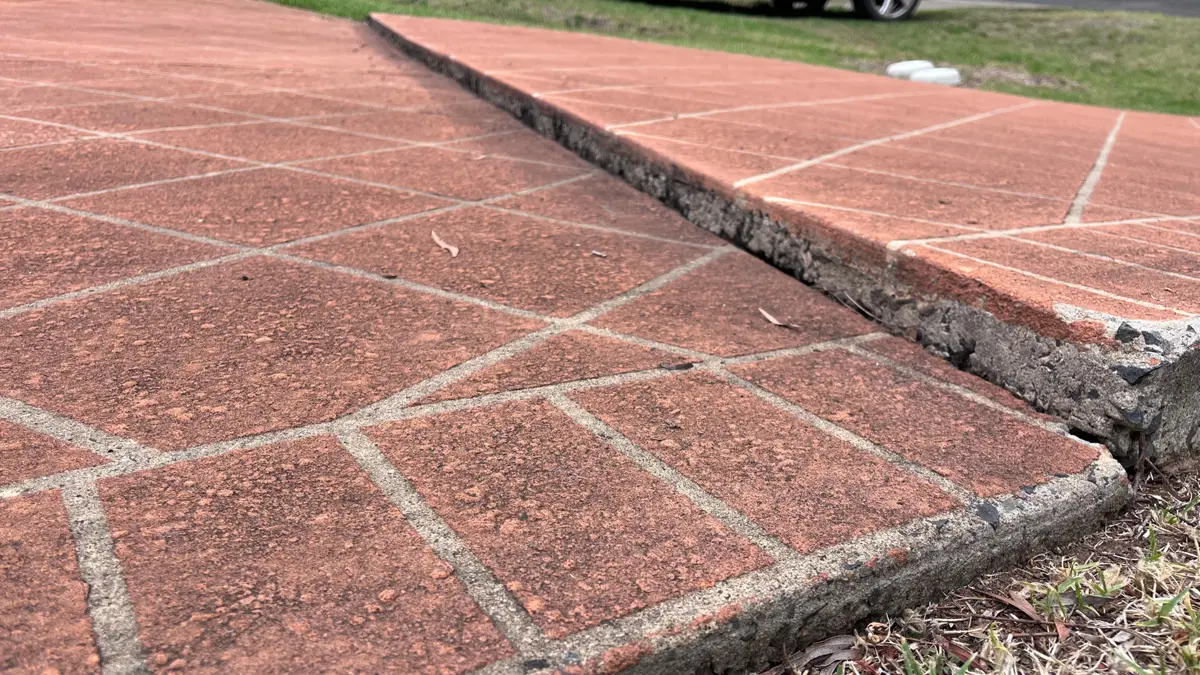
When the soil drops, the slab follows. A 20mm dip near the garage door, a corner that's pulled away from the path, a tripping edge where two slabs meet — these are the signs of a sunken concrete slab, and they almost always point to the ground beneath the slab, not the slab itself.
That distinction matters. If the concrete is intact — no major cracks running through it, no chunks broken off, no rust staining from corroded reinforcement — the slab is still doing its job. The fix is to put the ground back under it. Not to replace it.
What Concrete Relevelling Actually Is
Concrete relevelling — also called slab jacking — is the process of lifting a slab back to its target level by injecting expanding resin through small holes drilled into the slab itself. The resin spreads beneath the concrete, fills any voids, compacts loose soil, and lifts the slab gently from below.
The holes are coin-sized. The resin cures in about ten minutes. Most driveways are done in a day. There's no excavation, no concrete trucks, no rebar, no waiting weeks for curing. The driveway is drivable the same afternoon.
The technology behind it on a Buildfix job is GeoPoly™ resin injection — a polyurethane resin engineered to expand under pressure beneath a slab and harden into a stable structural fill. It does two jobs at once: lifts the slab to its target level, and stabilises the soil so it doesn't drop again.
Compare that to the alternative. Full replacement means breaking up the existing slab, hauling it out, excavating, recompacting the base, laying new reinforcement, pouring fresh concrete, and waiting 28 days for it to cure. Done well, it works. But the timeline and the cost reflect what's actually involved — and most of the time, none of it is necessary.
When Relevelling Is the Right Call — And When It Isn't
Concrete relevelling works when the slab itself is structurally sound. The slab can be cracked at the joints, sloped, or sunk by 100mm or more — none of that rules relevelling out. What matters is whether the slab can be lifted as a piece.
If the slab is shattered through the middle, has lost large sections, or the reinforcement has rusted to the point of failure, replacement is the right call. Relevelling lifts what's there. It doesn't manufacture concrete that's already gone.
The other check is the cause. If the void beneath the slab was caused by a leaking pipe or a broken stormwater drain, the leak gets fixed first. Otherwise the resin fills the void, the leak washes it out again, and the slab drops a second time. A free assessment finds the cause before anyone proposes a fix. That's what a proper inspection is for — it answers "what's actually wrong" before money gets spent on anything.
What a Day on Site Looks Like
A driveway relevel runs to a predictable pattern. A structural engineer measures the slab with a laser level and maps the dip — where it's sunk, by how many millimetres, and where the lifting points need to go. Small holes are drilled into the slab on a grid, usually every metre across the affected area.
Technicians inject GeoPoly™ resin through the holes. The resin spreads under the slab, finds the voids, and expands. The slab lifts visibly — not in a jolt, but smoothly, watched in real time on the laser so every millimetre is monitored. Once the readings show level, the injection stops. The holes get patched flush. The resin reaches 95% strength in ten minutes. By the end of the day the driveway looks like nothing happened — except it's level again.
Every Buildfix concrete relevel is backed by a 20-year product and workmanship warranty. If the slab drops again, so do we.
When to Get It Checked
If your driveway has dropped at one end, has a noticeable lip at a joint, or pools water where it didn't used to — that's the assessment to book. A 30-minute visit, laser readings taken on the slab, and a clear answer on whether it's a relevel job or a replace job. It's free, and you'll know exactly what's happening beneath the concrete.
For nearly 15 years Buildfix has lifted concrete on more than 15,000 homes and structures — driveways, garages, patios, paths, factory floors, council walkways. Most of them never needed replacing. They just needed the ground put back under them.
Call 1300 854 115 or book a free on-site assessment. Takes 30–60 minutes. Your slab is mapped, the cause identified, and you'll have a fixed-price quote on the spot.
Share this article
Related Articles
What Are the Alternatives to Replacing Floor Piers?
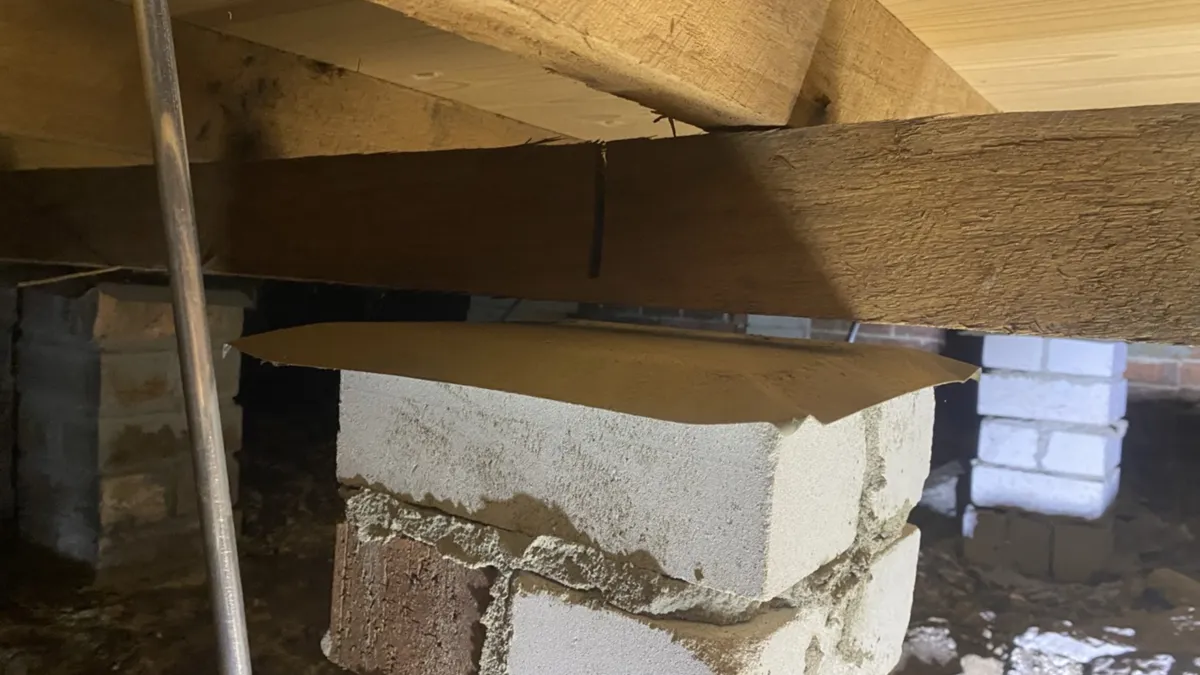
If you've been quoted to have your floor piers replaced, it's worth pausing before that quote is signed. Most floor piers don't need replacing — they need re-supporting.
Read More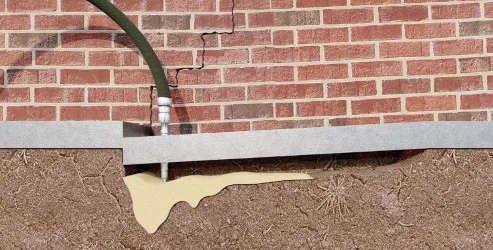
When Does a Concrete Driveway Need Replacing?
Your concrete driveway takes a battering on a daily basis. You drive your vehicle over it.
Read More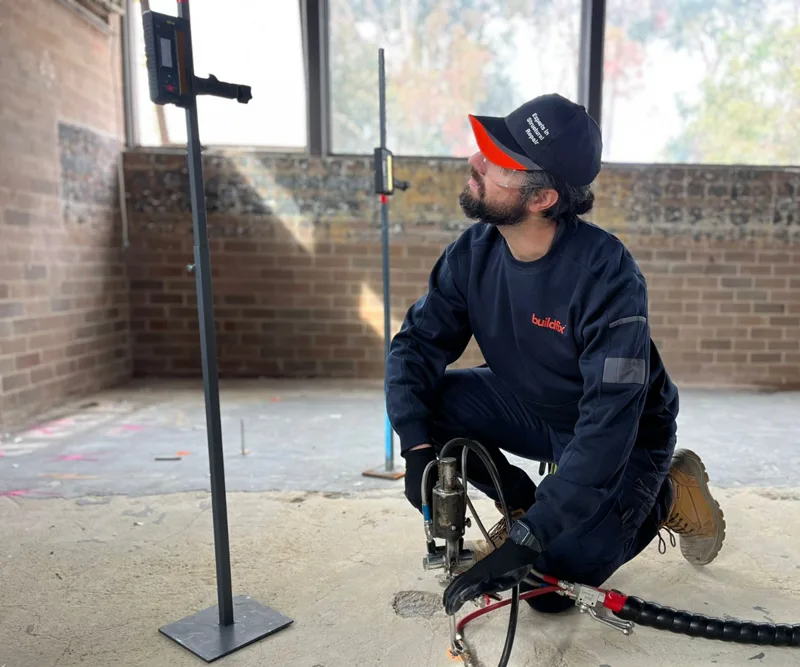
How to Fix Sloping Concrete Floors in Your House
If your concrete floor has started to slope to one side, or sunk visibly in one area, the slab itself is almost never the problem. The ground beneath it has dropped.
Read More
Need expert advice on your home?
Our team of engineers and technicians are ready to help.
Book a free structural assessment today.