
Case Study
Wall Cracks Traced to a Hidden Void
Case Study
Wall Cracks Traced to a Hidden Void
Cracks on every wall, no answers from anyone — and one directly above a child’s bed
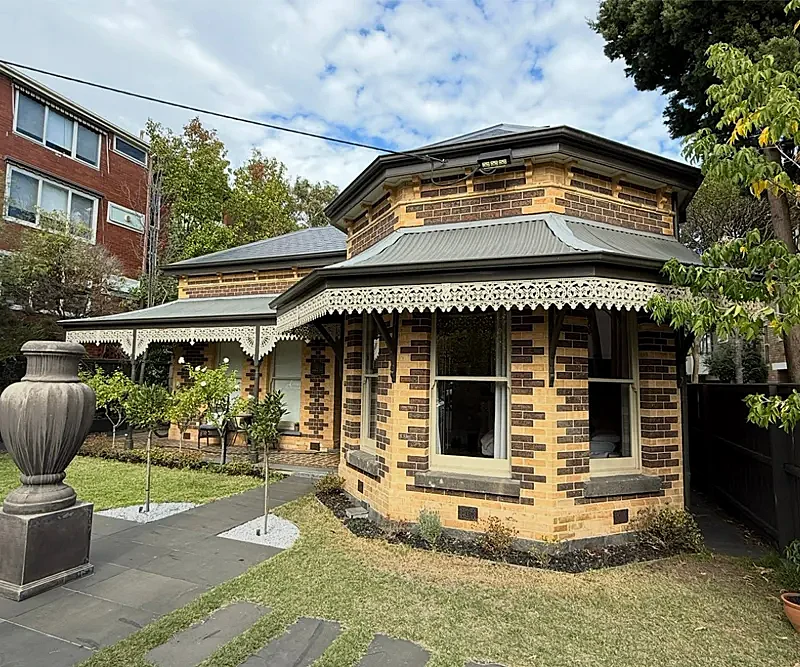
When this homeowner purchased their 1880s double-brick Victorian home in Windsor three years ago, they noticed a few hairline cracks. Nothing alarming — just the kind of thing you expect in a 140-year-old house that’s been through significant renovations over the past decade.
But in recent months, everything changed. Cracks started appearing on almost every wall. Some were small. Others were getting wider by the week. The most concerning one ran directly above their child’s bed in the main bedroom — and it was growing.
The homeowner called in building experts. Every one of them said the same thing: seasonal movement. Normal for an old house. Nothing to worry about. But the homeowner wasn’t convinced. When the archway in the hallway — right in the centre of the house — started cracking, they knew this wasn’t seasonal. Something structural was happening, and nobody could tell them what.
Frustrated and increasingly alarmed, they contacted Buildfix with a simple request: “We have a Victorian-era home in Windsor, Melbourne which is experiencing multiple internal cracks, and some external cracks, that we would like investigated please.”
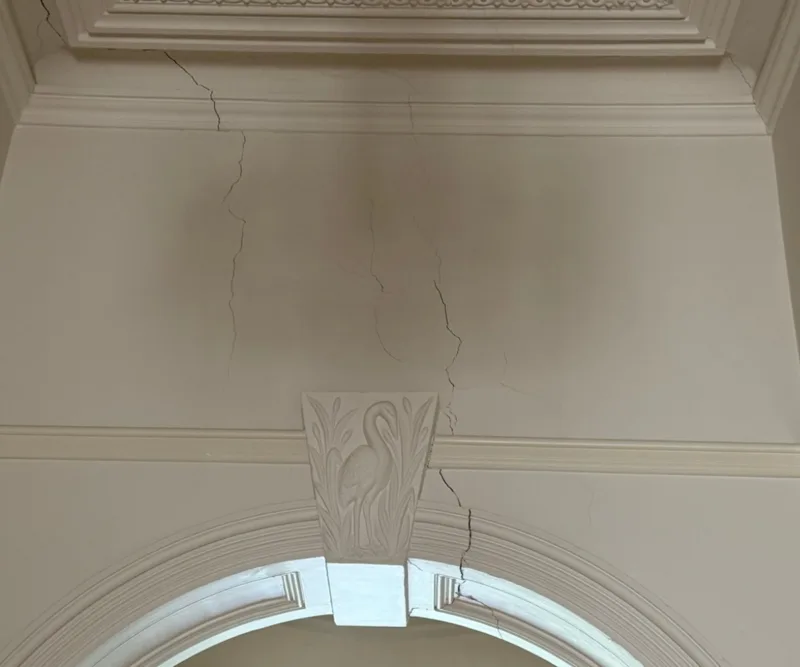
A hidden void beneath the bedroom — caused by decades of driveway runoff from neighbouring apartments
When our engineer assessed the property, the first thing that stood out wasn’t inside the house — it was outside. On either side of this Victorian home stood four-storey apartment blocks, both built roughly 50 years ago. That’s a long time for two large buildings to influence the ground around a much older, lighter structure.
The inspection uncovered two separate issues. The first was straightforward: seasonal clay movement was contributing to minor cracking in parts of the building. The other experts had been half right about that. But it didn’t explain the severe cracks — especially in the bedroom and the hallway arch.
The answer was on the other side of the bedroom wall. A shared driveway serving one of the apartment blocks ran directly alongside the house. For years, rainwater runoff from that driveway had been seeping beneath the home’s central support wall. Slowly, quietly, it had washed out the soil and created a hidden void under the bedroom. The ground had been weakening for years — and at some point, it simply couldn’t hold any longer.
By the time we arrived, the situation was becoming urgent. The external cavity wall had started to bow outward. The 140-year-old brickwork — held together with original lime mortar — was losing its grip. Inside, chunks of plaster were falling off the walls. This needed fixing soon.
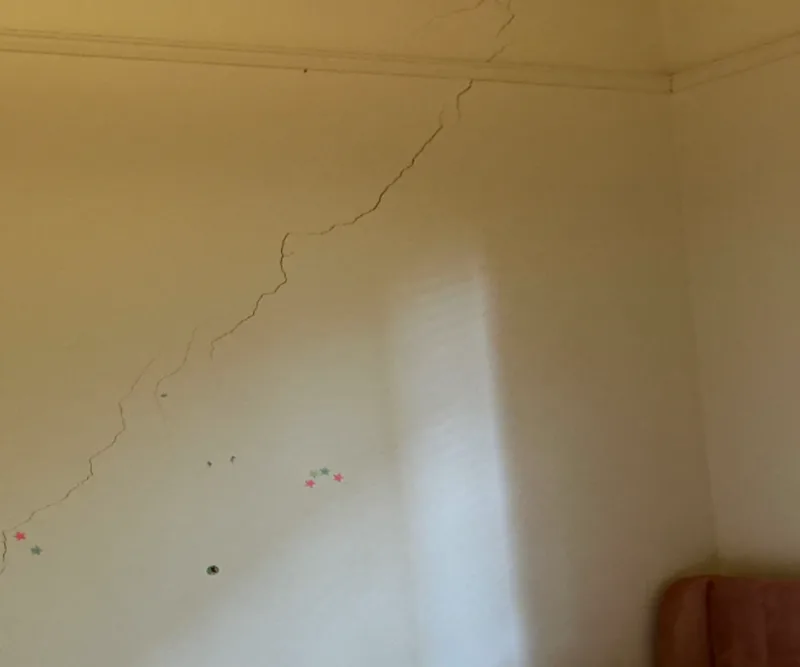
GeoPoly™ to fill the void, HelicalBar™ masonry beams to reconnect the walls — floor to ceiling
The work started beneath the house. Using GeoPoly™ resin injection, the void that the driveway runoff had created under the bedroom walls was filled. This gave us a firm, stable foundation to work from — without excavation or digging up the driveway next door.
But the real challenge was above ground. The external wall had bowed, the internal arch was cracking, and the brickwork between the bedroom and the hallway had effectively disconnected. To fix that without tearing walls down and rebuilding them, we needed to tie everything back together structurally.
HelicalBar™ bars were installed in continuous horizontal runs the full length of the bedroom wall, connecting the outer wall to the internal wall that supports the hallway arch. These stainless steel bars were bonded into the mortar joints every six courses — from floor to ceiling — creating a series of reinforced masonry beams within the existing brickwork. Once locked in, the bars and the brickwork work together as one system, pulling the bowed wall back into line and giving the structure strength it hasn’t had in years.
Outside, we pinned the cavity wall with HelicalBar™ T316 helical ties — adding support across the cavity to stop any further outward movement.
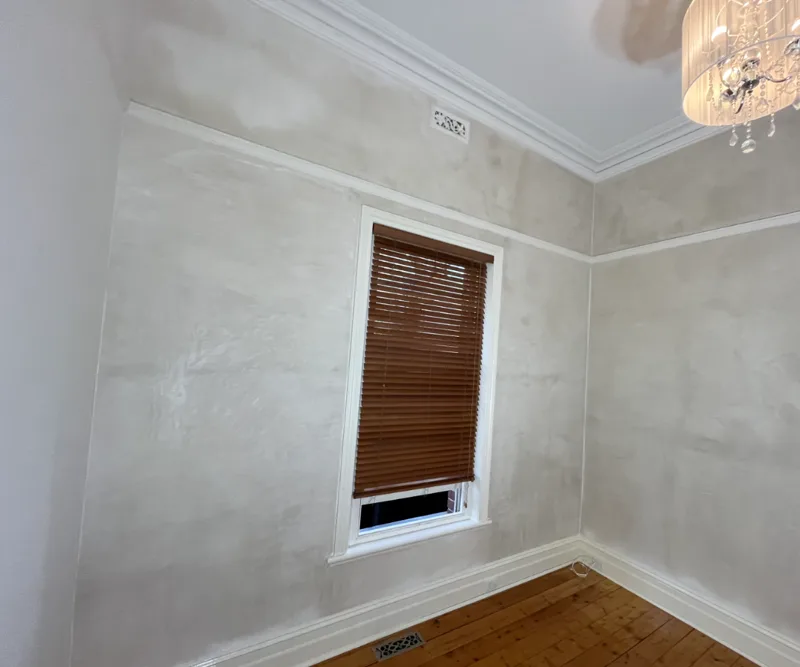
Inside, the old plaster had come loose in several areas from the years of movement. The damaged sections were patched, then the walls finished with a gypsum plaster skim coat — the right choice for older homes where modern cement render would be too rigid and crack again. The walls were left smooth and paint-ready.
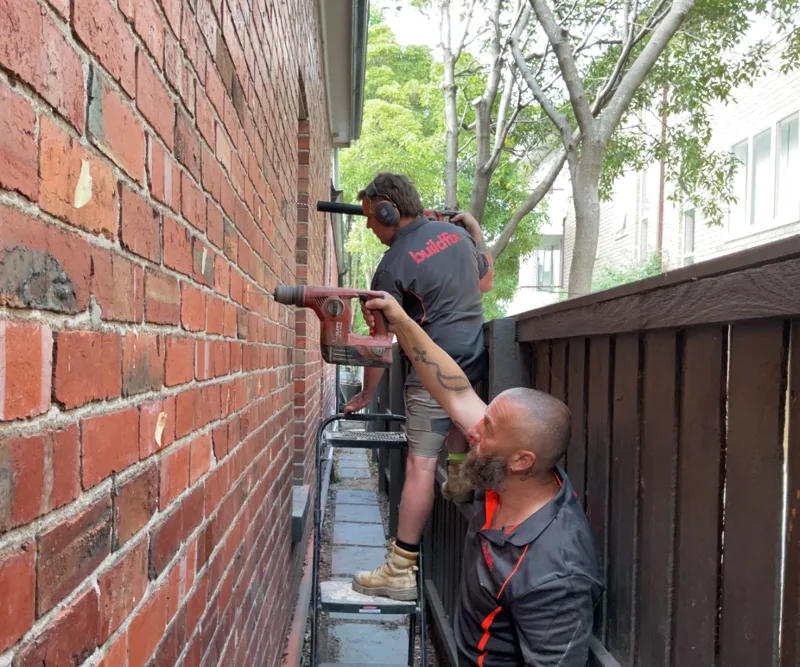
Every crack fixed, every wall reconnected — without turning the home into a building site
This job took longer than our typical wall crack repair — the scope was larger and the damage more widespread than most homes we see. But compared to the alternative the homeowner was facing — months of partial demolition, rebuilding walls from scratch, and their family living in a construction zone — the difference was night and day.
The void beneath the bedroom is gone. The bowed wall is straight. The hallway arch is stable. And every cracked wall in the house — from the bedroom above their child’s bed to the living room — has been structurally reconnected with HelicalBar™ reinforcement.
Most importantly, the homeowner finally has an answer. After years of being told ‘it’s just seasonal movement’ by experts who couldn’t find the real cause, they now know exactly what happened, why it happened, and that it’s been properly fixed — not patched over.
Every Buildfix repair is backed by a 20-year structural warranty. Seeing wall cracks spreading through your home? A free assessment finds the cause and explains what wall crack repair can do — before another year of watching them grow.
Share this case study
Related Articles
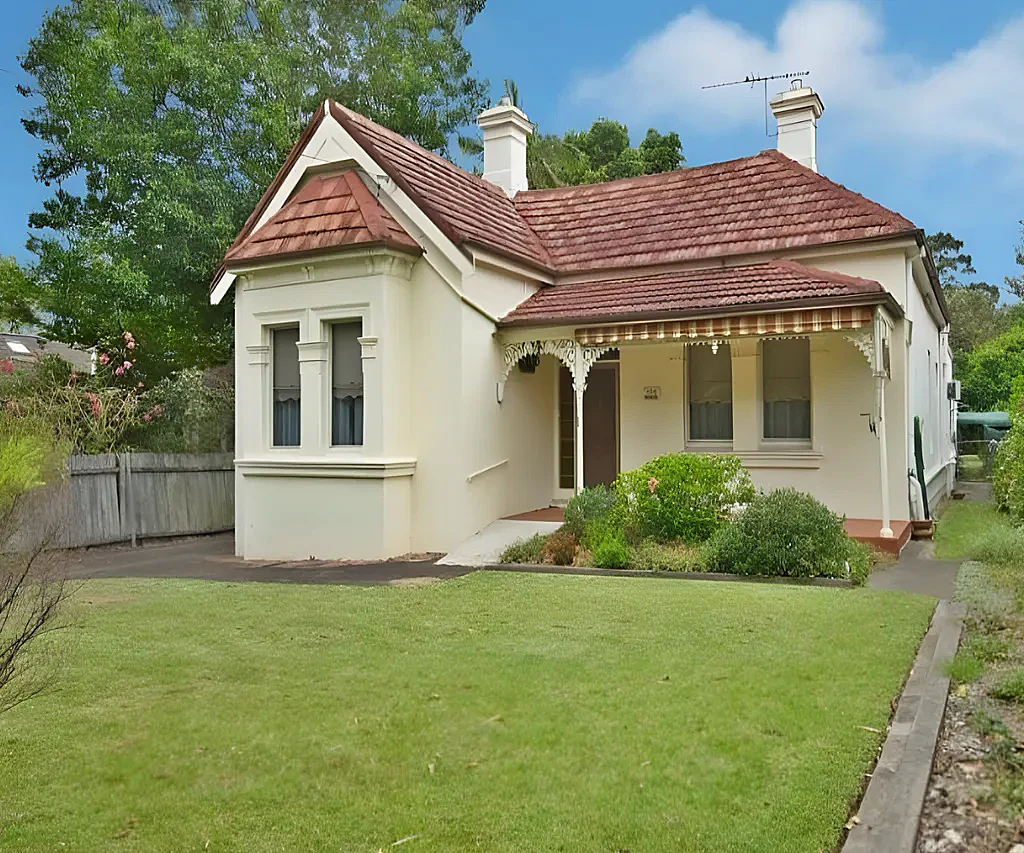
Heritage Home Repaired Twice, Same Team
When new cracks appeared in this 150-year-old Strathfield home, the owner didn’t hesitate — they called Buildfix again. Buildfix had already fixed the front of the house years earlier. This time, the team tackled the rear.
Read More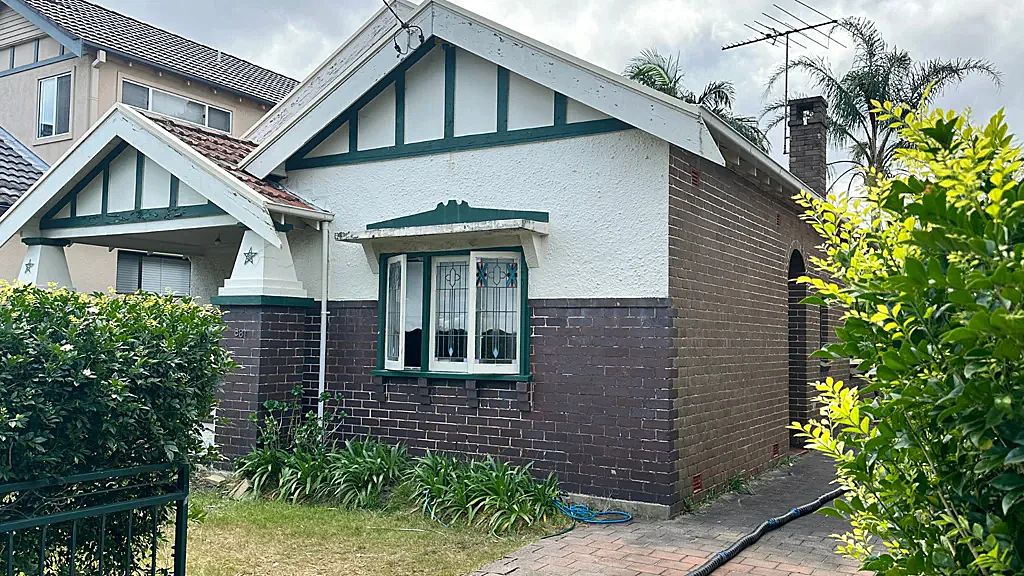
Hidden Downpipe Behind 10 Years of Cracks
A neighbour’s redirected downpipe quietly washed out the soil beneath this Randwick home for over a decade. Buildfix found the cause, stabilised the ground, and reconnected the cracked walls — no demolition required.
Read More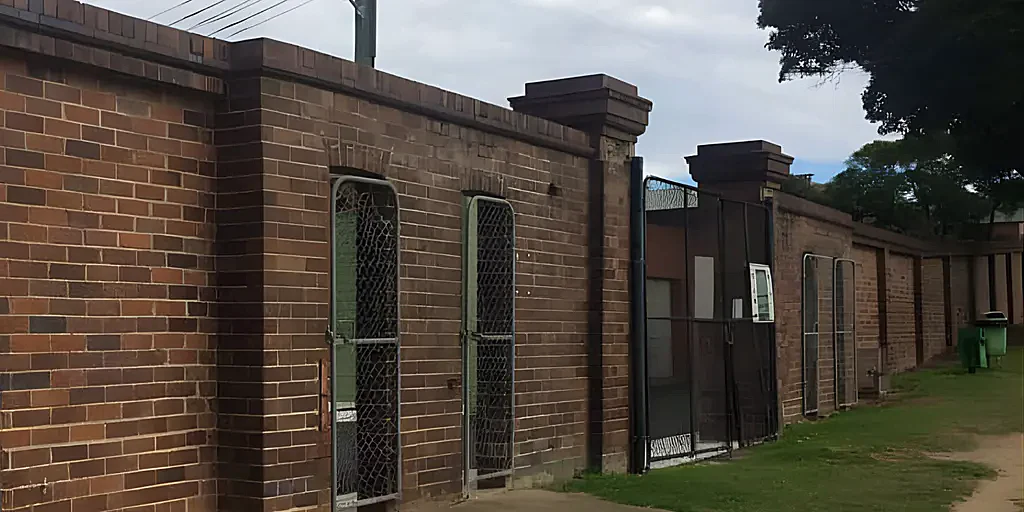
Heritage Fairground Wall Rescued
An 80-year-old heritage brick wall at a fairground and cricket ground, damaged by decades of impacts and tree root shifts. Buildfix replaced corroded steel, reinforced the cracks, and stabilised the ground — saving the council over $30,000.
Read More
Seeing something similar at your property?
Our team of engineers and technicians are ready to help.
Book a free structural assessment today.