
Case Study
Heritage Fairground Wall Rescued
Case Study
Heritage Fairground Wall Rescued
An 80-year-old heritage wall deemed unsafe by Inner West Council
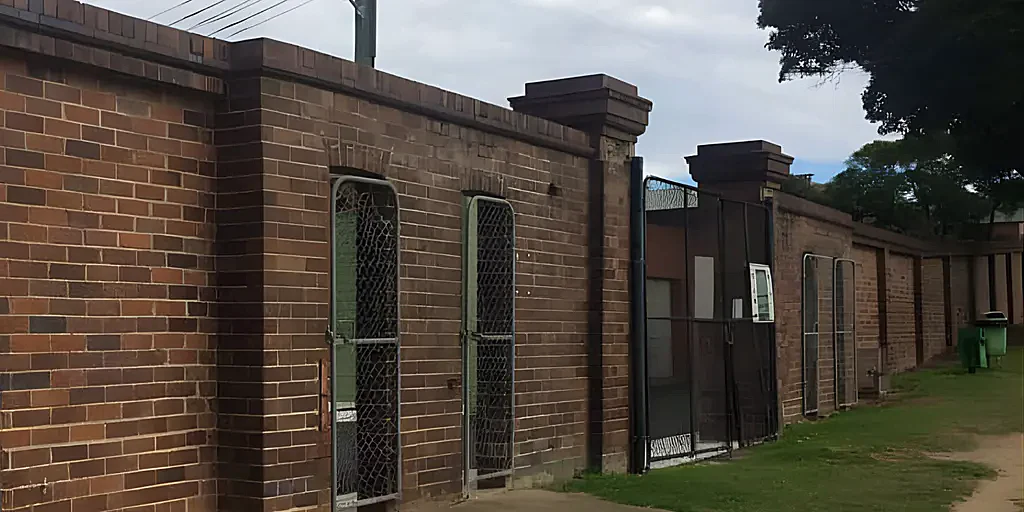
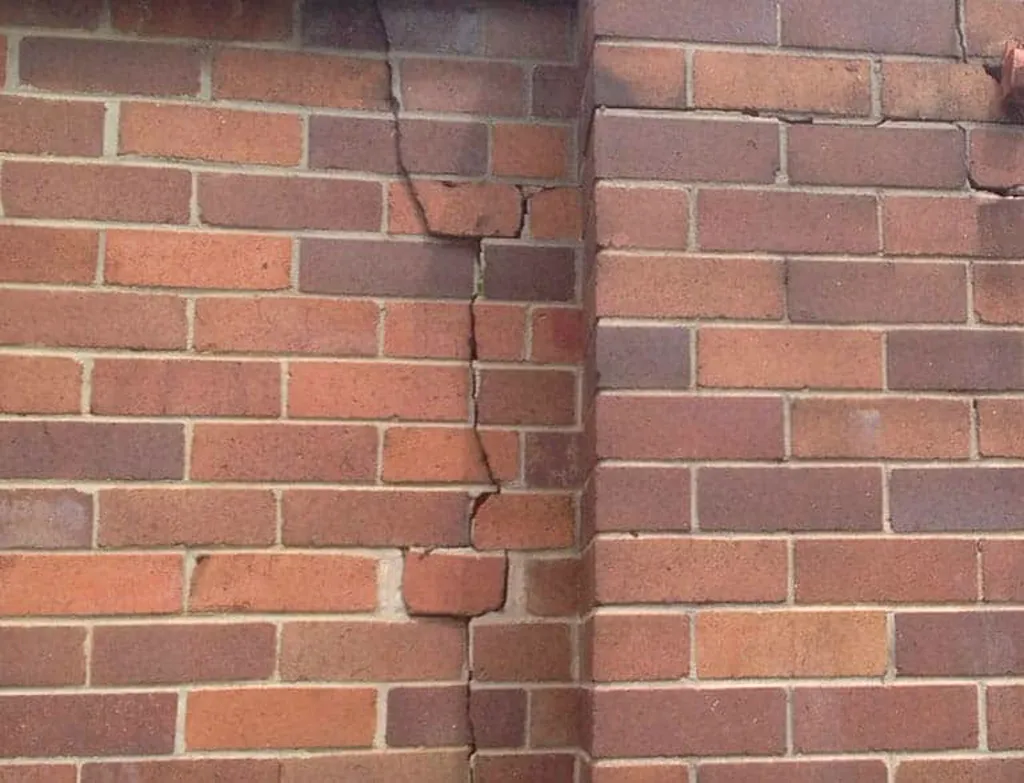
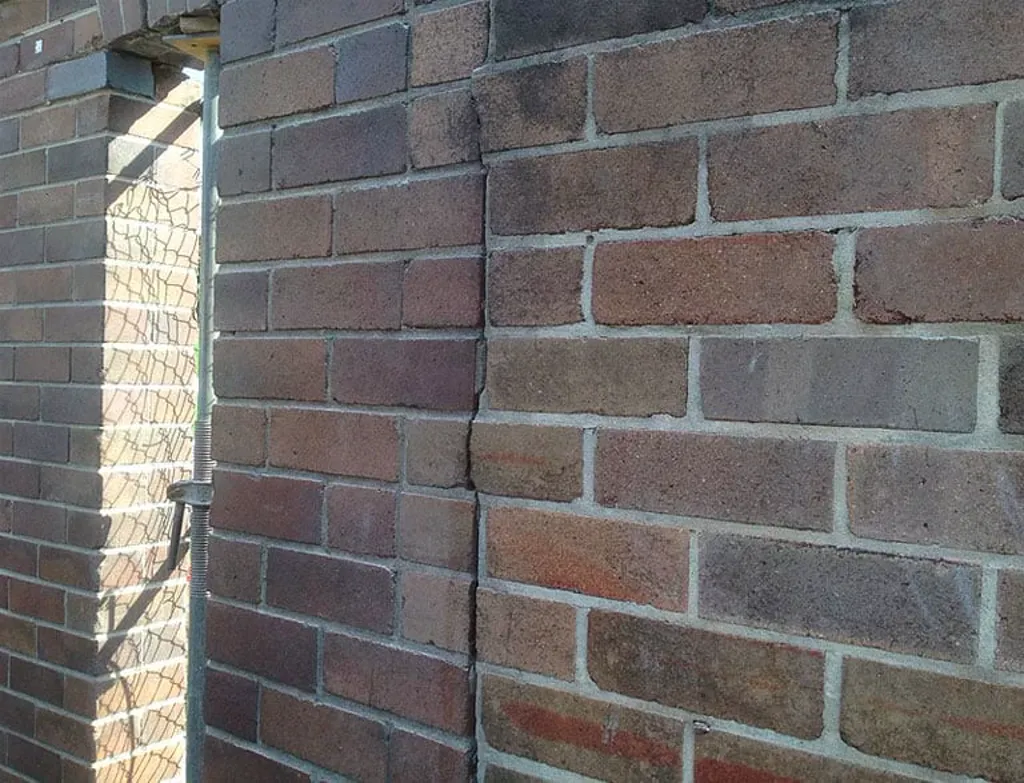
Erected more than 80 years ago, this heritage wall was the original turnstile entry to a fairground that later became a cricket ground. Decades of vehicle impacts, cricket ball strikes, and weathering had left the wall full of cracks. Inner West Council deemed it unsafe.
Inner West Council needed a fix that preserved the wall — not one that required knocking it down and rebuilding. The wall held local heritage significance, and the façade had to remain intact.
Corroded steel reinforcements were making the wall worse, not better
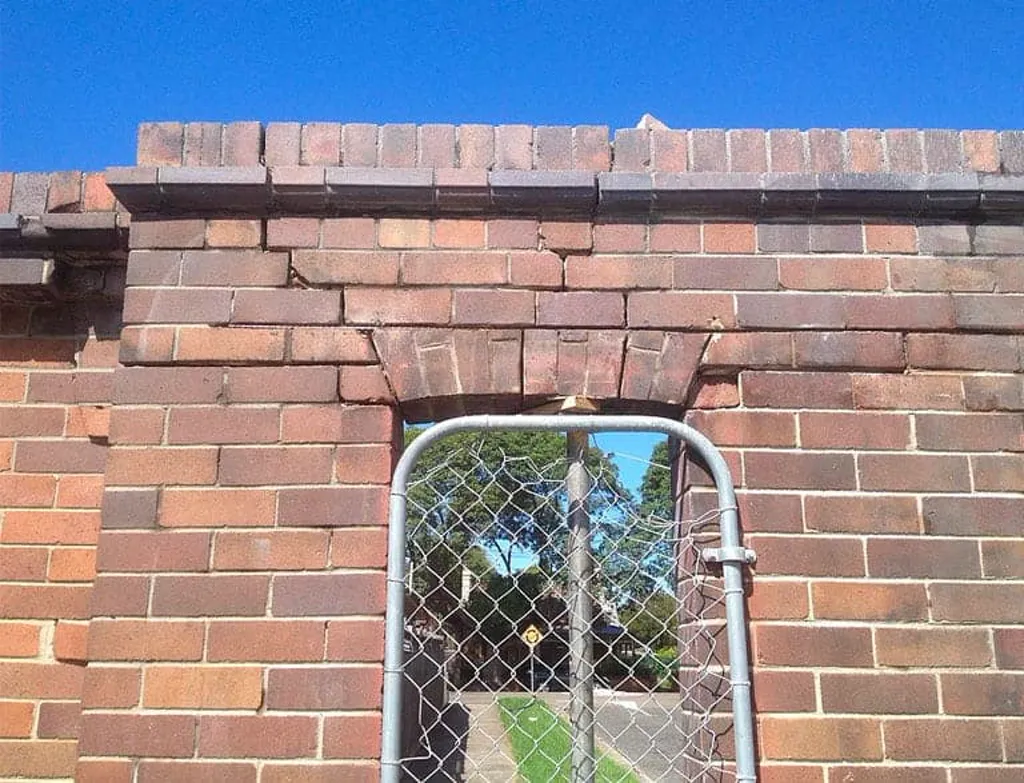
Beyond the visible crack damage, the structural assessment revealed a deeper problem. Steel reinforcements had been added years earlier in an attempt to stabilise the wall. Over time, the steel corroded and expanded inside the masonry — lifting and distorting the brickwork from the inside out. The fix was accelerating the damage.
Tree roots from mature trees nearby had also shifted the foundation, opening cracks through the heritage brickwork. The wall needed stabilising from the ground up — without disturbing the trees or the heritage façade.
Corroded steel removed, cracks reinforced, ground stabilised
The corroded steel reinforcements were removed first — they were doing more harm than good. HelicalBar™ stainless steel masonry reinforcement bars replaced them, bonded into the mortar joints to reconnect the cracked sections permanently.
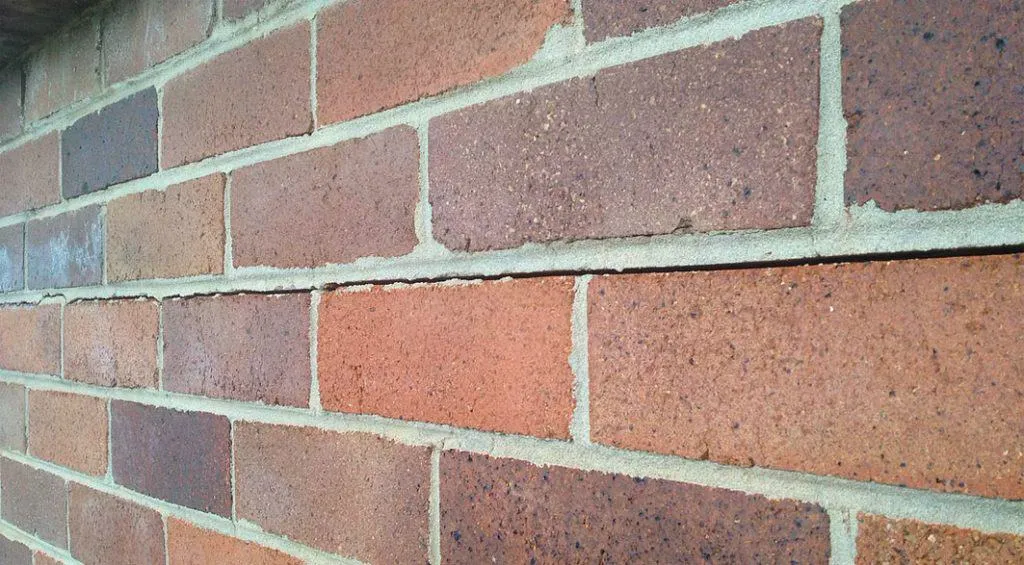
Large sections of the wall were completely repointed — decades-old cement and lime mortar raked out and replaced with fresh mortar matched to the heritage profile. GeoPoly™ resin was injected into the ground beneath the wall to stabilise the foundation where tree roots had caused movement.
Over $30,000 saved and a heritage wall preserved
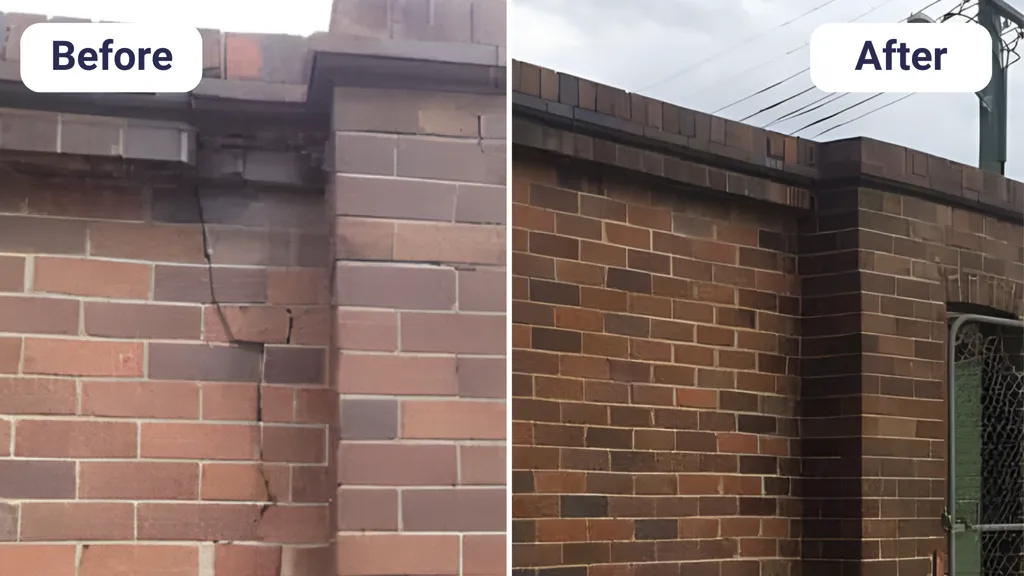
The repair saved Inner West Council over $30,000 compared to knocking the wall down and rebuilding it. The heritage façade remains intact — the wall looks exactly as it has for 80 years, minus the cracks.
The mature trees that caused the root damage were left in place. Their roots had fully grown — no further movement expected. The wall stands firm and is no longer at risk. Dealing with structural wall cracks? A free assessment explains the cause and what crack stitching can do.
Share this case study
Related Articles
Heritage Home Repaired Twice, Same Team
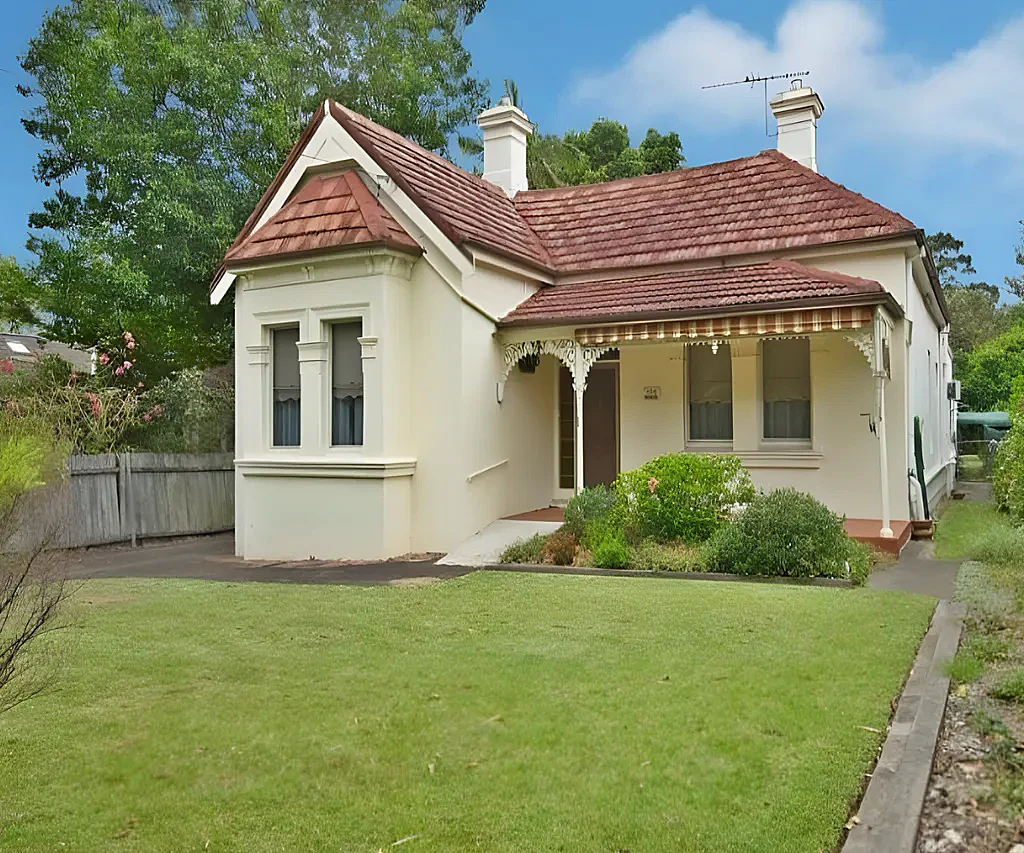
When new cracks appeared in this 150-year-old Strathfield home, the owner didn’t hesitate — they called Buildfix again. Buildfix had already fixed the front of the house years earlier. This time, the team tackled the rear.
Read More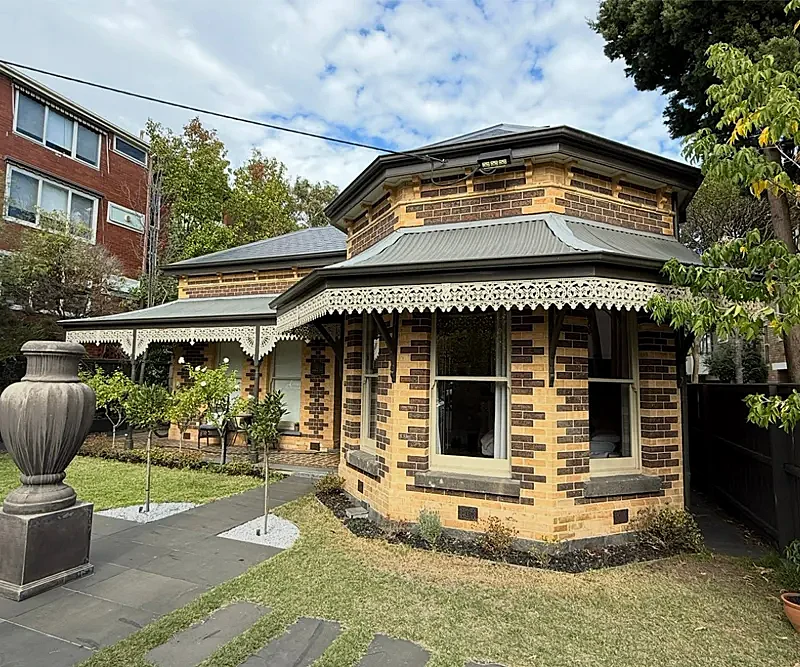
Wall Cracks Traced to a Hidden Void
Every expert said “seasonal movement.” But the cracks kept spreading — including right above a child’s bed. Buildfix found the real cause: years of driveway runoff had quietly washed out the ground beneath the walls.
Read More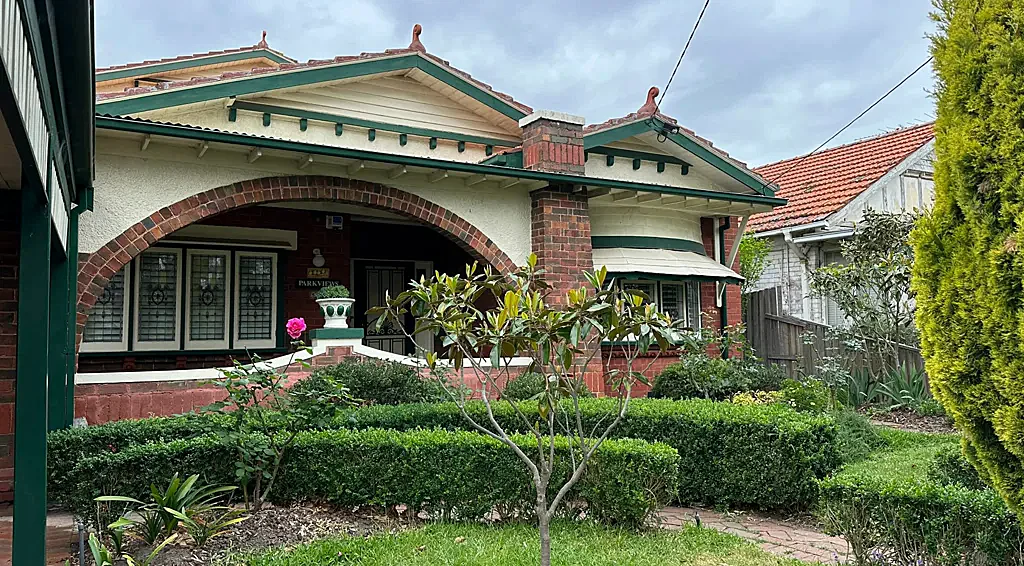
Bungalow Repaired After 2021 Earthquake
After the 2021 Melbourne earthquake left an 80-year-old California Bungalow with cracked arches and shifting foundations, Buildfix repaired the damage in just three days — without removing a single brick.
Read More
Seeing something similar at your property?
Our team of engineers and technicians are ready to help.
Book a free structural assessment today.