
Case Study
Crumbling Bricks No Bricklayer Could Fix
Case Study
Crumbling Bricks No Bricklayer Could Fix
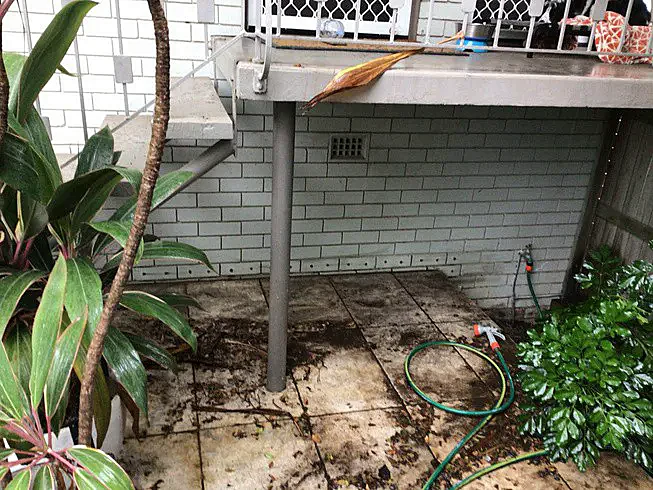
Bricks crumbling away and no bricklayer would commit to replacing them
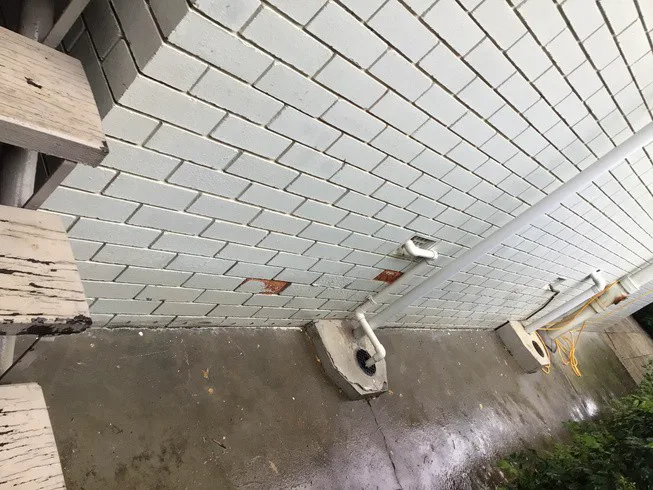
The owners’ committee at this Ashgrove unit complex had a problem that was getting worse by the month. Bricks on the northern and western faces of the building were crumbling — not cracking, crumbling. Entire sections of brickwork were eroding away, and the damage was accelerating.
The committee had spent months trying to find a bricklayer to replace the affected bricks. Nobody would commit — and with good reason.
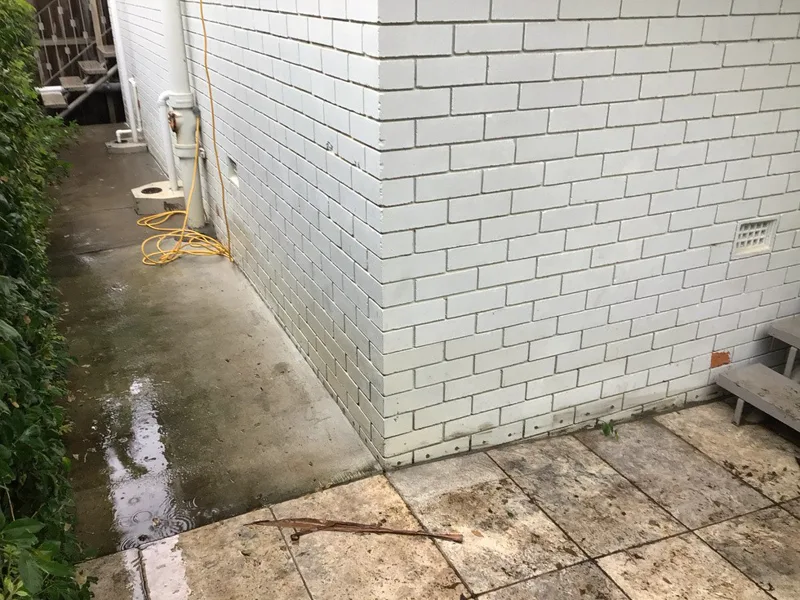
Replacing crumbling bricks in a wall that’s still wet is like changing tyres on a car that’s still moving
New bricks won’t survive in masonry that’s saturated with moisture and salt.
The building is a two-storey brick walk-up — common across Ashgrove’s older residential streets — with a lower-ground level built into the slope. The northern and western faces cop the worst of Brisbane’s weather — afternoon sun and driving rain in summer, then long dry stretches that pull moisture from the brickwork through evaporation.
That cycle forces dissolved salts to crystallise inside the brick face, not just in the mortar. Over time, the salt crystals expand and shatter the brick from within. This is salt attack — and it doesn’t stop until the moisture source is removed.
Built before modern damp-proofing standards, the original damp-proof course had either failed or was never installed. Moisture from the ground was wicking upward through the masonry and feeding the salt cycle that was destroying the brickwork.
No bricklayer could fix this — because the bricks weren’t the problem. The moisture was.
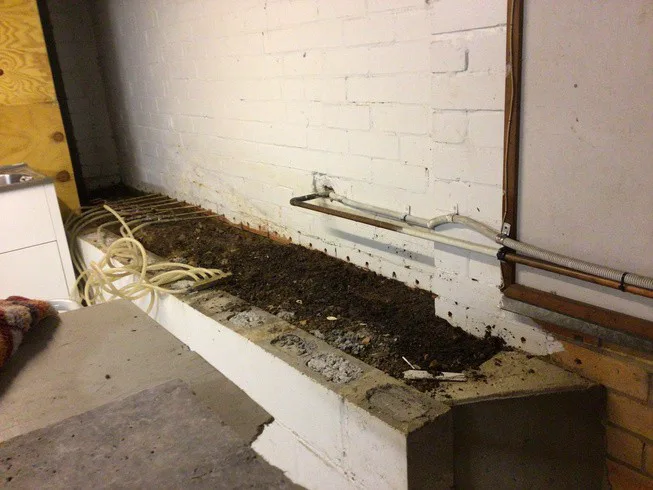
Before any brickwork could be addressed, the moisture source had to be cut off
Small holes were drilled at close intervals along the base of each affected wall. DampBlock™ — a silicone-based cream — was injected into the mortar course. The cream spreads through the surrounding masonry by capillary action and cures to form a continuous waterproof barrier within the wall, creating a new damp-proof course without excavation or membrane installation.
With the moisture source cut off, the salt cycle that had been destroying the brickwork was broken. The bricks that had been crumbling were no longer being attacked from within. Once the walls had dried, the worst-affected bricks could finally be replaced — this time into masonry that was dry and stable enough to hold them.
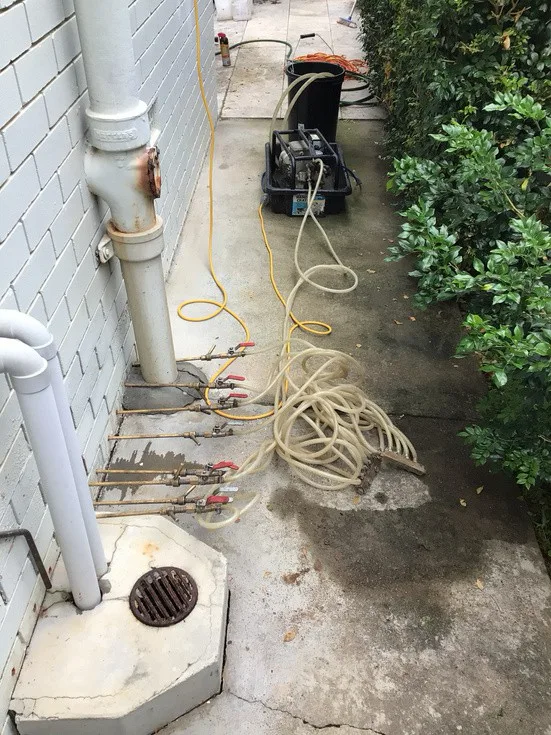
Completed in a single day — the salt cycle that destroyed the brickwork is broken
The DampBlock™ treatment was completed in a single day.
The committee had spent months looking for a bricklayer to solve a problem no bricklayer could fix. The bricks were a symptom. The moisture was the cause. With the new DPC in place, the conditions that destroyed the brickwork no longer exist — and any replacement bricks now sit in a wall that won’t eat them alive.
Every DampBlock™ treatment is backed by a 20-year warranty. Seeing bricks crumbling at the base of your walls? It could be salt attack from rising damp. A free assessment tells you for sure.
Share this case study
Related Articles
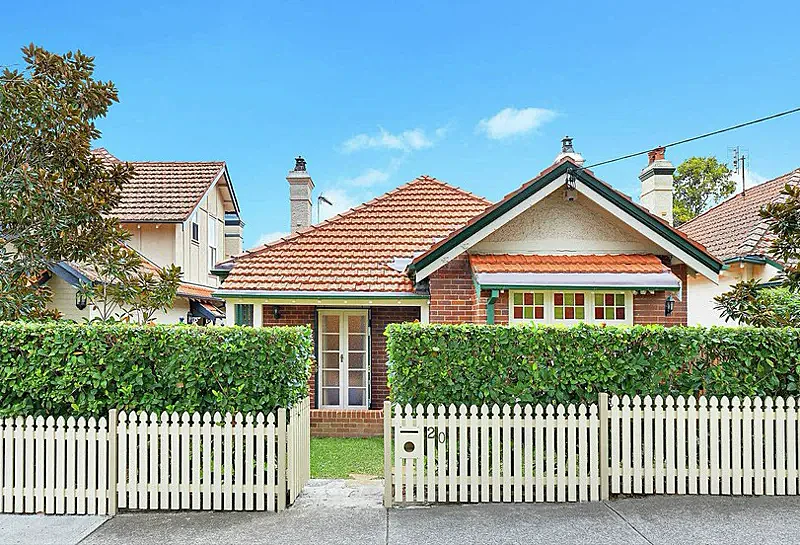
Fresh Tuckpointing Fell Out in Months
Spent money on tuckpointing only to watch the mortar fail again? That’s usually a sign the wall is wet from within — and no amount of repointing will fix it. Book a free damp assessment and find out what’s really going on.
Read More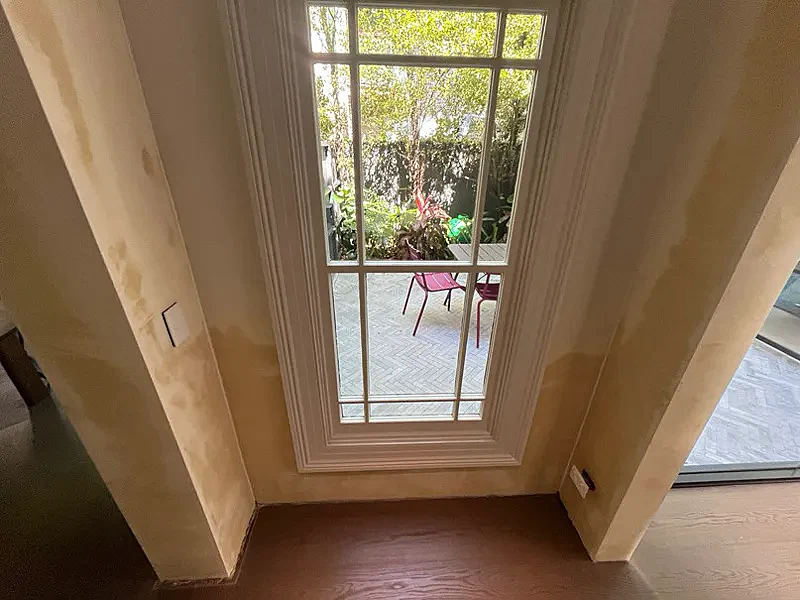
Terrace Walls Dried Out Without a Trench
Own a terrace in the inner west? Rising damp is one of the most common problems in homes of this age — and excavation is rarely an option. Book a free damp assessment and find out what’s happening inside your walls.
Read More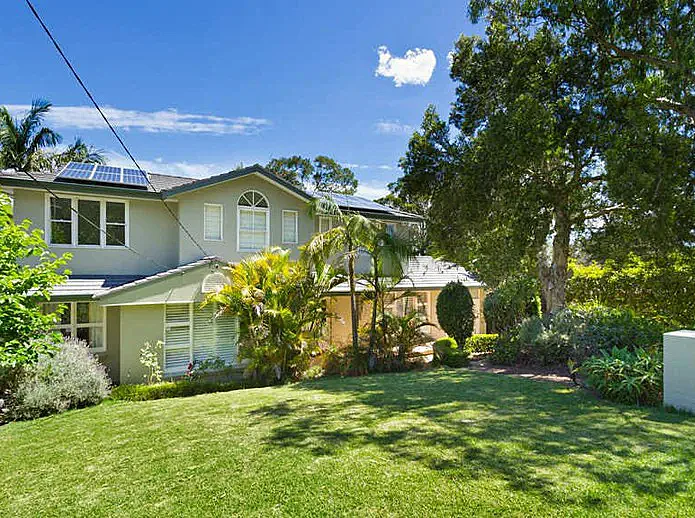
Damp Attacking From Both Sides
Damp damage showing on both internal and external walls? That means moisture has saturated the full wall — and neither repainting nor re-rendering will stop it. Book a free damp assessment.
Read More
Seeing something similar at your property?
Our team of engineers and technicians are ready to help.
Book a free structural assessment today.