
Case Study
Heritage Home Repaired Twice, Same Team
Case Study
Heritage Home Repaired Twice, Same Team
A returning client — because the first repair held up perfectly
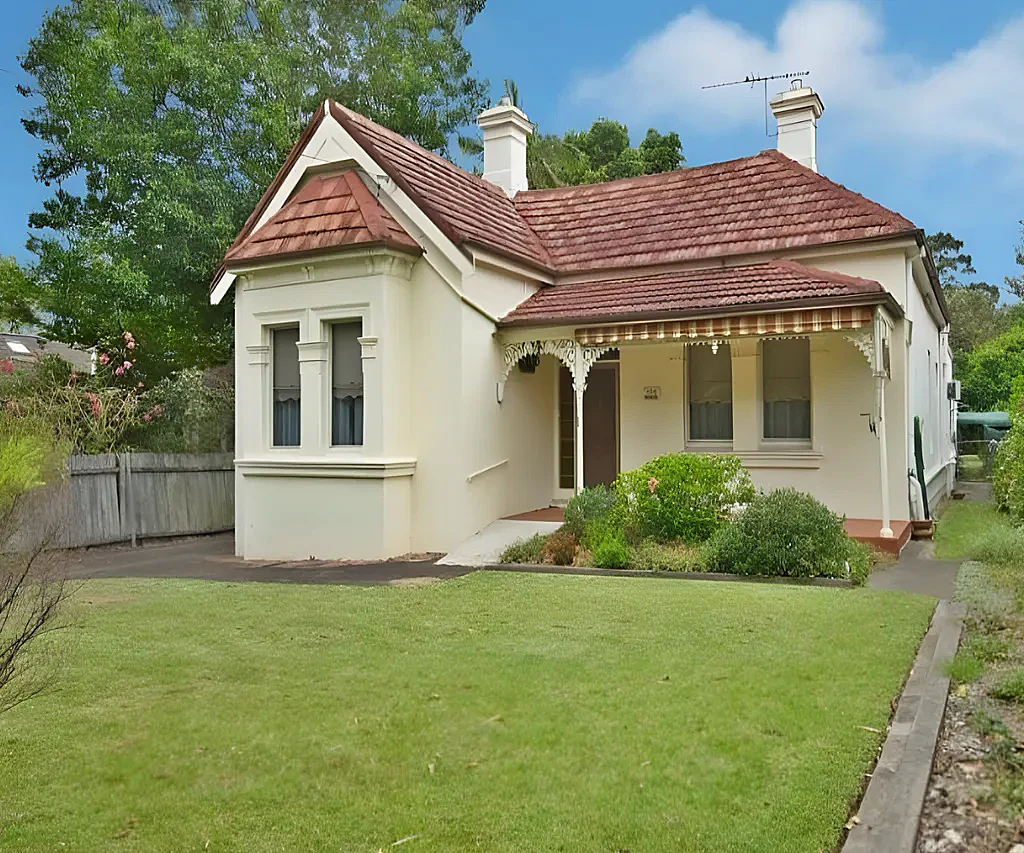
Back in 2017, this homeowner called Buildfix about severe wall cracks at the front of their 150-year-old double-brick home in Strathfield. Buildfix repaired the cracks, reinforced the brickwork, and stabilised the foundation. The fix held. No movement. No cracks coming back.
Years later, a different section of the house started showing problems. The rear walls — where an old extension meets the original structure — were cracking and shifting. The homeowner didn’t shop around this time. They called Buildfix directly, because the first job had given them confidence the second would be just as permanent.
That kind of repeat trust doesn’t happen by accident. It’s earned.

Reactive clay soil that never stops moving — and a 150-year-old structure built on top of it
The soil beneath this property is highly reactive clay — common across Sydney’s Inner West. In simple terms, the clay swells when it gets wet and shrinks when it dries out. The ground is constantly expanding and contracting with the seasons, and the house moves with it. Over 150 years, that adds up.
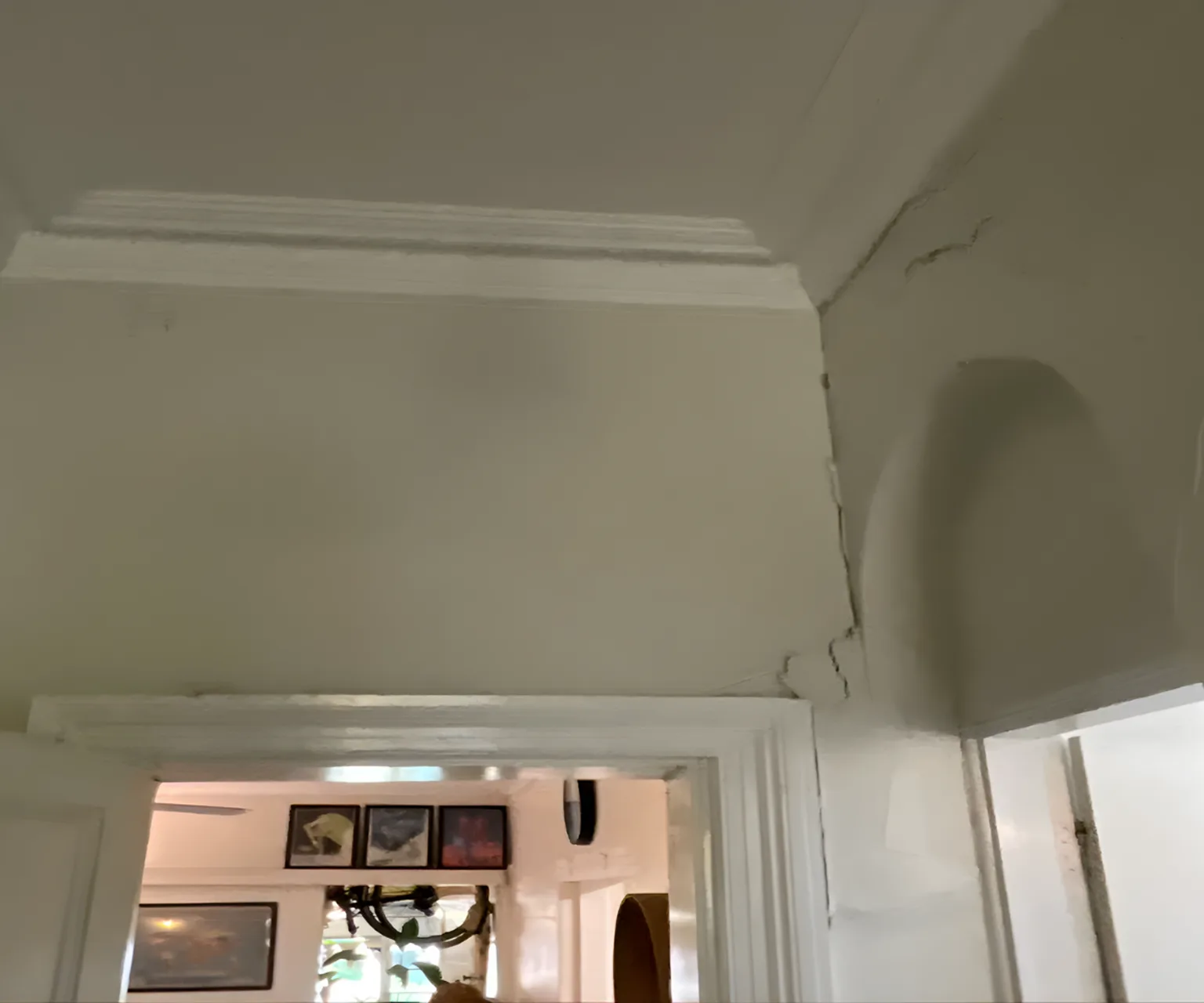
The junction between the original structure and the rear extension was taking the worst of it. When two sections of a building are built at different times, on different footings, they respond to ground movement differently — one shifts while the other stays put. That mismatch concentrates stress at the join, and that’s exactly where the cracks had formed.
The difficulty here was that this wasn’t a one-off event like an earthquake or a burst pipe. The reactive clay would keep moving — wet season, dry season, year after year. So the solution couldn’t just fix today’s cracks. It had to let the building handle future movement without cracking again.
HelicalBar™ crack repair, GeoPoly™ stabilisation, and control joints to manage ongoing clay movement
The work started with the foundation. Using GeoPoly™ injection, voids beneath the rear of the property were filled and the weakened soil under the affected footings firmed up. This was particularly important given the limited access at the rear — GeoPoly™ only needs small injection points, so we could reach the problem areas without excavation or disrupting the garden.
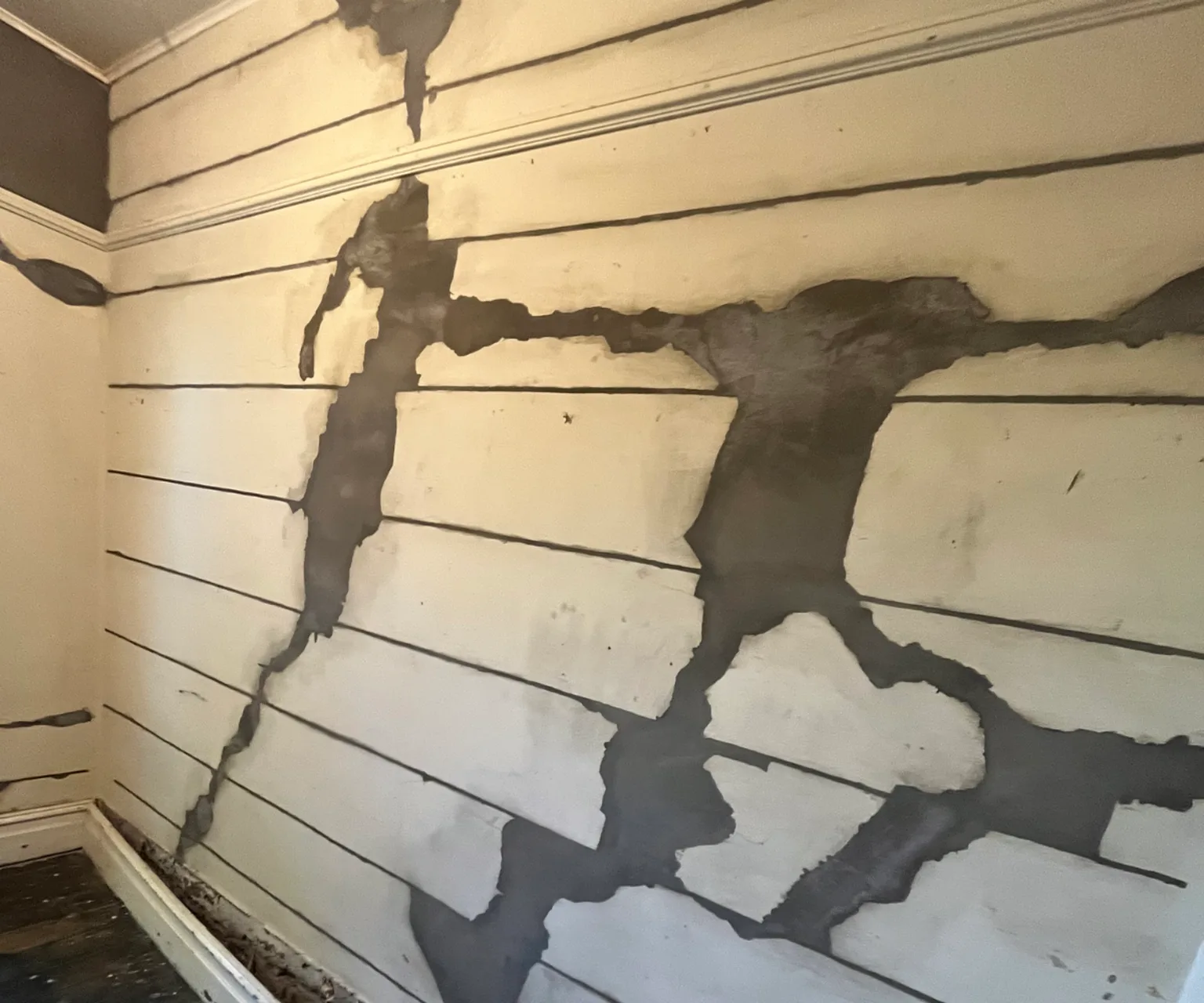
Next, the wall cracks. HelicalBar™ bars — stainless steel reinforcement bonded directly into the mortar joints — were installed across the cracked sections of the double-brick walls. The HelicalBars™ reconnected the separated brickwork and distributed loads evenly across the wall, so the structure started working as one piece again instead of pulling apart at the cracks.
But here’s what made this job different from a straightforward crack repair. Because the reactive clay will keep moving, we also installed control joints at strategic points in the brickwork. Think of them like expansion joints on a bridge — they give the building room to flex with the soil movement, so the stress gets absorbed at the joints instead of cracking the walls. Without them, we’d be back in five years fixing new cracks in the same area.
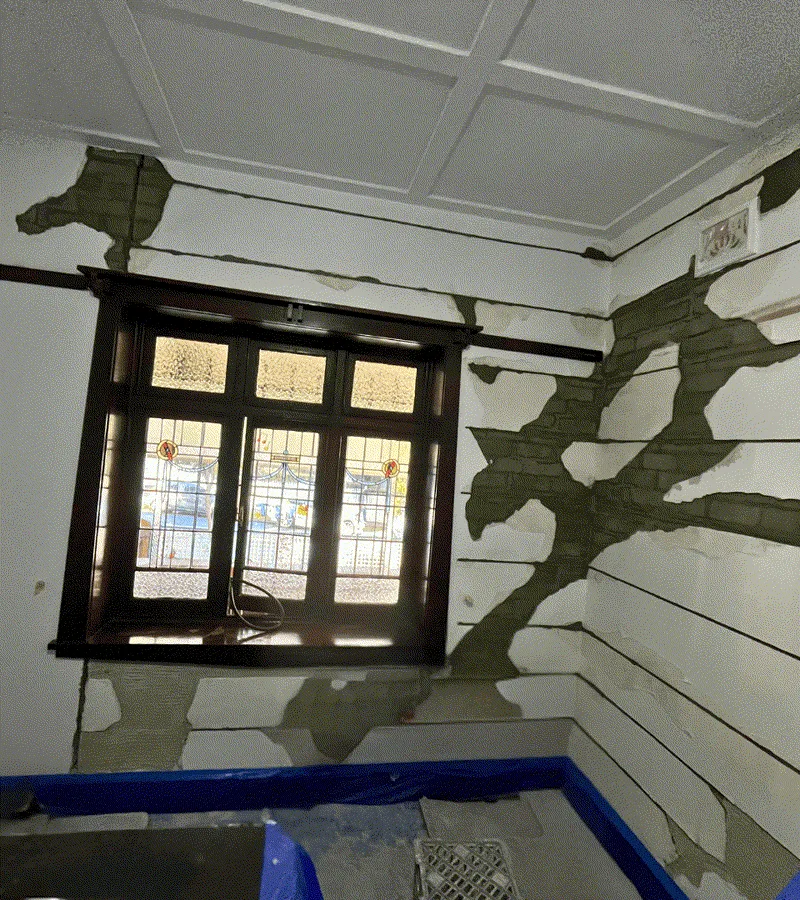
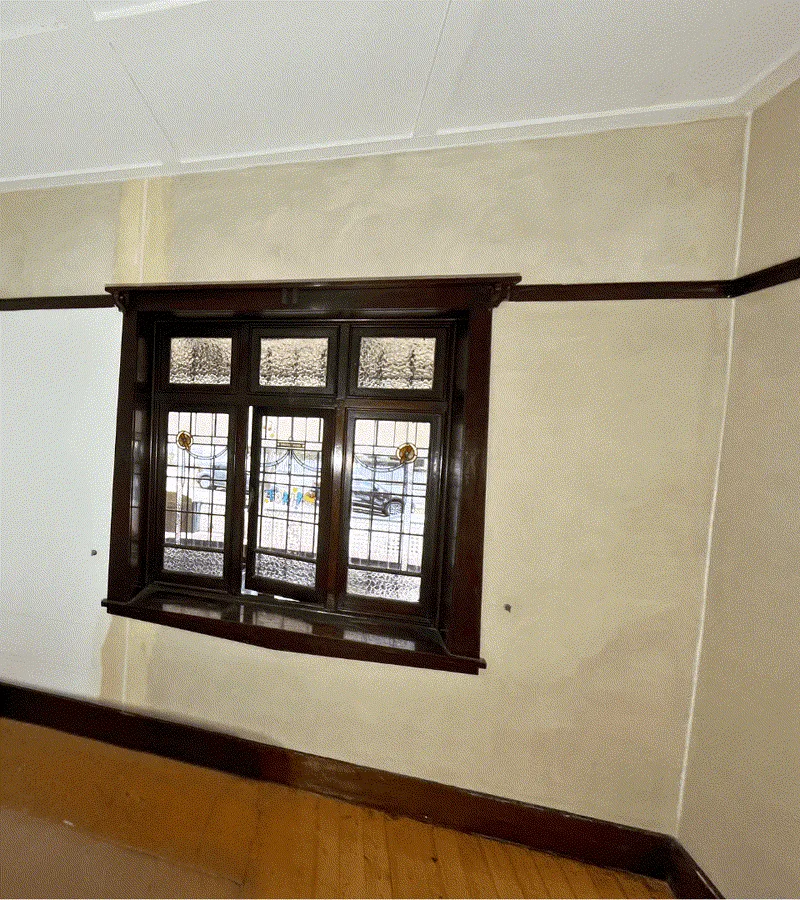
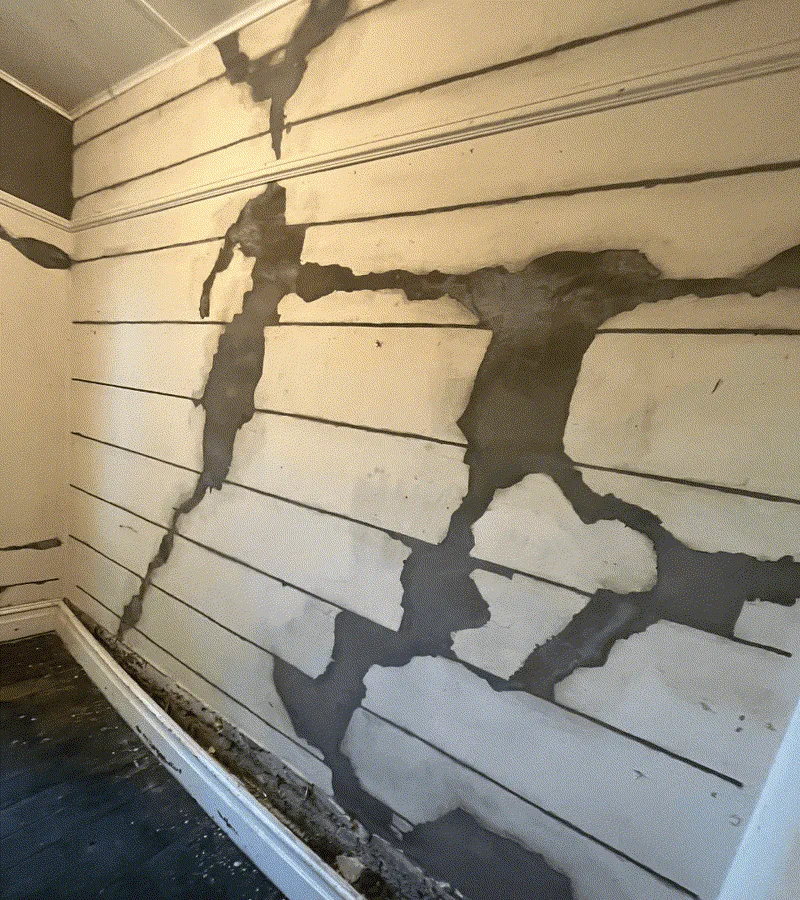
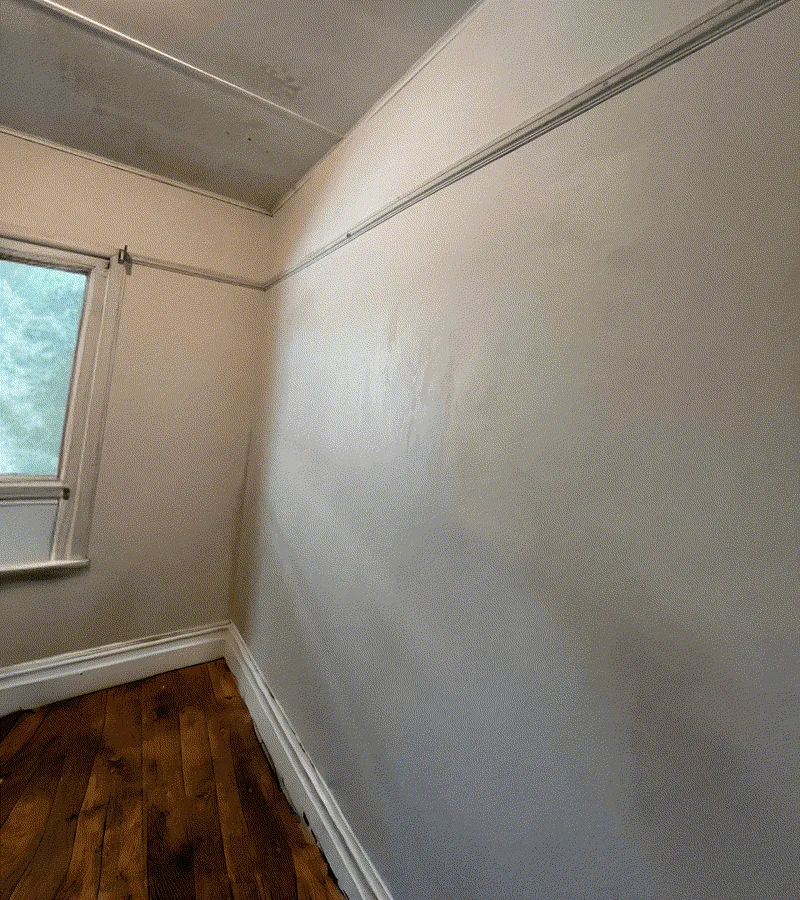
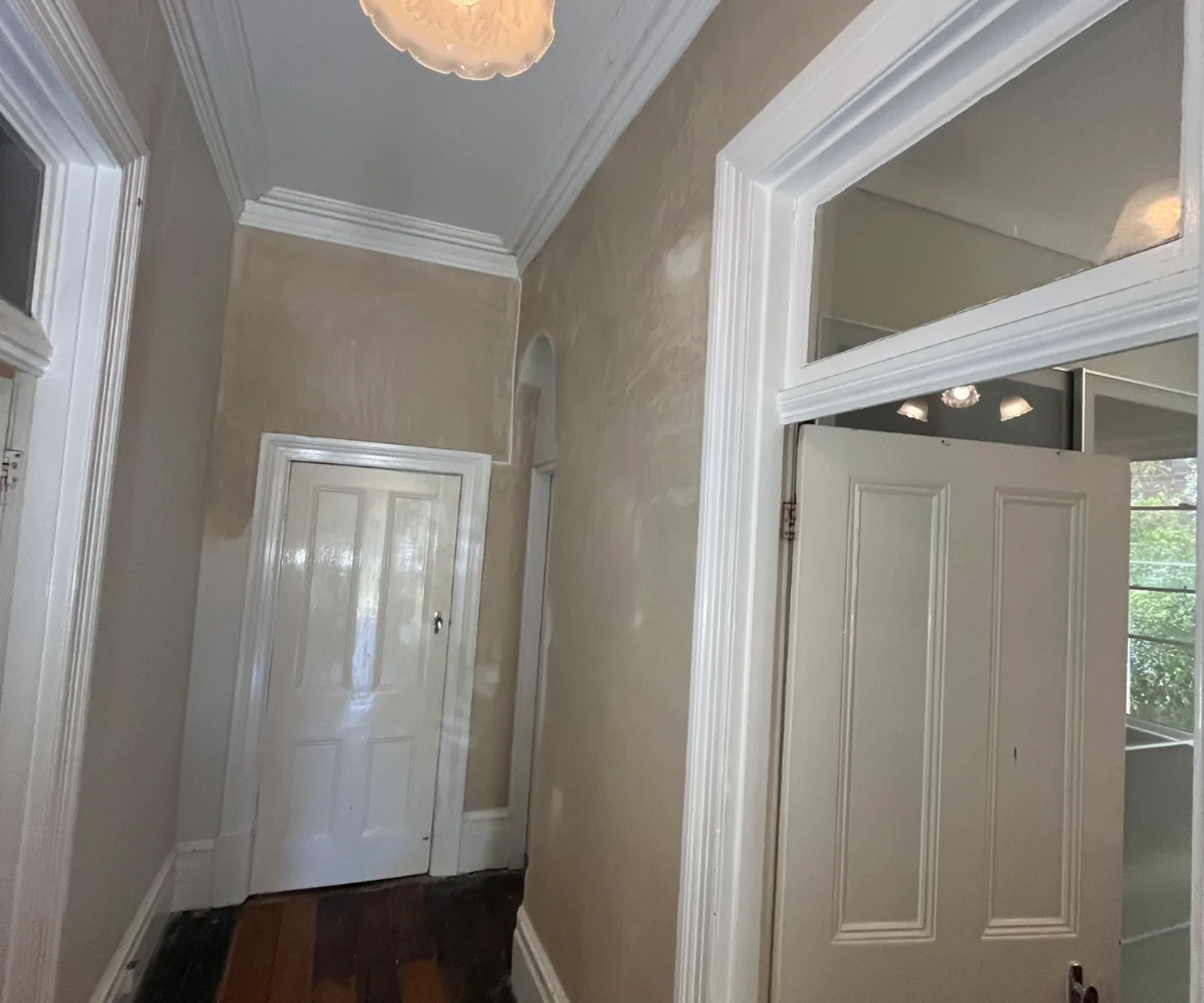
Finally, we repaired loose plasterwork inside the home, reinforced it, and applied a smooth skim coat so the interior walls were left paint-ready.
Cracks fixed, walls reinforced, and a building that can handle what the clay throws at it
The wall cracks — inside and out — were permanently repaired. The foundation was stable. And the control joints gave the building something it had never had in 150 years: the ability to move with the reactive clay without cracking.
For the homeowner, the best part was knowing this was a complete solution — not a patch that would need revisiting when the next dry spell hits. The combination of HelicalBar™ reinforcement, GeoPoly™ stabilisation, and properly placed control joints means the building is now designed to handle the same soil conditions that have been causing damage for decades.
This is the second time this homeowner has trusted Buildfix with their heritage home — and both times, the fix has held. Every repair is backed by our 20-year structural warranty, so whether it’s the front of the house or the back, the homeowner knows they’re covered.
Reactive clay is one of the most common causes of wall cracks across Sydney, Melbourne, and Canberra. If your home is built on clay and the cracks keep coming back after cosmetic repairs, it's usually the soil. A free assessment tells you what's happening — and whether wall crack repair can fix it.
Share this case study
Related Articles
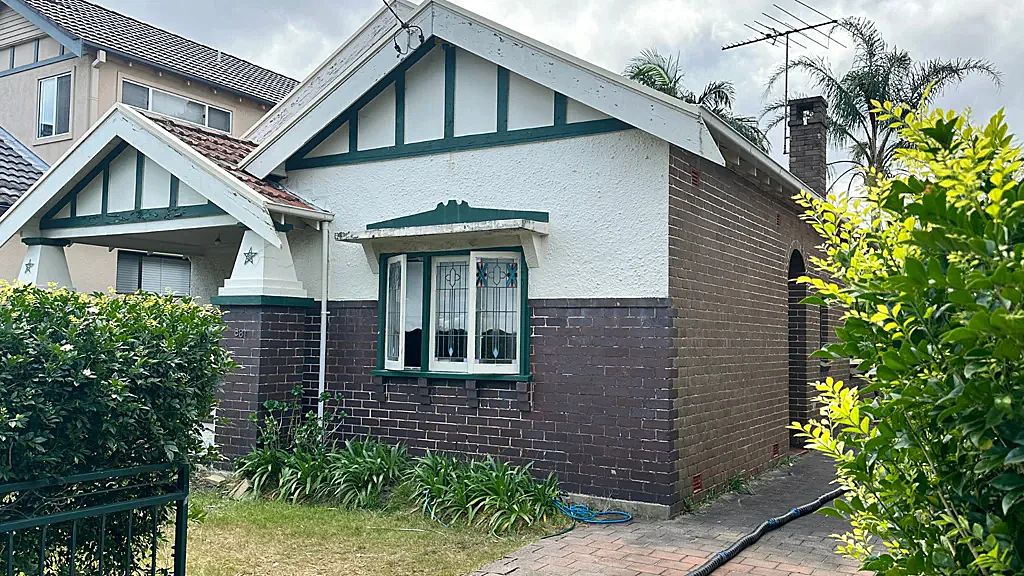
Hidden Downpipe Behind 10 Years of Cracks
A neighbour’s redirected downpipe quietly washed out the soil beneath this Randwick home for over a decade. Buildfix found the cause, stabilised the ground, and reconnected the cracked walls — no demolition required.
Read More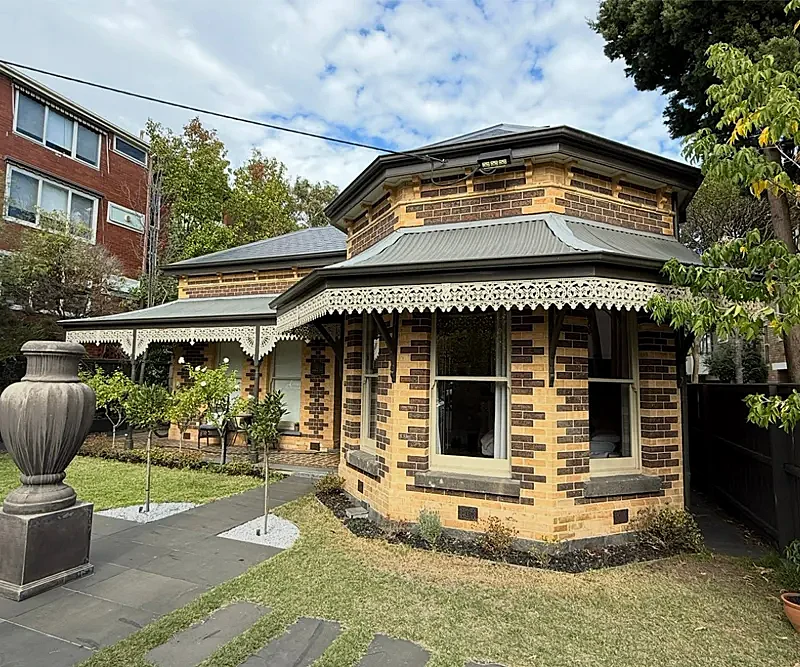
Wall Cracks Traced to a Hidden Void
Every expert said “seasonal movement.” But the cracks kept spreading — including right above a child’s bed. Buildfix found the real cause: years of driveway runoff had quietly washed out the ground beneath the walls.
Read More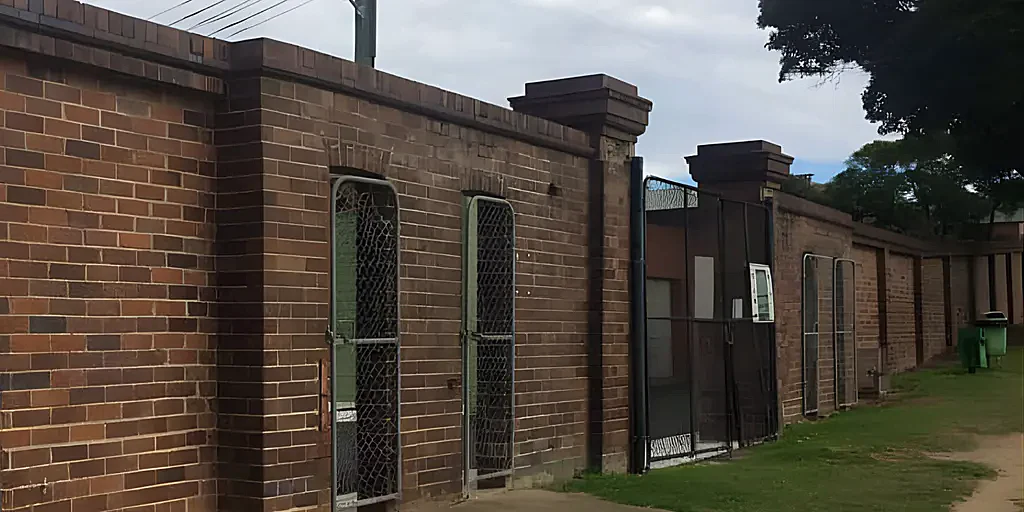
Heritage Fairground Wall Rescued
An 80-year-old heritage brick wall at a fairground and cricket ground, damaged by decades of impacts and tree root shifts. Buildfix replaced corroded steel, reinforced the cracks, and stabilised the ground — saving the council over $30,000.
Read More
Seeing something similar at your property?
Our team of engineers and technicians are ready to help.
Book a free structural assessment today.