
Case Study
Hidden Downpipe Behind 10 Years of Cracks
Case Study
Hidden Downpipe Behind 10 Years of Cracks
Ten years of mystery cracks — and a cause nobody could find
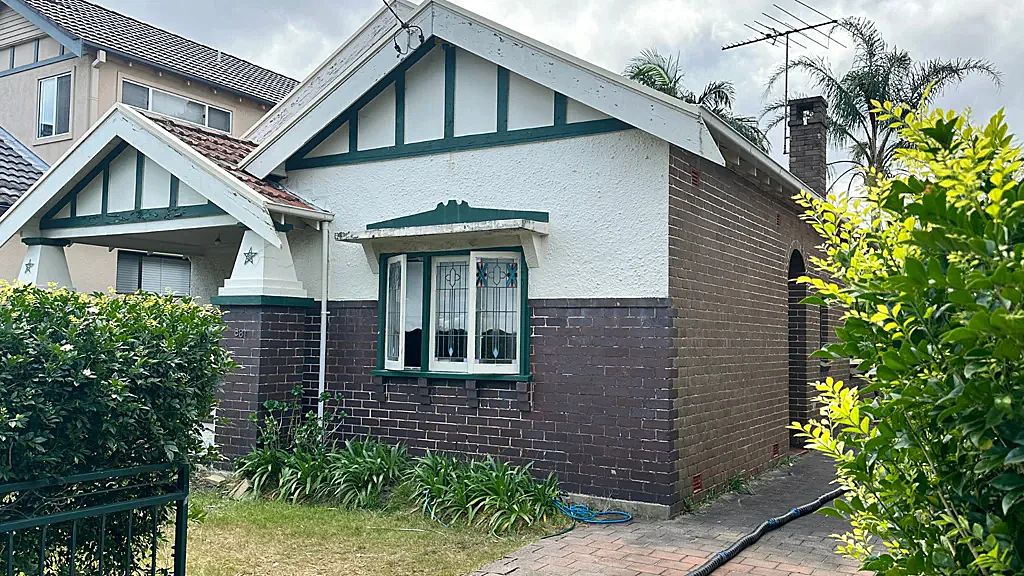
For over ten years, the owner of this Randwick brick home lived with cracks that kept coming back. They started small — just a couple of hairlines in the back bedroom that seemed like normal old-house stuff. But year after year they grew, creeping from the rear bedroom right into the centre of the living room — almost 10 metres from where the movement actually started.
The frustrating part was there was no obvious reason. No leaking pipes. No stormwater pooling against the wall. The paving even fell away from the house, so surface water didn’t make sense. Everything pointed to mystery movement.
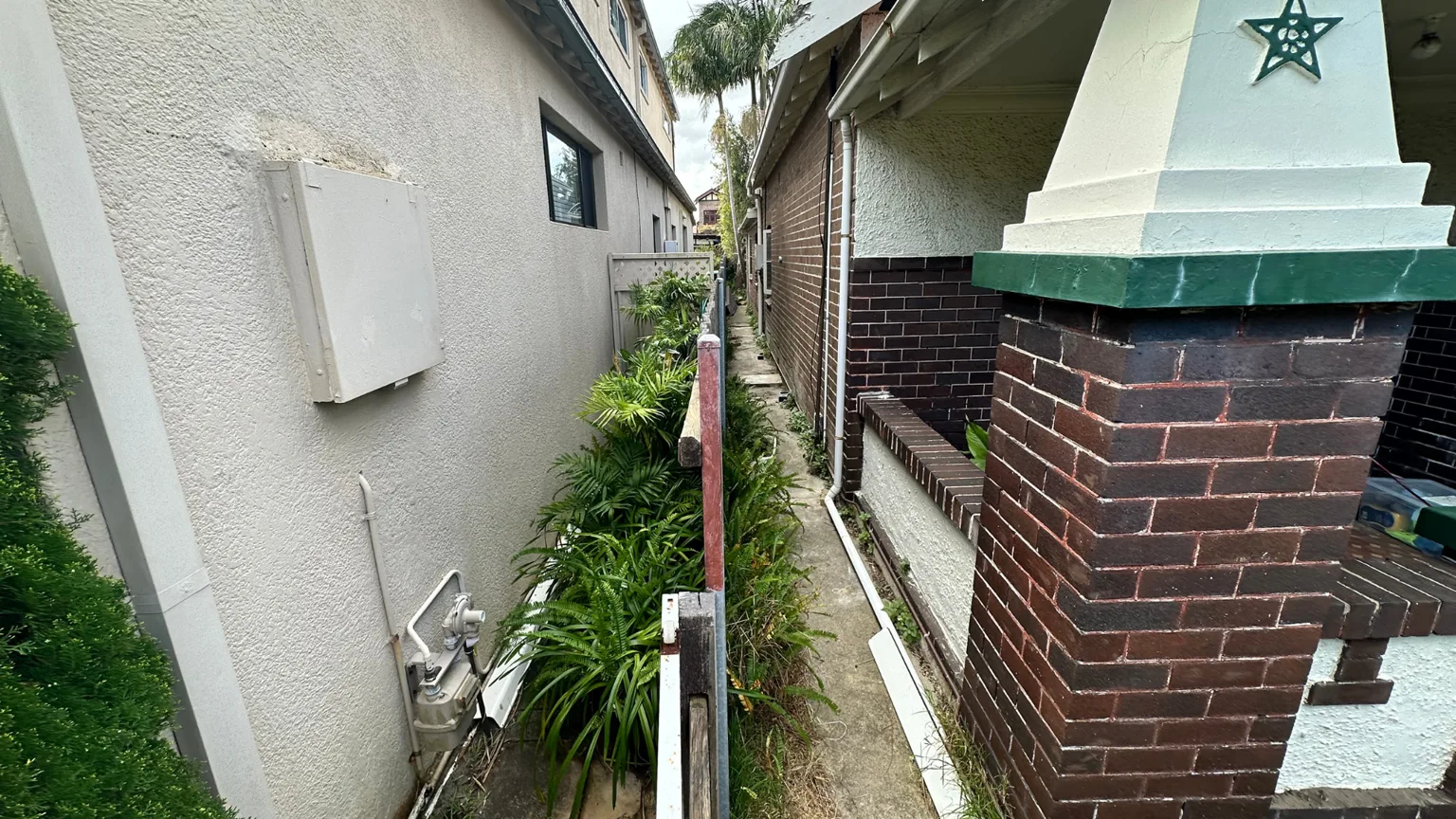
The real cause turned out to be next door. Years earlier, someone had redirected a downpipe instead of connecting it to stormwater. Half of the neighbour’s roof water was pouring under the fence and straight beneath the homeowner’s paved path — and because the neighbouring property was vacant for a long time, nobody spotted it. It just quietly ran and ran. Over time, that constant flow washed out the sandy soil under the rear bedroom. Once the ground loses support like that, the damage can take years to fully reveal itself.
Walls that had stopped behaving as one structure
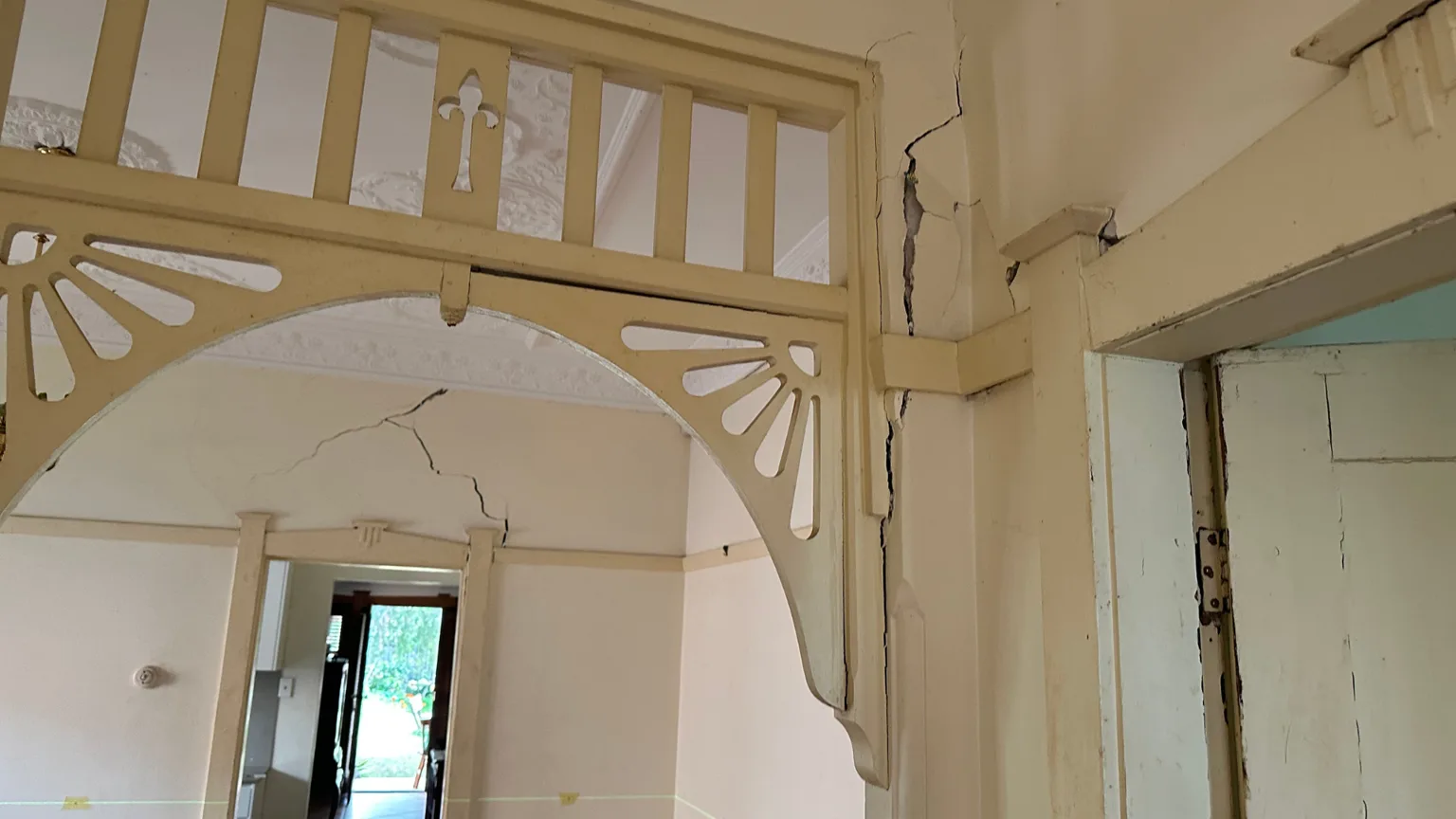
By the time we got involved, this wasn’t a couple of cosmetic cracks. The water had been running for so long that it had washed out the sandy ground under the rear of the house. And when that happens, the house doesn’t always drop in one obvious spot — it changes shape a little here, a little there, and the stress gets carried through the brickwork. That’s why the cracking had travelled so far from its source.
There was another issue. Once a brick wall cracks badly enough, it stops acting like one solid piece. It becomes separate sections that move slightly differently — that’s when you get recurring cracks, doors getting tighter, and gaps opening where they never used to.
An engineer had already recommended concrete underpinning, partial demolition of the side wall, and rebuilding sections on new footings. After seeing what that would involve — permits, engineering drawings, access headaches, months of work, and a massive bill — the owner started looking for a proper fix that didn’t turn the bedroom into a construction site.
HelicalBar™ reinforcement — not just crack stitching, full structural reconnection
This one needed a proper fix — not chasing cracks, but addressing why they kept showing up.
Step one was stabilising the ground. The sandy soil under the rear bedroom had been washed out for years, so we used GeoPoly™ injections to fill the voids and firm everything back up beneath the affected area. Think of it as rebuilding the support under the house so it’s not still sitting over soft pockets and hollow spots. That stops the ongoing sinking and gives us a stable base to work from.
But stabilising the ground wasn’t the main fix. The real problem was the brickwork itself. By this stage, the walls had cracked in multiple locations and weren’t behaving like one solid wall anymore — loads had stopped spreading properly through the building and were concentrating in the worst places.
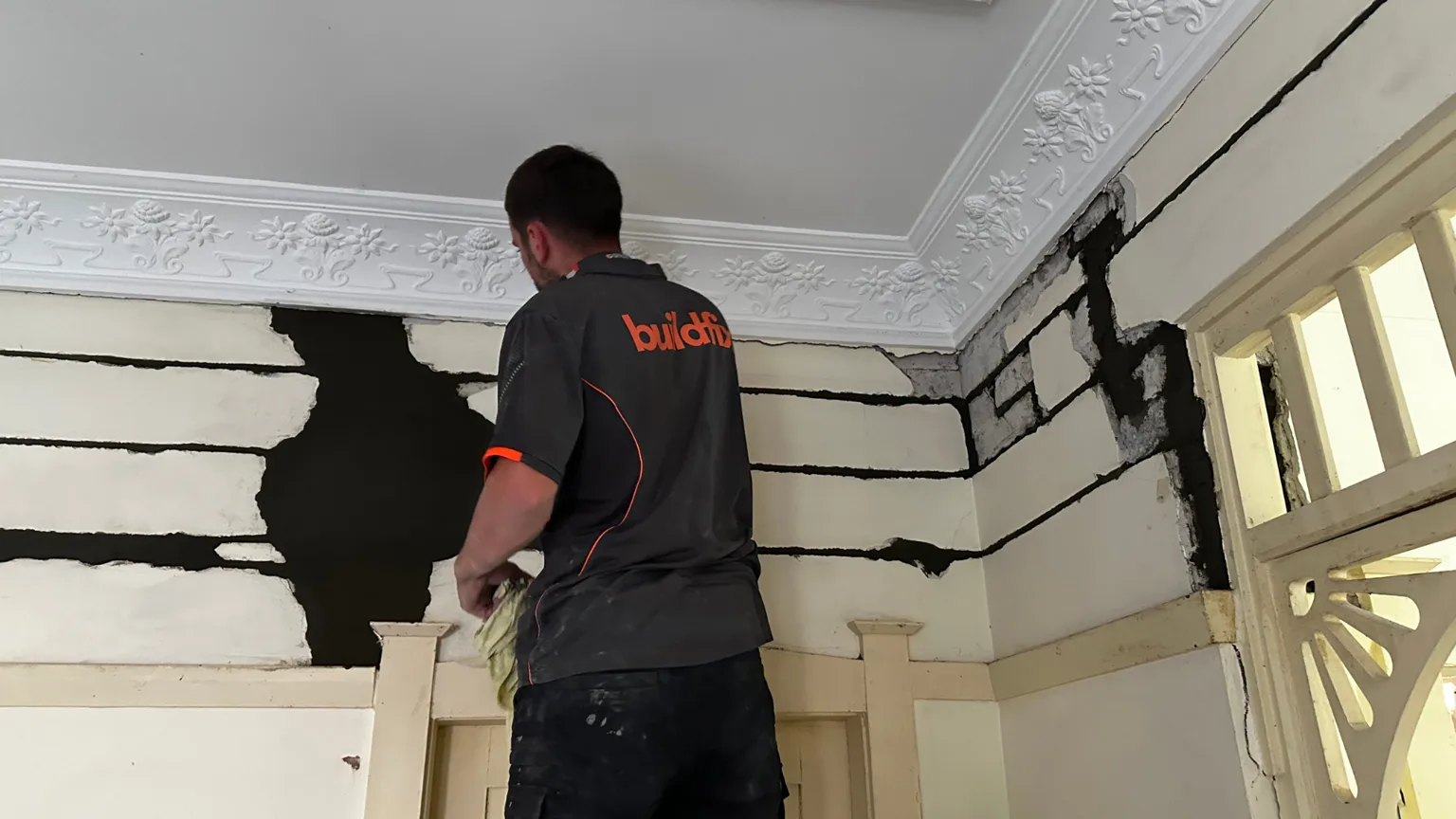
So the main solution was HelicalBar™ — but not in the ‘stitch a crack and walk away’ way people usually imagine. The bars were installed in continuous runs at key heights across the home, creating reinforced masonry beams within the brickwork. Once those stainless steel bars are bonded into the mortar, the brickwork and the bars work together — which massively increases the wall’s strength and ties the structure back into one system again.
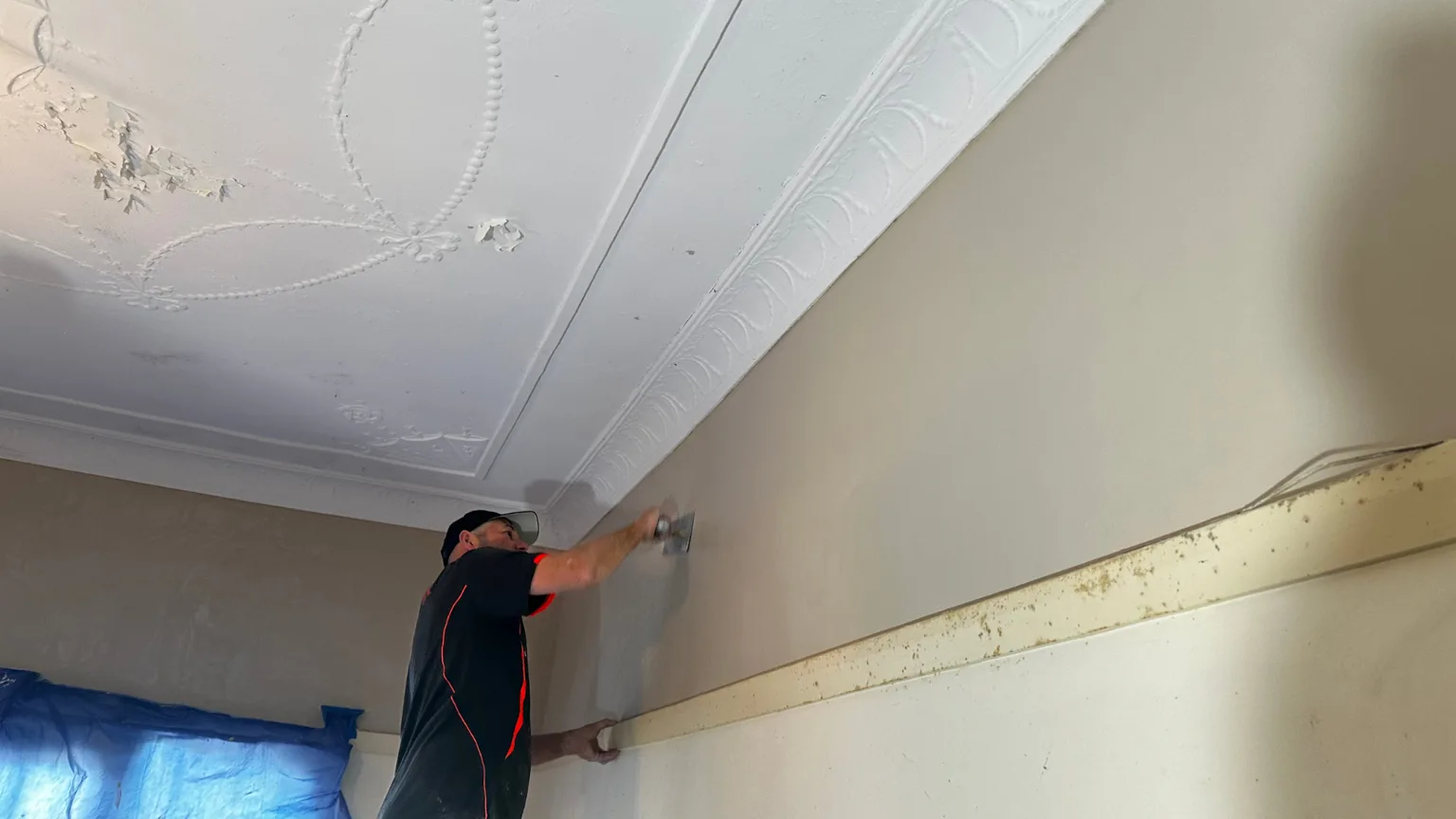
Once the structural work was done, we finished the internal areas smooth and paint-ready, and repaired the external brick arch so the front of the home still looked like a proper Randwick brick house — not something that’s been obviously ‘fixed.’
The cracks stopped. The structure reconnected. No demolition.
The change was obvious straight away — not because the house suddenly became brand new, but because everything started behaving like one structure again.
After the HelicalBars™ went in, the cracking stopped looking like separate problems in separate rooms and instead felt like one problem that had finally been tied back together. The walls were reconnected, the weak points were reinforced, and loads could spread the way they’re meant to.
Most importantly, the owner got what they wanted from the start: a proper structural fix — without months of demolition, permits, noise, and a bedroom turned into a full-time building site. The cause was dealt with, the structure was tied back together, and the home was stable again.
Every repair is backed by a 20-year structural warranty. Seeing similar wall cracks in your home? A free assessment tells you whether they're cosmetic or structural — and what wall crack repair can do.
Share this case study
Related Articles
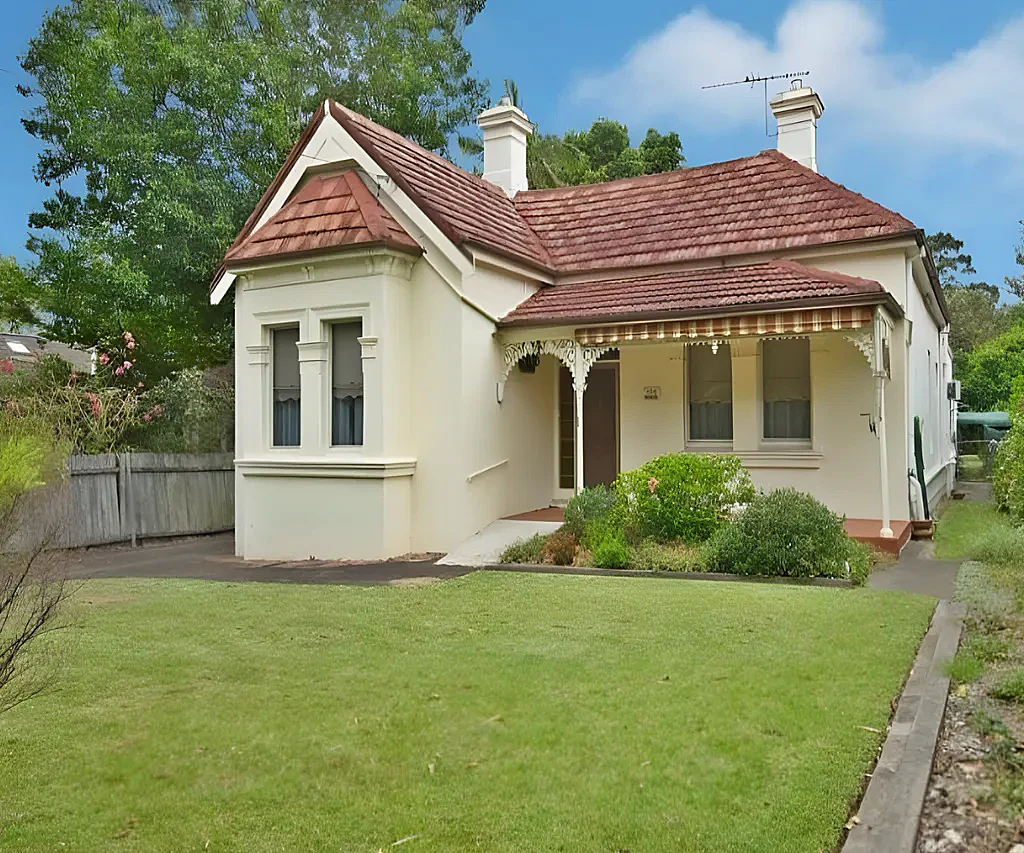
Heritage Home Repaired Twice, Same Team
When new cracks appeared in this 150-year-old Strathfield home, the owner didn’t hesitate — they called Buildfix again. Buildfix had already fixed the front of the house years earlier. This time, the team tackled the rear.
Read More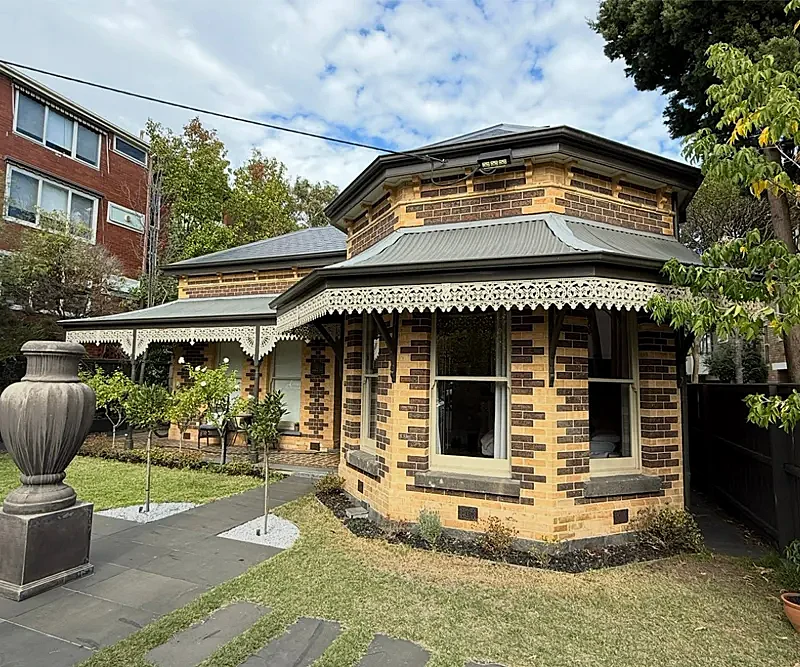
Wall Cracks Traced to a Hidden Void
Every expert said “seasonal movement.” But the cracks kept spreading — including right above a child’s bed. Buildfix found the real cause: years of driveway runoff had quietly washed out the ground beneath the walls.
Read More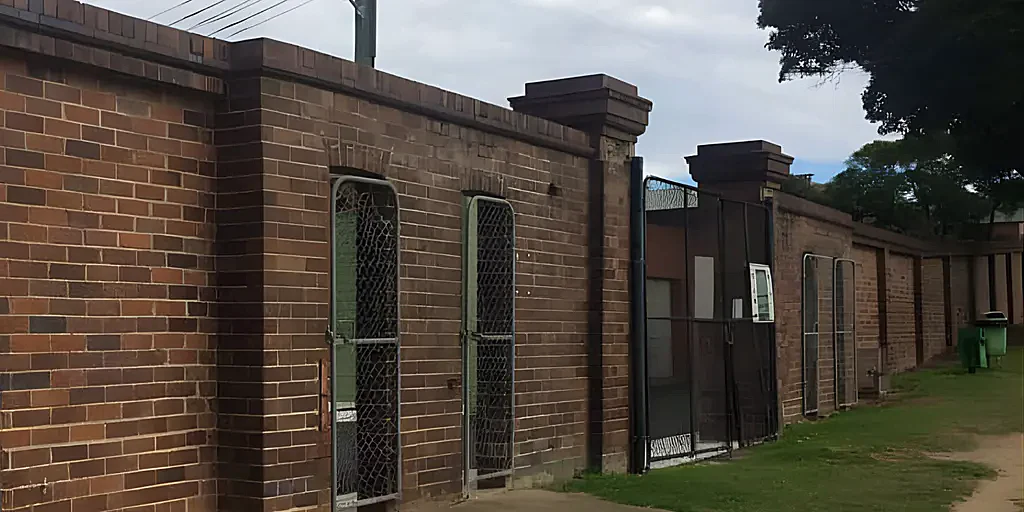
Heritage Fairground Wall Rescued
An 80-year-old heritage brick wall at a fairground and cricket ground, damaged by decades of impacts and tree root shifts. Buildfix replaced corroded steel, reinforced the cracks, and stabilised the ground — saving the council over $30,000.
Read More
Seeing something similar at your property?
Our team of engineers and technicians are ready to help.
Book a free structural assessment today.