
What’s happening in Sydney homes
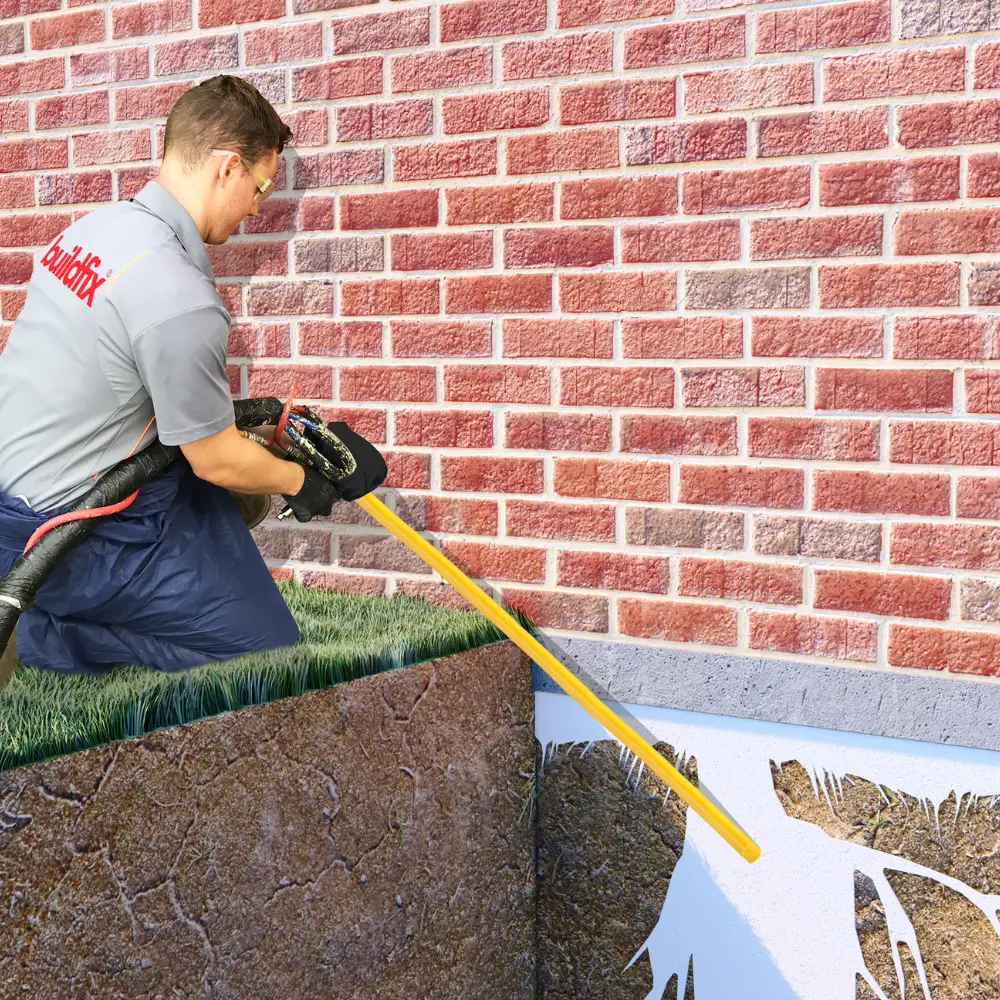
Sydney sits across two very different ground conditions. East and north of the harbour, much of the city is built on sandstone — strong, but the older brick walls bedded onto it were built before damp courses were standard. Inner west, you get Federation cottages and terraces on shallow footings, often with timber sub-floors and rising damp through the brickwork. West and south-west, the city moves onto Sydney’s reactive clay belt — Penrith, Liverpool, Campbelltown, the Hills — where the soil swells in the wet and shrinks in the dry, taking the slab with it.
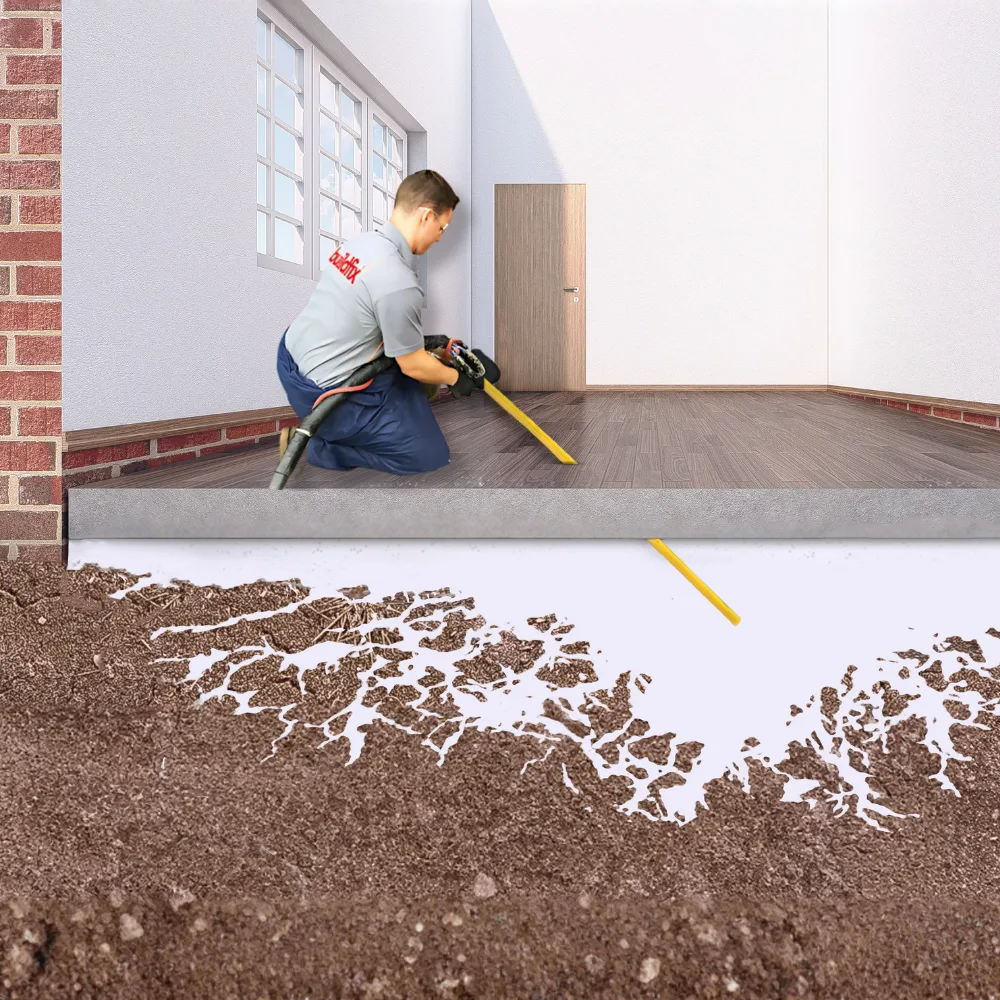
The housing stock layers on top of that. Inner-east semis and terraces share party walls and sandstock brick. Middle-ring suburbs run brick veneer on concrete strip footings. Out west you get post-90s waffle pod and raft slabs — efficient when the ground’s stable, less forgiving when the clay belt moves. Add in renovations that loaded original footings beyond design, and storm seasons that saturate poorly drained sites, and small symptoms compound into structural ones.
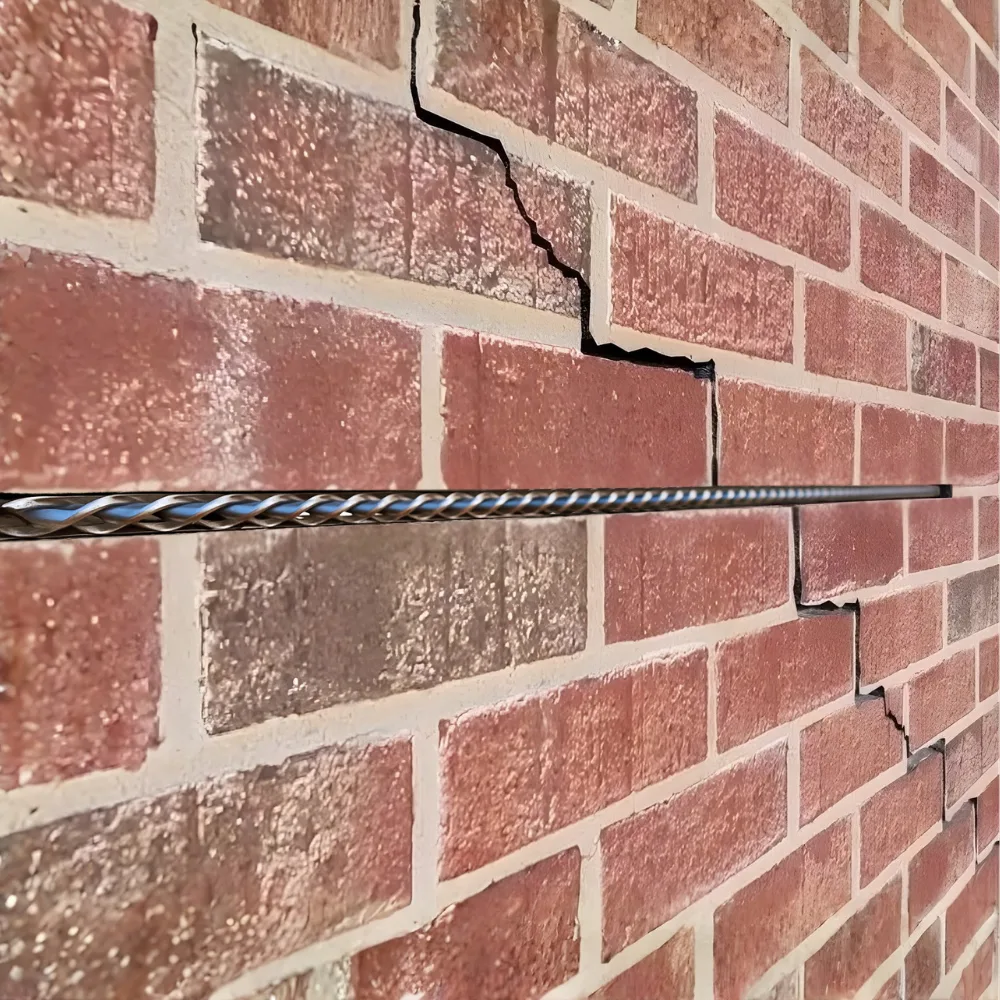
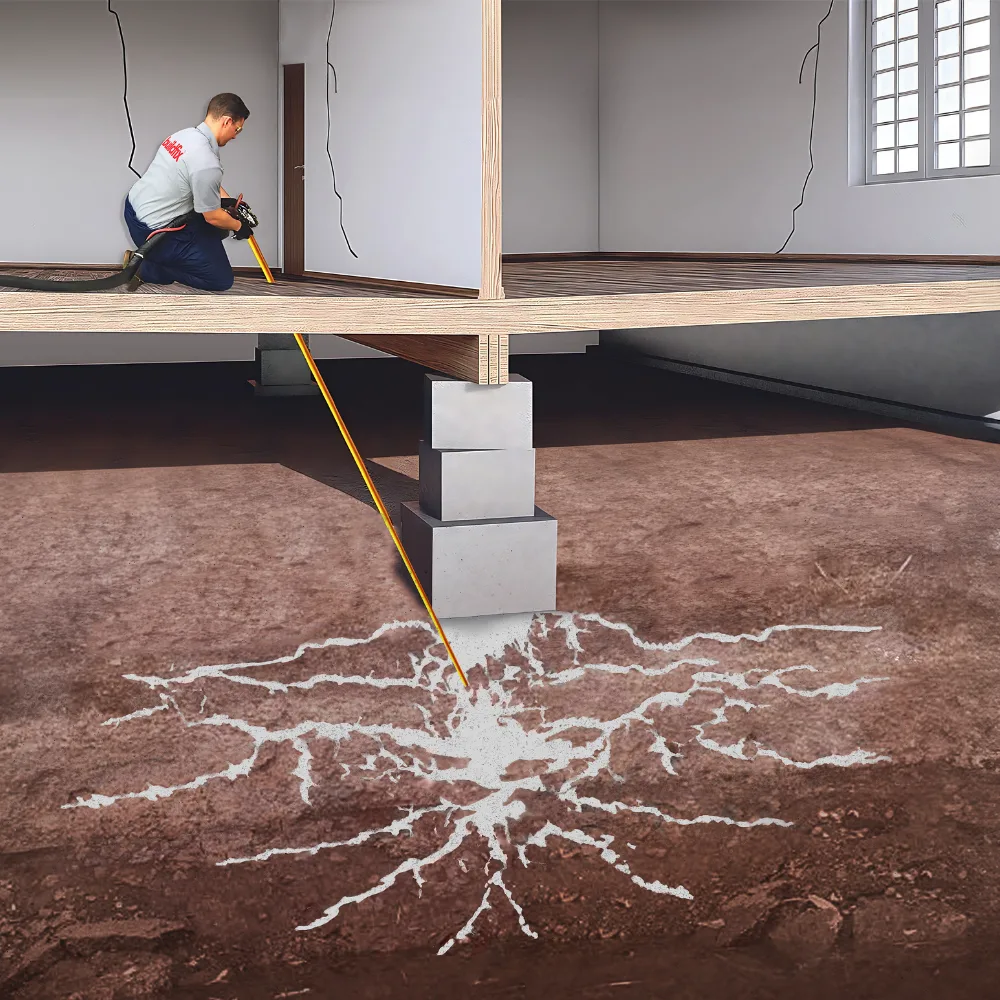
What you see — diagonal cracks above doors and windows, salt blooming through the render,sloping floors in the rear addition, gaps opening at the skirting — those are the symptoms. They show up after the structural movement has already happened. The repair starts under the house or inside the mortar bed, not on the wall.