What We Fix
Subsidence
Stabilise and relevel your foundation — you'll notice cracks closing, gaps shrinking, and doors working again.
- Free assessment · 1–2 day repair · 20-year warranty
- Structural Engineers · Licensed Builders · Skilled Technicians
 Trustpilot
 Google
What We Fix
Subsidence
Stabilise and relevel your foundation — you'll notice cracks closing, gaps shrinking, and doors working again.
- Free quote · 1–2 day repair · 20-year warranty
- Structural Engineers · Licensed Builders · Skilled Technicians
Subsidence
Stabilise and relevel your foundation — you'll notice cracks closing, gaps shrinking, and doors working again.
- Free structural assessment with a fixed-price quote
- No digging — most foundations relevelled in 1–2 days
- 20-year product and workmanship warranty
Structural Engineers · Licensed Builders · Skilled Technicians
TrustpilotGoogleIs my house suffering from subsidence & sinking deeper into the ground?
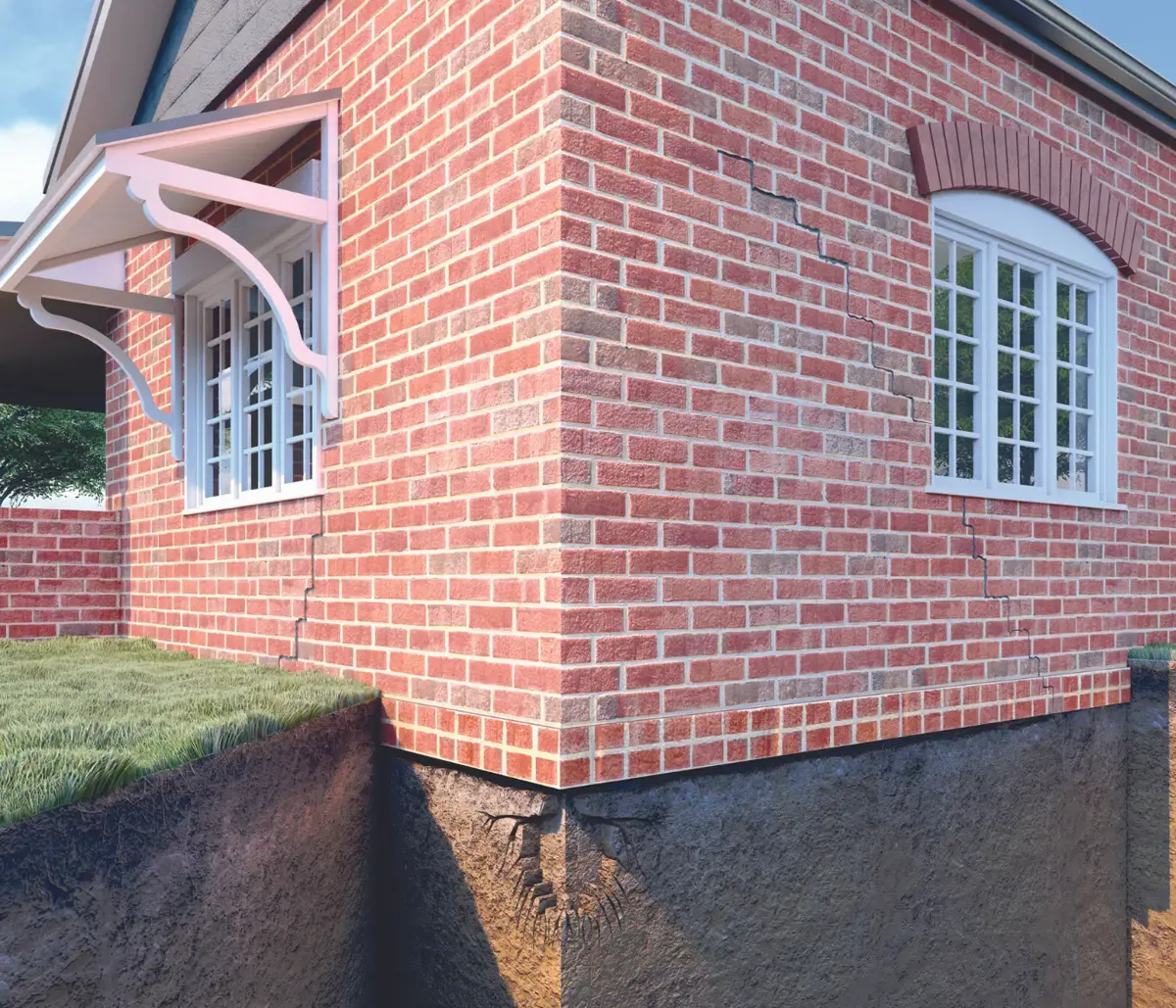
If a structural engineer tells you your home is suffering from subsidence, what they're really telling you is your home is sinking. That sinking shows up as cracks in the walls, doors and windows that jam, floors that slope, and gaps where walls pull away from ceilings or floors.
The good news: subsidence is fixable. The foundation beneath your home can be stabilised and relevelled — and as it does, you'll notice those cracks starting to close and doors working again.
But first — is it actually subsidence? The symptoms below will help you work out what your home is telling you.
What are the symptoms of subsidence?
Your home tells you when something is wrong. These are the most common signs of subsidence.
Wall Cracks
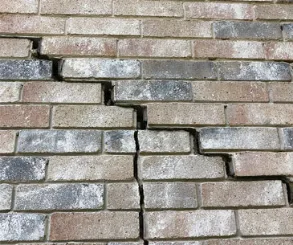
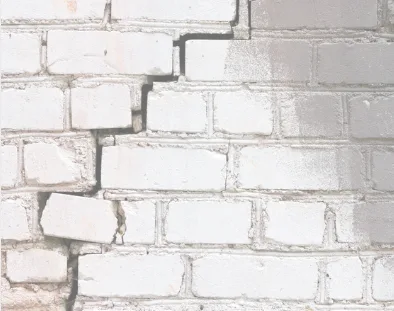
Sometimes wall cracks are purely cosmetic — a bit of settlement, nothing to worry about. But if the cracks follow a stepped pattern through the mortar joints, appear on both the inside and outside of the wall, or show up at the corners of your home — the foundation beneath that section of wall has likely moved.
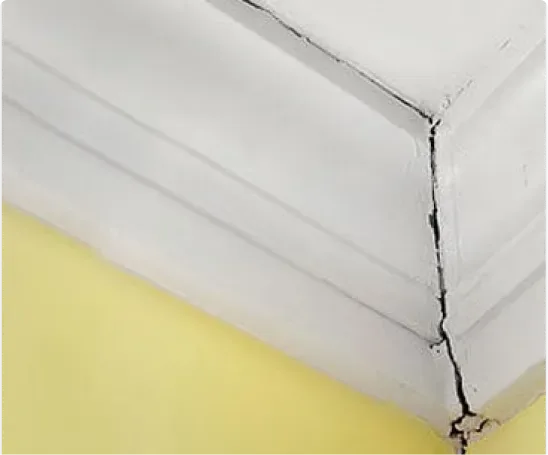
Ceiling and Cornice Cracks
Ceiling cracks on their own are common — most are cosmetic. But if they appear alongside wall cracks, sticking doors, or sloping floors, the cause is probably below, not above. As the foundation sinks unevenly, the movement travels up through the walls and into the ceiling and cornices.
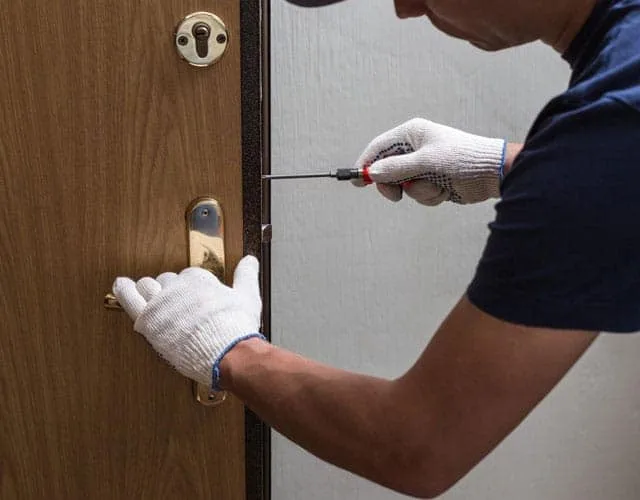
Doors and Windows Jamming
The door that used to close fine until about a year ago. The window you now have to force shut. When the foundation sinks unevenly, the frames twist out of square. Doors hit the floor. Windows bind in their frames. If it’s getting worse over time, the ground is still moving.
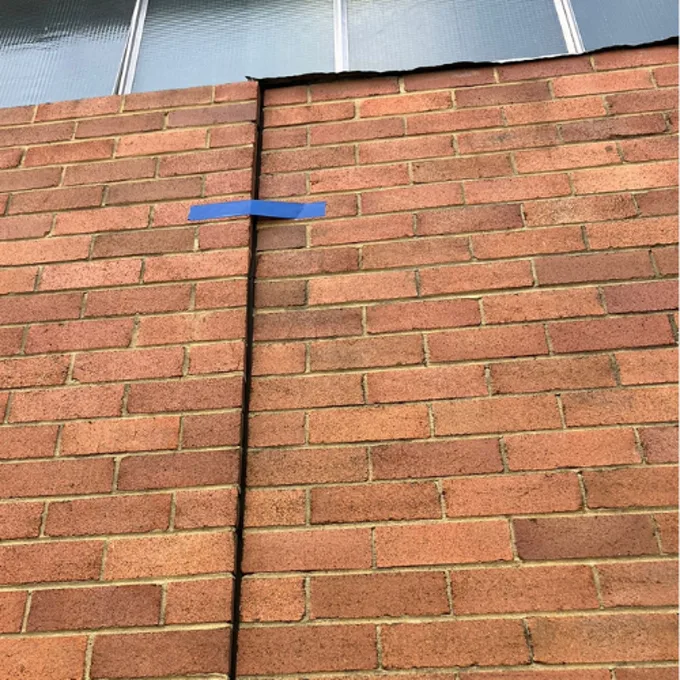
Leaning Walls
As one side of the foundation sinks more than the other, walls can lean visibly off-level. Hold a spirit level against the wall — if it’s out, the foundation beneath it has moved. A leaning freestanding wall is a genuine safety concern and should be assessed promptly.
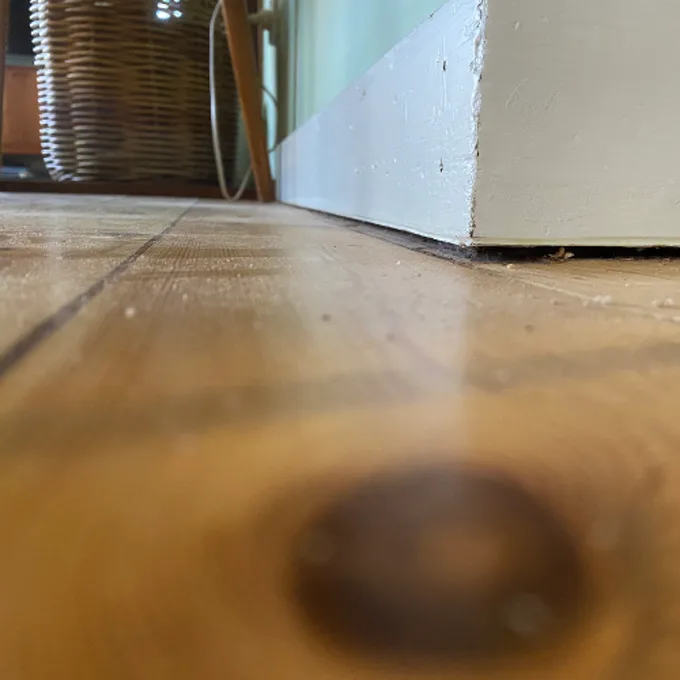
Sloping Floors
One side of the house sinks more than the other, and the floors follow. Place a ball on the floor — if it rolls away, the floor isn’t level. A table that wobbles, a cabinet door that swings open on its own — these are the everyday signs of a foundation that’s moved.
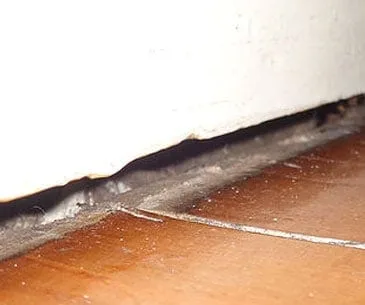
Gaps between Walls and Floors
As the foundation sinks, the floors pull away from the base of the interior walls, opening up gaps at the skirting line. Walk across the room — if the floor feels bouncy or gives underfoot, the support system beneath it is losing contact with the ground.
What are the symptoms of subsidence?
What causes subsidence?
Subsidence always has a cause. Knowing yours changes everything about the fix.
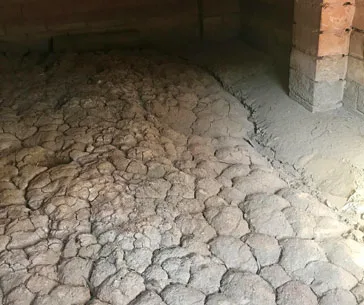
Reactive Clay Soil
Reactive clay is the single biggest cause of subsidence across Melbourne, Western Sydney, and South East Queensland. It swells when wet, shrinks when dry, and moves your foundation with it. Drought, new trees, or altered drainage can pull even more moisture out of the soil — and the shrinkage accelerates.
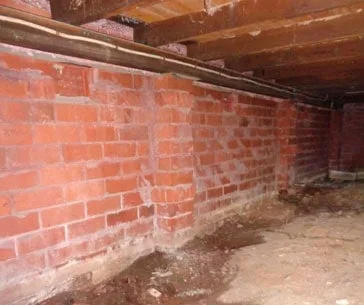
Water Erosion
Burst pipes, leaking mains, overflowing stormwater drains, or unconnected downpipes — any of these can saturate the soil beneath your home. The ground softens, loses its bearing capacity, and the foundation sinks into it.
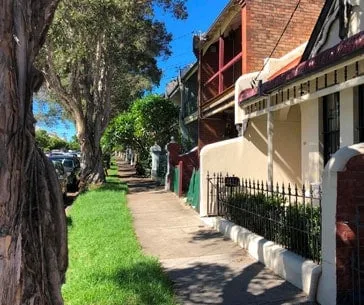
Tree Roots and Vegetation
Tree roots draw moisture out of the ground beneath your home. The soil dries, shrinks, and the foundation loses support. Large trees close to the house are the most common culprit — but even garden beds and hedges with shallow roots can pull enough moisture to cause movement.
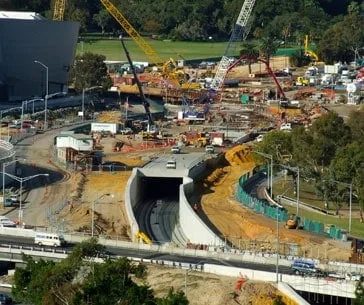
Nearby Construction
The neighbour adding a pool. An extension next door. A tunnelling project down the road. Nearby construction disturbs the ground — vibrations loosen the soil, and larger infrastructure projects can alter water tables, drying out the ground and causing it to shift. Your foundation moves with it.
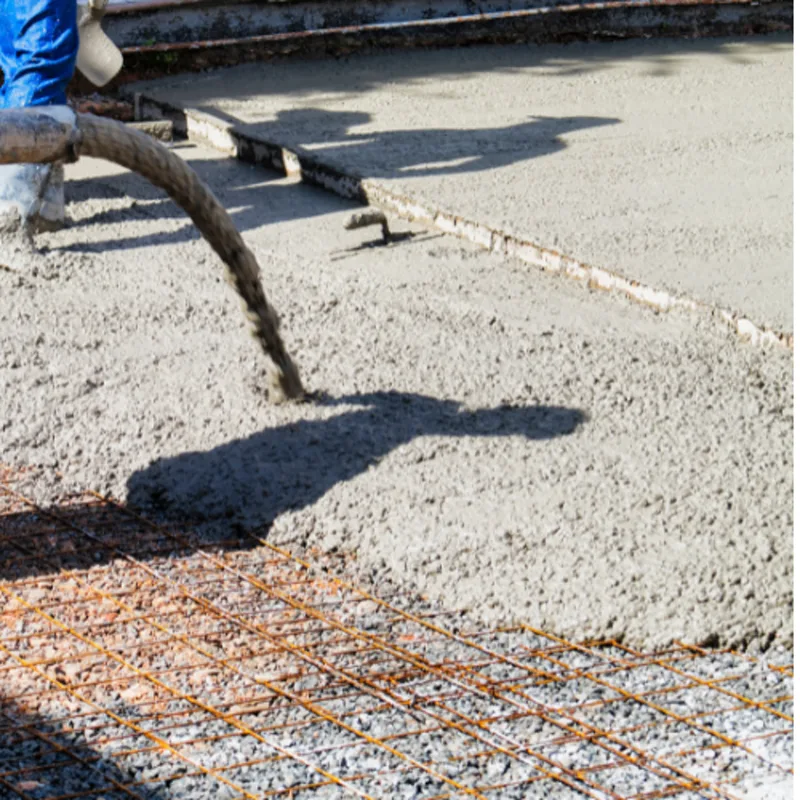
Poor Workmanship
If the ground beneath your home wasn’t properly compacted before the footings were poured, it was never going to stay stable. Poorly compacted fill, missing drainage, or skipped soil testing — the foundation was sitting on borrowed time.
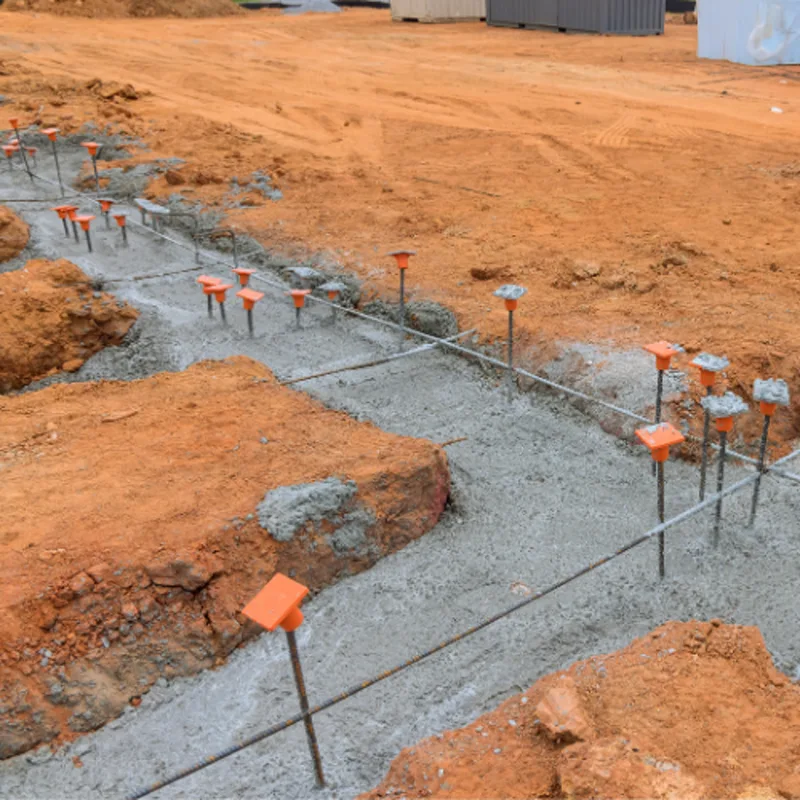
Wrong Footing Type
Most footings are designed to Australian Standards — but standards assume the soil has been classified correctly. If the soil is more reactive than the classification assumed, or the footing type doesn’t suit the conditions, the ground moves more than the footing can handle.
What causes subsidence?
How to fix subsidence
Non-Invasive. Precision-Controlled. Guaranteed.
No Digging. No Mess. A Fraction of the Cost.
Subsidence was once the most feared word a homeowner could hear. The cost was the big one — it could knock hundreds of thousands off your home's value. Some people would sell and take the loss rather than deal with it.
But those days are over — thankfully. Here's how it's changed. If your home is subsiding, it's sinking into a void or the ground beneath it has softened, washed away, or become aerated. Fill that space. Stabilise the ground. Problem solved.
GeoPoly™ GER60 resin is injected through small, coin-sized holes drilled around the problem areas. The resin travels under high pressure and targets the exact point where the subsidence is occurring. Within minutes, it begins to harden — tougher than the original ground — and expands beneath the footings, filling voids and weak spots in the soil, and lifting the foundation back towards level. This is how modern underpinning works. As it relevels, you'll notice cracks closing, gaps shrinking, and doors working again. What used to take weeks now takes just 1–2 days in most cases. And at a fraction of the cost.
Want to know exactly what your home needs? Get in touch for a free subsidence assessment.
What to expect
A step-by-step guide of how the subsidence repair process works — from assessment to completion.
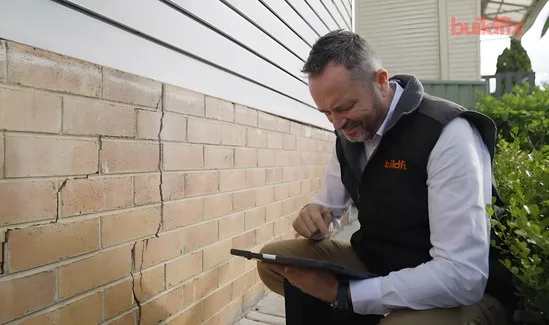 Step 1
Free Structural Assessment
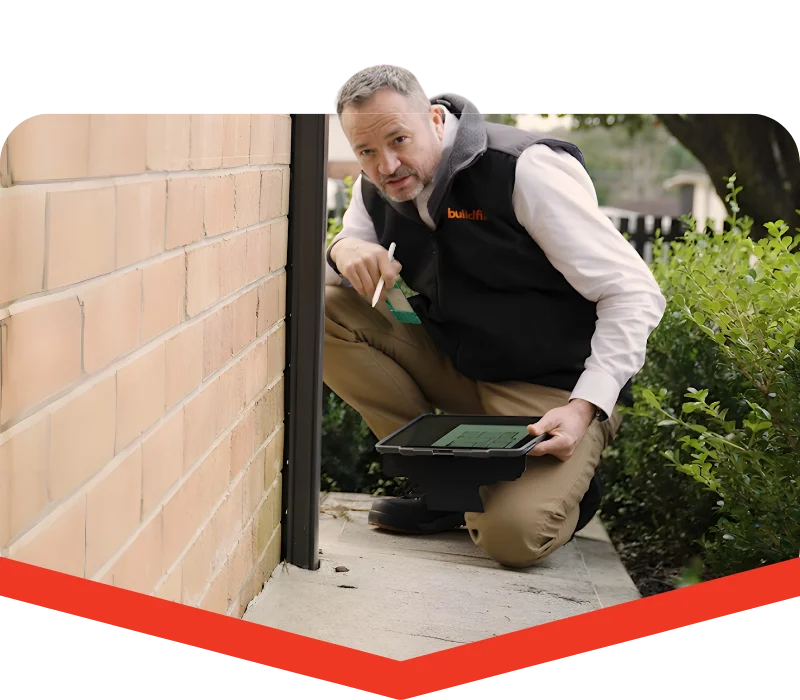
A Buildfix engineer inspects your home, identifies the root cause of the subsidence, and designs a repair plan on-site. Measurements, photos, and markings are recorded using mobile software — and the price is usually explained there and then.
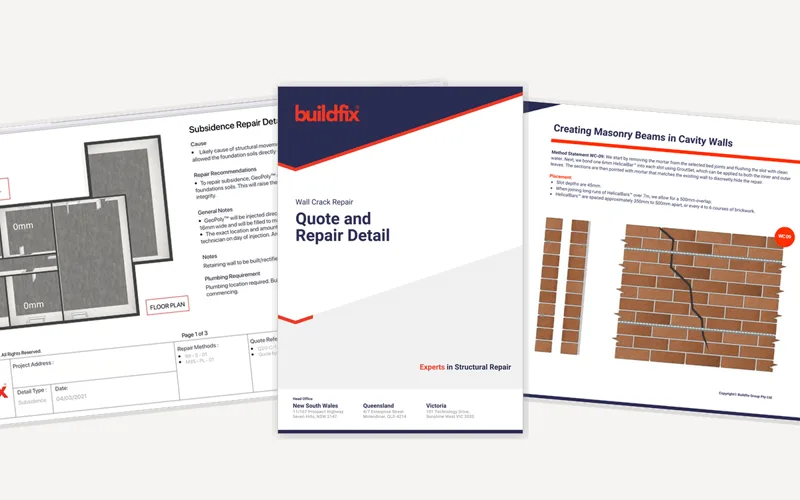 Step 2
Get Your Quote and Book
A complete quote package arrives — detailed drawings, repair method statement, and a fixed-price quote. The price you see is the price you pay. When you’re ready, book through the online portal and suitable dates are organised for the work.
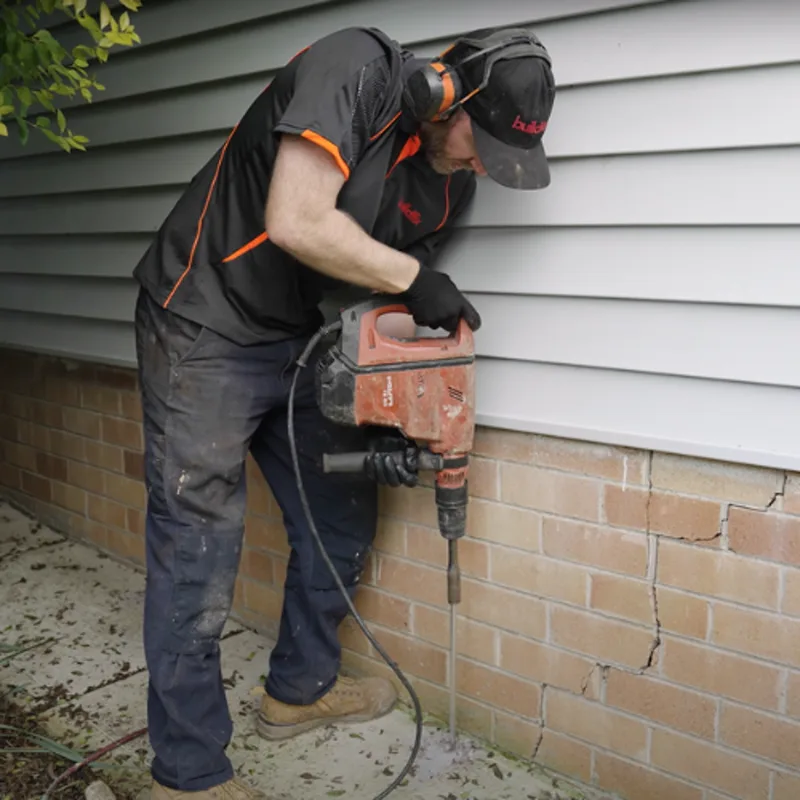 Step 3
Drill for Access
Small, coin-sized holes are drilled at precise intervals around the problem areas. These allow the injection pipes to reach the exact depths needed beneath your footings.
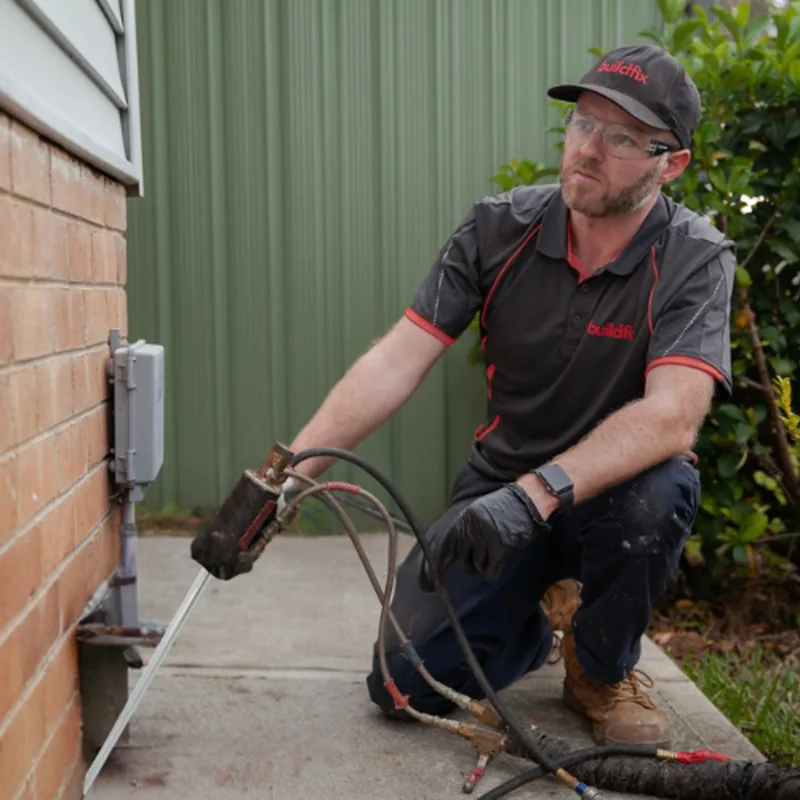 Step 4
Inject, Lift, and Level
GeoPoly™ resin is injected through the access points. The resin targets and fills voids and weak spots in the soil, then lifts and when conditions allow, relevels your foundations. Laser levelling equipment and digital sensors monitor every millimetre of movement in real time — so the lift is precise and controlled.
 Step 5
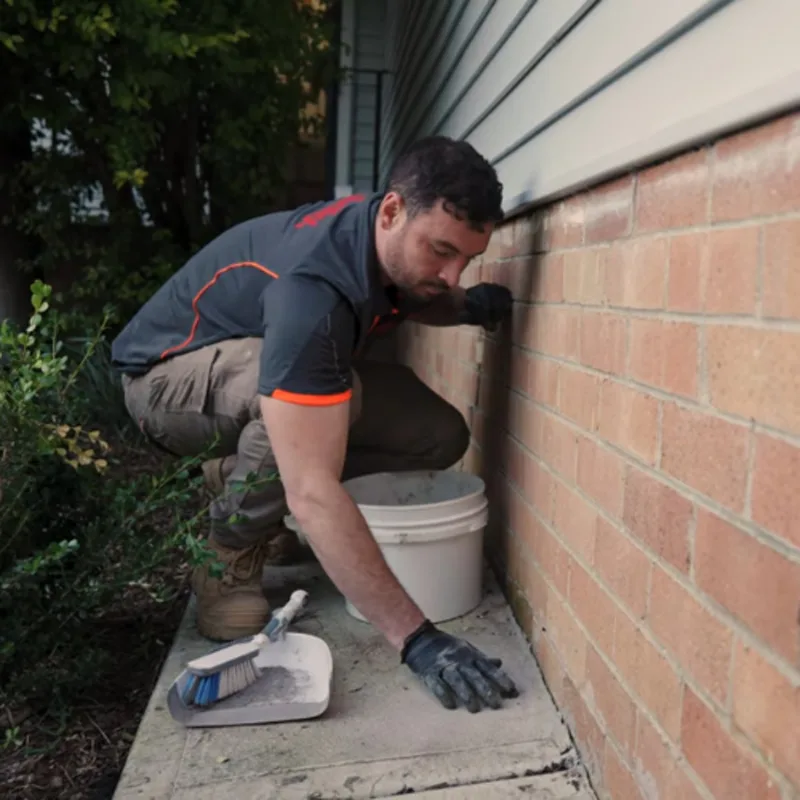
Patch and Clean Up
The drill holes are patched, the site is cleaned, and your home looks exactly as it did before. Except now it’s on solid ground.
 Step 6
Receive Your Warranty
Your 20-year product and workmanship warranty arrives via email with the Completion Package — a job report covering the work, materials, and images.
See the difference
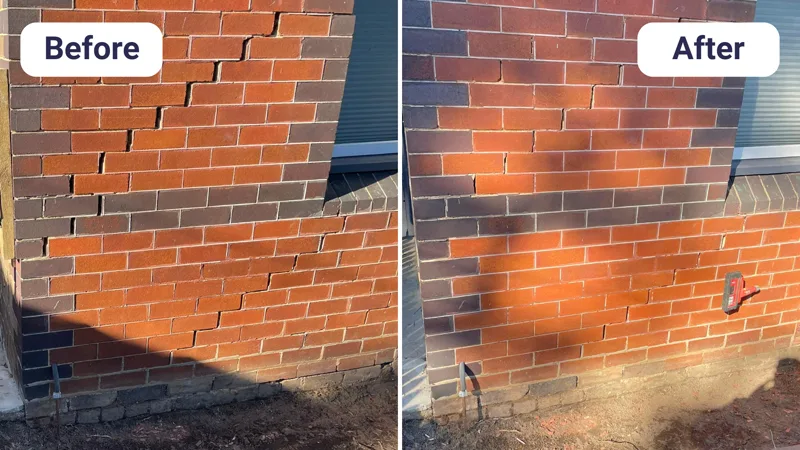
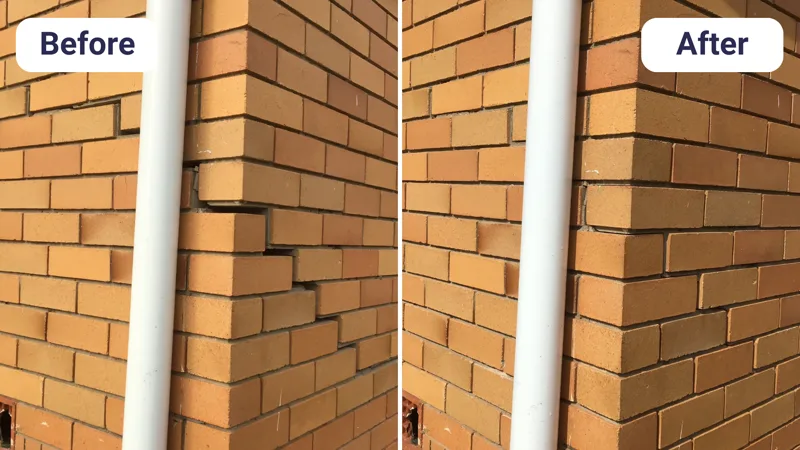
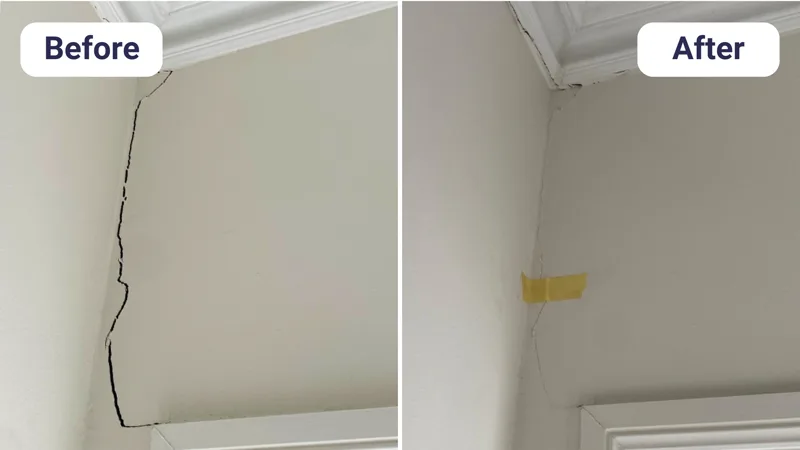
Actual GeoPoly™ subsidence repairs — before and after.
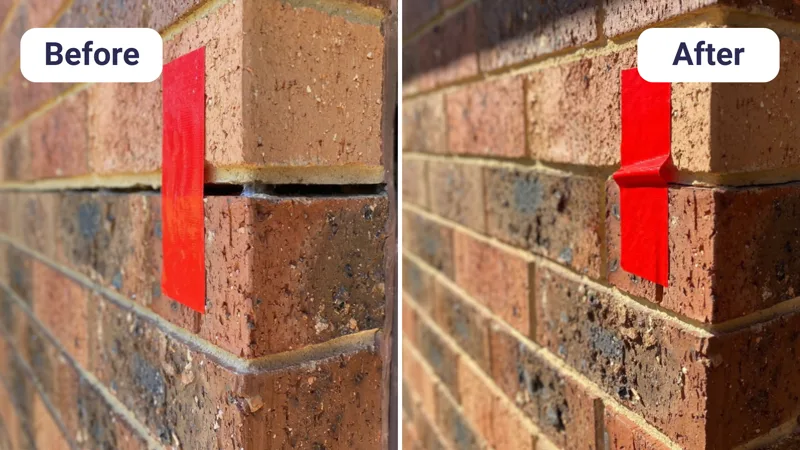
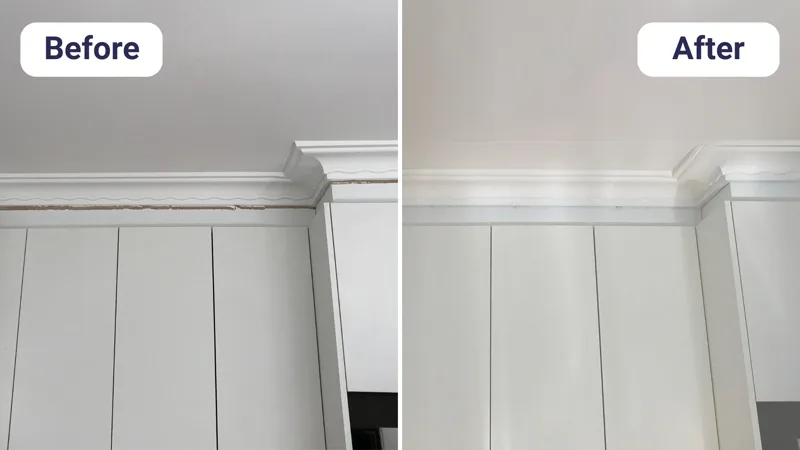
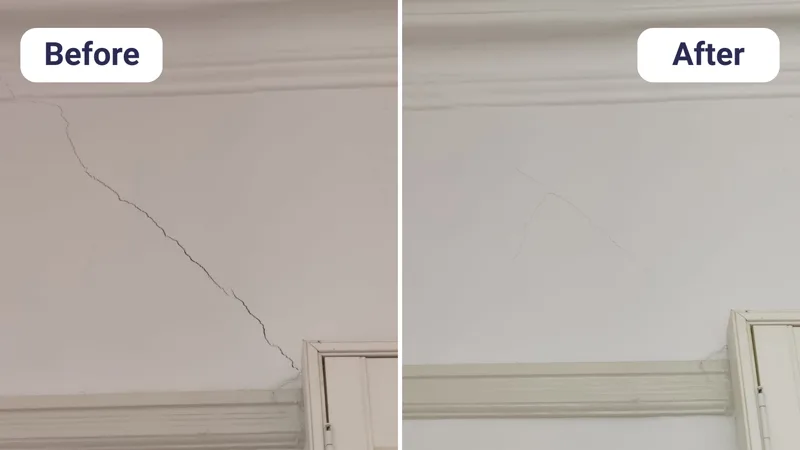
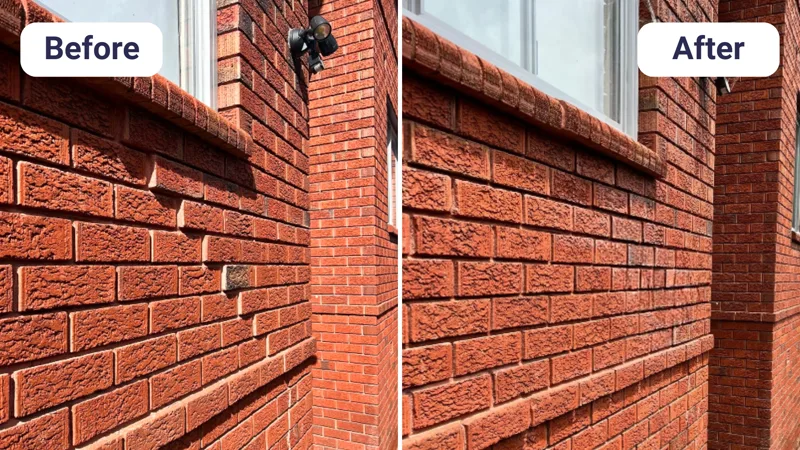
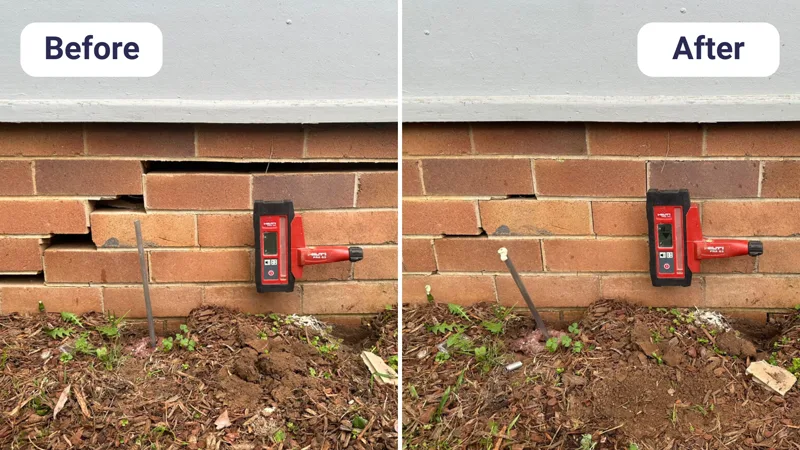
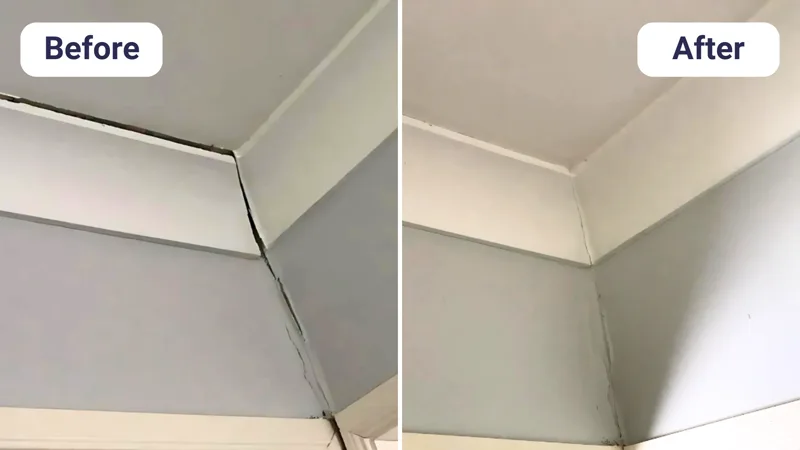
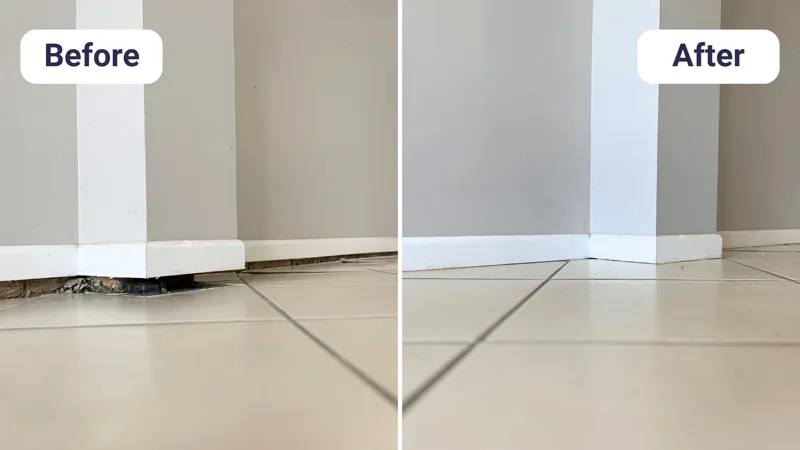
Instant results.
Guaranteed to last.
The benefits of GeoPoly™ subsidence repair.
Subsidence means the ground beneath your footings has moved. GeoPoly™ stabilises that ground and lifts the foundation back towards its original level. As the subsidence is corrected, homeowners typically see cracks closing, gaps shrinking, and doors moving freely again.
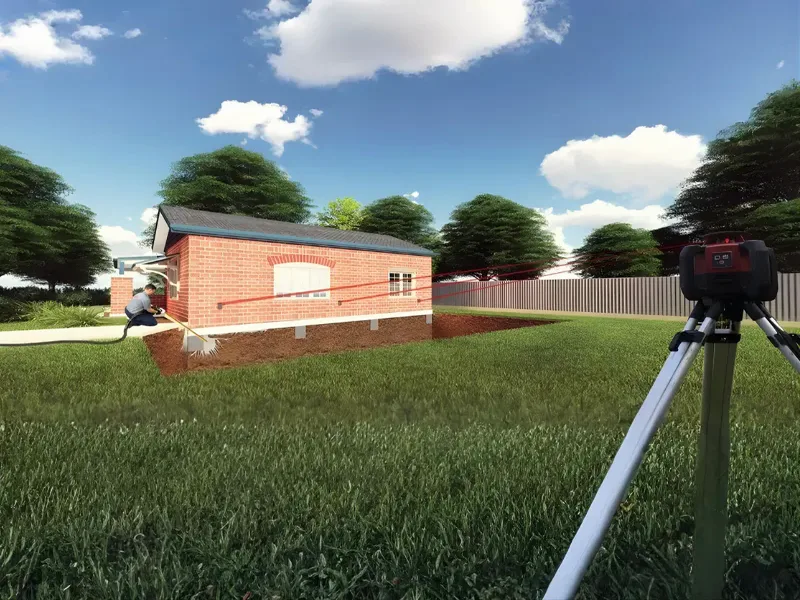
Not sure if it's subsidence? Get your home assessed for free — we'll explain exactly what's going on and what can be done.
Real homes. Real results.
15,000+ homes and structures repaired. Want to see real Buildfix subsidence repairs? Browse a few below.
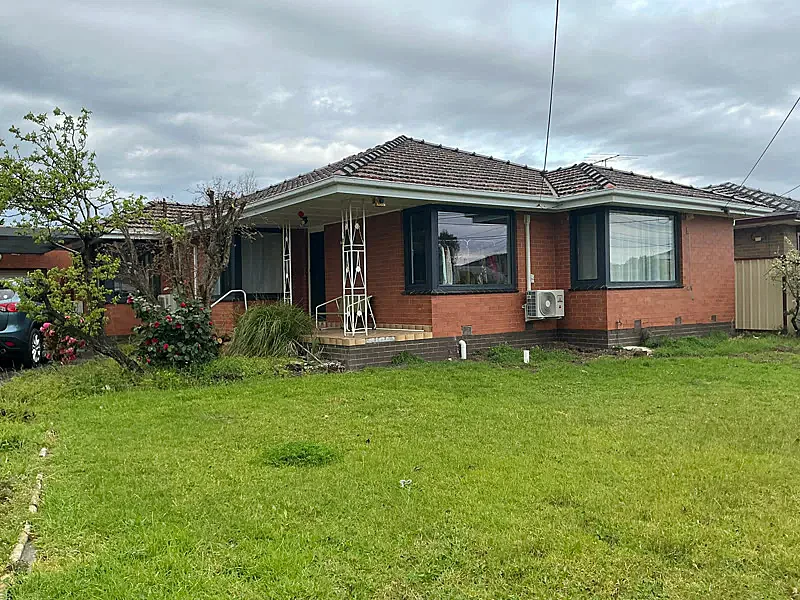 Homeowner
Keilor East, VIC
Underpinning Failed — Resin Fixed It
After traditional concrete underpinning failed and brand-new windows wouldn’t fit, GeoPoly™ resin injection stabilised the foundation in a single day — with millimetre precision.
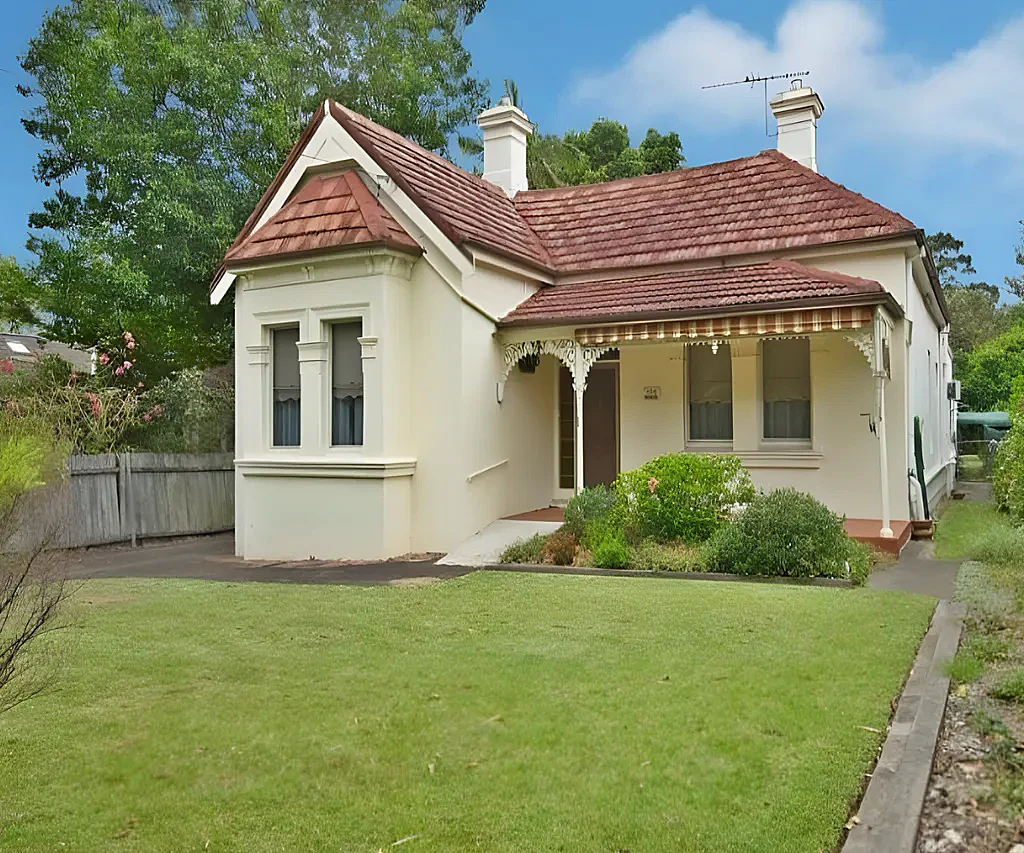 Homeowner
Strathfield, NSW
Heritage Home Repaired Twice, Same Team
When new cracks appeared in this 150-year-old Strathfield home, the owner didn’t hesitate — they called Buildfix again. Buildfix had already fixed the front of the house years earlier. This time, the team tackled the rear.
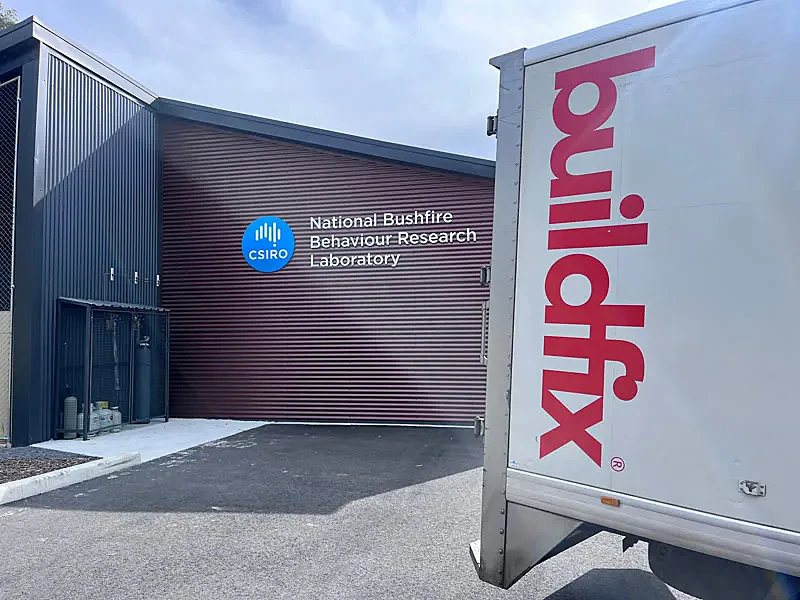 Commercial
Black Mountain, ACT
CSIRO’s Research Facility Relevelled
When Australia’s national science agency — the country’s foremost authority on foundation subsidence — needed their own buildings fixed, they called Buildfix.
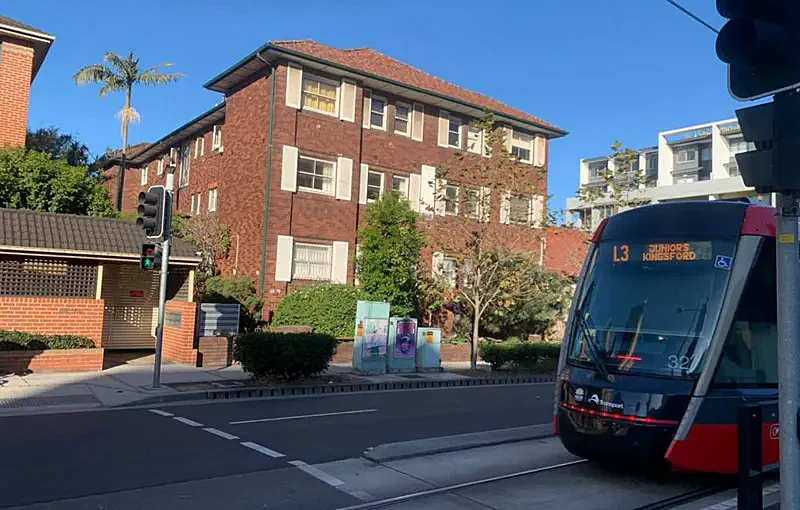 Strata
Kensington, NSW
1920s Apartment Stabilised After Light Rail
Light Rail construction shook a century-old apartment block to its foundations. GeoPoly™ stabilised six residences at a fraction of underpinning costs — residents never had to leave.
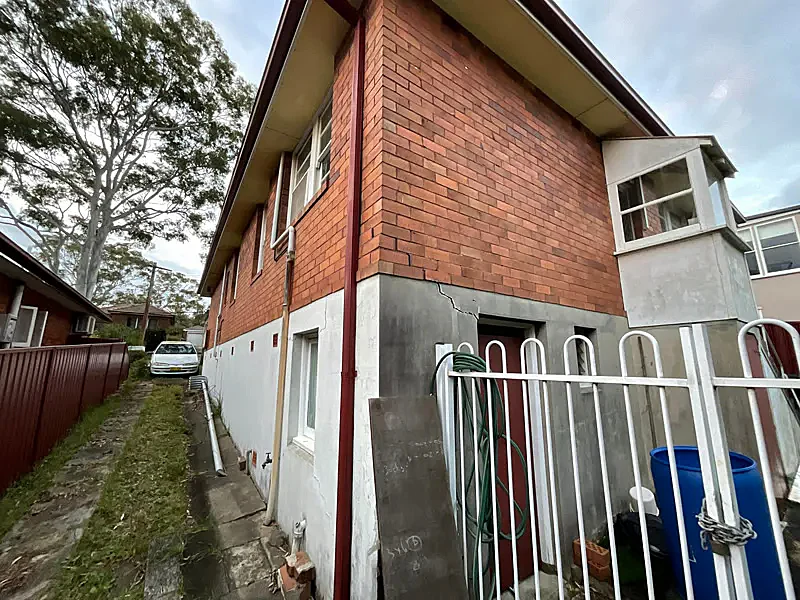 Homeowner
Kingsgrove, NSW
Flood-Damaged Foundation Fixed in a Day
Surface water eroded the foundation and shifted a wall outward. GeoPoly™ filled the voids, raised the wall 20mm, and realigned the brickwork — all in one day.
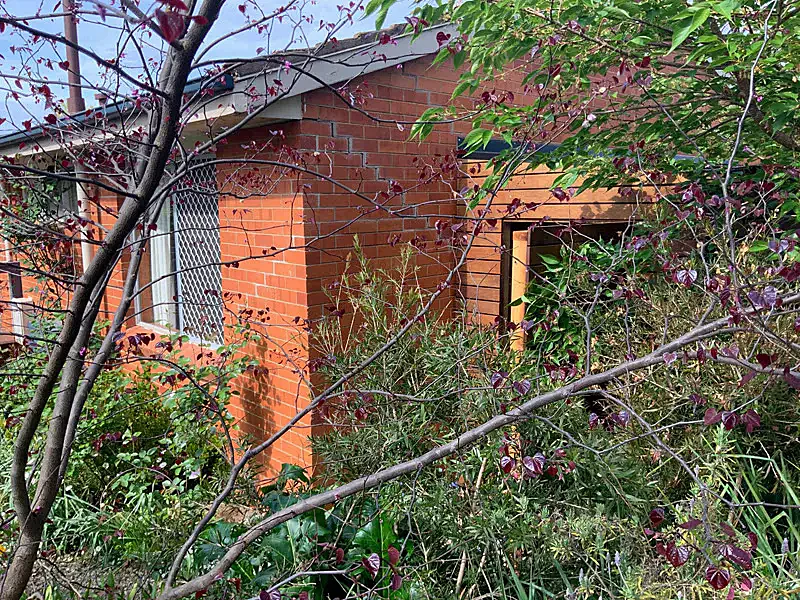 Homeowner
Mawson, ACT
Sinking Corner Lifted 10mm and Stabilised
A recently patched corner cracked open again — proof that cosmetic fixes don’t work. GeoPoly™ lifted the corner 10mm and stabilised the reactive clay foundation permanently.
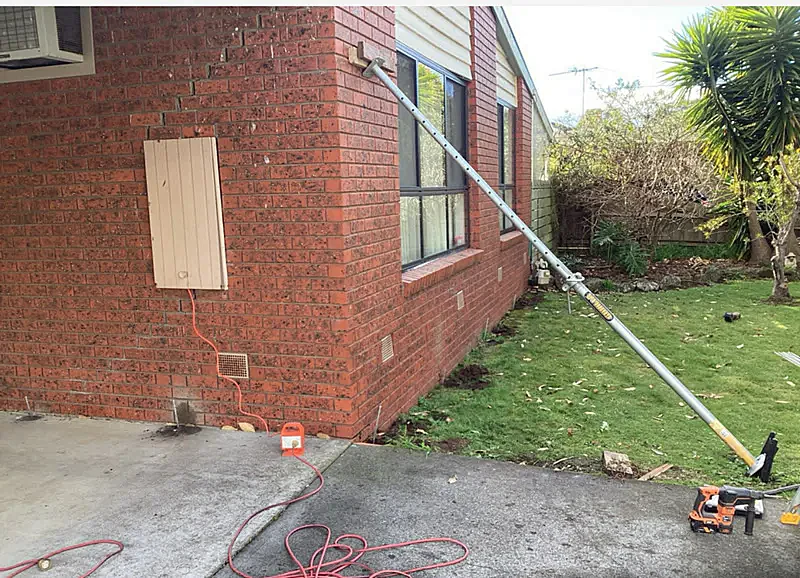 Homeowner
Balnarring Beach, VIC
Hidden Tree Roots Behind Foundation Damage
Years of unexplained subsidence traced to a hidden tree root system. GeoPoly™ stabilised the footing and lifted the foundation — the real cause was hiding in plain sight.
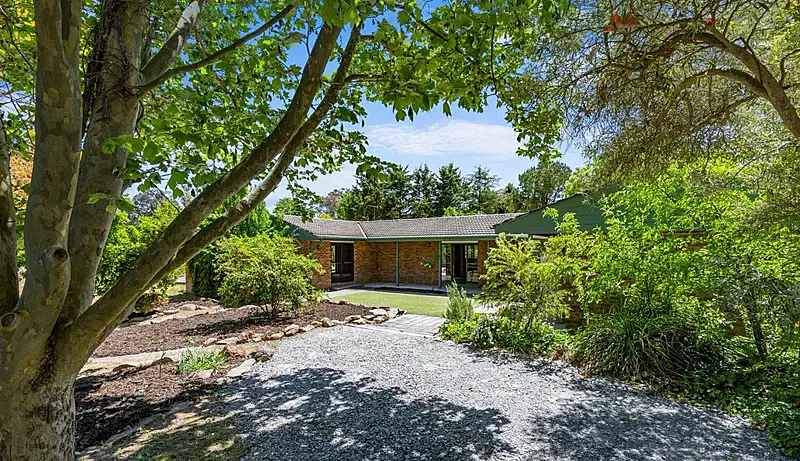 Homeowner
Murrumbateman, NSW
Auction-Ready After a 25mm Foundation Lift
Significant cracks and rotating walls threatened to derail an auction. GeoPoly™ lifted the foundation 25mm and closed the cracks in a single day — making the home auction-ready.
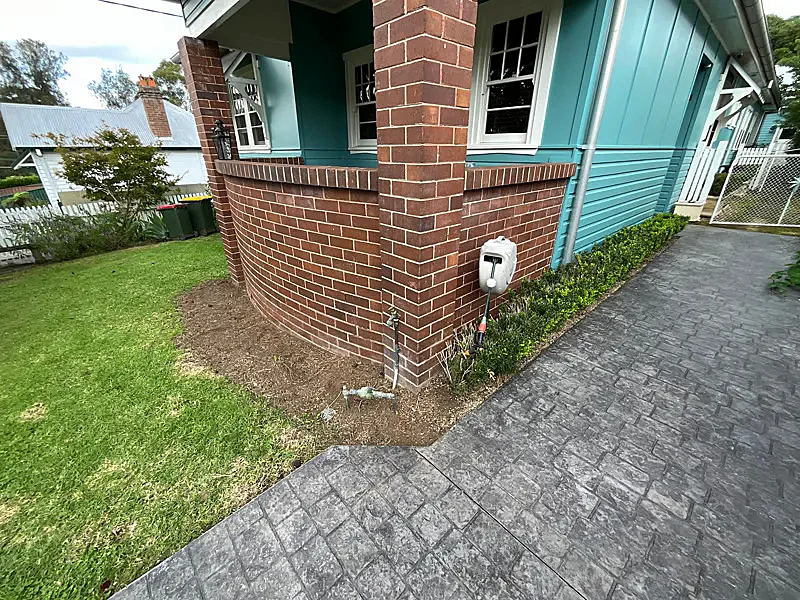 Homeowner
Mays Hill, NSW
Brick Veranda Realigned to Save the Roof
A veranda pulling away from the house, columns rotating, and a roof at genuine risk of collapse. Foundation stabilisation and HelicalBar™ repair resolved everything in a day.
“All of the Buildfix team have been easy to communicate with. Everyone was punctual and communicated arrival times well ahead of arrival.”
Scott HolmesMelbourne, VIC
“All of the Buildfix team have been easy to communicate with. Everyone was punctual and communicated arrival times well ahead of arrival.”
Scott HolmesMelbourne, VIC
“All of the Buildfix team have been easy to communicate with. Everyone was punctual and communicated arrival times well ahead of arrival.”
Scott HolmesMelbourne, VIC
“All of the Buildfix team have been easy to communicate with. Everyone was punctual and communicated arrival times well ahead of arrival.”
Scott HolmesMelbourne, VIC
Questions?
Our team is here to answer any questions you may have Monday – Friday 8am to 4pm AEST. Give us a call on 1300 854 115.