What We Fix
Sloping Concrete Floors
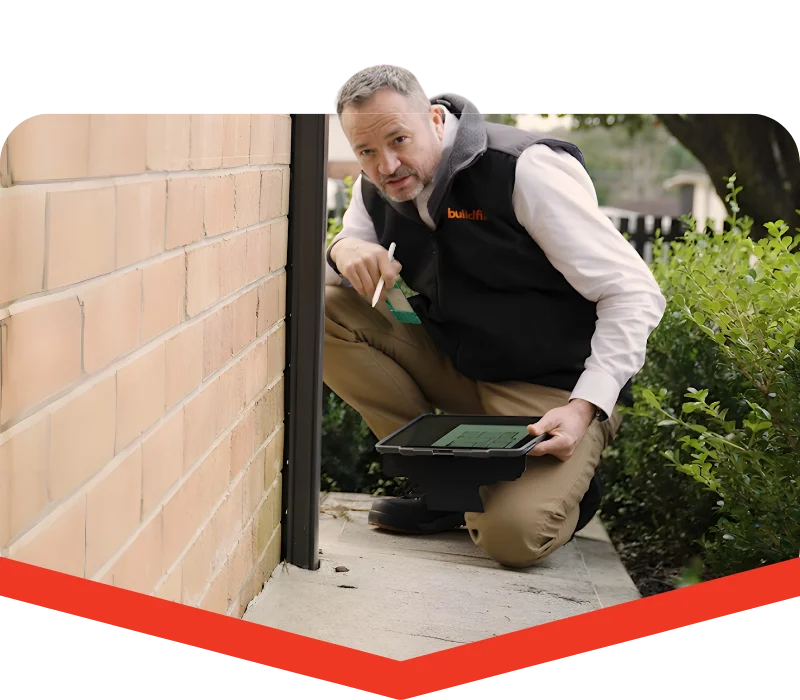
Relevel sloping concrete floors from underneath — no tiles removed, no cement poured on top. Walk on it the same day.
- Free assessment · 1–2 day repair · 20-year warranty
- Structural Engineers · Licensed Builders · Skilled Technicians
 Trustpilot
 Google
What We Fix
Sloping Concrete Floors
Relevel sloping concrete floors from underneath — no tiles removed, no cement poured on top. Walk on it the same day.
- Free quote · 1–2 day repair · 20-year warranty
- Structural Engineers · Licensed Builders · Skilled Technicians
Sloping Concrete Floors
Relevel sloping concrete floors from underneath — no tiles removed, no cement poured on top. Walk on it the same day.
- Free structural assessment with a fixed-price quote
- No tiles removed — most jobs done in a single day
- 20-year product and workmanship warranty
Structural Engineers · Licensed Builders · Skilled Technicians
TrustpilotGoogleWhy are my concrete floors sloping?
You can feel it underfoot. The floor leans toward one wall. Doors have started sticking. The kitchen bench is pulling away from the splashback. Tiles are cracking for no obvious reason. Something has shifted — and it's getting worse.
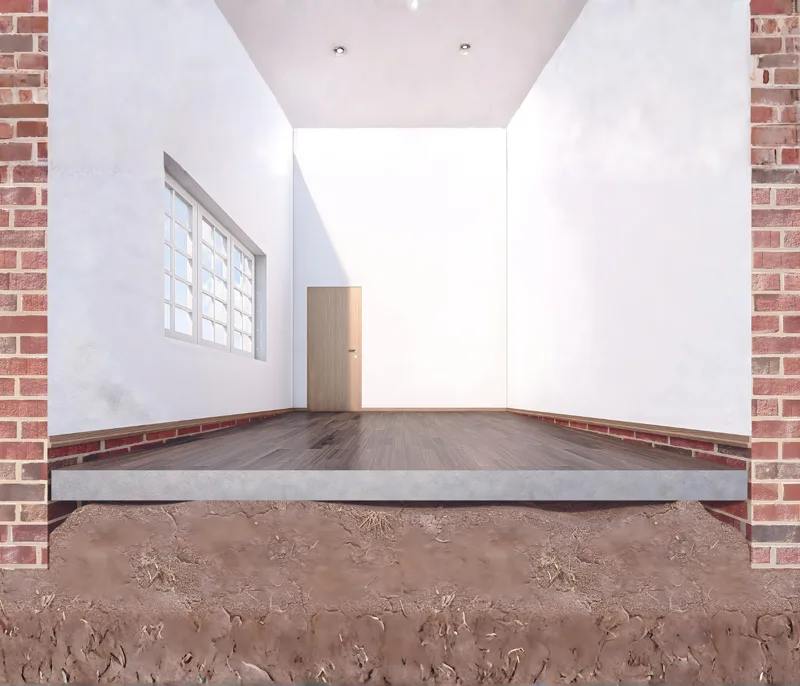
The good news: sloping concrete floors — whether from sunken concrete slabs or soil settlement — can be relevelled from underneath without removing tiles, without pouring cement on top, and without replacing the slab. Fix the ground beneath it, and the floor goes back where it belongs. That's what 15,000+ jobs have taught us — the concrete is almost never the problem. The ground underneath is.
The signs below will help you work out what's happening beneath your floor — and whether it can be relevelled without ripping it up.
What are the symptoms of sloping concrete floors?
Some signs are obvious — you can feel the slope underfoot. Others show up as problems you didn’t connect to the floor. Here’s what to look for.
You Can Feel the Slope Underfoot
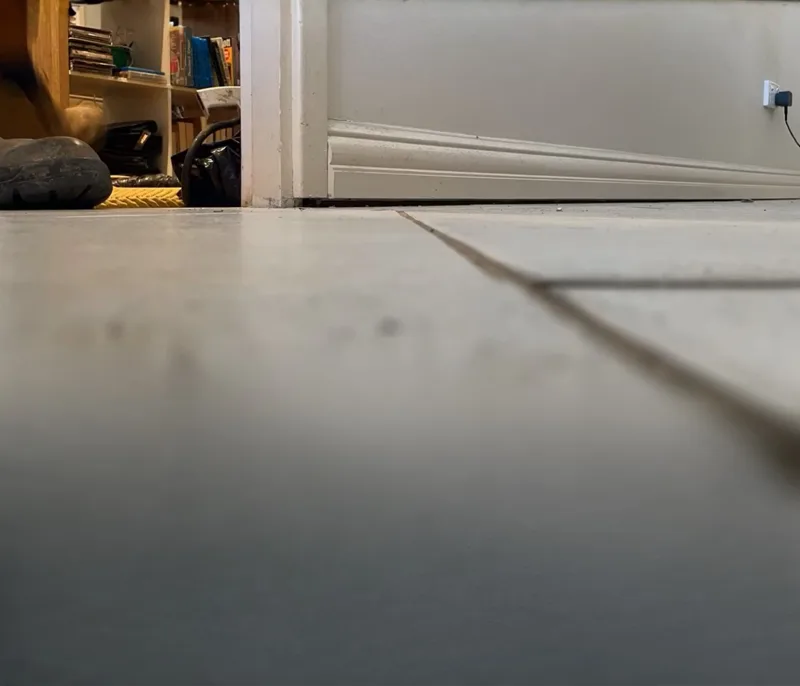
Walk across the room and you can feel the lean — toward one wall, one corner, or dipping in the centre. Furniture wobbles. Doors close on their own. Place a ball on the floor and it rolls. A spirit level confirms what your feet already told you. The slope may only be a few centimetres across the room, but once you notice it, you can’t un-notice it.
Cracks in Walls and Ceilings
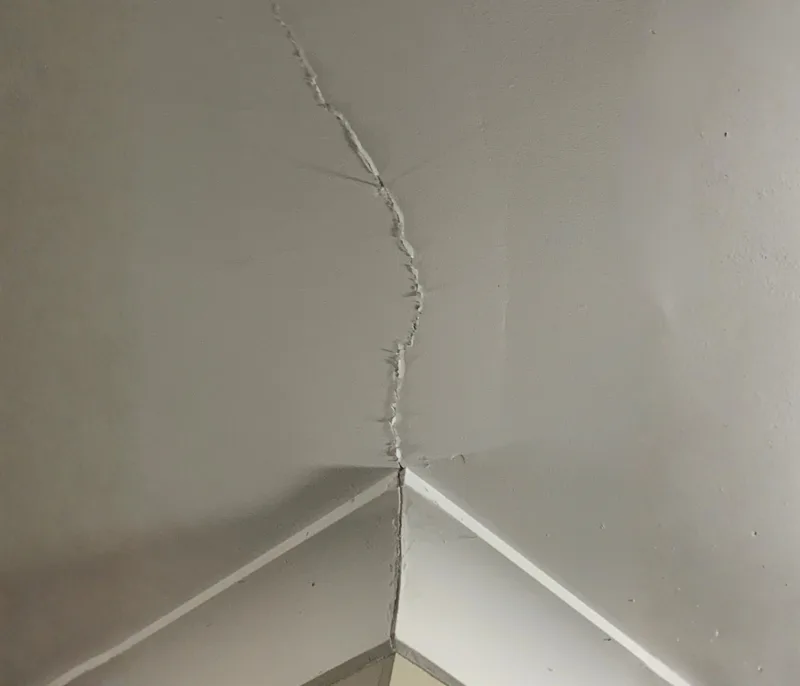
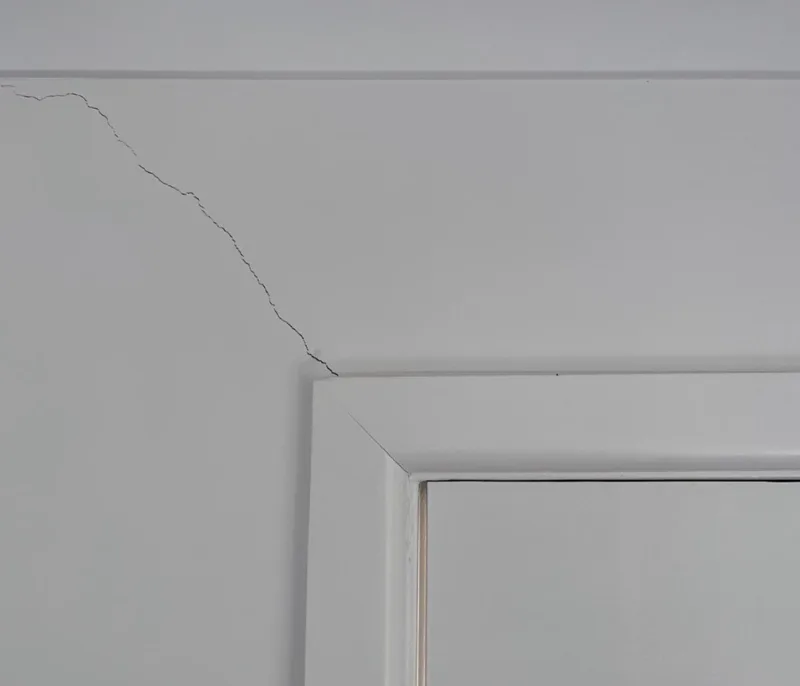
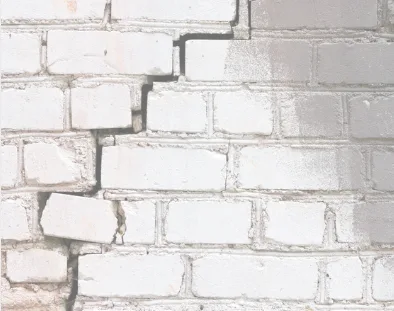
When a slab moves, the walls above move with it. Diagonal cracks radiating from door and window corners, horizontal cracks along ceiling lines, cracks through render outside — these all point back to the floor. If the slab is part of the footing — a raft or waffle slab — the entire structure follows the movement. If it’s an insert slab, the floor drops independently while the walls stay put, and the gap between them opens up.
Doors Sticking or Jamming
A door that used to close fine and now drags, jams, or swings open on its own. When a slab tilts, the door frame twists out of square. The door catches at the top or scrapes the floor. If multiple doors in the same area are affected, the slab has moved significantly beneath that section of the house.
Wardrobe Doors Don’t Fit
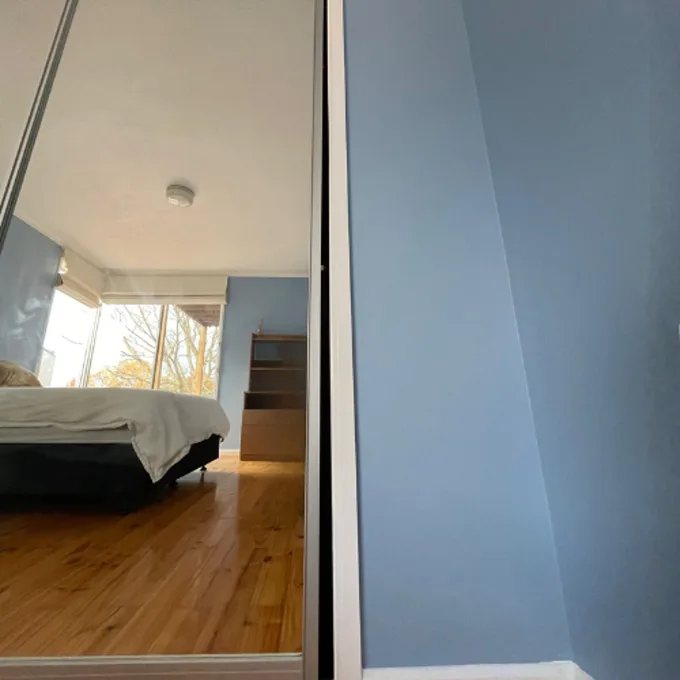
Sliding wardrobe doors that used to glide and now jump off the track, jam, or leave a gap at one end. Hinged wardrobe doors that won’t stay closed or swing open on their own. The wardrobe hasn’t moved — the floor beneath it has tilted, and the frame is no longer square. If the problem appeared gradually, the slab is still settling.
Kitchen Bench Pulling Away from the Wall
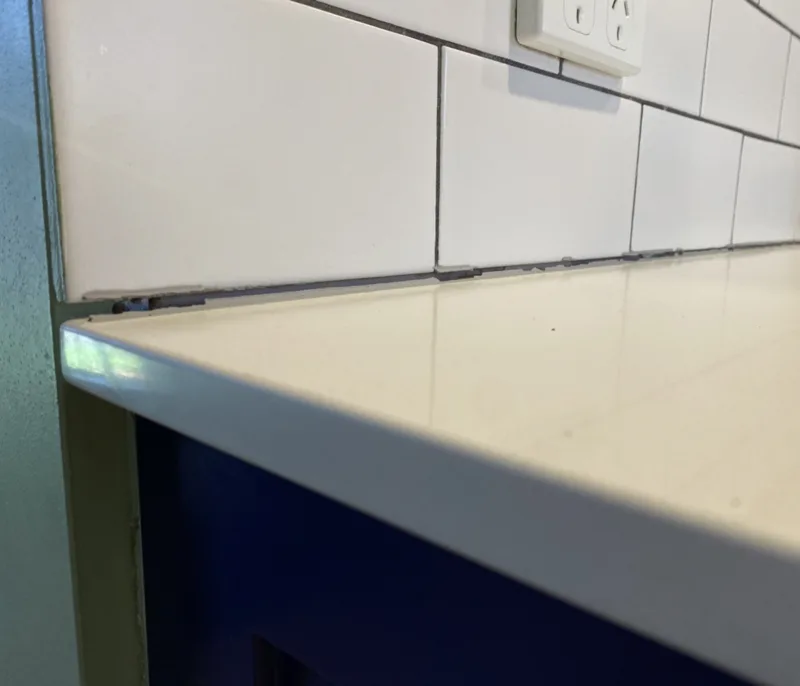
A gap opening between the benchtop and the splashback, or the vanity and the wall. The bench sits on the floor. The splashback is fixed to the wall. When the slab drops, the bench drops with it — and pulls away from the wall behind it. The same thing happens with skirting boards: the skirting is fixed to the wall, but the floor has dropped away from it.
Gaps Under Internal Walls
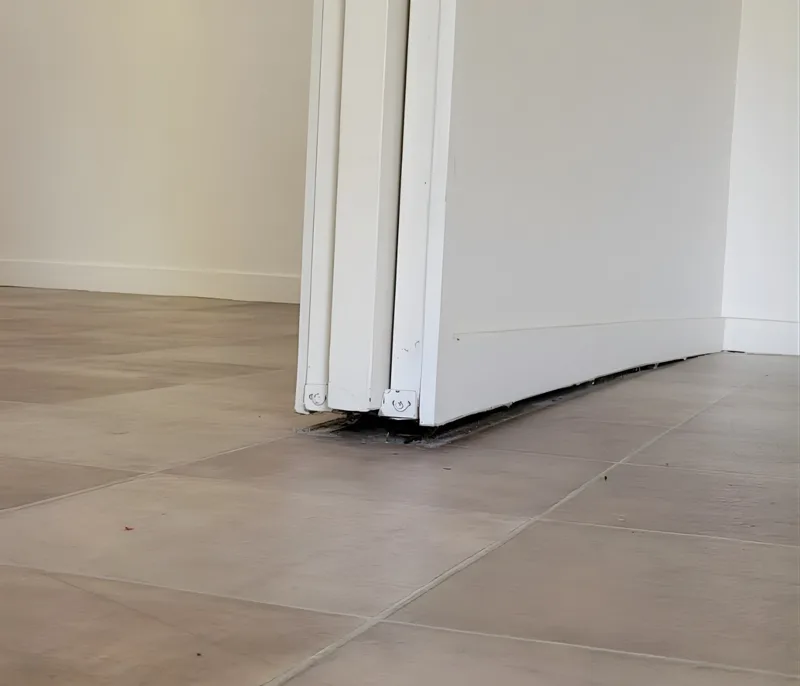
A gap opening between the bottom of an internal wall and the floor — daylight or a draught coming through where there used to be none. Internal walls are fixed to the frame or the perimeter footings. When the slab beneath drops away, the wall stays put and a gap opens at the base. Run your finger along the skirting line — if the gap is wider at one end, the slab has tilted rather than dropped evenly.
Cracking, Popping Tiles
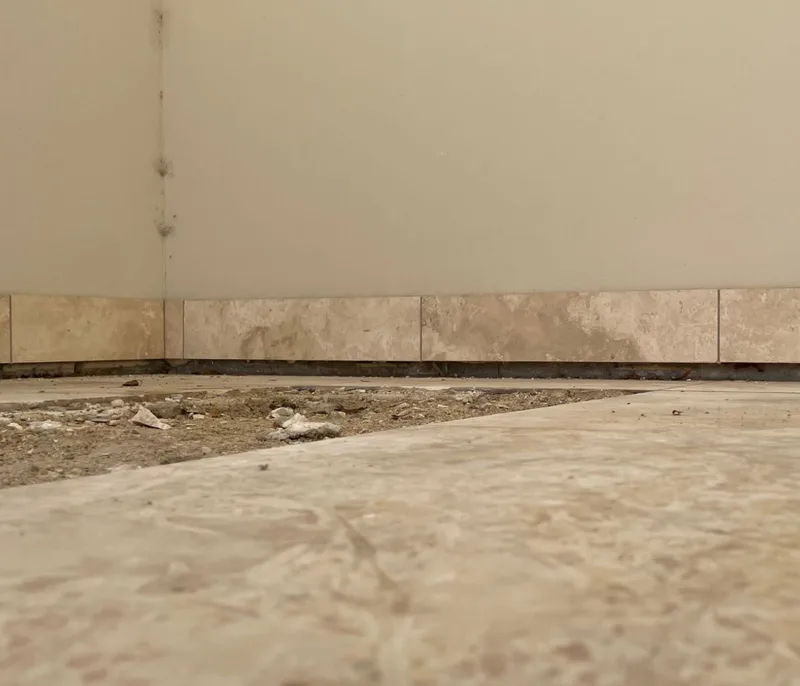
Tiles are rigid — they can’t flex with a moving slab. When the concrete beneath shifts unevenly, the tiles snap. Hairline cracks appear first, then longer fractures running across multiple tiles. Tap the tile — if it sounds hollow, the bond between the adhesive and the concrete has broken. Next they start popping up, lifting off the slab entirely. Replacing the tiles doesn’t fix it — the new ones crack the same way. The tiles aren’t the problem. The ground beneath the slab is still moving.
How to spot sloping concrete floors
How to fix sloping concrete floors
Non-Invasive. Laser-Monitored. Walk on It the Same Day.
Fix the Ground Beneath. Not the Surface Above.
GeoPoly™ SJ120 — a controlled-expansion structural resin — is injected through coin-sized holes directly into the ground beneath the slab. The resin fills the voids, compacts the weakened soil, and expands with precision to lift the concrete back towards level. Laser levelling equipment monitors every millimetre of movement in real time. The resin hardens within minutes — tougher than the original ground.
No tiles are removed. No cement is poured on top. No jackhammers. The existing slab stays exactly where it is — it just goes back where it belongs. Most jobs are done in a few hours, and you can walk on the floor immediately after. That's it.
Not sure if your sloping floor can be relevelled? That's exactly what the free assessment answers.
What to expect
A step-by-step guide of how the concrete floor relevelling process works — from assessment to completion.
 Step 1
Free Structural Assessment
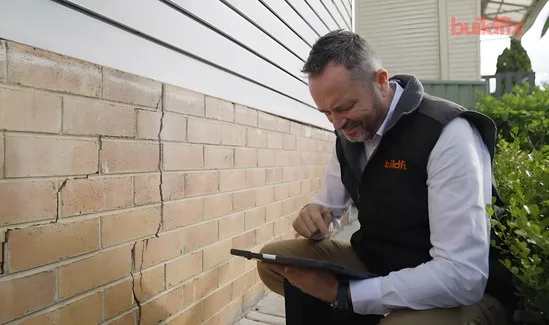
A Buildfix engineer checks floor levels, inspects the slab, and identifies what’s causing the slope — whether it’s reactive clay, soil washout, poor compaction, or a plumbing leak beneath the concrete. A GeoPoly™ relevelling plan is designed on the spot.
 Step 2
Get Your Quote and Book
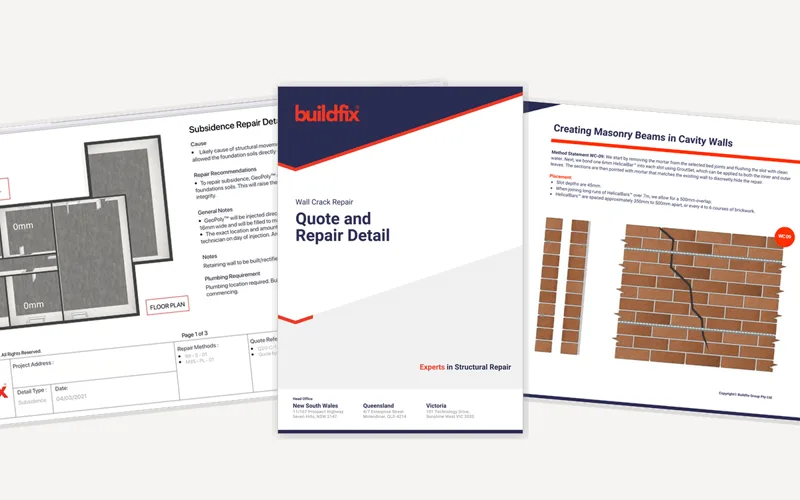
A complete quote package arrives — detailed drawings, repair method statement, and a fixed-price quote. The price you see is the price you pay. When you’re ready, book through the online portal and suitable dates are organised for the work.
 Step 3
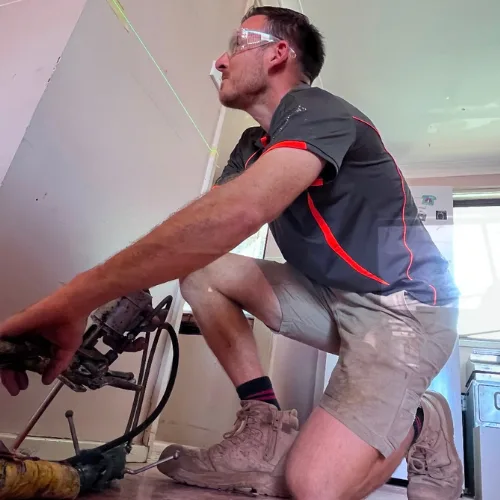
GeoPoly™ Injection
Small holes are drilled through the slab at precise intervals. GeoPoly™ resin is injected directly into the ground beneath the concrete — filling voids, compacting weakened soil, and creating a stable base for the slab to sit on. No tiles are removed. No self-levelling cement is poured on top.
 Step 4
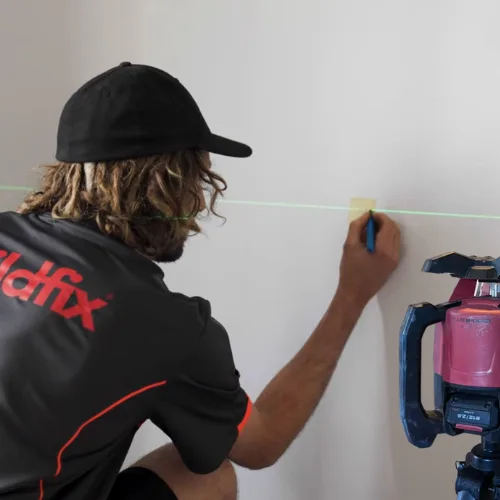
Lift, Level, and Verify
The slab is gradually lifted back towards level using laser-monitored precision. Digital sensors track every millimetre of movement in real time. The engineer confirms the results before the team leaves. The floor is walkable immediately.
 Step 5
Receive Your Warranty
Your 20-year product and workmanship warranty arrives via email with the Completion Package — a job report covering the work, materials, and images.
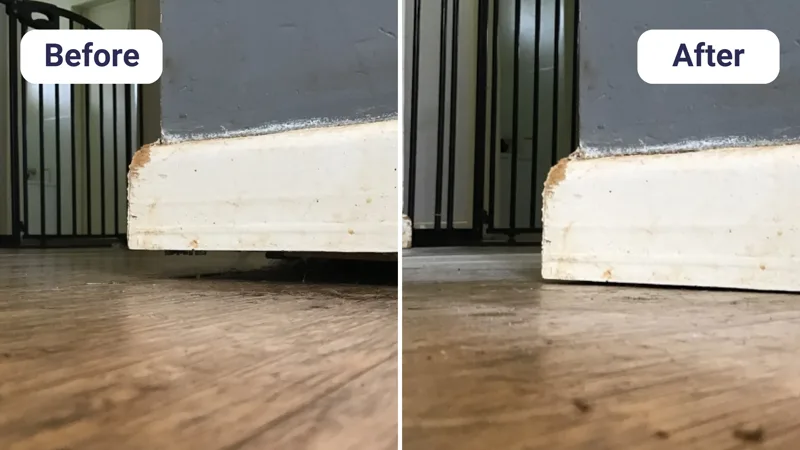
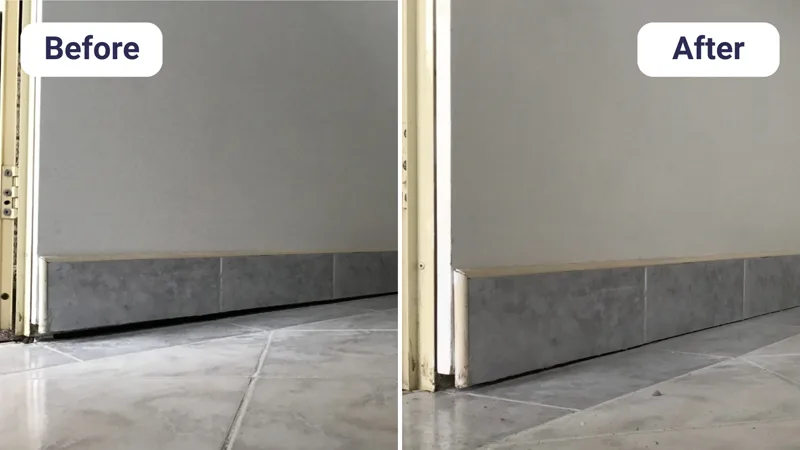
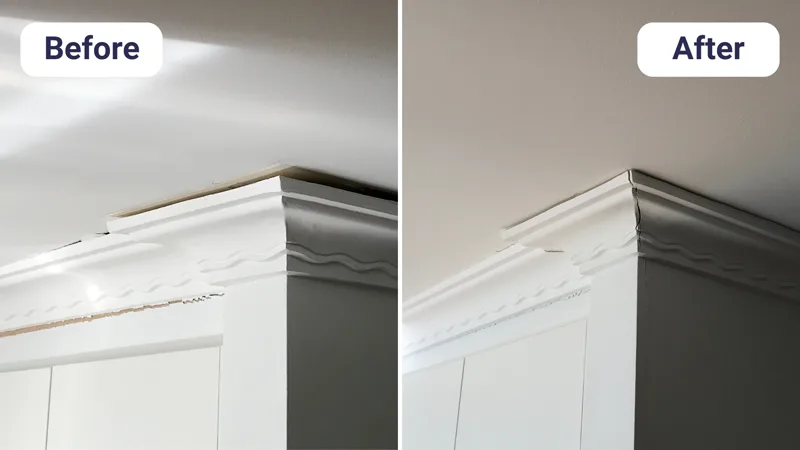
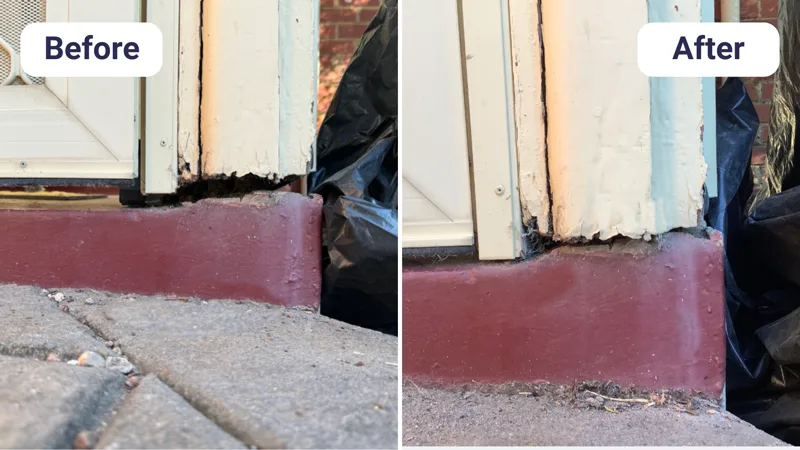
See the difference
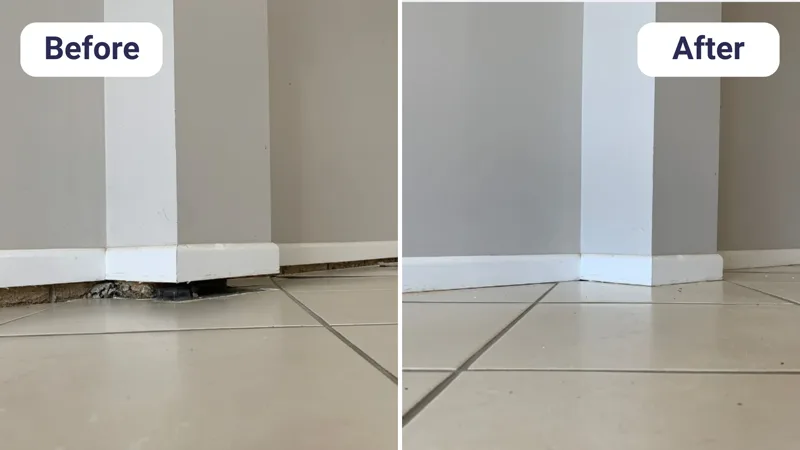
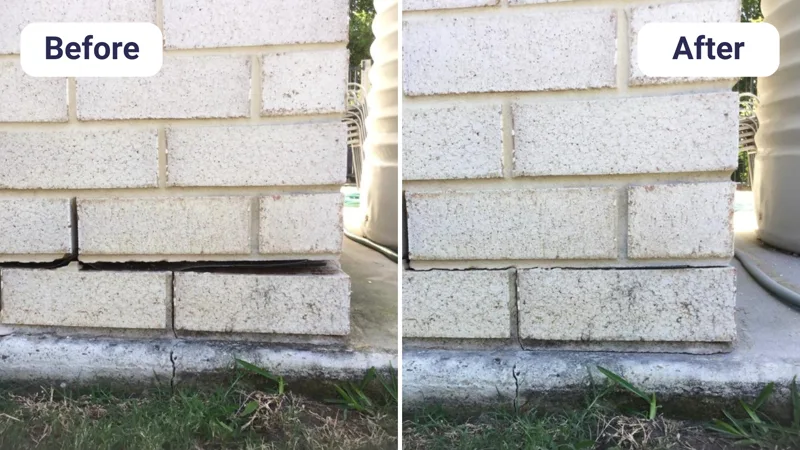
Actual GeoPoly™ concrete floor relevelling — before and after.
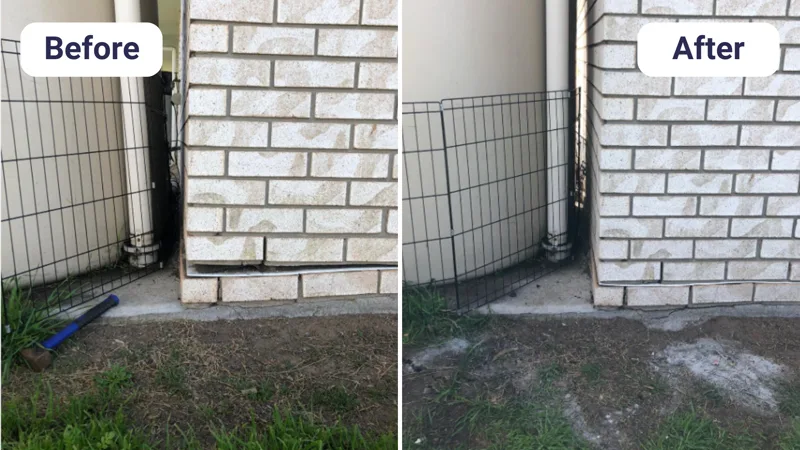
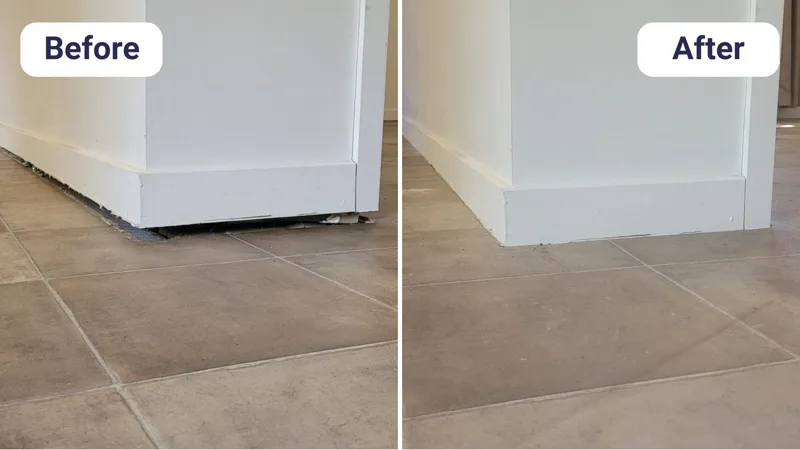
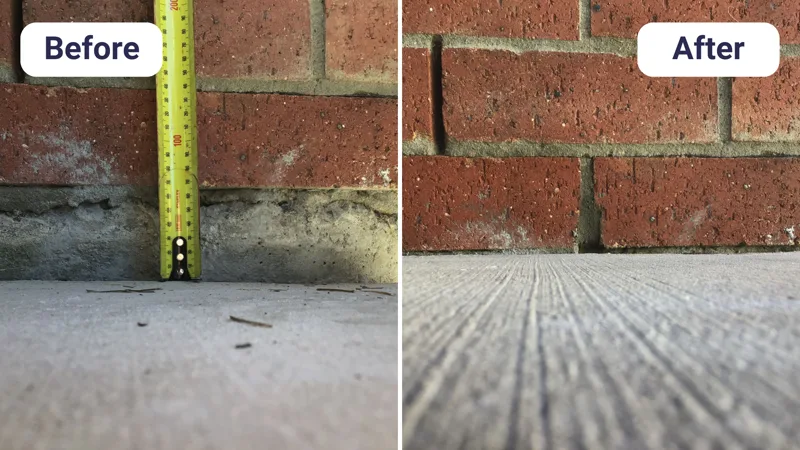
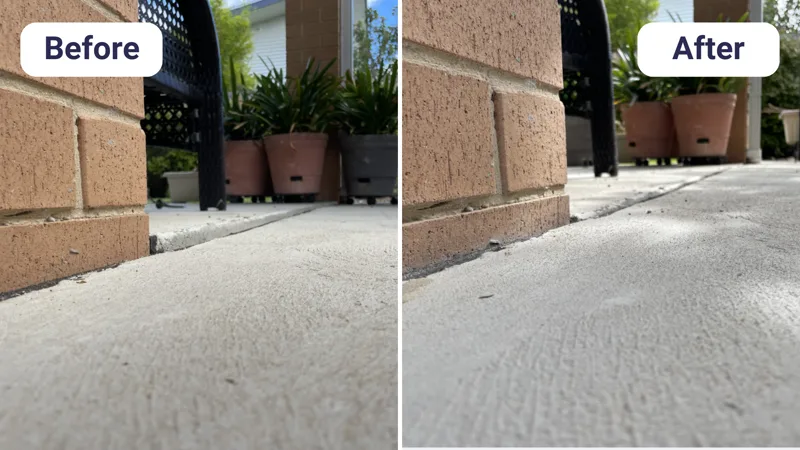
Instant results.
Guaranteed to last.
The benefits of fixing sloping concrete floors with GeoPoly™.
Sloping concrete floors are lifted back towards level from beneath — no breaking up the slab. GeoPoly™ fills voids, compacts the soil, and lifts the concrete with millimetre precision. Doors close again. Furniture sits flat.
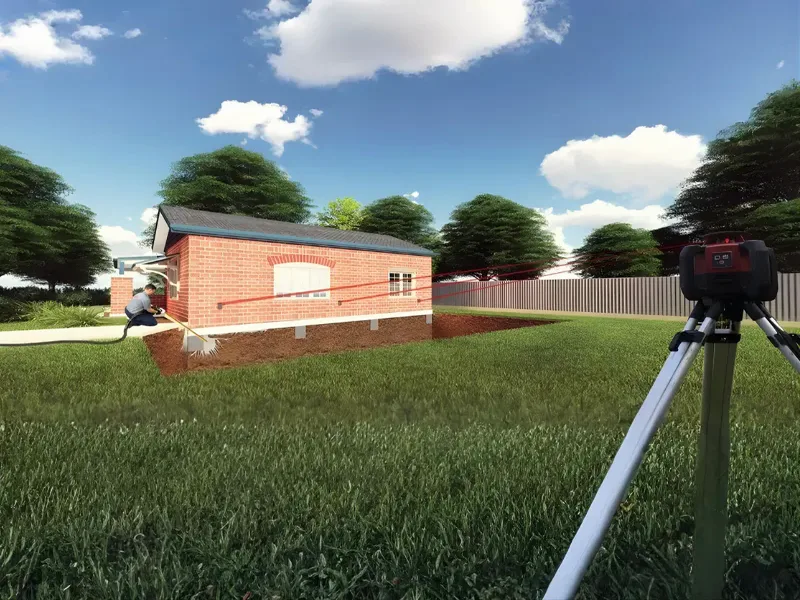
Not sure if it's subsidence? Get your home assessed for free — we'll explain exactly what's going on and what can be done.
Real homes. Real results.
15,000+ homes and structures repaired. Want to see real Buildfix concrete floor relevelling? Browse a few below.
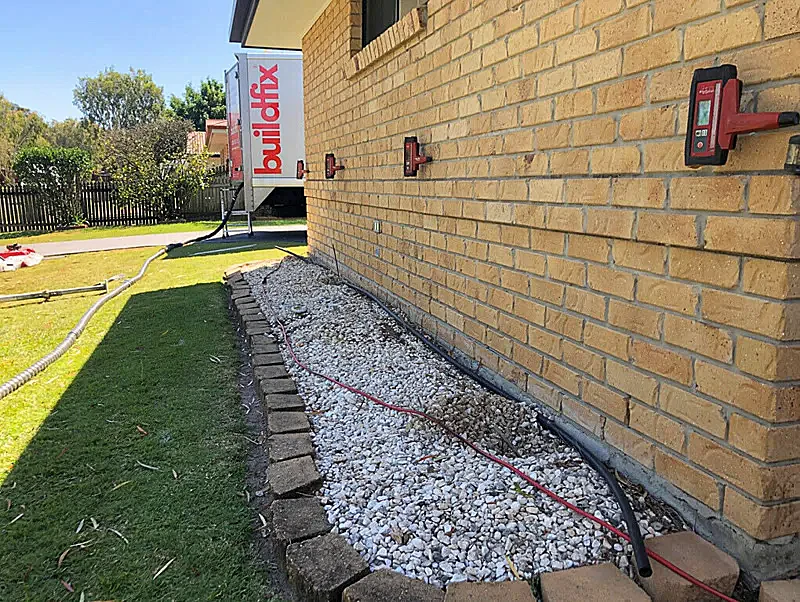 Homeowner
Loganholme, QLD
Sinking Garage Lifted 45mm — Harleys and All
A garage sinking for over two decades on poorly prepared soil. GeoPoly™ lifted the slab 45mm in under four hours — the Harleys never moved.
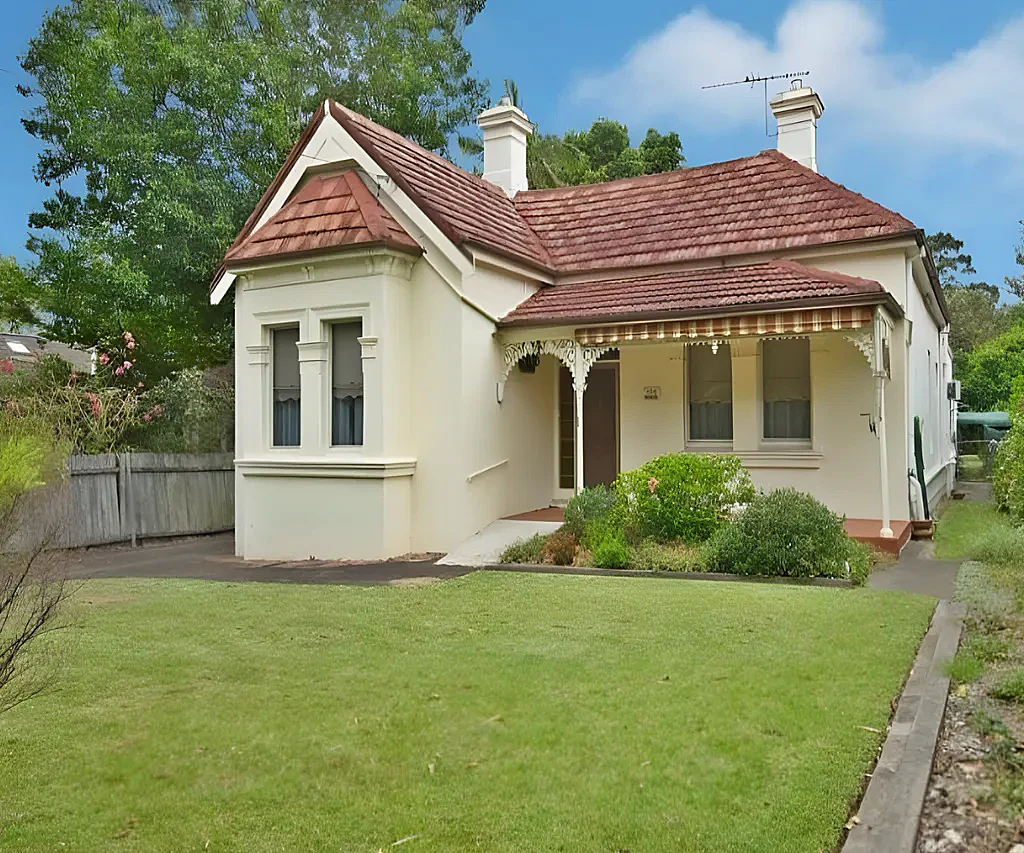 Homeowner
Strathfield, NSW
Heritage Home Repaired Twice, Same Team
When new cracks appeared in this 150-year-old Strathfield home, the owner didn’t hesitate — they called Buildfix again. Buildfix had already fixed the front of the house years earlier. This time, the team tackled the rear.
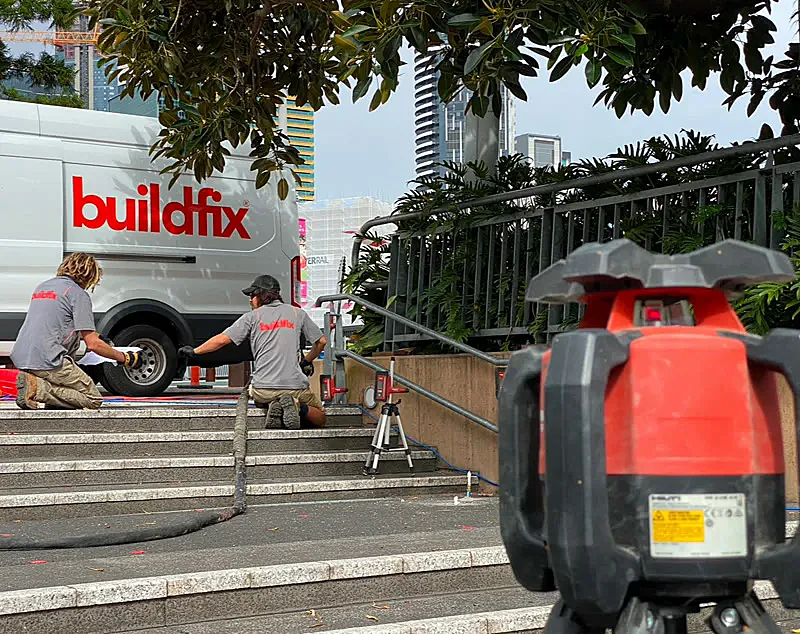 Commercial
Brisbane CBD, QLD
Roma Street Parkland Walkways Relevelled
Sunken stairs, walkways, and bikeways across 16 hectares of public parkland. Brisbane City Council has used Buildfix to relevel affected sections.
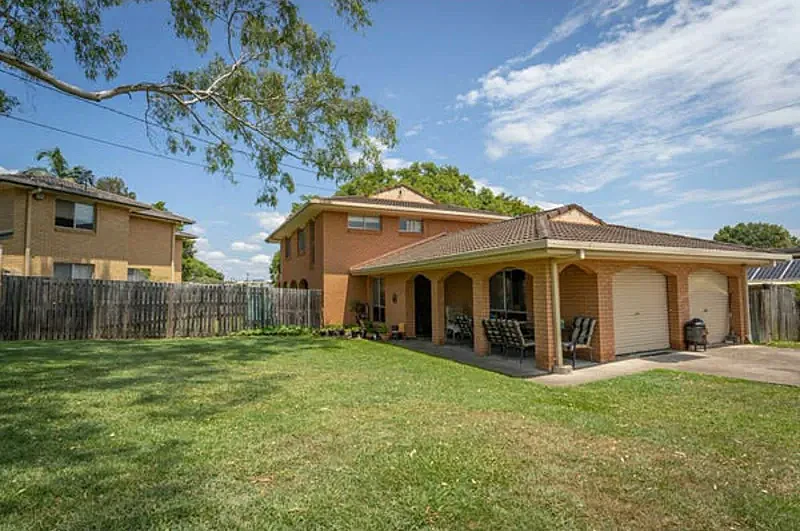 Homeowner
Raceview, QLD
Dining Floor Relevelled — Not a Tile Broken
A sinking dining room floor on reactive black soil — relevelled in one day through 1cm holes in the grout joints, without breaking a single tile.
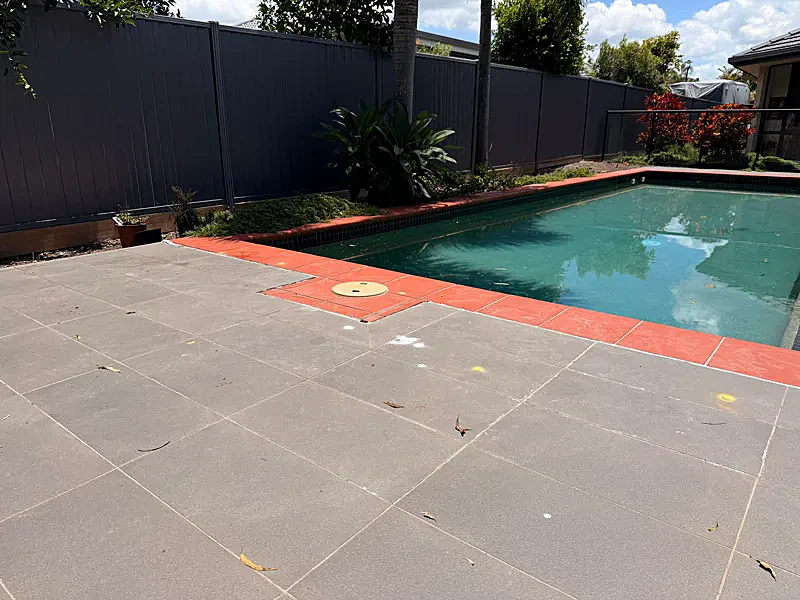 Homeowner
Ormeau, QLD
Pool Surround Relevelled — No Tiles Lifted
Sections of the tiled pool surround had sunk, creating uneven edges and a daily safety hazard around water. Relevelled without pulling up a single tile.
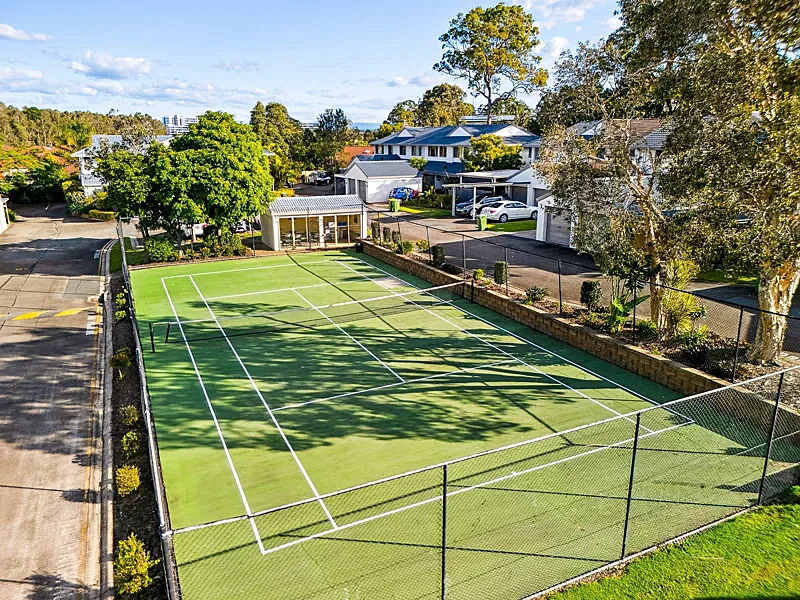 Commercial
Runaway Bay, QLD
Sunken Tennis Court Lifted 100mm
A tennis court at a residential complex had dropped 100mm — a genuine trip hazard. GeoPoly™ lifted it back to level without reconstructing the surface.
“All of the Buildfix team have been easy to communicate with. Everyone was punctual and communicated arrival times well ahead of arrival.”
Scott HolmesMelbourne, VIC
“All of the Buildfix team have been easy to communicate with. Everyone was punctual and communicated arrival times well ahead of arrival.”
Scott HolmesMelbourne, VIC
“All of the Buildfix team have been easy to communicate with. Everyone was punctual and communicated arrival times well ahead of arrival.”
Scott HolmesMelbourne, VIC
“All of the Buildfix team have been easy to communicate with. Everyone was punctual and communicated arrival times well ahead of arrival.”
Scott HolmesMelbourne, VIC
Questions?
Our team is here to answer any questions you may have Monday – Friday 8am to 4pm AEST. Give us a call on 1300 854 115.