What We Fix
Salt Attack
Find out what's destroying your brickwork from within — and how to stop it permanently.
- Free assessment · 1–2 day repair · 20-year warranty
- Structural Engineers · Licensed Builders · Skilled Technicians
 Trustpilot
 Google
What We Fix
Salt Attack
Find out what's destroying your brickwork from within — and how to stop it permanently.
- Free quote · 1–2 day repair · 20-year warranty
- Structural Engineers · Licensed Builders · Skilled Technicians
Salt Attack
Find out what's destroying your brickwork from within — and how to stop it permanently.
- Free assessment with a fixed-price quote
- Non-invasive treatment — most jobs done in a day
- 20-year product and workmanship warranty
Structural Engineers · Licensed Builders · Skilled Technicians
TrustpilotGoogleIs salt attack damaging my brickwork?
You've noticed bricks crumbling at the base of your walls. White, chalky deposits on the surface. Mortar joints turning to powder between your fingers. Maybe the render has cracked and blown off in patches. You might have already repointed or replastered — and it came back worse.
The bricks aren't the problem. The salt inside them is. When moisture enters masonry — from the ground, from coastal spray, from poor drainage — it carries dissolved salts deep into the brick and mortar. As the wall dries, those salts crystallise and expand inside the pores of the masonry. That expansion is powerful enough to fracture brick from within. The technical term is spalling — and once it starts, every wet-dry cycle makes it worse.
The signs below will help you work out if salt attack is what's destroying your brickwork — and where the salt is coming from.
What are the symptoms of salt attack?
Not every crumbling brick is salt attack. These are the signs that confirm it.
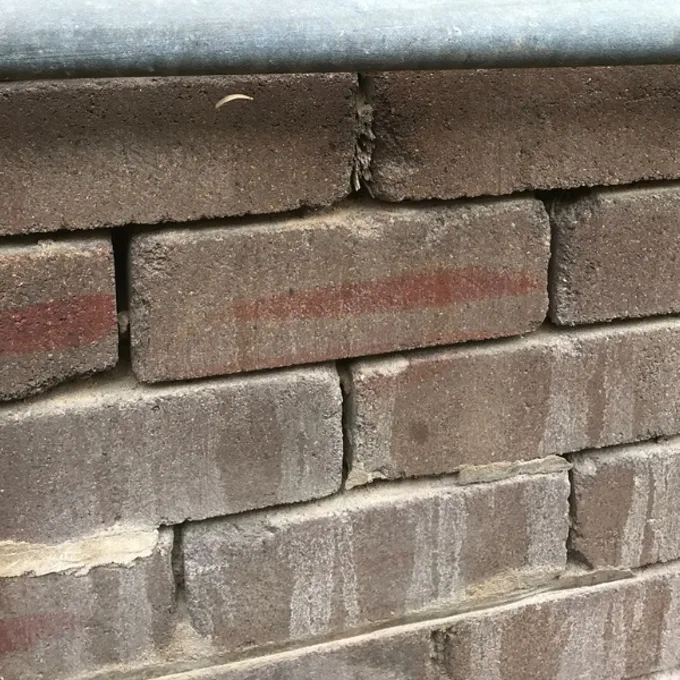
White Deposits on Brickwork (Efflorescence)
White, chalky deposits on the face of your bricks or render are salt crystals — called efflorescence. As moisture moves through the wall and evaporates at the surface, the salts it carried are left behind. Light efflorescence can be brushed off, but if it keeps returning, the salt source is active and the damage is ongoing inside the masonry where you can’t see it.
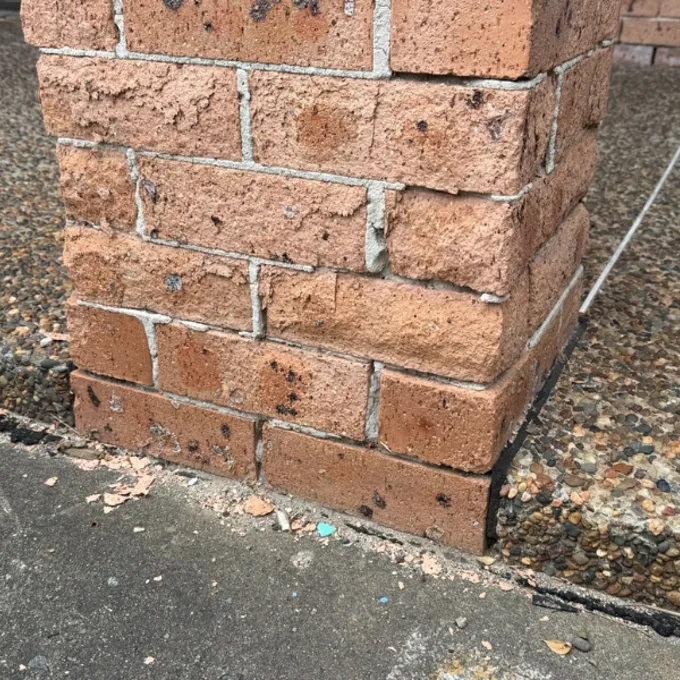
Crumbling or Spalling Bricks
When salt crystallises inside the pores of a brick, it expands with enough force to fracture the surface. The face of the brick cracks, flakes, and eventually crumbles away — a process called spalling. Once the protective outer face is gone, moisture penetrates deeper and the cycle accelerates. Spalling bricks at the base of walls are one of the clearest signs of salt attack.
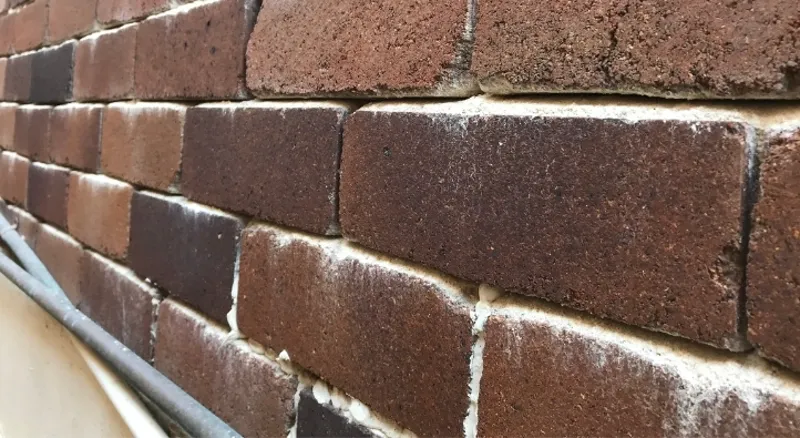
Mortar Joints Falling Apart
Mortar is softer and more porous than brick, so it’s often the first material to fail. Salt crystals form inside the mortar joints and push them apart from within. The mortar turns sandy, recedes behind the brick face, and eventually falls out in chunks. Repointing without stopping the salt source is a temporary fix — the new mortar will fail the same way.
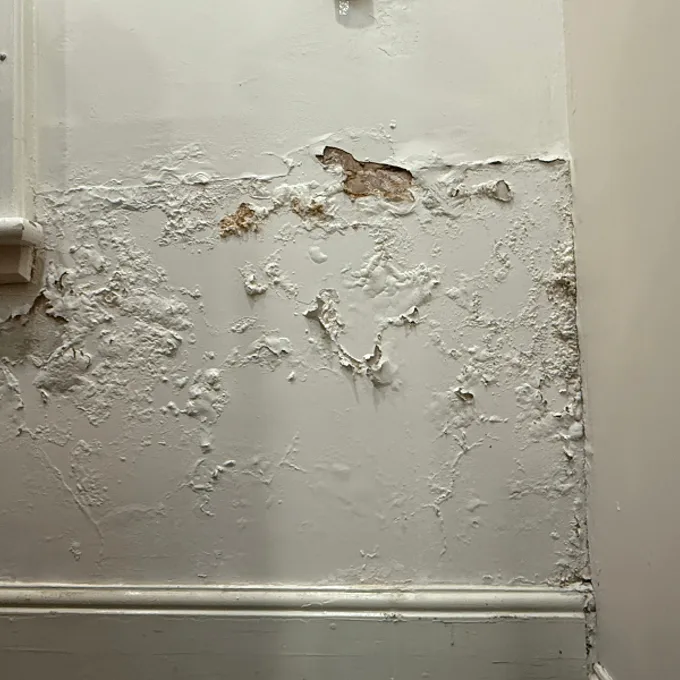
Paint Flaking at the Base of Walls
Paint that blisters, flakes, or turns powdery near the base of your walls is a surface symptom of what’s happening inside the masonry. Salts crystallise behind the paint film and push it off the wall. Repainting without addressing the salt source will only hold for a few months before the same damage reappears. The salt doesn’t stop because the wall looks fresh.
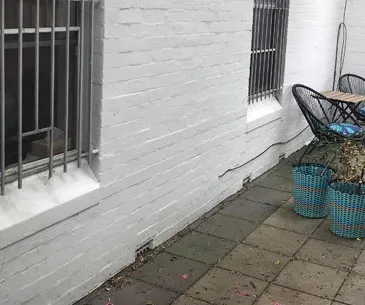
Render Cracking and Blowing Off
When salts crystallise between the render and the brick, they create pressure that separates the two layers. The render sounds hollow when tapped, cracks in map-like patterns, and eventually blows off in sheets. This is called delamination. Re-rendering over active salt attack traps the problem behind a new surface — and the new render will fail the same way.
What are the signs of salt attack?
How to stop salt attack
Stop the Moisture. Stop the Salt.
Identify the Source. Fix It Permanently.
Salt attack is a damage mechanism, not a single problem with a single fix. The salts destroying your brickwork need moisture to move — without it, they stay dormant. Stop the moisture source and you stop the salt cycle. That's why the first step is always identifying where the moisture is coming from.
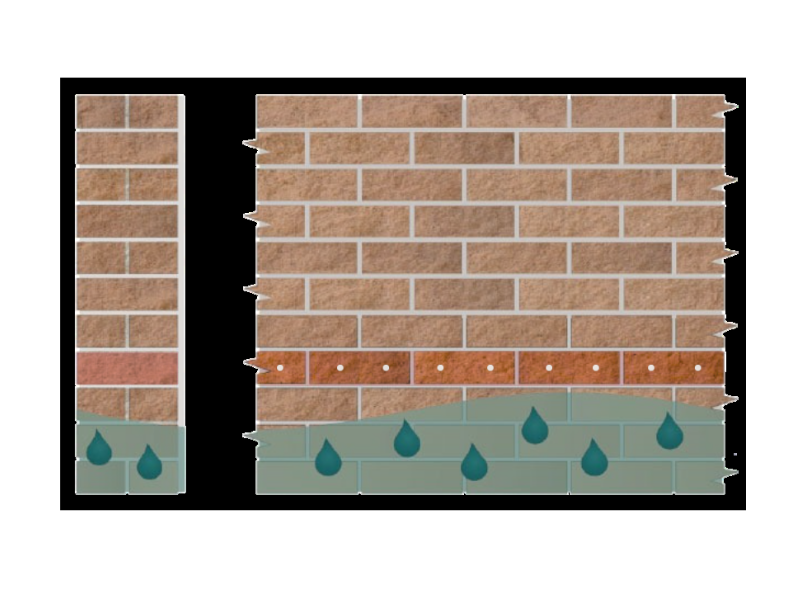
When rising damp is the source, DampBlock™ AQ50 is injected into the mortar course at the base of the wall through small holes drilled at close intervals. The resin spreads through the masonry and cures to form a permanent damp proof course — a brand-new DPC, without removing a single brick. Non-toxic, completely odourless, and most treatments are completed in a single day.
When the salt source is drainage, contaminated fill, or coastal exposure, the fix targets that specific cause — redirecting water, replacing fill, or protecting the masonry from further salt ingress. The free assessment identifies which scenario applies to your property and maps the full extent of the damage.
Once the moisture source is cut off, the wall dries out naturally. The salt crystallisation cycle stops. No more spalling, no more crumbling mortar, no more replastering every few years. The masonry stabilises and the damage stops progressing.
What to expect
A step-by-step guide of how the salt attack treatment process works — from assessment to completion.
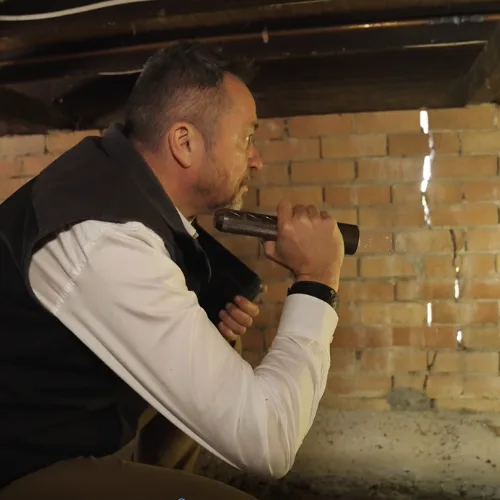 Step 1
Free Salt Attack Assessment
A Buildfix engineer inspects your property with moisture meters and thermal imaging to map the salt damage, identify the moisture source, and determine how far it’s progressed. Is it rising damp, poor drainage, coastal exposure, or contaminated fill? That question gets answered here — with a clear explanation and a treatment plan on the spot.
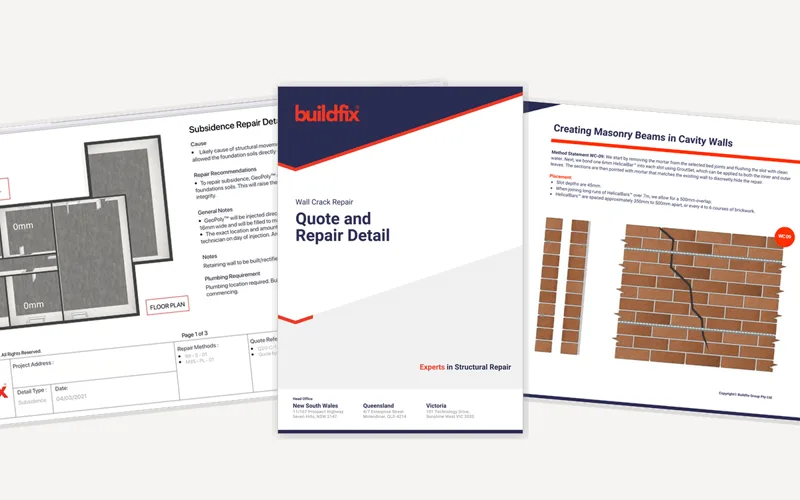 Step 2
Get Your Fixed-Price Quote and Book
A complete quote package arrives — treatment plan, method statement, and a fixed-price quote. The price you see is the price you pay. When you’re ready, book through the online portal and suitable dates are organised for the work.
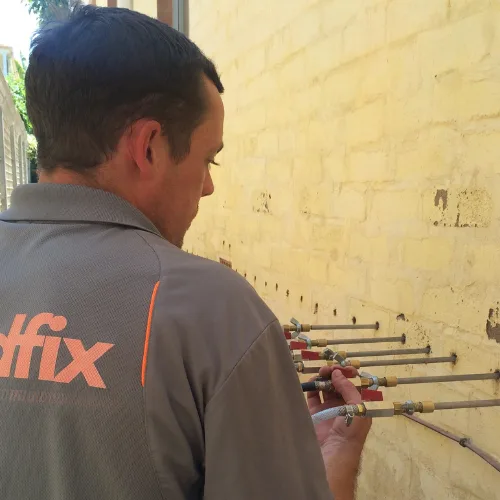 Step 3
Targeted Treatment to Stop the Source
The treatment targets your specific moisture source. For rising damp, DampBlock™ resin is injected into the mortar course to form a permanent damp proof course. For drainage issues, water is redirected away from the masonry. For contaminated fill, the salt source is removed or isolated. The goal is the same in every case — cut off the moisture that carries the salt.
 Step 4
Receive Your 20-Year Warranty
Your 20-year product and workmanship warranty arrives via email with the Completion Package — a job report covering the work, materials, and images.
Rising damp blocked.
Guaranteed to last.
The benefits of treating salt attack with DampBlock™.
Stopping salt attack starts with cutting off the moisture that carries it. DampBlock™ is injected through small holes in the mortar — no digging, no cutting into the wall. The resin cures into a permanent DPC that stops moisture feeding salt into the masonry.
Not sure if it's subsidence? Get your home assessed for free — we'll explain exactly what's going on and what can be done.
Real homes. Real results.
15,000+ homes and structures repaired. Want to see real Buildfix salt attack treatments? Browse a few below.
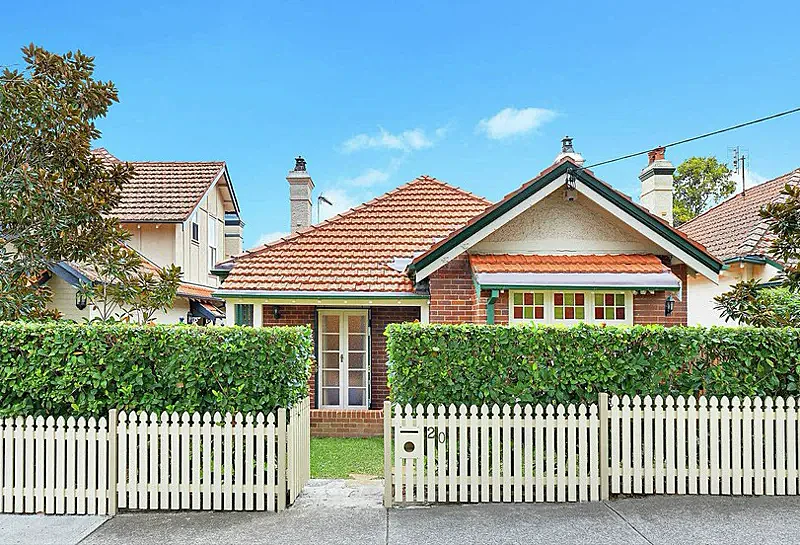 Homeowner
Mosman, NSW
Fresh Tuckpointing Fell Out in Months
Spent money on tuckpointing only to watch the mortar fail again? That’s usually a sign the wall is wet from within — and no amount of repointing will fix it. Book a free damp assessment and find out what’s really going on.
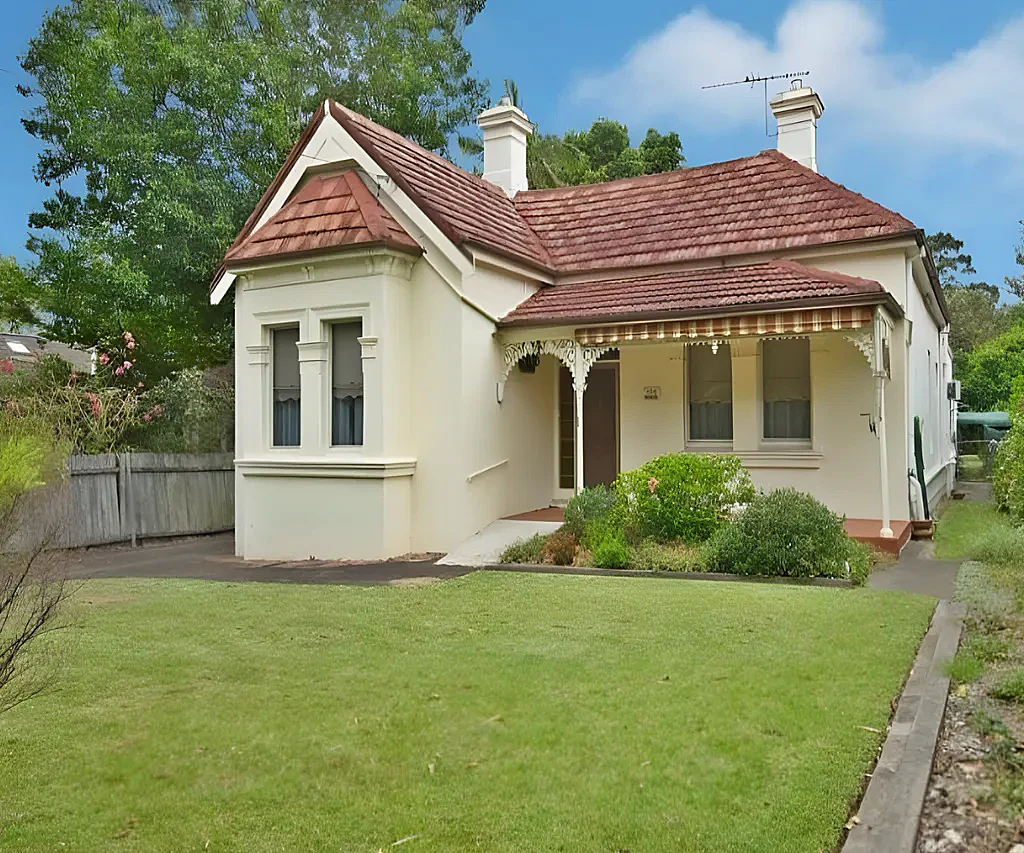 Homeowner
Strathfield, NSW
Heritage Home Repaired Twice, Same Team
When new cracks appeared in this 150-year-old Strathfield home, the owner didn’t hesitate — they called Buildfix again. Buildfix had already fixed the front of the house years earlier. This time, the team tackled the rear.
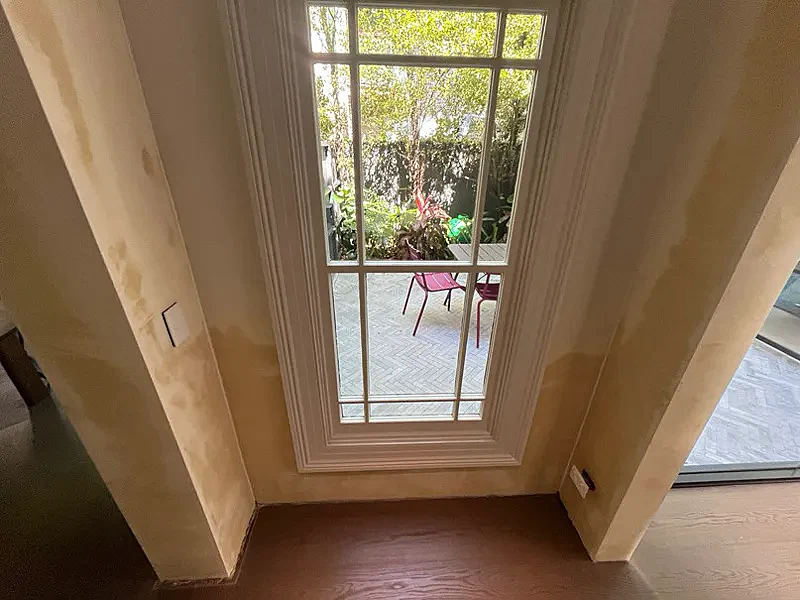 Homeowner
Stanmore, NSW
Terrace Walls Dried Out Without a Trench
Own a terrace in the inner west? Rising damp is one of the most common problems in homes of this age — and excavation is rarely an option. Book a free damp assessment and find out what’s happening inside your walls.
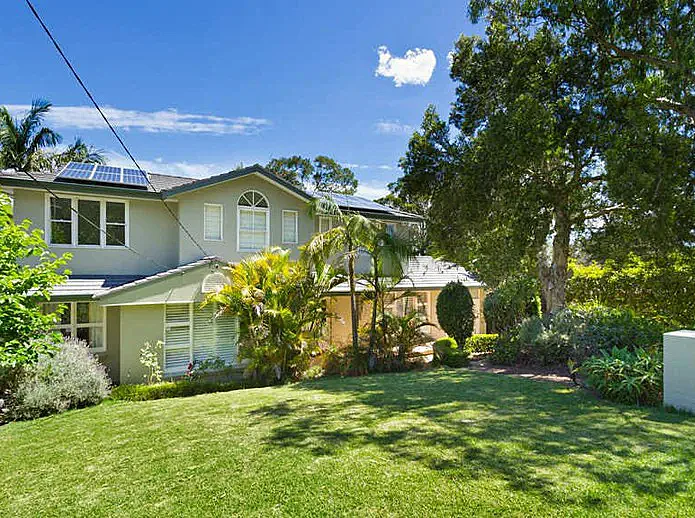 Homeowner
Frenchs Forest, NSW
Damp Attacking From Both Sides
Damp damage showing on both internal and external walls? That means moisture has saturated the full wall — and neither repainting nor re-rendering will stop it. Book a free damp assessment.
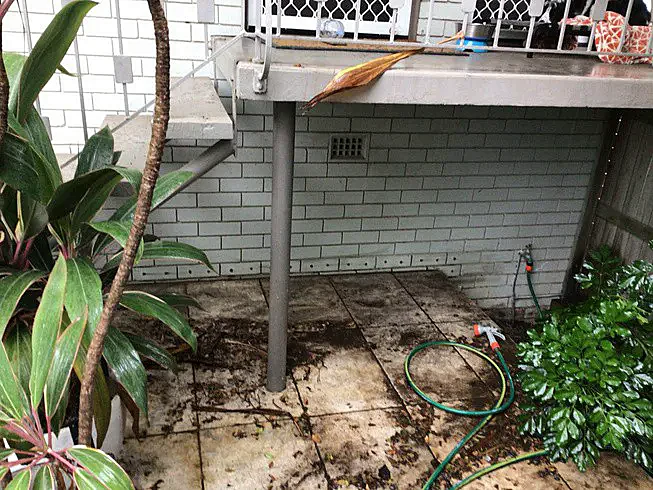 Strata
Ashgrove, QLD
Crumbling Bricks No Bricklayer Could Fix
Strata committee dealing with crumbling brickwork that no tradesperson seems able to fix? The problem might not be the bricks — it might be what’s happening behind them. Book a free damp assessment for your building.
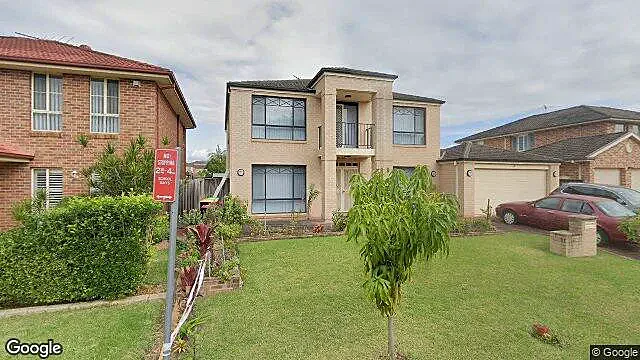 Homeowner
Prestons, NSW
Rising Damp in Both Balcony Pillars
Rising damp in brick pillars, piers, or columns? The damage accelerates faster in exposed masonry — don’t wait for it to reach the top. Book a free damp assessment.
“All of the Buildfix team have been easy to communicate with. Everyone was punctual and communicated arrival times well ahead of arrival.”
Scott HolmesMelbourne, VIC
“All of the Buildfix team have been easy to communicate with. Everyone was punctual and communicated arrival times well ahead of arrival.”
Scott HolmesMelbourne, VIC
“All of the Buildfix team have been easy to communicate with. Everyone was punctual and communicated arrival times well ahead of arrival.”
Scott HolmesMelbourne, VIC
“All of the Buildfix team have been easy to communicate with. Everyone was punctual and communicated arrival times well ahead of arrival.”
Scott HolmesMelbourne, VIC
Questions?
Our team is here to answer any questions you may have Monday – Friday 8am to 4pm AEST. Give us a call on 1300 854 115.