
Case Study
1920s Apartment Stabilised — No Evacuation
Case Study
1920s Apartment Stabilised — No Evacuation
Cracks in walls spark foundation assessment for 1920s apartment building
With cracks growing in its brick walls, the real estate agent of this 1920s apartment block in Sydney’s western suburbs contacted us for a site inspection and repair advice. Early signs of foundation issues were evident, prompting the need for urgent assessment and a plan for apartment block underpinning to stabilise the structure and prevent further damage.
Upon arrival, we observed that the building, typical of its era and construction process, was supported by a brick foundation with cavity brickwork and a pitched roof. The block houses six homes, with wall cracks running throughout the internal and external areas at the rear of the building.
If left untreated, the ongoing movement could have led to serious foundation failure, compromising the structure’s structural integrity and potentially causing the roof to collapse.
Ground subsidence and poor drainage caused structural damage to footings and walls
After a deeper inspection of the apartment block, the brick foundations and the soil conditions beneath the structure revealed the root of the foundation problems—shifting ground caused by years of water infiltration.
In fact, the building was sinking. Due to a downpipe that hadn’t been connected to a nearby stormwater outlet correctly, water runoff had been soaking into the ground, accelerating erosion and causing severe subsidence. This long-term water exposure had undermined the stability of the concrete footings and led to growing subsidence issues.
Adding further damage was a concrete slab footpath at the rear of the building, which had been funnelling water directly into the base of the structure. Without intervention, the ongoing movement could have required major excavation or alternative underpinning methods to prevent complete failure of the slab and walls.
Resin injection and structural steel rods prevent further foundation sinking
Left any longer, this apartment block would have been impossibly difficult and prohibitively expensive to repair. Upon the building owner’s request, we quickly created an action plan that wouldn’t disrupt the residents and began work.
To stop the building from sinking further, we reconnected the downpipe to the stormwater outlet, redirecting runoff away from the affected area. This helped prevent further saturation of the ground beneath the floors and foundations.
We then injected GeoPoly™ into the soil to solidify the ground and halt further movement. As part of our tailored underpinning services, we stabilised the structure by inserting structural steel rods into the walls—securing them and preventing additional cracking.
Unlike traditional concrete underpinning or screw piles, this method avoided major excavation or the need for additional concrete, making it faster and less invasive for the residents and contractors involved.
Building stable, residents safe — significant cost savings
The building owner saved a significant amount of money compared to traditional methods. Since completing the underpinning, the building has remained stable. Seeing signs of subsidence in your apartment block? A free assessment explains what's happening and what it'll take to fix.
Share this case study
Related Articles
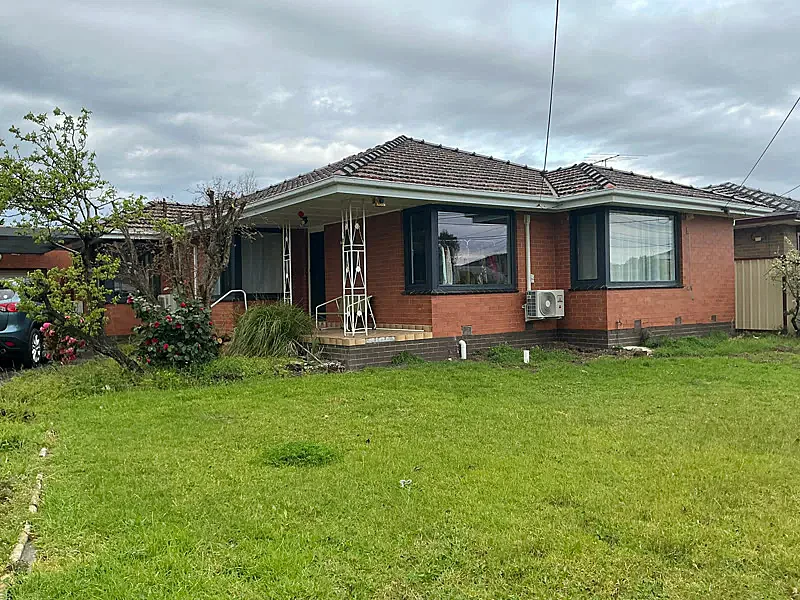
Underpinning Failed — Resin Fixed It
After traditional concrete underpinning failed and brand-new windows wouldn’t fit, GeoPoly™ resin injection stabilised the foundation in a single day — with millimetre precision.
Read More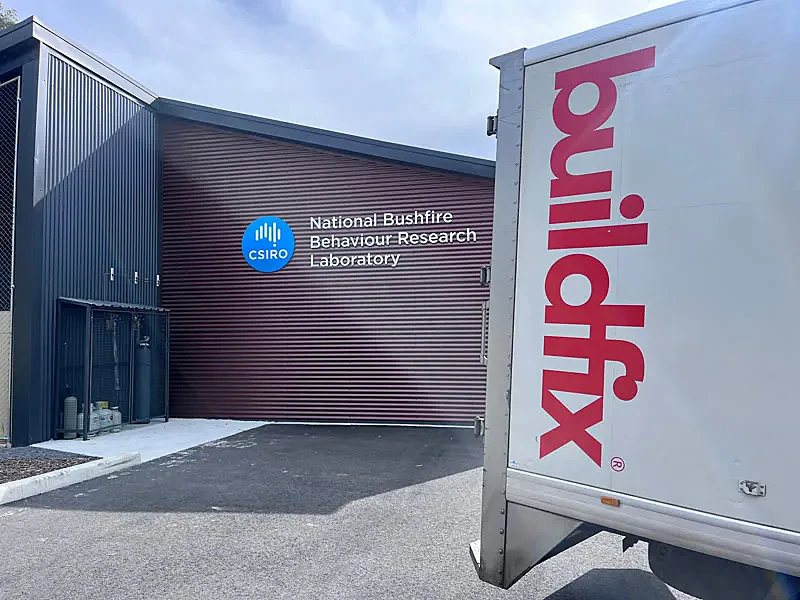
CSIRO’s Research Facility Relevelled
When Australia’s national science agency — the country’s foremost authority on foundation subsidence — needed their own buildings fixed, they called Buildfix.
Read More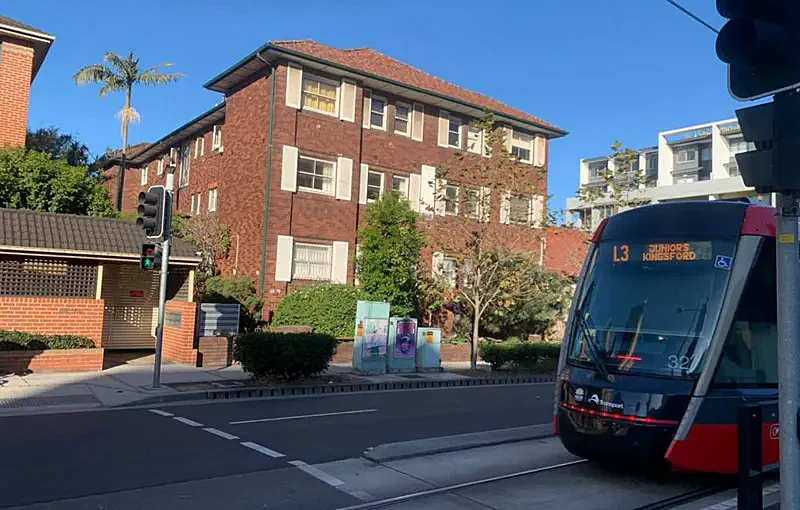
1920s Apartment Stabilised After Light Rail
Light Rail construction shook a century-old apartment block to its foundations. GeoPoly™ stabilised six residences at a fraction of underpinning costs — residents never had to leave.
Read More
Seeing something similar at your property?
Our team of engineers and technicians are ready to help.
Book a free structural assessment today.