
Case Study
Walls Reconnected After Tie Failure
Case Study
Walls Reconnected After Tie Failure
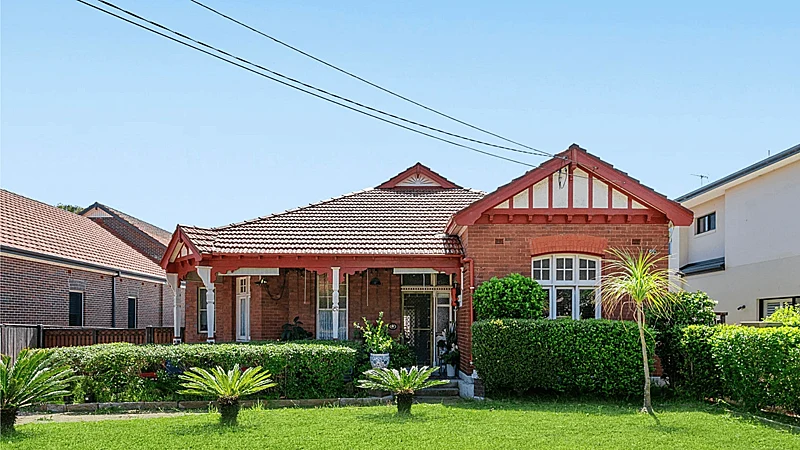
A 150-year-old home with walls quietly pulling apart from the inside
This 150-year-old double-brick home in Strathfield had a problem that wasn’t immediately visible — but it was serious. Both external walls along the side elevation were beginning to separate from the internal load-bearing wall. The walls that should have been tied together as one structure were pulling apart.
From the outside, the home looked like a solid heritage property. Behind the façade, the connection between the outer walls and the structure holding the house up was failing.
Reactive clay and weak lime mortar ground the original ties loose over 150 years
The cause wasn’t a single event. It was decades of quiet, persistent damage.
Strathfield sits on reactive clay — common across Sydney’s Inner West. The clay swells when it’s wet and shrinks when it dries. Every season, the ground moves. And every time the ground moves, the building moves with it.
Over 150 years, that constant expansion and contraction had gradually worn the original wall ties loose in the weak lime mortar surrounding them. The movement didn’t snap the ties — it ground them free, millimetre by millimetre, season after season. The lime mortar couldn’t hold them.
The result: the old ties had effectively decoupled the external cavity walls from the internal load-bearing wall. Both outer walls along the side elevation were now acting independently — no longer tied to the structure supporting them. That made them dangerously unstable.
This is what wall tie failure looks like in older homes built with lime mortar on reactive clay. The ties don’t fail dramatically. They fail slowly, over decades, until the day someone notices the walls aren’t connected to the building anymore.
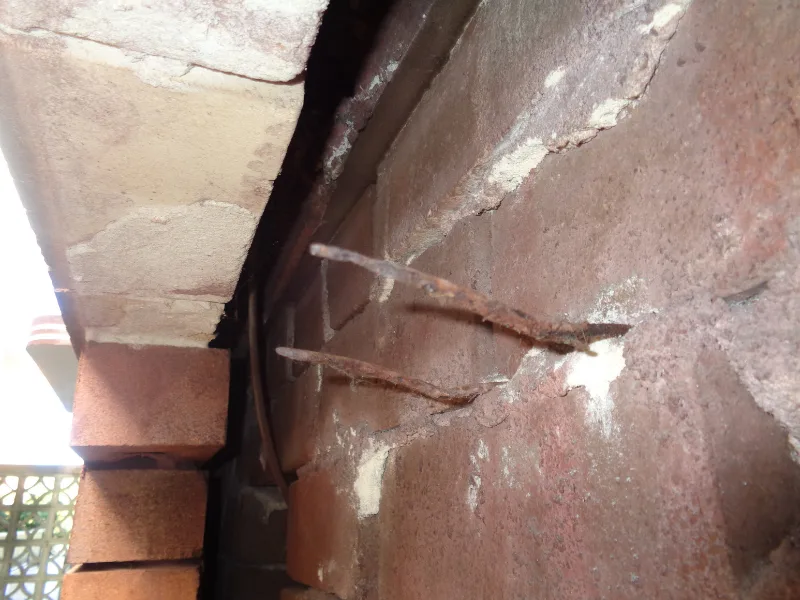
HelicalBar™ T316 bow-fix wall ties — reconnecting both walls at 600mm centres
The failed original ties were replaced with HelicalBar™ T316 bow-fix wall ties — stainless steel remedial ties designed to reconnect separated masonry to the internal structure without removing any brickwork.
12mm clearance holes were drilled through the external face of the wall, aligned with the internal timber joists. Each bow-fix tie was positioned in the clearance hole and driven through the masonry into the joist to the required depth. Once in place, the holes were filled with epoxy resin to permanently anchor each tie, and the surface was levelled to match the surrounding wall.
The ties were installed at 600mm horizontal centres along both side elevation walls, redistributing the load and physically reconnecting the external cavity walls to the internal load-bearing structure. The walls that had been pulling apart for decades were now tied back together — working as one structure again.
Made from 316 austenitic stainless steel with a corrosion resistance rated at over 50 years, the ties won’t degrade the way the original lime-mortar ties did. The reactive clay beneath the property will keep moving — that’s what reactive clay does. But the new ties are built to handle it.
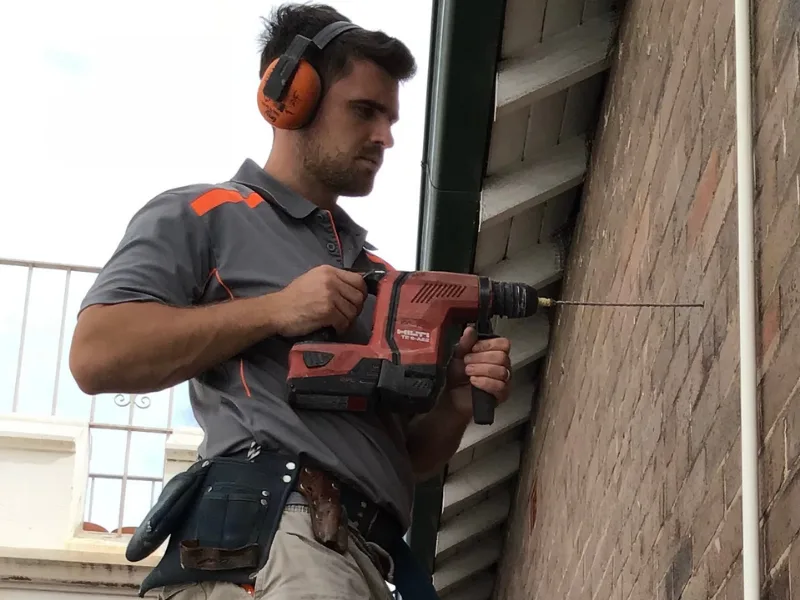
Walls reconnected, heritage preserved — and the homeowner came back for more
Both external walls along the side elevation were reconnected to the load-bearing internal wall. The dangerous instability was resolved. The walls that had been slowly decoupling for decades were structurally tied back to the building.
No brickwork removed. No walls knocked down. The HelicalBar™ bow-fix ties sit concealed within the masonry — invisible from the outside. The heritage character of the home was preserved entirely.
Years later, the homeowner called Buildfix back — not because the 2017 repair had failed, but because a different section of the house needed attention. The wall ties held. The first fix was permanent. Seeing signs of leaning walls? A free assessment checks the ties and explains what remedial wall ties can do. Every repair is backed by a 20-year structural warranty.
Share this case study
Related Articles
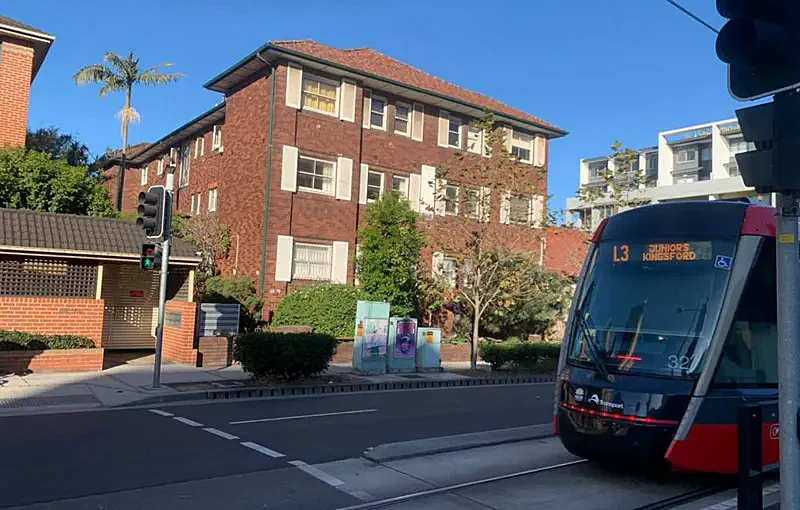
1920s Apartment Stabilised After Light Rail
Light Rail construction shook a century-old apartment block to its foundations. GeoPoly™ stabilised six residences at a fraction of underpinning costs — residents never had to leave.
Read More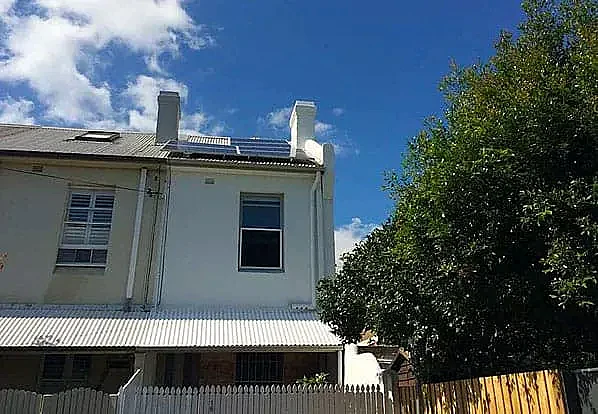
Terrace Wall and Façade Repaired
A large crack ran from bottom to top of this Victorian terrace’s gable end wall, threatening the chimney above. Buildfix stitched the wall closed with remedial ties — no bricks removed, no neighbours disturbed.
Read More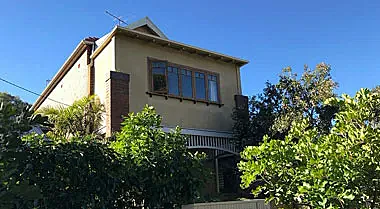
80 Years of Hidden Wall Tie Corrosion
The brickwork looked perfect. Inside the cavity, 80 years of salt air had corroded every wall tie to failure. Buildfix installed over a thousand stainless steel replacements — without disturbing a single brick.
Read More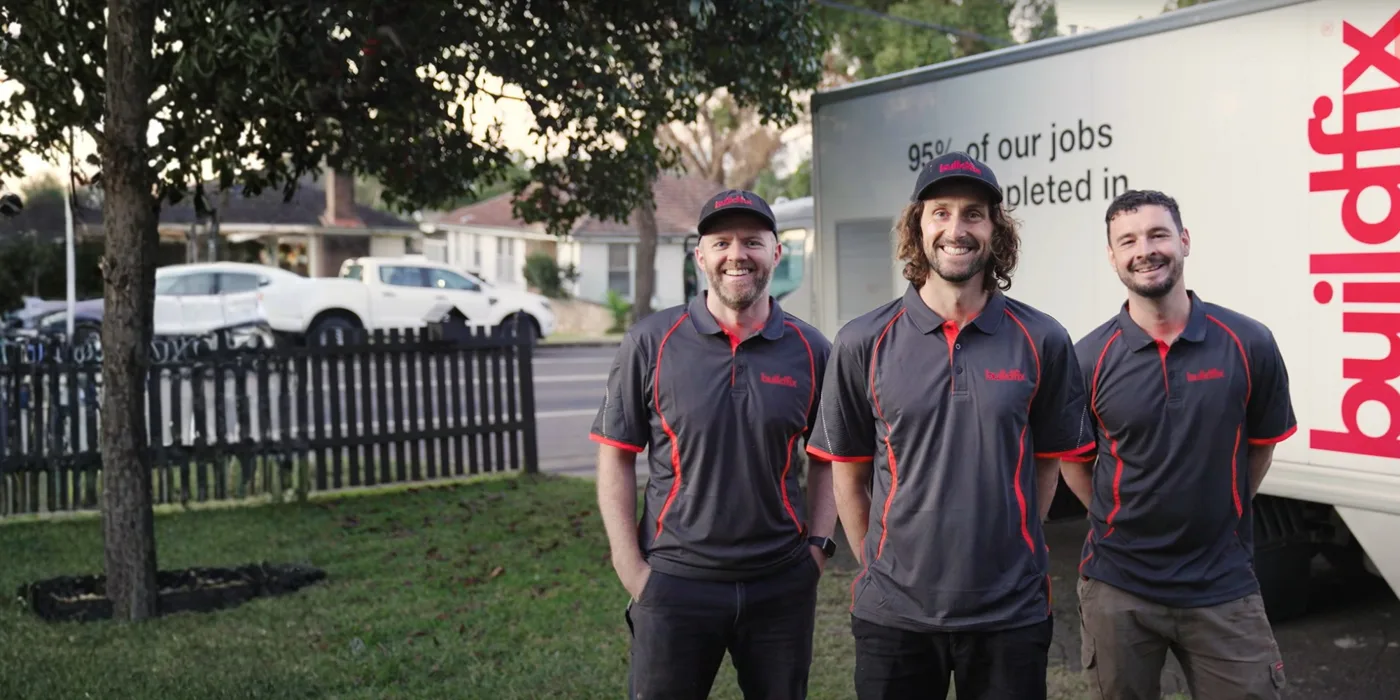
Seeing something similar at your property?
Our team of engineers and technicians are ready to help.
Book a free structural assessment today.