
Case Study
Terrace Walls Dried Out Without a Trench
Case Study
Terrace Walls Dried Out Without a Trench
Peeling paint, salt deposits, and two failed repaints
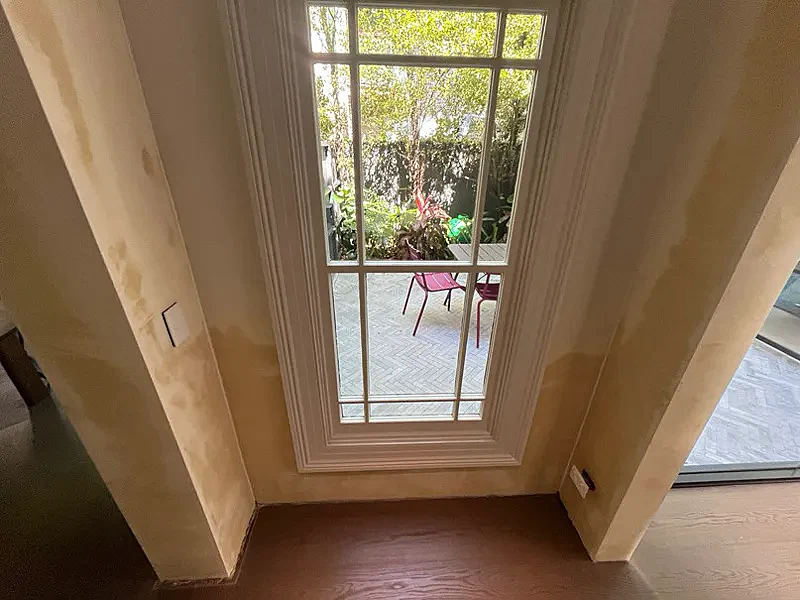
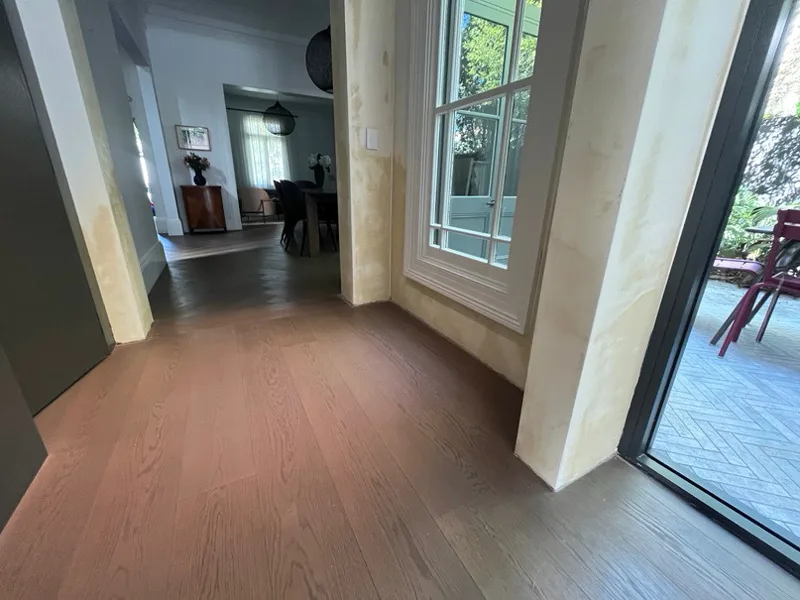
Rising damp in a Stanmore terrace is almost inevitable given enough time. This property — like so many on the inner west’s terrace-lined streets — had reached the point where the damage was impossible to ignore. Peeling paint at the base of walls, white salt deposits pushing through the plaster, and skirting boards that were soft and stained from years of hidden moisture.
The homeowner had repainted twice. Both times, the paint bubbled within months.
A mid-terrace with party walls on both sides and no side access
Stanmore’s terraces were built in the late 1800s and early 1900s with sandstock brick and lime mortar — materials that absorb moisture readily. Most were constructed with either a rudimentary damp-proof course or none at all. After more than a century, the result is predictable: moisture from the ground wicks upward through the brickwork, carrying dissolved salts that crystallise and destroy the plaster, the mortar, and eventually the brick face itself.
Repainting over rising damp is the most common wrong fix homeowners try — and it never works. The moisture is inside the wall. Paint sits on the outside. The salts keep crystallising behind the new coat and push it off within months. Every repaint is money wasted on the same result.
The traditional permanent solution — excavating a trench around the perimeter and installing a physical DPC membrane — is difficult enough on a detached house. On a mid-terrace with party walls on both sides and no side access, it’s impractical. The repair had to treat every affected wall from inside the property, without excavation, without impacting the neighbours, and without weeks of disruption.
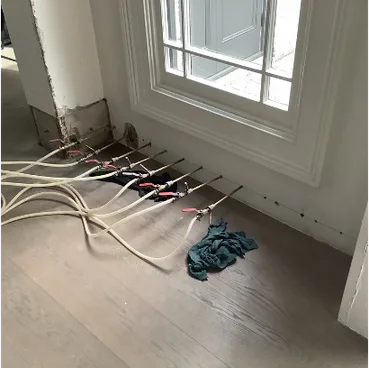
DampBlock™ injection from inside the property — no trench, no membrane
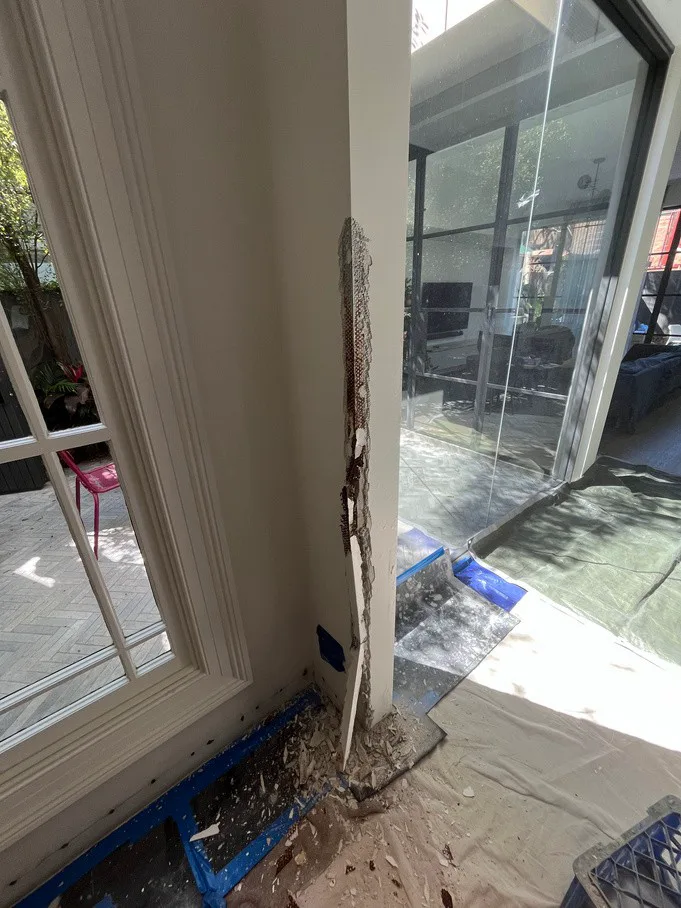
Small holes were drilled at close intervals along the base of each affected wall. DampBlock™ — a silicone-based cream — was injected into the mortar course. The cream spreads through the surrounding masonry by capillary action and cures to form a continuous waterproof barrier, creating a new damp-proof course from within.
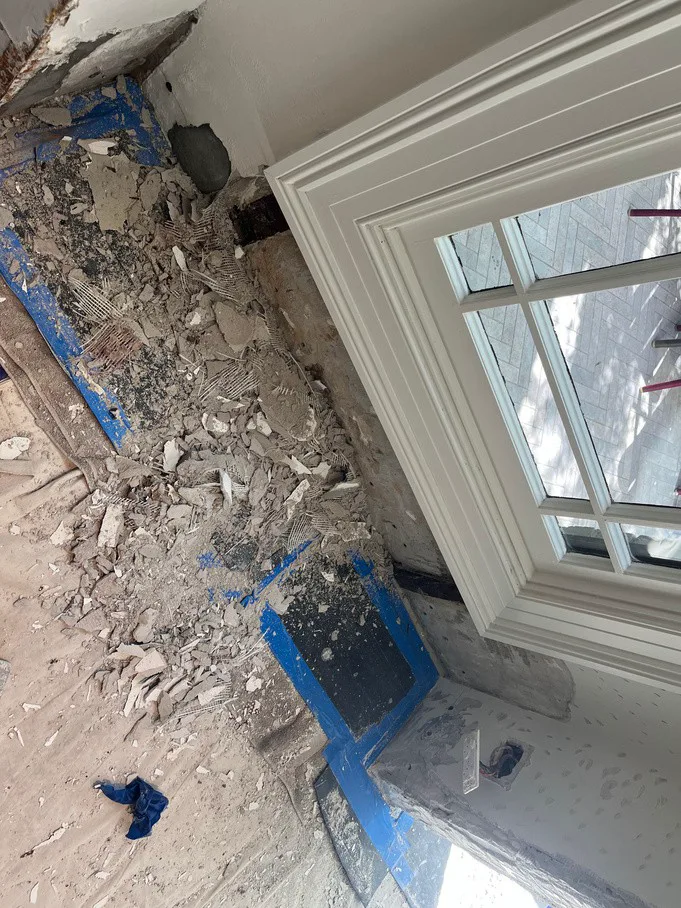
Salt-contaminated plaster was stripped back, and a SaltBlock™ salt-retardant base coat was applied before replastering with a breathable finish. The breathable finish is critical in older masonry — standard cement render traps moisture and defeats the purpose. The breathable coat lets any residual dampness escape while the new DPC takes full effect over the following weeks.
Completed in a single day — entirely from inside the property
The treatment was completed in a single day.
No trench dug. No membrane installed. No impact on the adjoining terraces. The treatment was completed entirely from inside the property — the only practical approach for a mid-terrace home with zero side access.
The paint that kept bubbling and peeling now has dry masonry behind it — not a wet wall slowly pushing it off. Every DampBlock™ treatment is backed by a 20-year warranty. Seeing similar signs of rising damp in your terrace? A free assessment tells you exactly what's going on inside the wall.
Share this case study
Related Articles
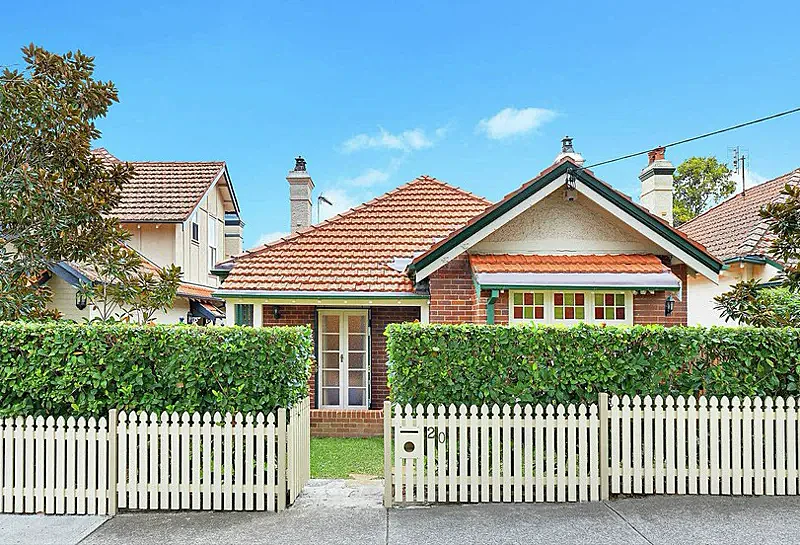
Fresh Tuckpointing Fell Out in Months
Spent money on tuckpointing only to watch the mortar fail again? That’s usually a sign the wall is wet from within — and no amount of repointing will fix it. Book a free damp assessment and find out what’s really going on.
Read More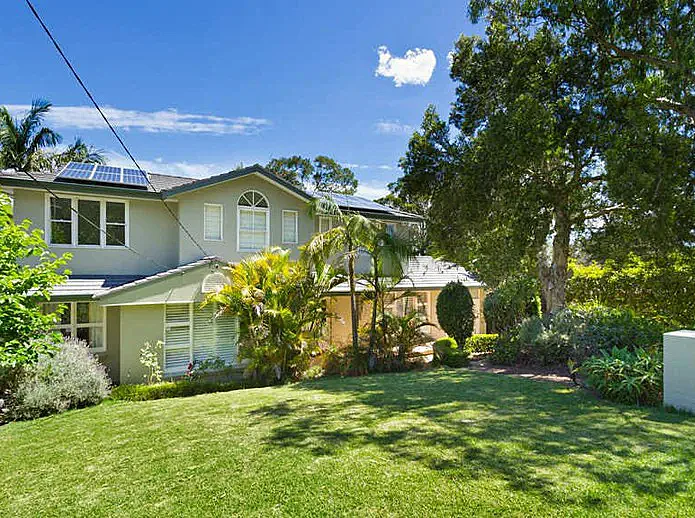
Damp Attacking From Both Sides
Damp damage showing on both internal and external walls? That means moisture has saturated the full wall — and neither repainting nor re-rendering will stop it. Book a free damp assessment.
Read More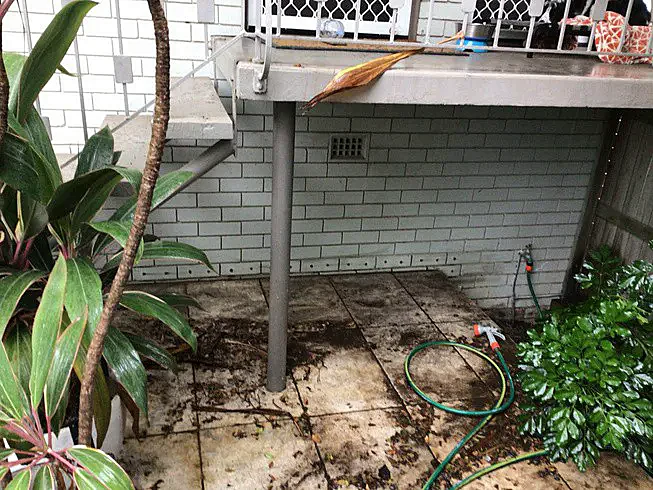
Crumbling Bricks No Bricklayer Could Fix
Strata committee dealing with crumbling brickwork that no tradesperson seems able to fix? The problem might not be the bricks — it might be what’s happening behind them. Book a free damp assessment for your building.
Read More
Seeing something similar at your property?
Our team of engineers and technicians are ready to help.
Book a free structural assessment today.