
Case Study
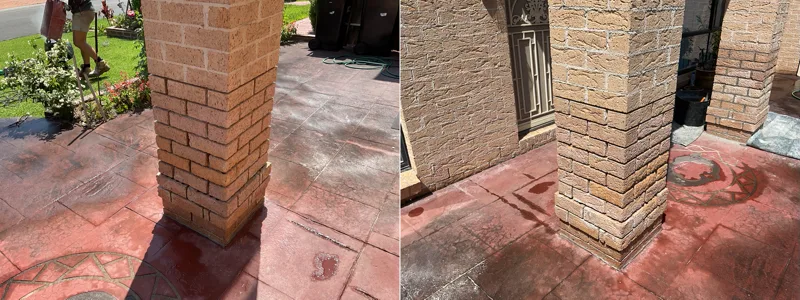
Rising Damp in Both Balcony Pillars
Case Study
Rising Damp in Both Balcony Pillars
Two balcony pillars with damp climbing to a full metre — and getting worse every season
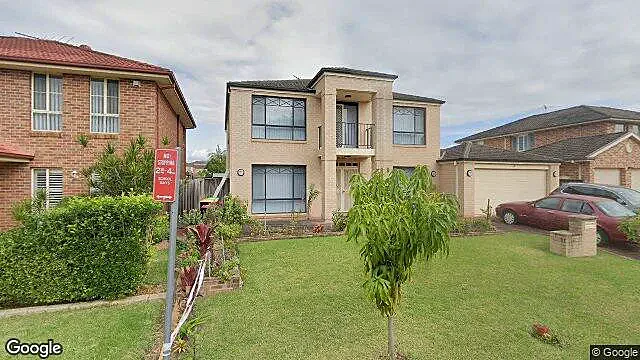
The homeowner at this Prestons property had been watching the same problem grow for two years. Both external brick pillars on the front balcony were showing rising damp — paint peeling, brickwork deteriorating, moisture visibly climbing higher with every season. One pillar showed damage up to 900mm. The other had reached a full metre.
Two pillars. Both affected. Both getting worse.
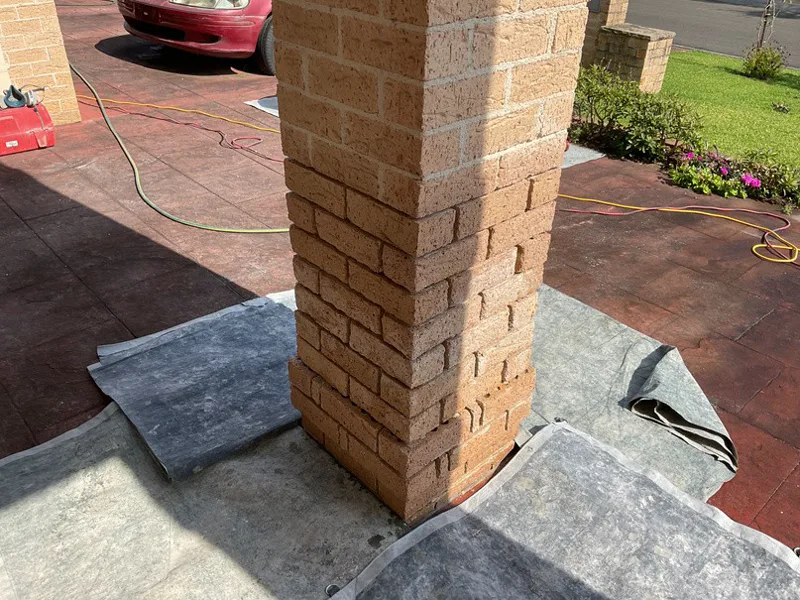
Pillars are exposed on all four sides — the damage concentrates and accelerates
Pillars are a different proposition to a flat wall. A wall has mass — moisture rises through a large volume of masonry and the damage spreads gradually. A pillar is exposed on all four sides. Moisture enters from the base and has nowhere to go but up. Evaporation happens faster across the exposed surfaces, which means salts are deposited more aggressively. The damage concentrates and accelerates.
South-west Sydney sits on reactive clay — soil that swells when wet and contracts when dry. Prestons is typical of the area: 1990s and 2000s brick homes on clay that never stops moving. The seasonal moisture cycle in the ground is constant, and any masonry element sitting on or near that ground without a functioning DPC will wick moisture upward until something stops it.
At 900mm and a full metre of damp rise, these pillars had been absorbing ground moisture for years. The damage was well beyond cosmetic — the brickwork itself was being shattered by salt crystallisation from within.
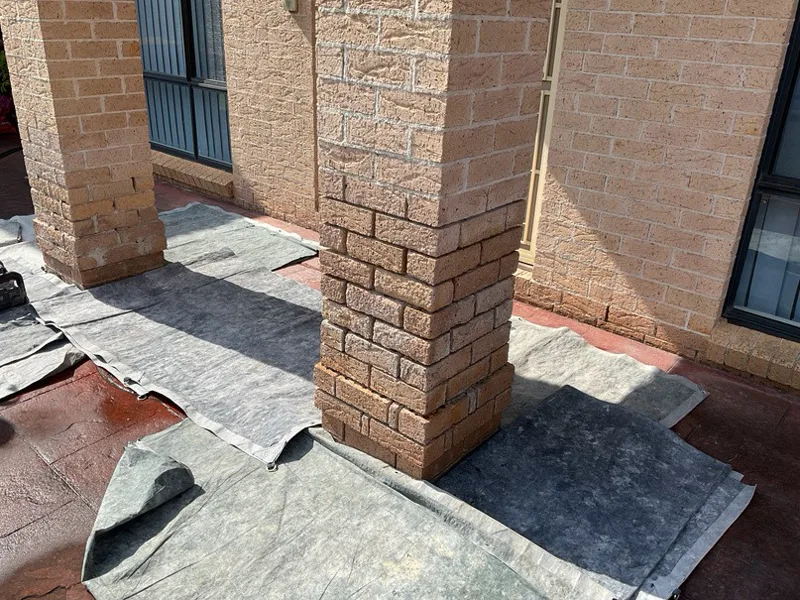
DampBlock™ injected around the full perimeter of each pillar
Each pillar was treated individually. Small holes were drilled at close intervals around the base of each pillar, and DampBlock™ — a silicone-based cream — was injected into the mortar course. The cream spreads through the surrounding masonry by capillary action and cures to form a continuous waterproof barrier, cutting off the moisture path from the ground.
Because pillars are exposed on all sides, the injection needed to encircle the full perimeter of each one — ensuring the barrier was complete and no moisture could bypass the treatment through an untreated face.
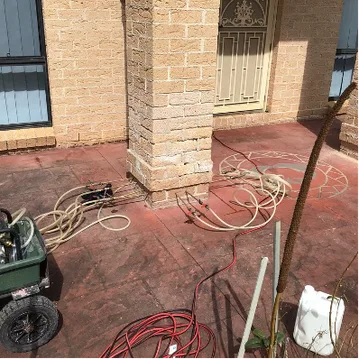
Both pillars treated in a single visit — no bricks removed, no scaffolding
Both pillars were treated in a single visit — without removing a single brick, without scaffolding, and without affecting the balcony structure above.
The damp that had been climbing for two years was cut off at its source. The conditions that were destroying the brickwork — moisture rising, salts crystallising, the brick face blowing apart — no longer exist. Every DampBlock™ treatment is backed by a 20-year warranty. Seeing similar signs of rising damp? A free assessment measures the moisture and explains what damp proofing can do.
Share this case study
Related Articles
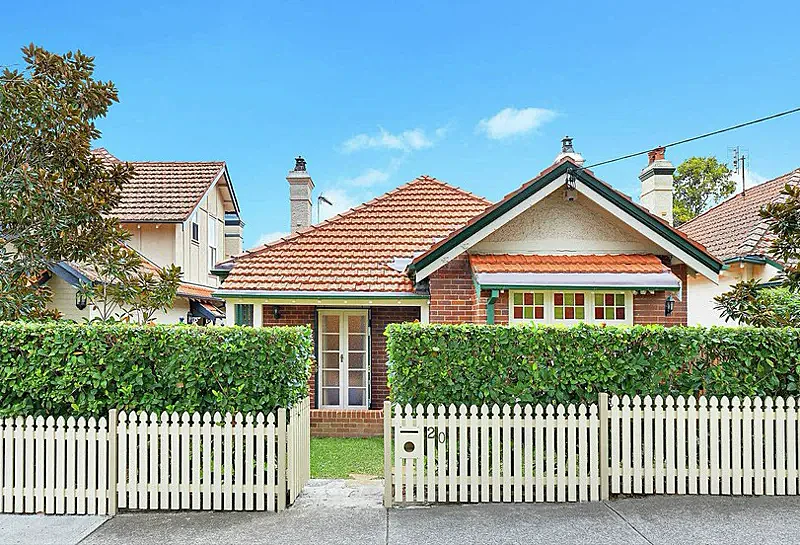
Fresh Tuckpointing Fell Out in Months
Spent money on tuckpointing only to watch the mortar fail again? That’s usually a sign the wall is wet from within — and no amount of repointing will fix it. Book a free damp assessment and find out what’s really going on.
Read More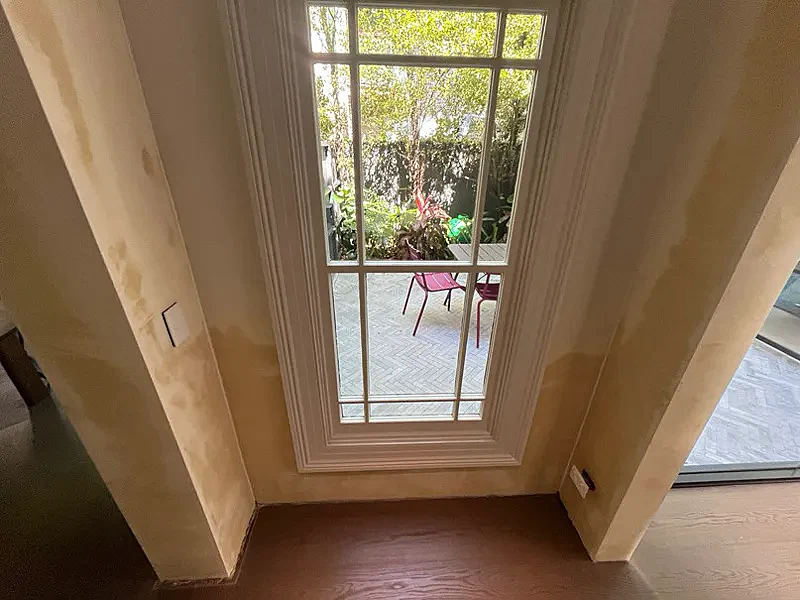
Terrace Walls Dried Out Without a Trench
Own a terrace in the inner west? Rising damp is one of the most common problems in homes of this age — and excavation is rarely an option. Book a free damp assessment and find out what’s happening inside your walls.
Read More
Damp Attacking From Both Sides
Damp damage showing on both internal and external walls? That means moisture has saturated the full wall — and neither repainting nor re-rendering will stop it. Book a free damp assessment.
Read More
Seeing something similar at your property?
Our team of engineers and technicians are ready to help.
Book a free structural assessment today.