
Case Study
Fresh Tuckpointing Fell Out in Months
Case Study
Fresh Tuckpointing Fell Out in Months
Fresh mortar raked in, brickwork cleaned up — and falling apart again within months
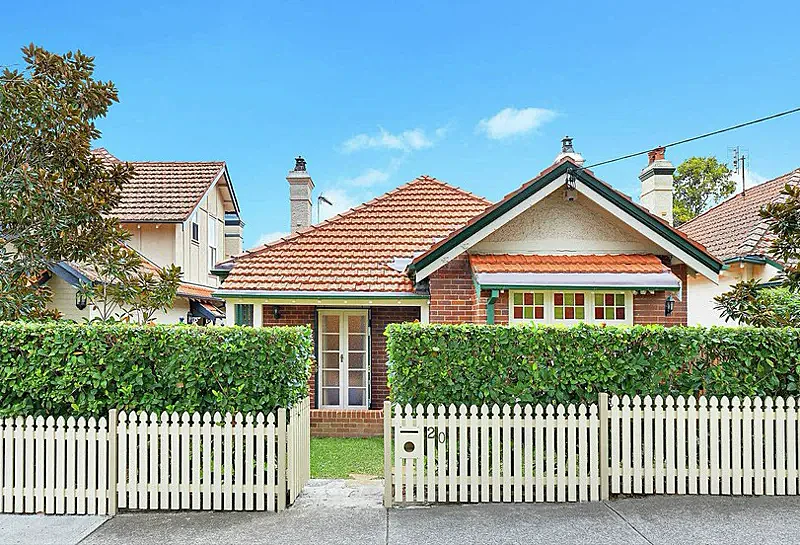
The owners of this Mosman home had just invested in professional tuckpointing — fresh mortar raked into every joint, the brickwork cleaned up and looking sharp. Within months, that fresh mortar started peeling away from the joints. The brickwork that had just been repointed was deteriorating again, as though the work had never been done.
They suspected rising damp. They were right.
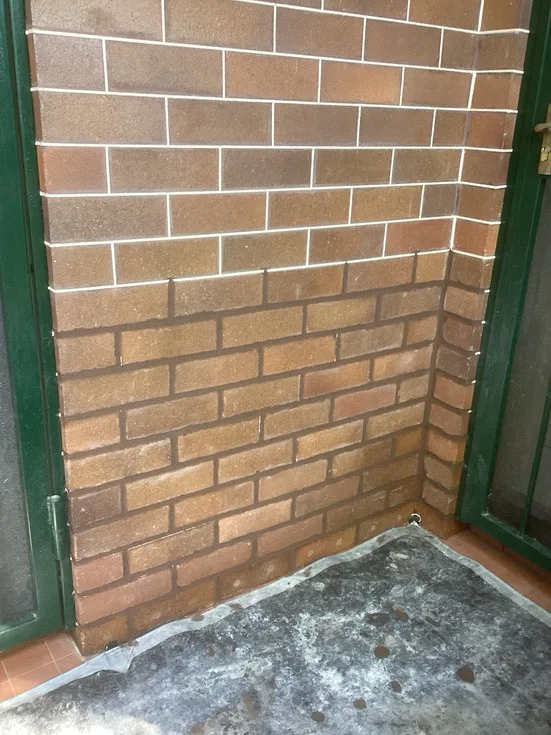
Tuckpointing treats what you can see. Rising damp destroys from within.
Mosman’s older homes — many built in the federation and interwar eras — were constructed with double-brick walls and lime-based mortar. The original damp-proof course in homes of this age has often deteriorated completely, or was never adequate to begin with. Lower north shore humidity and harbour proximity only accelerate the process.
When the engineer assessed the property, moisture readings confirmed damp rising from 300mm above ground level — and climbing. Moisture was wicking up through the brickwork by capillary action, carrying dissolved salts from the soil into the wall. Those salts crystallise as the moisture evaporates — and when they crystallise inside mortar joints, they blow the mortar apart from within.
That’s why the tuckpointing failed. Fresh mortar was packed into joints that were actively wet. No mortar — new or old — will hold in a wall that’s saturated from the inside. Until the moisture source was cut off, any repointing would keep failing.
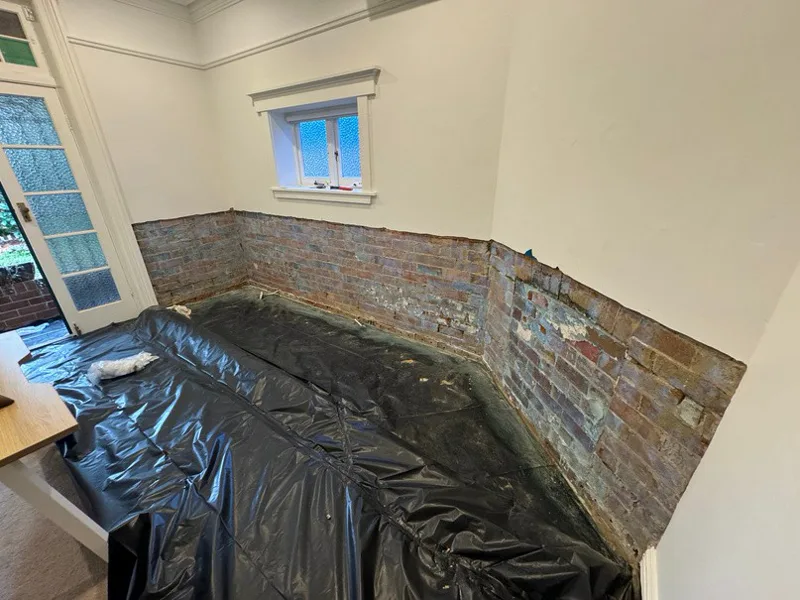
The treatment started where the tuckpointer couldn’t reach — inside the wall
Small holes were drilled at close intervals along the base of each affected wall, just above ground level. DampBlock™ — a silicone-based cream — was injected into the mortar course through each hole. The cream spreads through the surrounding masonry by capillary action — the same mechanism the moisture uses to rise — and cures to form a continuous waterproof barrier within the wall. A new damp-proof course, created without removing a single brick.
With the moisture source cut off, attention turned to the damage already done. Salt-contaminated render and degraded mortar were stripped back. A SaltBlock™ salt-retardant base coat was applied to prevent residual salts from migrating back to the surface, followed by a breathable finish that allows any remaining moisture to escape while the new DPC takes full effect.
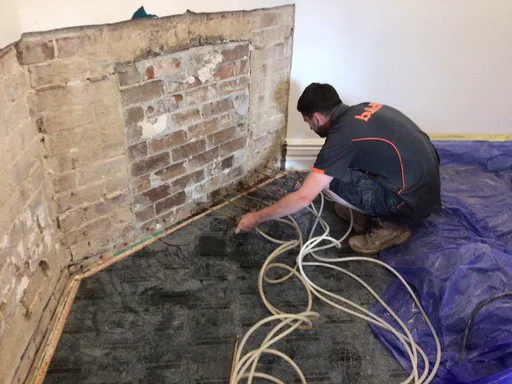
Completed in a single day — no brickwork removed, no excavation
The DampBlock™ injection was completed in a single day.
The mortar that kept falling out had never stood a chance — not because the tuckpointer did poor work, but because the wall was wet from within. With the moisture barrier in place, the conditions that destroyed the previous repointing no longer exist.
No brickwork removed. No excavation around the property. No membrane installation. Every DampBlock™ treatment is backed by a 20-year warranty. Seeing signs of rising damp? A free assessment measures the moisture and explains what damp proofing can do.
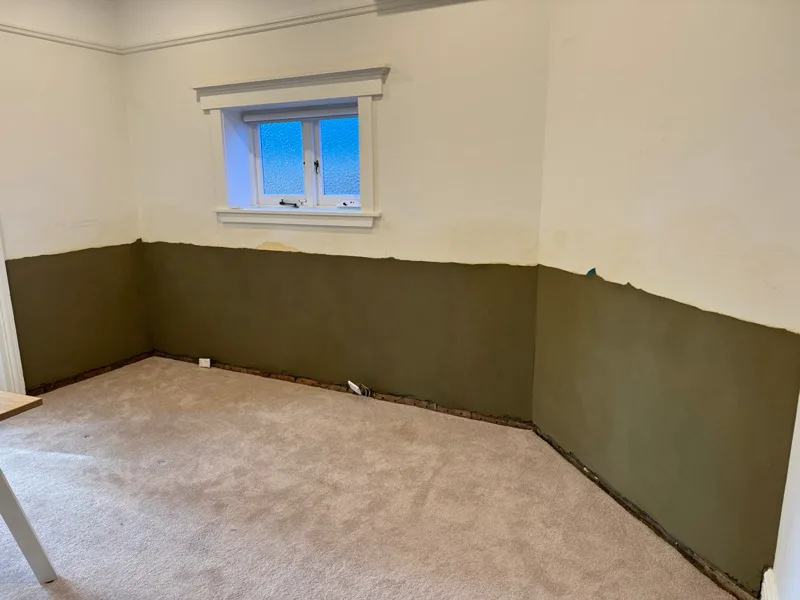
Share this case study
Related Articles
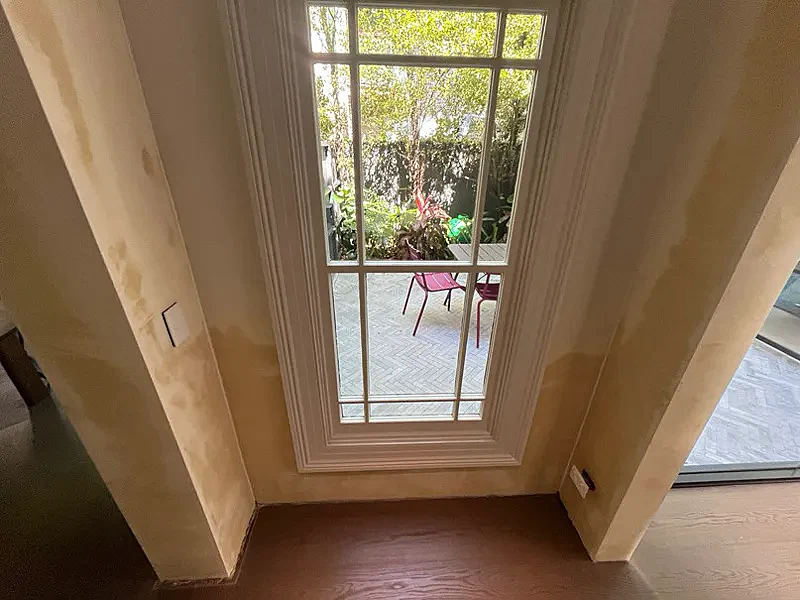
Terrace Walls Dried Out Without a Trench
Own a terrace in the inner west? Rising damp is one of the most common problems in homes of this age — and excavation is rarely an option. Book a free damp assessment and find out what’s happening inside your walls.
Read More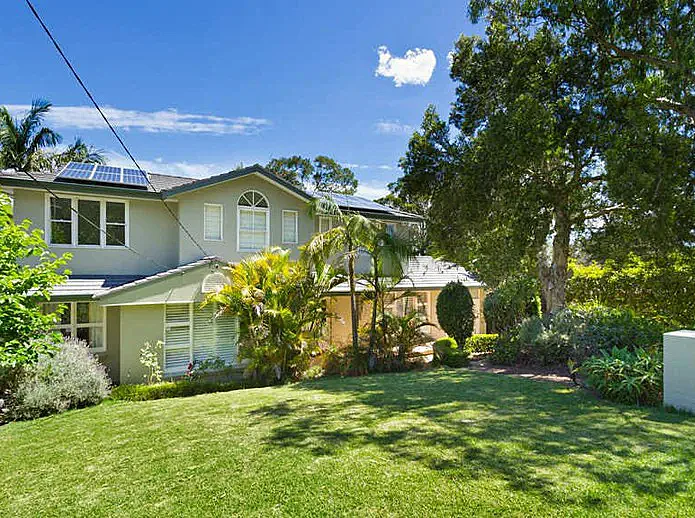
Damp Attacking From Both Sides
Damp damage showing on both internal and external walls? That means moisture has saturated the full wall — and neither repainting nor re-rendering will stop it. Book a free damp assessment.
Read More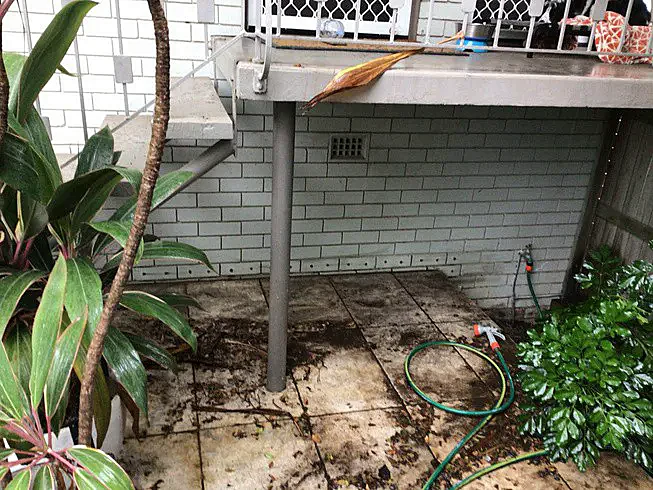
Crumbling Bricks No Bricklayer Could Fix
Strata committee dealing with crumbling brickwork that no tradesperson seems able to fix? The problem might not be the bricks — it might be what’s happening behind them. Book a free damp assessment for your building.
Read More
Seeing something similar at your property?
Our team of engineers and technicians are ready to help.
Book a free structural assessment today.