
Case Study
80 Years of Hidden Wall Tie Corrosion
Case Study
80 Years of Hidden Wall Tie Corrosion
No visible damage — but a cavity inspection revealed extensive hidden corrosion
Investigating hidden wall tie failure in a beachside brick home
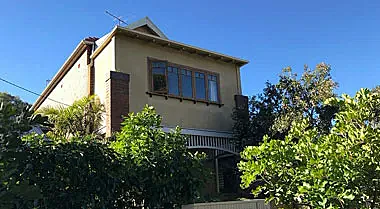
After reading about a fatal case involving collapsed brick walls, the owner of this 1930s double-storey beachside home contacted Buildfix for a cavity wall tie replacement inspection. With the house located near Manly beach, she was concerned that salt-laden air may have caused corrosion to the steel wall ties and affected the long-term stability of the building. While the brickwork appeared sound with no visible horizontal cracks, bowing, or movement in the outer wall, we suspected deeper structural issues.
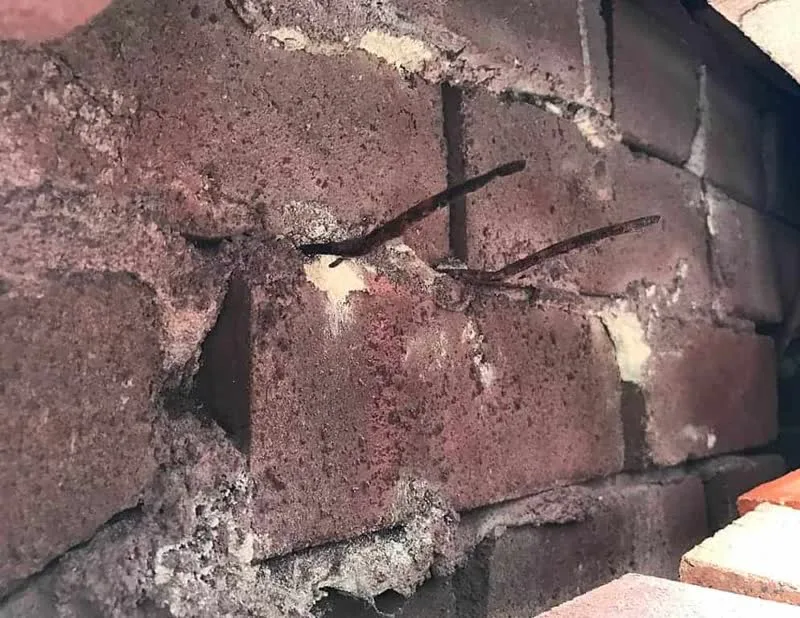
Using specialised camera equipment, we inspected the cavity and confirmed extensive wall tie corrosion hidden behind the exterior masonry.
80 years of salt air had silently destroyed every original mild steel tie
Decades-old cavity wall ties corroded by coastal conditions
Upon inspection, we found that the brick ties in the cavity wall had severely deteriorated due to corrosion from the salty sea air. The steel wall ties, made of mild steel, had been in place since the home’s construction and had succumbed to the harsh coastal environment over 80 years. As a result, the wall structure was compromised, with both external and internal walls losing their lateral restraint. This posed a significant risk of collapse if not addressed.
Replacing the wall ties with modern wall ties was essential, but traditional methods of wall tie replacement weren’t feasible due to the need for minimal disruption. Instead, we opted for a remedial tie solution, using high-quality stainless steel ties, including Helifix helical ties, designed to withstand the harshest conditions and provide long-lasting stability to the solid walls.
Over a thousand HelicalBar™ R304 marine-grade stainless steel ties installed
Non-invasive cavity wall tie replacement without removing bricks
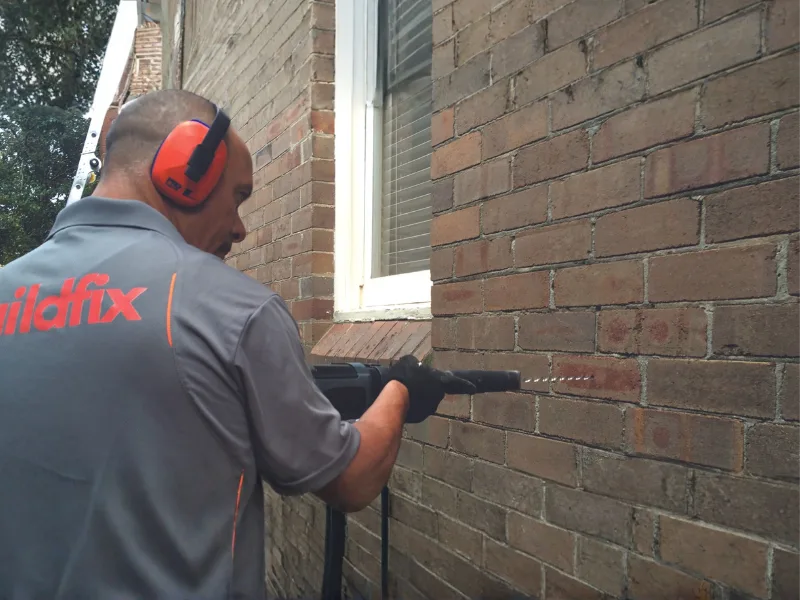
Despite no visible signs of damage, the risk posed by the corroded mild steel wall ties was significant. We needed a solution that would stabilise the structure without disrupting the homeowner’s life or the surrounding area. After assessing the wall structure, we chose a non-invasive approach, using HelicalBar™ R304 helical wall ties and resin anchors to provide a permanent solution.
By drilling small pilot holes, we inserted the HelicalBar™ R304 stainless steel material into the mortar bed of the cavity wall. The helical ties, designed to act as lateral restraint ties, effectively restored the integrity of the external and internal walls without removing any brickwork. These high-quality, marine-grade anchors were carefully placed to ensure minimal disruption, while also offering excellent resistance to corrosion. The helical ties, along with a resin injection, created a strong bond within the mortar joints, securing the entire wall structure.
This approach avoided the need for traditional brick removal or costly wall replacements, delivering an efficient and cost-effective solution that provided long-term stability.
Every corroded tie replaced — and a collapse risk eliminated
Stronger masonry walls through remedial wall tie installation
The successful installation of more than a thousand HelicalBar™ R304 helical wall ties ensured that the brick walls remained stable and secure. The use of high-quality, marine-grade stainless steel material provided long-lasting protection against corrosion, ensuring that the walls will stand the test of time. The homeowner no longer faces the risk of collapse, and the house’s structural integrity is fully restored without the need for invasive reconstruction.
Seeing signs of leaning walls or corroded ties near the coast? A free assessment checks the condition of every tie and explains what remedial wall ties can do.
Share this case study
Related Articles
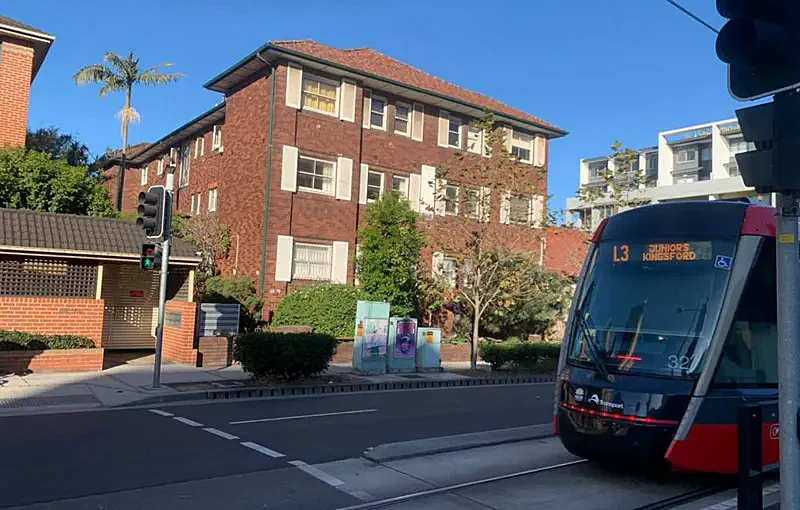
1920s Apartment Stabilised After Light Rail
Light Rail construction shook a century-old apartment block to its foundations. GeoPoly™ stabilised six residences at a fraction of underpinning costs — residents never had to leave.
Read More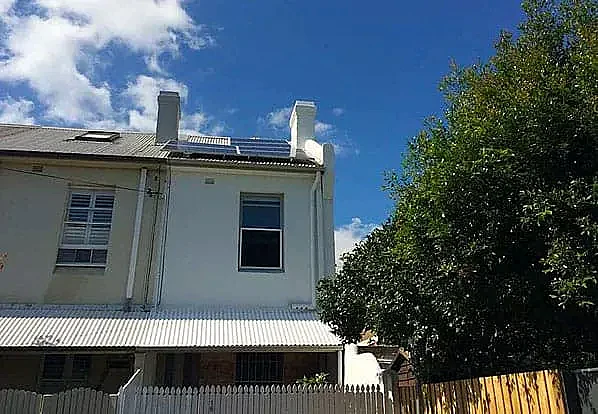
Terrace Wall and Façade Repaired
A large crack ran from bottom to top of this Victorian terrace’s gable end wall, threatening the chimney above. Buildfix stitched the wall closed with remedial ties — no bricks removed, no neighbours disturbed.
Read More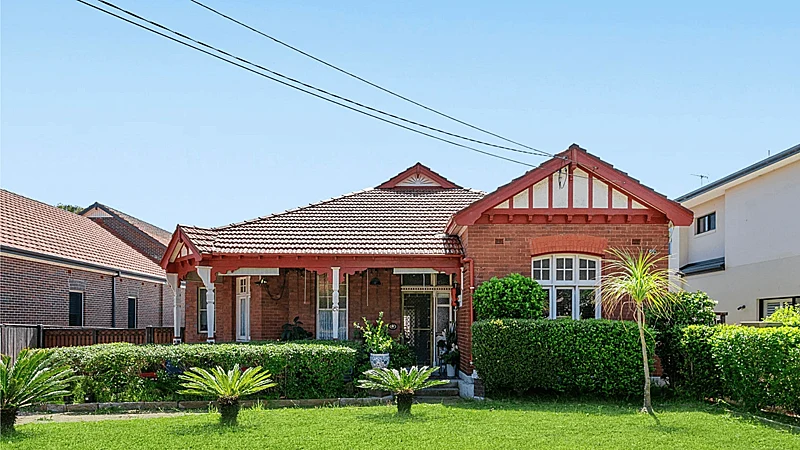
Walls Reconnected After Tie Failure
Both external walls of this 150-year-old double-brick home had been slowly separating from the internal load-bearing wall for decades. Buildfix replaced every failed tie — without removing a single brick.
Read More
Seeing something similar at your property?
Our team of engineers and technicians are ready to help.
Book a free structural assessment today.