
Case Study
Jack-and-Pack Failed — Deep-Lift Fixed It
Case Study
Jack-and-Pack Failed — Deep-Lift Fixed It
Jack-and-pack failed — the floor sank 40mm and the problem was back
Signs of Foundation Problems in a Brick Veneer Home
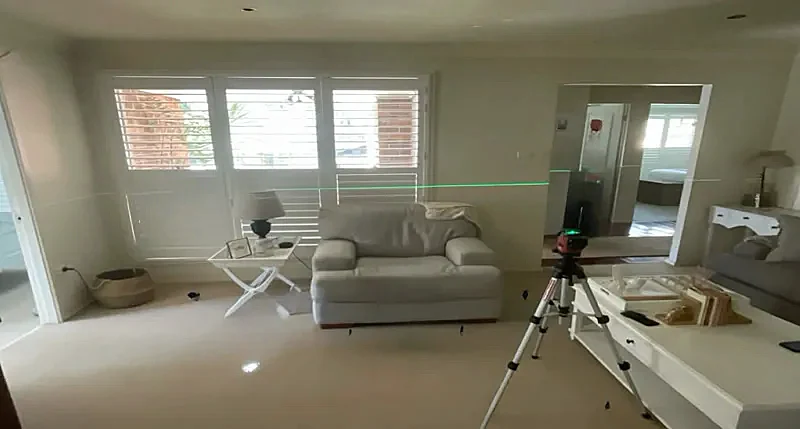
This 30-year-old brick veneer home in Kings Park, Sydney, was showing clear signs of foundation settlement, structural failure, and broader foundation issues. The homeowner had noticed large cracks forming in the walls and a visibly uneven concrete slab floor in the main living room—classic indicators of deeper foundation repair needs and the urgent requirement for foundation stabilisation.
Several years earlier, the homeowner had turned to a “jack-and-pack” service—a temporary fix that failed to resolve the underlying soil movement. Without addressing the root cause, the problem worsened, threatening the structural integrity of the home. By the time Buildfix was contacted, the floor had sunk by 40mm at the centre, exacerbating the foundation damage and increasing the risk of ongoing structural problems.
Living in a home affected by poor drainage and prone soil, the homeowner feared invasive repairs and long periods of disruption. What he needed was a non-invasive solution that would restore the home’s strength and deliver long-term stability, without compromising the memories and comfort tied to the place he’d shared with his late wife.
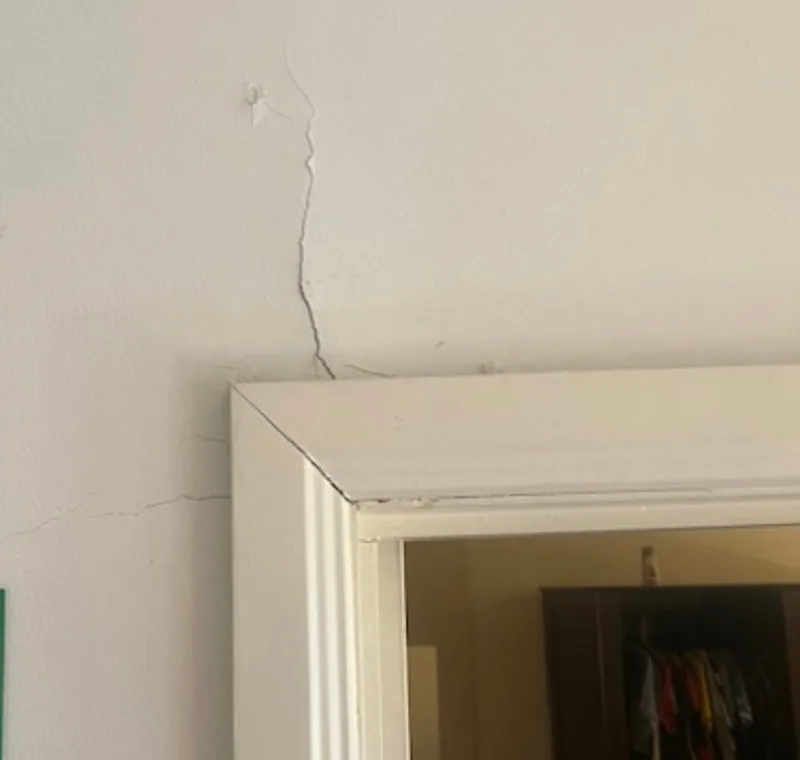
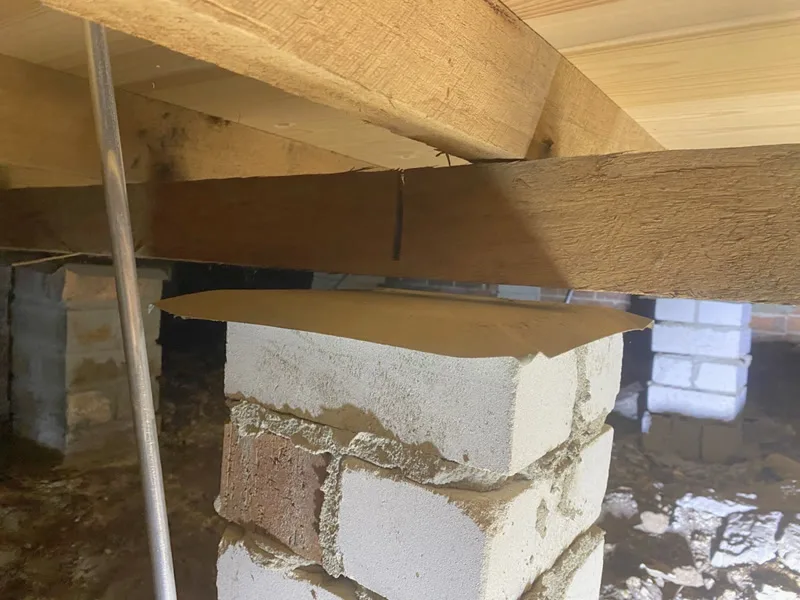
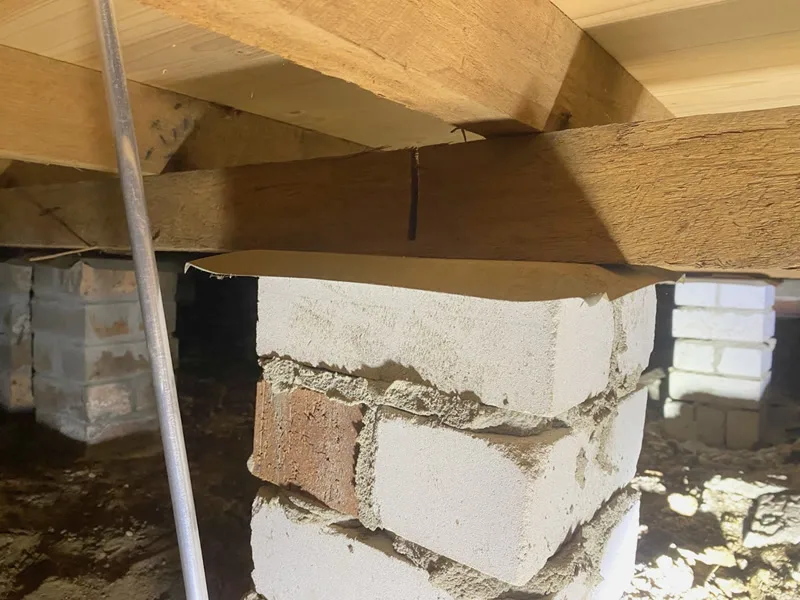
Band-aid fix on top of unstable soil — the piers sank again
Fixing Differential Settlement Without Ripping Up the House
The main issue was beneath the home’s living room, where foundation piers—specifically brick piers on pad footings—had sunk due to expansive soil and unstable ground conditions. This kind of foundation settlement is common in concrete structures built on prone soil, where shifting moisture levels lead to continuous movement and eventual failure.
The earlier “jack-and-pack” attempt was a surface-level fix that didn’t address the underlying instability. Without a proper foundation stabilisation technique, the problem kept returning, gradually worsening and putting increasing pressure on the home’s structural loads.
The homeowner feared he would need full excavation, removal of floorboards, and replacement of piers—an approach more suited to new construction projects than residential foundation repair. The real challenge was to apply effective foundation stabilisation without disrupting the home’s interior or requiring the help of structural engineers for an invasive rebuild.
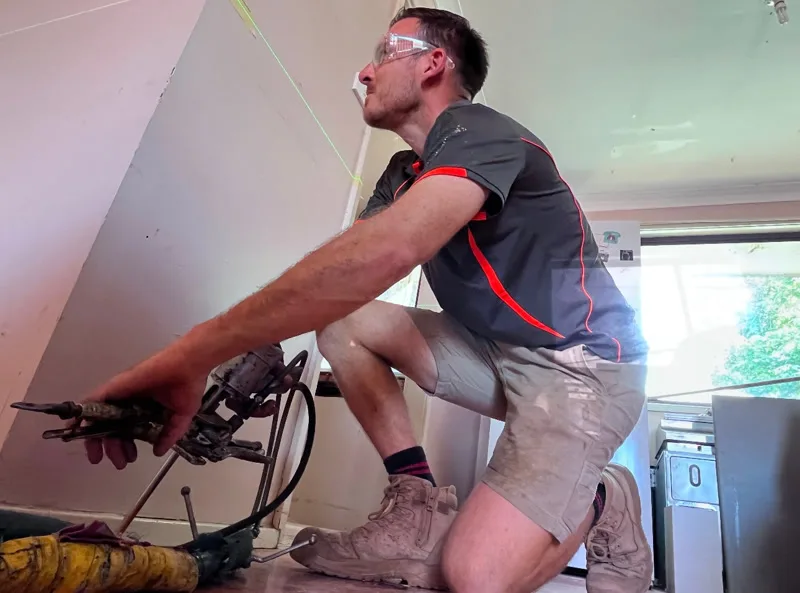
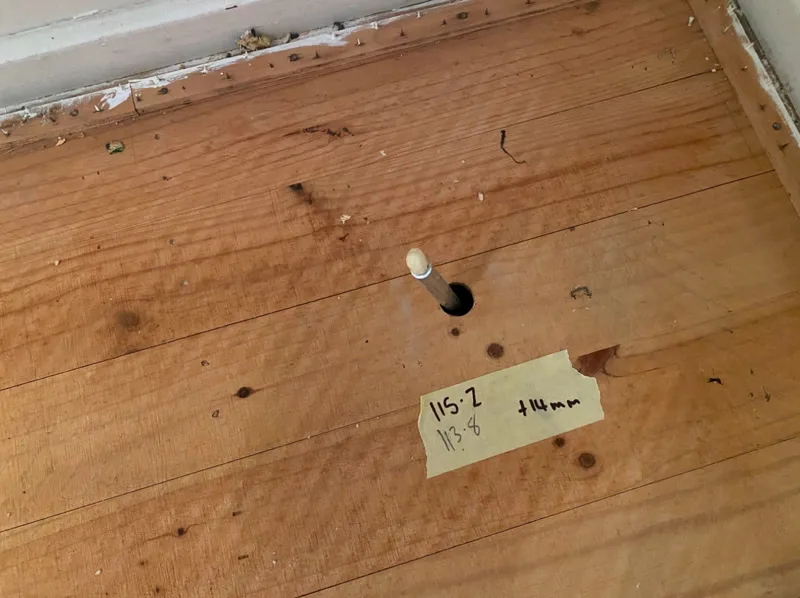
Carpet rolled back, injection pipes at 2.8 metres — that was the extent of it
To resolve the issue at its root, Buildfix implemented its advanced GeoPoly™ Deep Lift method—an innovative solution designed to strengthen the foundation without invasive demolition. Unlike conventional construction approaches, this method required no basement access, heavy machinery, or prolonged downtime.
After carefully rolling back the carpet, our team drilled small, targeted holes through the floor to access unstable soil zones beneath the foundation. Through these injection points, we delivered an expanding resin designed to restore stable soil conditions and counteract the effects of natural disasters, such as earthquakes, which can aggravate foundation movement over time.
This process avoided the need for traditional methods like steel piers, helical piers, or resistance push piers, and instead used a lightweight solution that preserved the home’s structural integrity. Thanks to precision laser monitoring and expert control, the structure was lifted millimetre by millimetre—achieving results comparable to what a foundation repair contractor might accomplish through more invasive means.
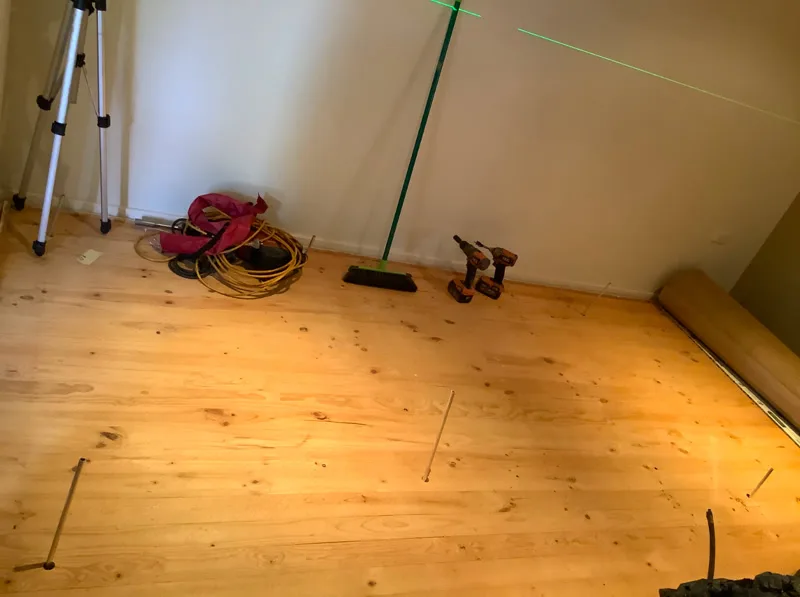
One day — 40mm dip eliminated, piers permanently stabilised
Permanent Repair With Concrete Piers and Slab Lifting
The results were transformative. Each pier beneath the living room was lifted and stabilised, eliminating the 40mm dip and restoring the floor to a perfectly level state. Cracks in the walls stopped progressing, and the home’s foundation was fully secured—effectively halting further structural damage.
The homeowner was overjoyed with the outcome, especially since the process was completed in a single day with minimal disruption. The only inconvenience was rolling back the carpet, a far cry from the invasive solutions often faced by owners of older brick or masonry homes.
For the first time in years, the homeowner felt confident that the problem had been permanently resolved. With his home stabilised and no need for costly floor replacement, he could enjoy peace of mind knowing that Buildfix’s non-invasive approach provided the lasting solution he had been searching for.
Seeing similar signs of sinking floor piers in your home? A free assessment measures every pier and explains what floor pier repairs can do.
Share this case study
Related Articles
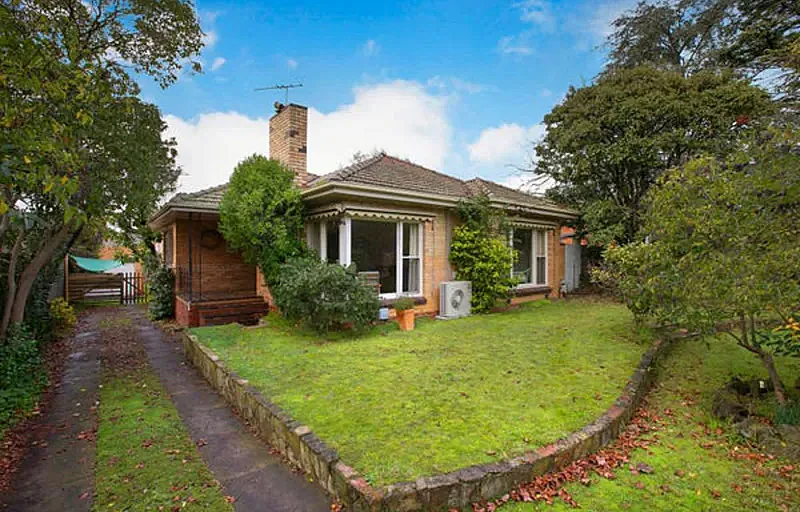
Stumps Relevelled — No Restumping Needed
The concrete stumps were fine — the soil beneath them wasn’t. GeoPoly™ stabilised the ground and relevelled the floors in two days, saving this homeowner from a second full restumping job.
Read More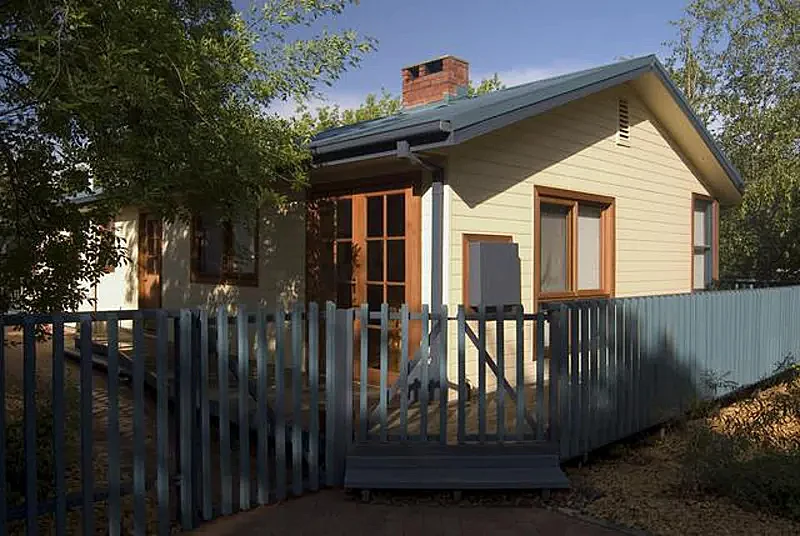
New Kitchen Saved From a $50k Rebuild
A year after installing a new kitchen, it started pulling away from the wall. Local builders quoted $50,000 to fix it. Buildfix did it in four hours — without touching the kitchen.
Read More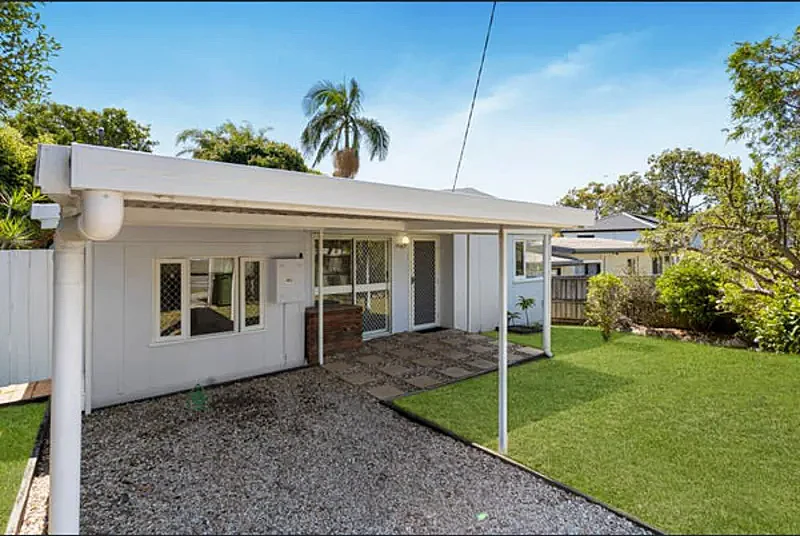
Stumps Raised and Floors Levelled
Sloping floors, cracked tiles, and sunken stumps — this investment property needed to be tenant-ready fast. GeoPoly™ got it done at a fraction of the cost of restumping.
Read More
Seeing something similar at your property?
Our team of engineers and technicians are ready to help.
Book a free structural assessment today.