
Case Study
1920s Apartment Stabilised After Light Rail
Case Study
1920s Apartment Stabilised After Light Rail
A century-old building shaken by Light Rail construction
Foundation Problems in a Historic Concrete Structure Triggered by Soil Movement
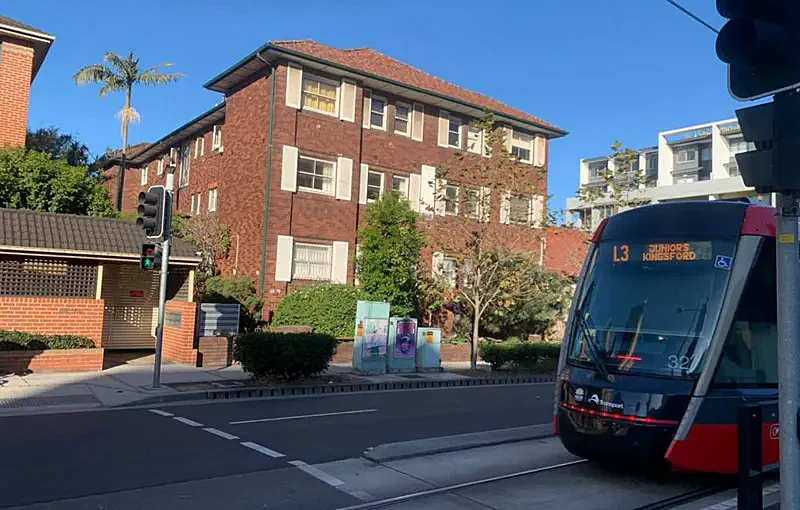
Standing tall since the 1920s, this three-storey apartment block in Kensington, Sydney, had long stood as a durable example of traditional concrete structures and quality brick or masonry work. But in 2017, the construction of the new Light Rail network on Anzac Parade shook its foundations—literally—creating the need for urgent foundation stabilisation.
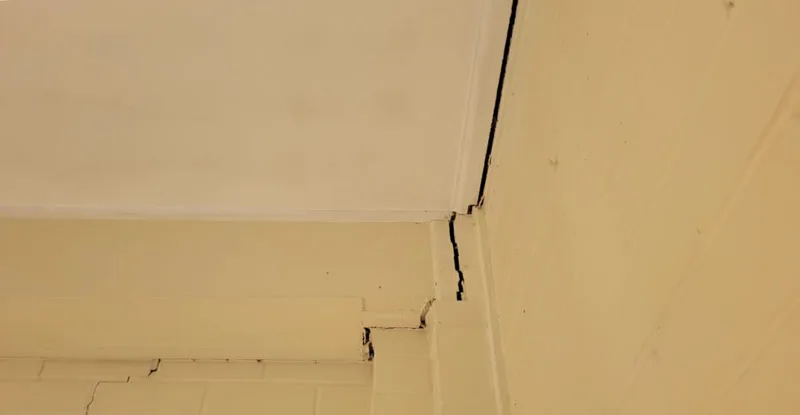
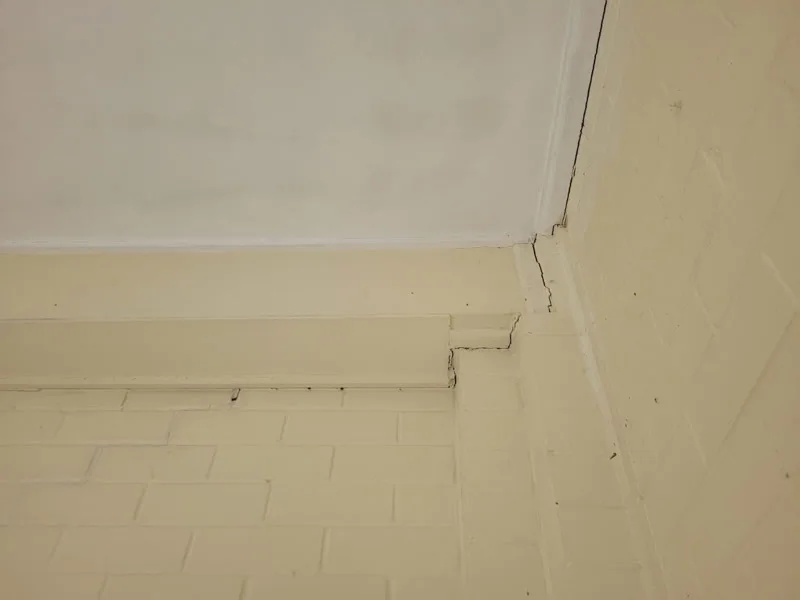
Relentless excavation and continuous vibration from heavy machinery led to significant foundation settlement, weakening the already shallow footings and causing visible signs of structural damage. Cracks spread through internal walls, load-bearing beams began to separate, and cornices detached from surrounding surfaces—clear indicators of deeper foundation issues.
The damage was a result of several factors, including unstable soil, ageing foundation piers, and external pressure from nearby infrastructure works. Concerned for the structural integrity of their home, the owners’ committee turned to Buildfix — a trusted foundation repair contractor—for expert advice and a minimally disruptive foundation stabilisation strategy that addressed both the cause and extent of the building’s foundation repair needs.
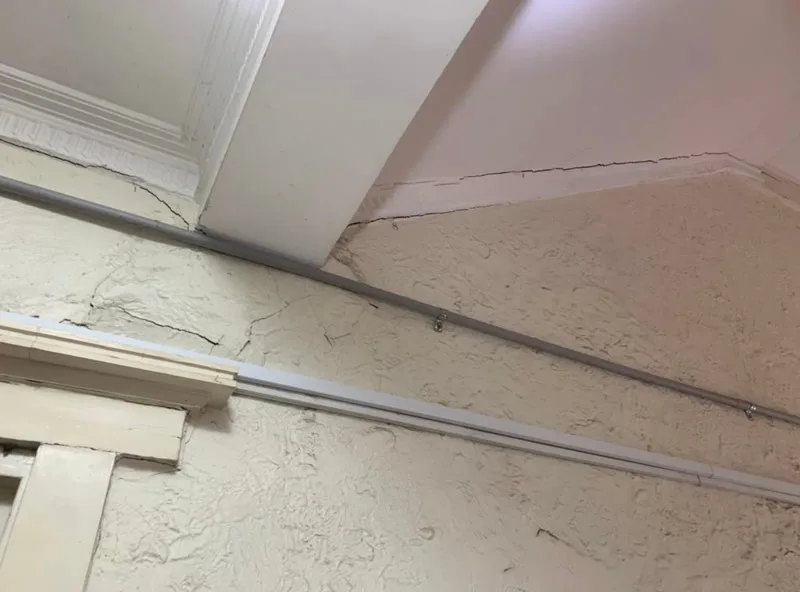
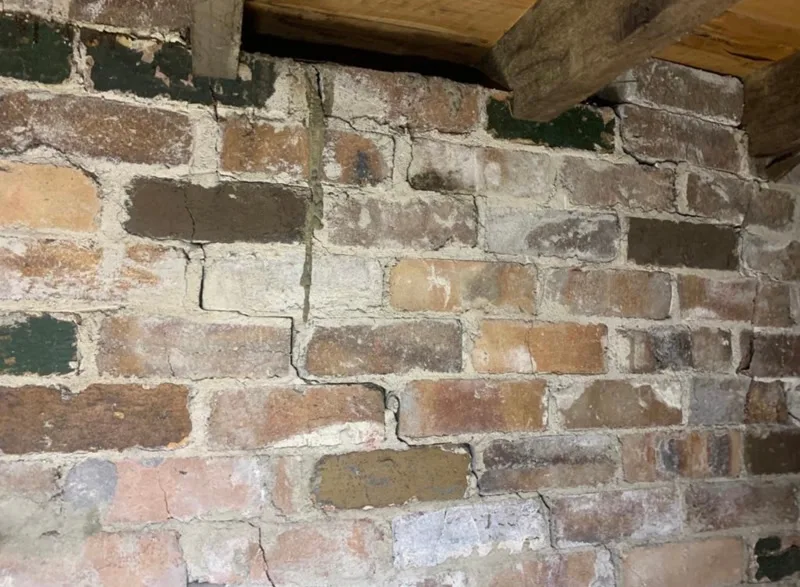
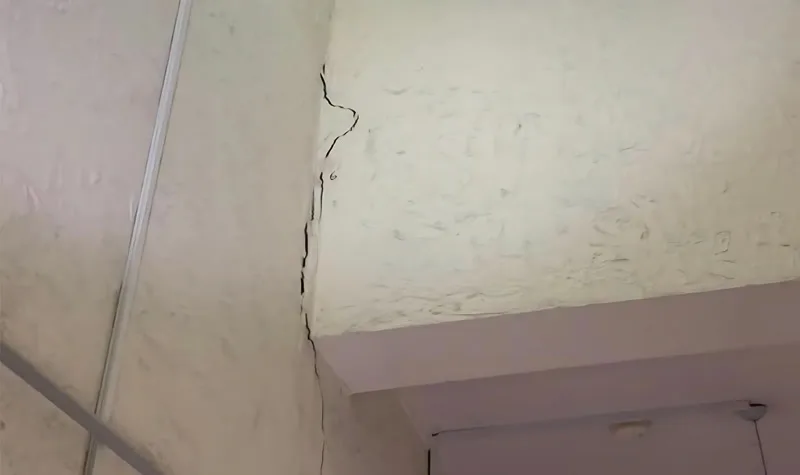
Uniform sinking across six residences on shallow brick footings
Differential Settlement and Slab Movement from Unstable Soil and Shallow Piers
Our structural assessment revealed that the building’s foundation issues were the result of subsidence, a common issue for older structures near major construction zones. The building was constructed on shallow brick footings just half a metre deep and rested on prone soil, specifically expansive soil that couldn’t withstand the vibrations caused by the nearby Light Rail construction. This led to significant foundation settlement, causing differential settlement across the building. One entire side of the structure, housing six residences, sank uniformly, creating a serious risk to the overall stability of the apartment block.
The building’s concrete slab had become increasingly unstable due to the soil movement beneath it, with deep-set soil erosion further weakening the foundation. This caused noticeable structural damage, including cracks in the walls and separation of load-bearing beams. Despite this,traditional underpinning methods such as the use of helical piers and steel piers were suggested by other contractors, but these solutions were invasive, costly, and disruptive.
Faced with this, the owners’ committee sought an alternative, non-invasive foundation stabilisation solution that would address the root cause of the foundation damage and avoid the need for intrusive methods.
GeoPoly™ injected 3+ metres deep — residents stayed home
Soil Stabilisation and Foundation Repair Without Concrete Piers or Steel Piers
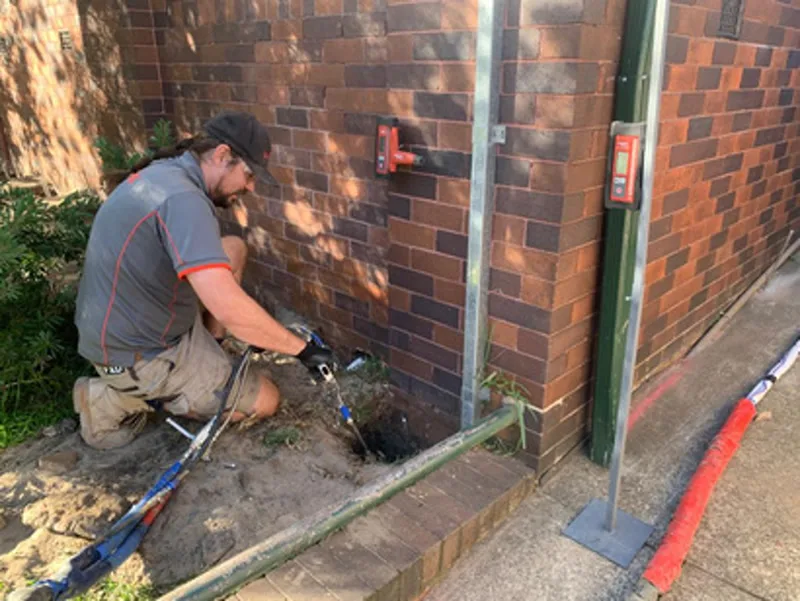
To address the extensive subsidence, our structural engineering team designed a targeted plan that avoided invasive methods like concrete piers, helical piers, or steel piers. Instead, we implemented a tailored combination of our soil stabilisation services and deep-lift injection techniques to treat the root cause of the movement—unstable soil unable to support existing structural loads.
We injected our proprietary GeoPoly™ resin more than three metres below ground level to compact and strengthen the floors of loose, shifting ground. This created stable soil conditions, preventing further displacement and restoring structural support. The resin also filled hidden voids caused by poor drainage, a common trigger of foundation movement in older buildings affected by various factors like vibration, age, and weather.
Unlike grout injection or push piers, which can be disruptive and time-intensive, this approach offered an effective solution without the need for excavation—especially important in residential buildings where homeowners remain onsite. By avoiding methods typically used in high-risk zones such as basements or areas affected by natural disasters or earthquakes, we ensured the project remained minimally disruptive while achieving long-term foundation stabilisation.
Stabilised and lifted in under two weeks — saving hundreds of thousands
Long-Term Foundation Stabilisation for a Residential Building Without Disruption
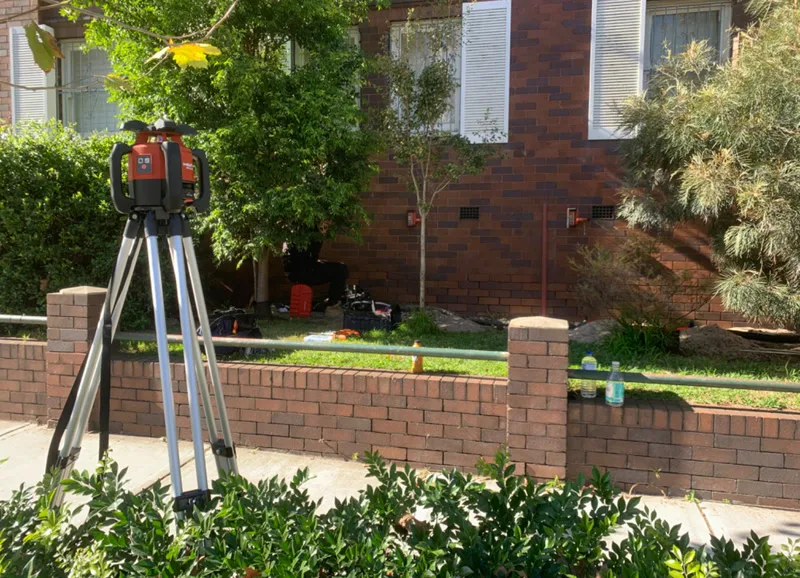
Thanks to the precision of our GeoPoly™ resin injections, the apartment block was not only stabilised but lifted by several millimetres—exceeding expectations. Despite the building’s risk of structural failure, our approach delivered long-term stability without the need for invasive alternatives like resistance push piers.
The entire project was completed in under two weeks, allowing residents to remain in their homes without disruption. Compared to traditional solutions offered in cities like Melbourne and Perth, which often involve excavation and temporary relocation, our method proved faster, cleaner, and far more cost-effective. The owners’ committee saved hundreds of thousands of dollars and avoided the upheaval of more aggressive foundation works.
Now structurally sound and future-ready, this historic Kensington apartment block is prepared to endure the demands of modern city life for years to come. Seeing signs of subsidence in your building? A free assessment explains what's happening and what underpinning can do.
Share this case study
Related Articles
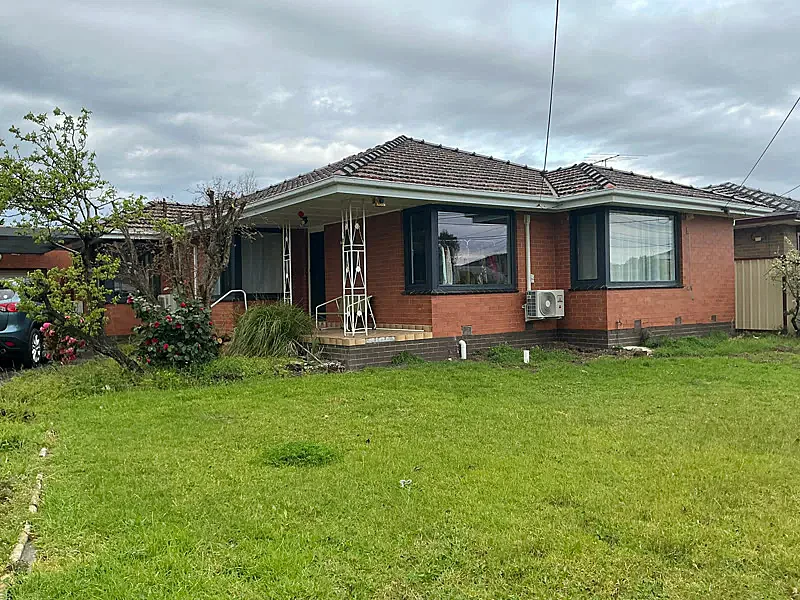
Underpinning Failed — Resin Fixed It
After traditional concrete underpinning failed and brand-new windows wouldn’t fit, GeoPoly™ resin injection stabilised the foundation in a single day — with millimetre precision.
Read More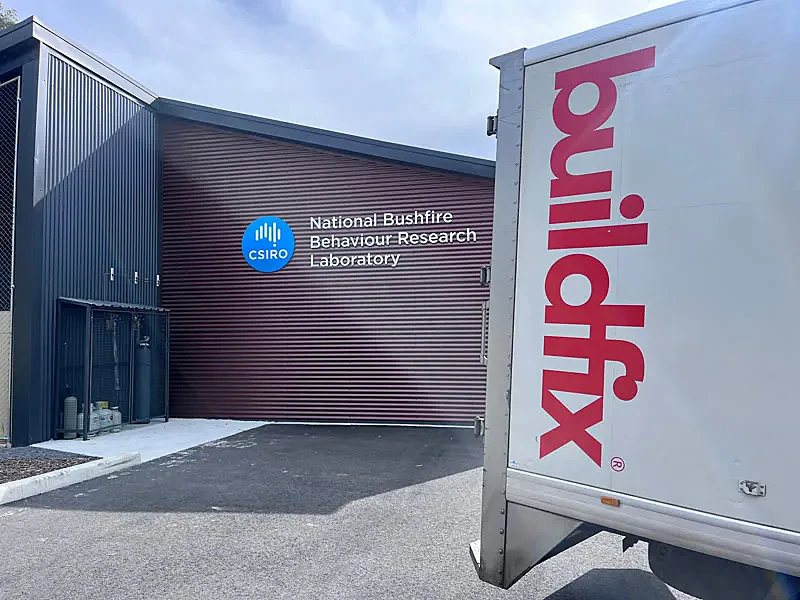
CSIRO’s Research Facility Relevelled
When Australia’s national science agency — the country’s foremost authority on foundation subsidence — needed their own buildings fixed, they called Buildfix.
Read More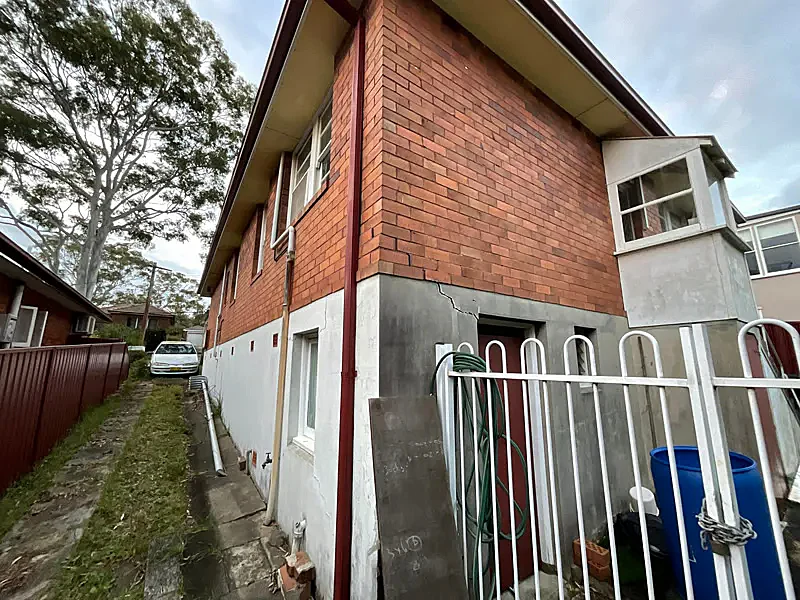
Flood-Damaged Foundation Fixed in a Day
Surface water eroded the foundation and shifted a wall outward. GeoPoly™ filled the voids, raised the wall 20mm, and realigned the brickwork — all in one day.
Read More
Seeing something similar at your property?
Our team of engineers and technicians are ready to help.
Book a free structural assessment today.