
Case Study
Damp Attacking From Both Sides
Case Study
Damp Attacking From Both Sides
Flaking paint inside, cracking render outside — two symptoms, same cause
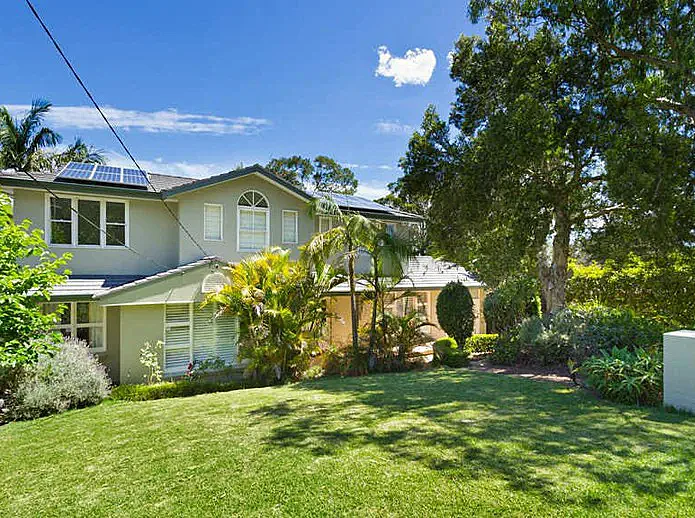
This Frenchs Forest homeowner was dealing with damage on both sides of the house — and it wasn’t cosmetic. Inside, paint was flaking and the brickwork had turned powdery to the touch. Outside, the render was cracking and pulling away from the wall.
Two different symptoms. Same cause.
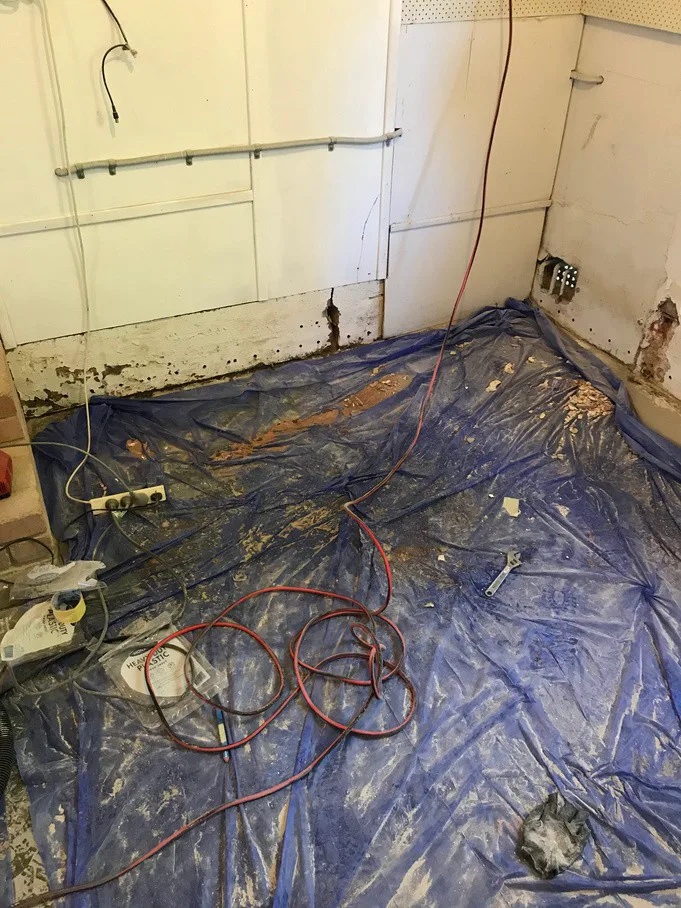
Moisture had saturated the full width of the wall — attacking every surface it could reach
When rising damp affects both internal and external surfaces, the moisture has saturated the full width of the wall. The masonry is acting like a sponge — pulling moisture up from the ground on both sides and depositing salts wherever evaporation occurs. Inside, the salts attack the paint and the brick face. Outside, they force render away from the substrate.
Frenchs Forest homes of this era — predominantly 1960s and 1970s double-brick — were built with basic damp-proof courses that were standard for the time but were never designed to last 50 years. The surrounding bushland retains moisture in the soil, and the clay beneath these properties swells and contracts with the seasons, keeping the moisture cycle constant year after year.
The internal damage — powdery brickwork — told the worst part of the story. The salts had penetrated the brick face itself, not just the mortar. That’s beyond a repaint. The bricks were being destroyed from within.
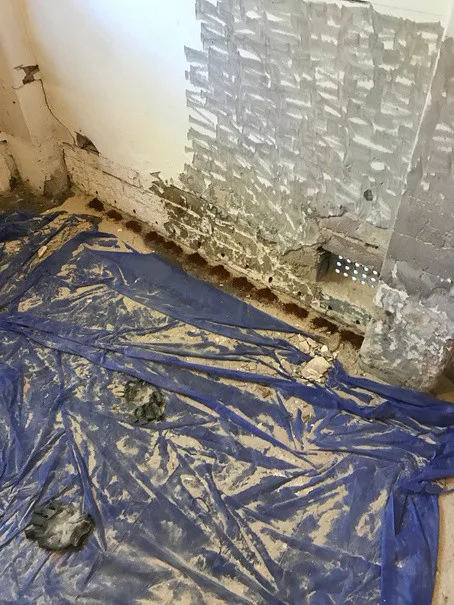
DampBlock™ and SaltBlock™ applied to both internal and external walls
Both internal and external walls were treated. Small holes were drilled at close intervals along the base of each affected wall, and DampBlock™ — a silicone-based cream — was injected into the mortar course. The cream cures to form a continuous waterproof barrier within the wall, cutting off the moisture path from the ground on both sides.
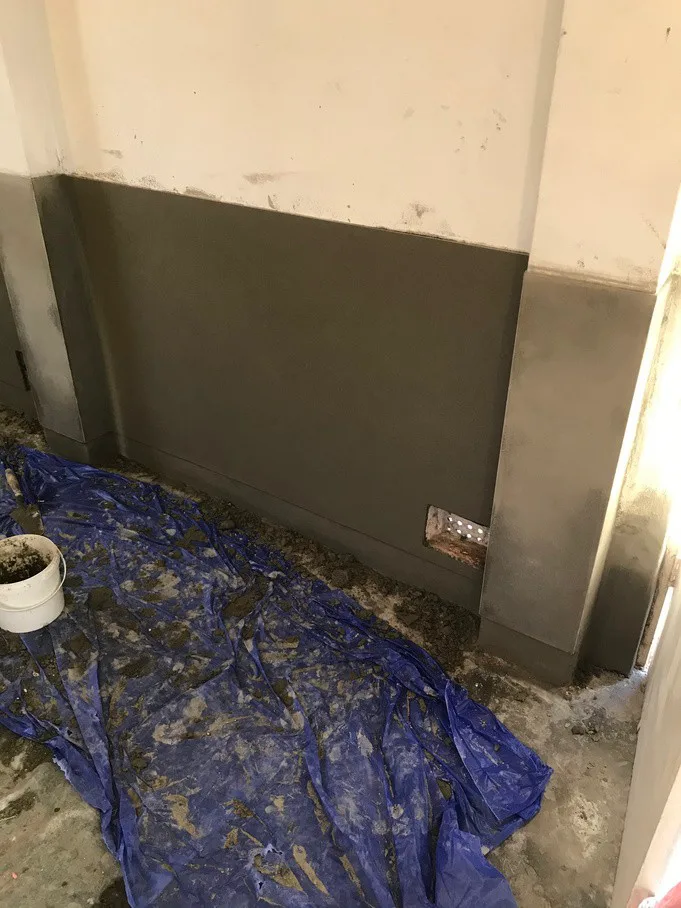
Once the DPC was in place, the damaged surfaces were addressed. Salt-contaminated render and degraded plaster were stripped back. A SaltBlock™ salt-retardant base coat was applied to prevent residual salts from bleeding through, followed by a breathable finish that lets any remaining moisture escape while the barrier takes full effect.
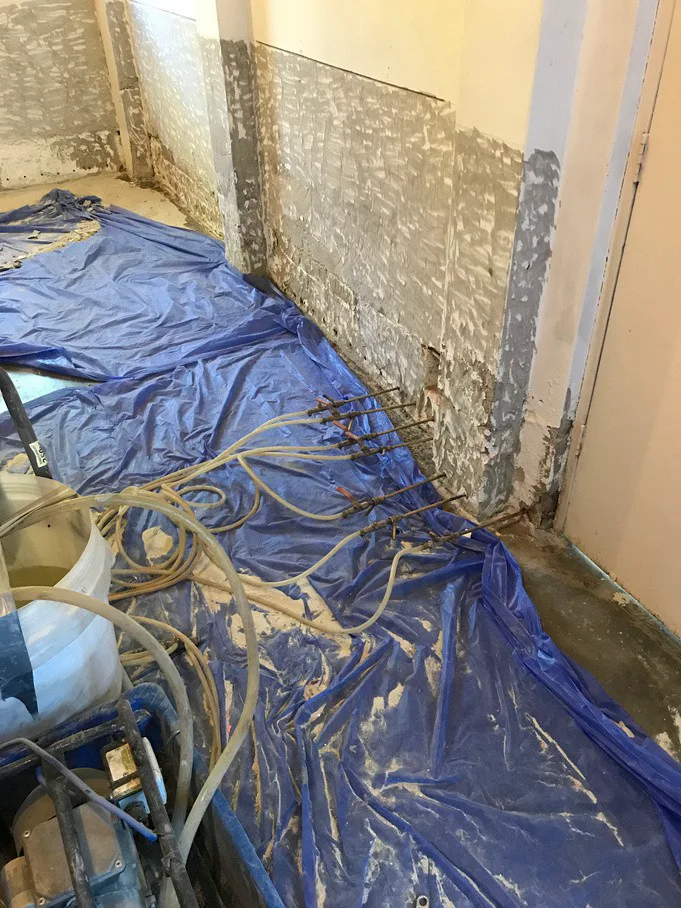
Both internal and external walls treated within two days
The DampBlock™ injection and SaltBlock™ treatment were completed across both internal and external walls within two days.
The damage that appeared to be two separate problems — flaking paint inside and cracking render outside — turned out to be one. Moisture rising through the full width of the wall, attacking every surface it could reach. With the new DPC in place, the salt cycle was broken on both sides.
No brickwork removed. No excavation. No membrane. Every DampBlock™ treatment is backed by a 20-year warranty. Seeing damp on both sides of your walls? A free assessment maps the moisture and explains what damp proofing can do.
Share this case study
Related Articles
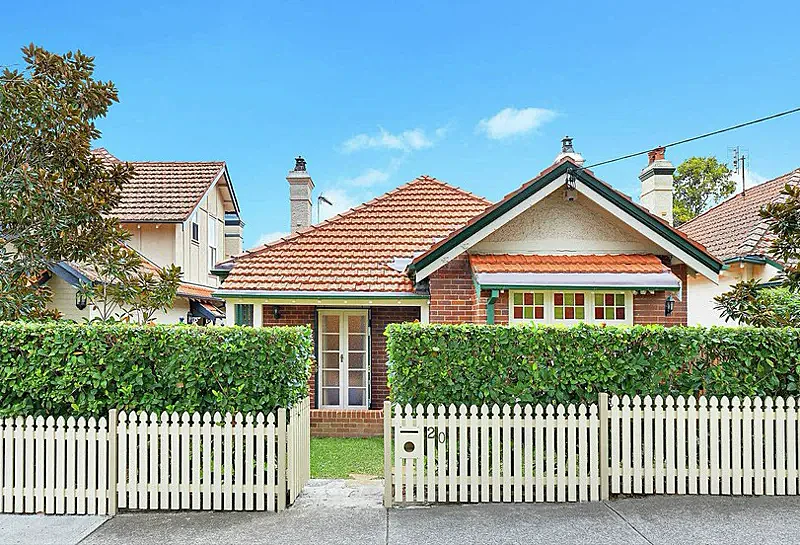
Fresh Tuckpointing Fell Out in Months
Spent money on tuckpointing only to watch the mortar fail again? That’s usually a sign the wall is wet from within — and no amount of repointing will fix it. Book a free damp assessment and find out what’s really going on.
Read More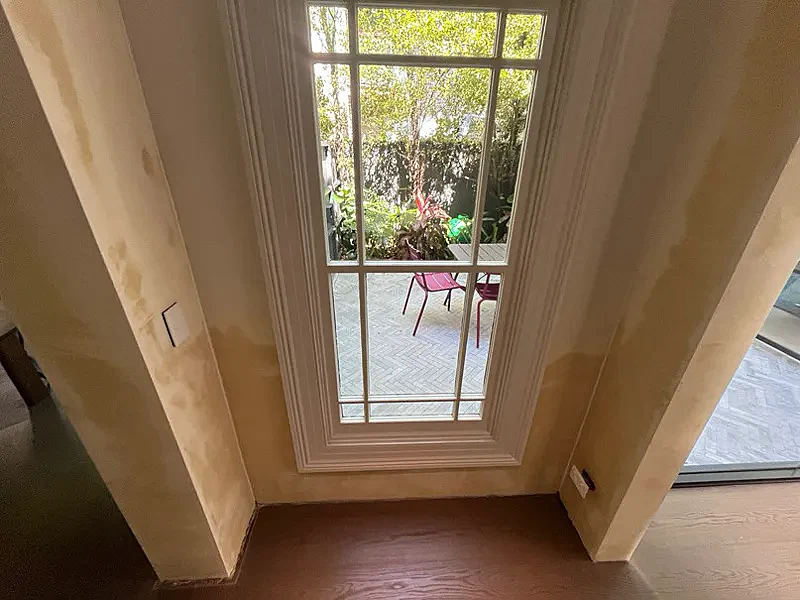
Terrace Walls Dried Out Without a Trench
Own a terrace in the inner west? Rising damp is one of the most common problems in homes of this age — and excavation is rarely an option. Book a free damp assessment and find out what’s happening inside your walls.
Read More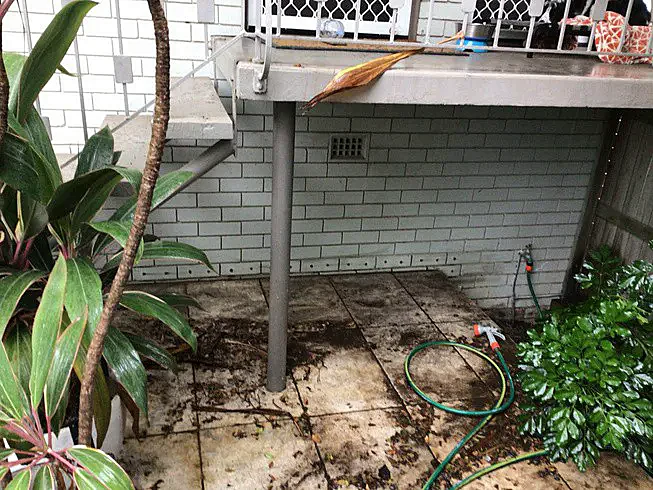
Crumbling Bricks No Bricklayer Could Fix
Strata committee dealing with crumbling brickwork that no tradesperson seems able to fix? The problem might not be the bricks — it might be what’s happening behind them. Book a free damp assessment for your building.
Read More
Seeing something similar at your property?
Our team of engineers and technicians are ready to help.
Book a free structural assessment today.