
Case Study
CSIRO’s Research Facility Relevelled
Case Study
CSIRO’s Research Facility Relevelled
Australia’s foremost authority on foundation subsidence
Established in 1916, the Commonwealth Scientific and Industrial Research Organisation (CSIRO) is Australia’s leading national science agency. For over a century, CSIRO has driven groundbreaking research and innovation, tackling some of Australia’s most complex challenges across environmental science, health, engineering, and technology.
They’re also Australia’s foremost authority on foundation subsidence, shaping best practices in subsidence prevention and repair through decades of research. Their publications, including the widely referenced “FOUNDATION MAINTENANCE AND FOOTING PERFORMANCE Preventing soil-related building movement“, guide Australian homeowners on how soil conditions, reactive clays, and other factors contribute to building movement.
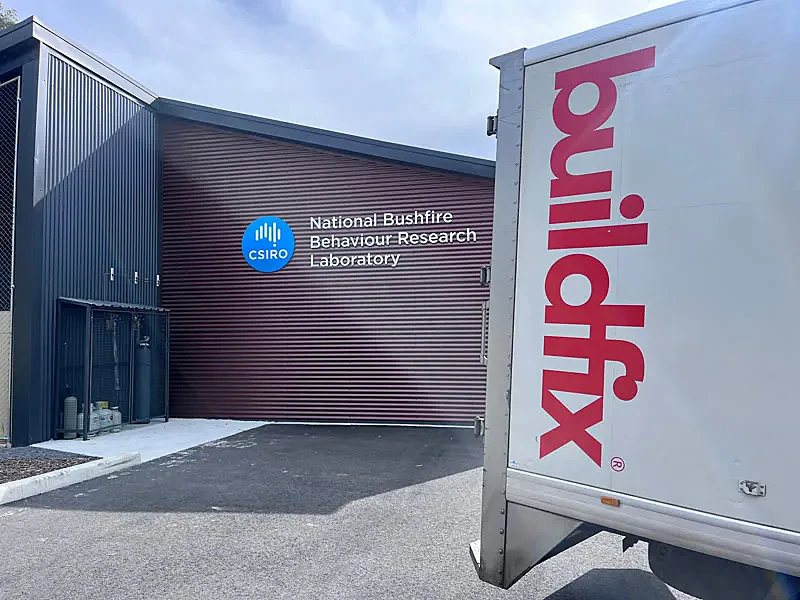
So, when building subsidence threatened the stability of critical research buildings at CSIRO’s Black Mountain site in Canberra, the scientists who literally wrote the book on foundation management work turned to Buildfix for a solution.
Foundation subsidence threatening critical research buildings
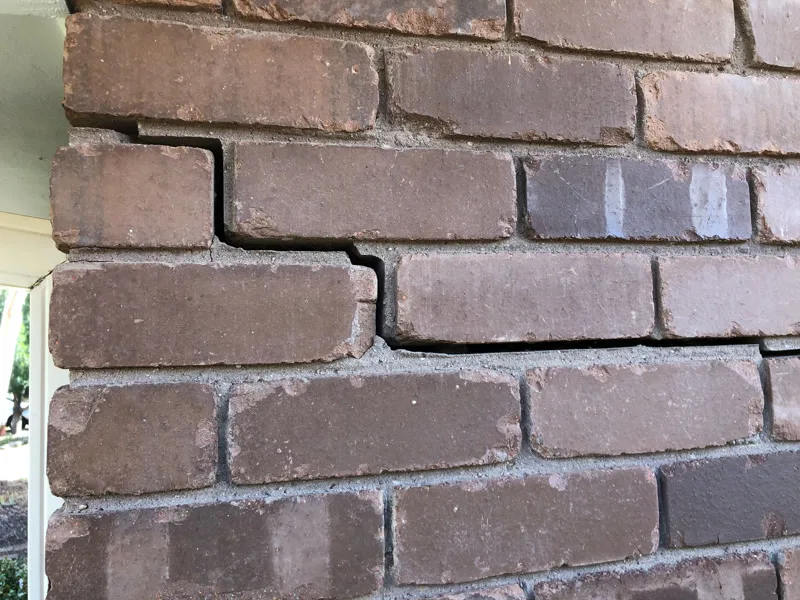
During renovations at the Black Mountain research facility, engineers discovered significant foundation subsidence that put the structural integrity of key buildings at risk. These were the challenges they faced:
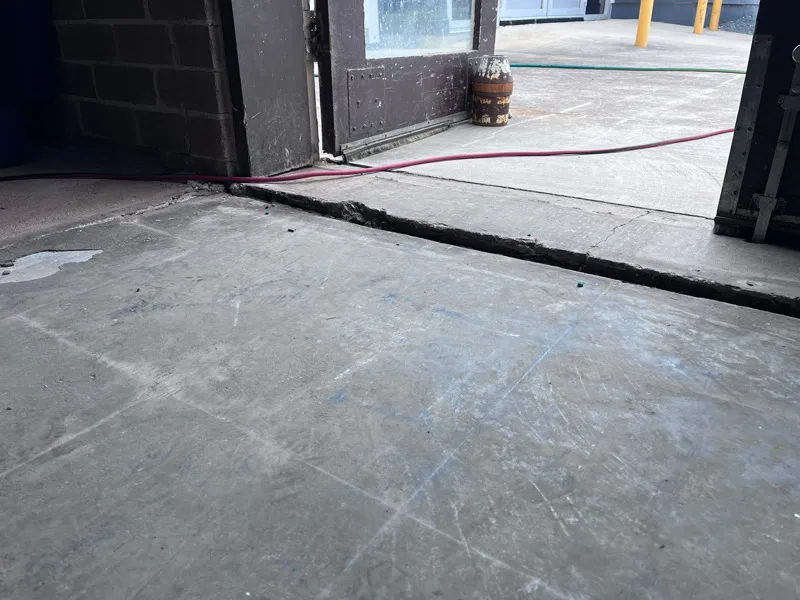
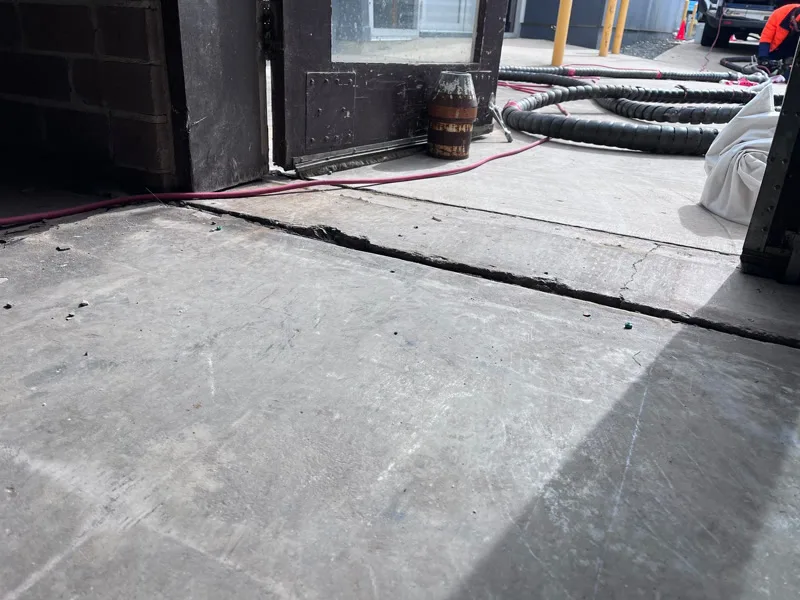
• Internal concrete slabs had sunk by up to 40mm
• External building corners had dropped as much as 25mm
• Uneven floor surfaces were compromising the stability of scientific equipment
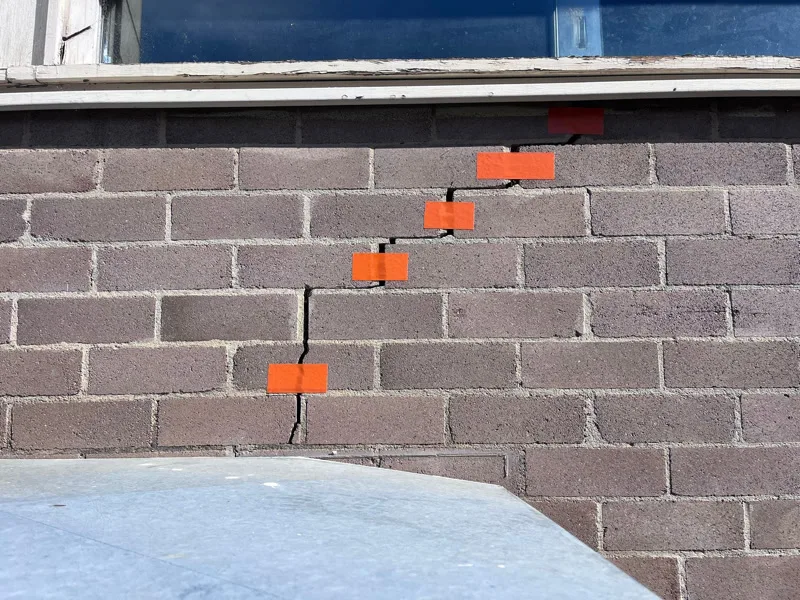
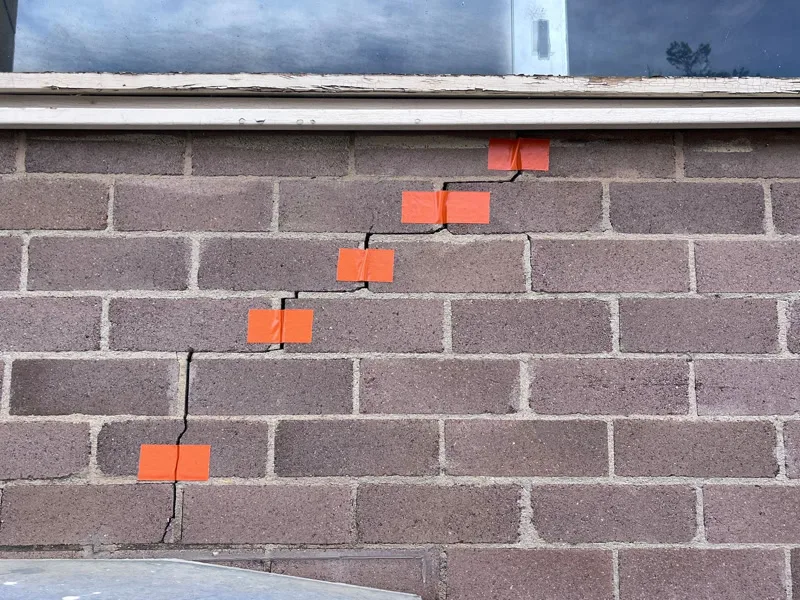
• Wall cracks and structural misalignments were developing
• Ongoing renovations were at risk of delay
• There wasn’t an endless budget for repair, so costs needed to be kept down
For CSIRO, addressing this subsidence issue required more than just a basic repair. As Australia’s leading authority on foundation maintenance, they knew they needed a cutting-edge solution that demonstrated precision, minimal disruption, and long-term reliability—ensuring the site’s stability without jeopardising important research activities.
Traditional repair methods would not work for CSIRO
Traditional foundation repair approaches would not work for CSIRO:
• Concrete underpinning: A highly invasive process that would require extensive excavation, disrupting sensitive research operations.
• Slab replacement: This would mean the complete shutdown of the facility for weeks or months. Again, not an option for CSIRO.
• Temporary fixes: Without addressing the underlying soil stability issues, these problems would come up again and again…
The ideal solution needed to stabilise the foundation and precisely relevel the structure quickly and efficiently, using a method that aligned with CSIRO’s standards for innovation, quality, and scientific excellence.
GeoPoly™ resin technology for precise, non-invasive foundation repair
Buildfix implemented our proprietary GeoPoly™ resin technology, a state-of-the-art, non-invasive solution designed specifically for precise foundation repair in Australia’s harsh climate.
Our approach followed a systematic process:
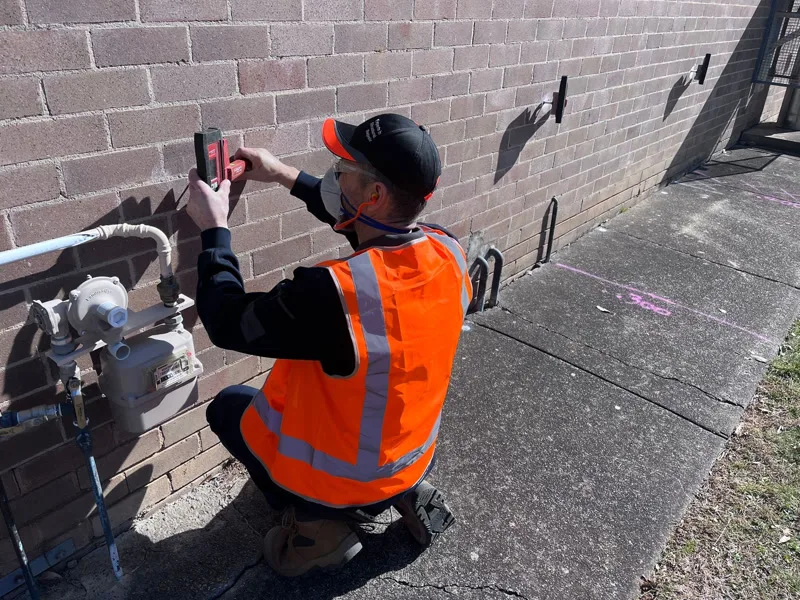
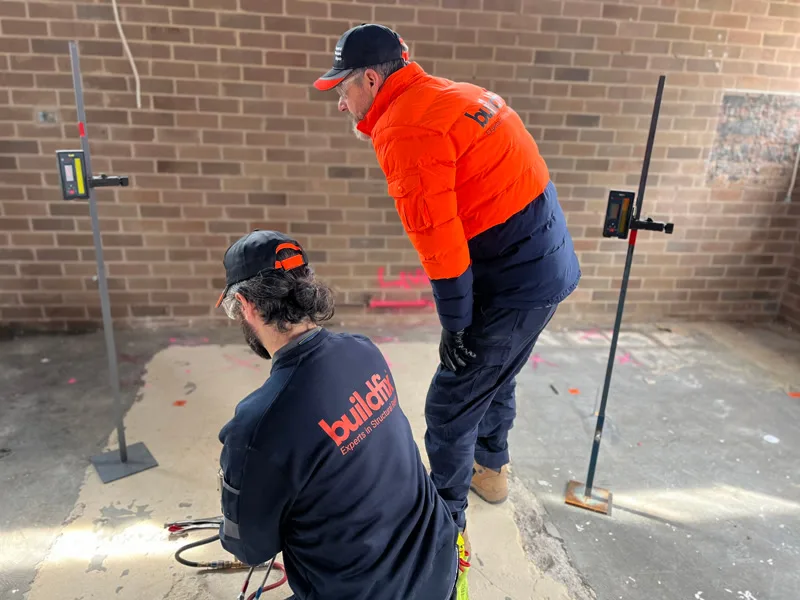
• Comprehensive assessment: Our structural engineers precisely mapped the extent of subsidence throughout the facility using laser level technology, identifying optimal injection points to maximise effectiveness.
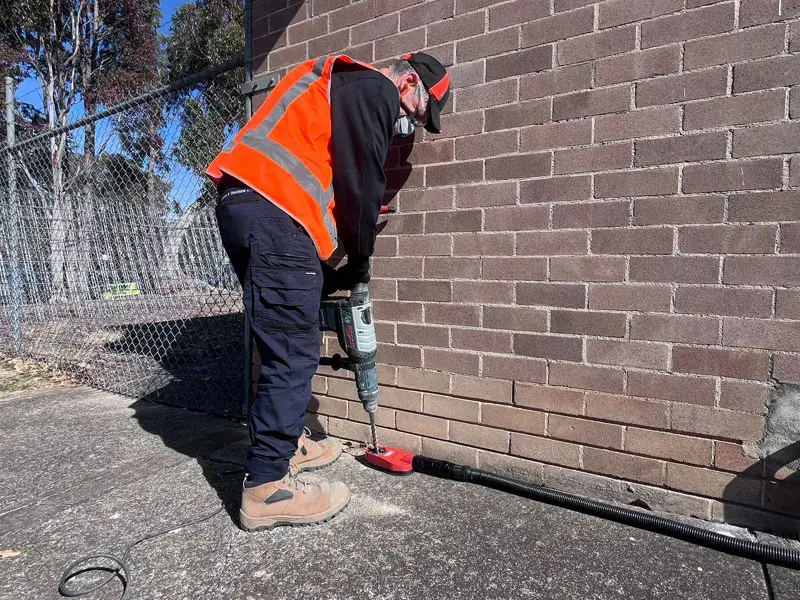
• External footing stabilisation: We drilled directly beneath the building’s footings to address any voids or weakness at their base, providing immediate structural support.
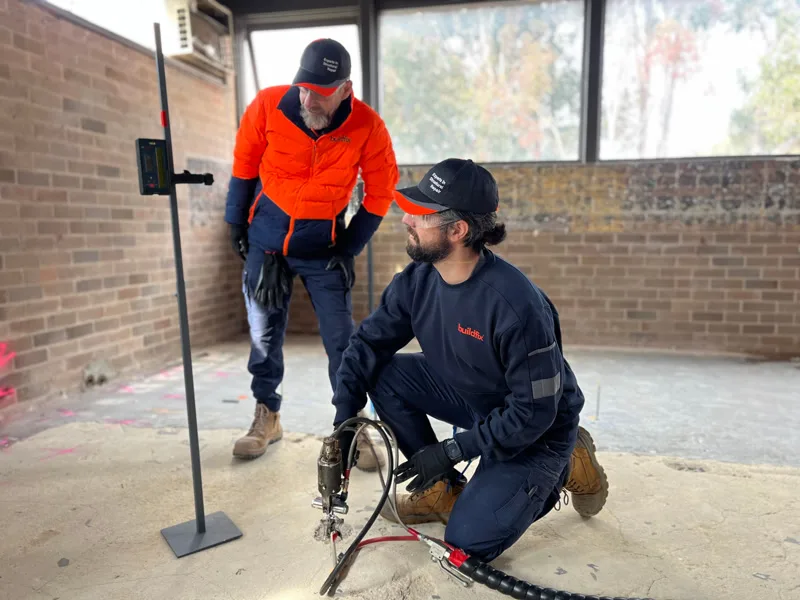
• DeepLift stabilisation: We strategically drilled for controlled GeoPoly™ injections, targeting areas with load-bearing soils, often reaching depths exceeding 2 metres to ensure long-term stability.
• Precision relevelling: Using laser monitoring equipment, we executed a controlled lift of: 22mm at the front corner of the building, 10mm at the rear corners, up to 40mm for internal concrete slabs
• 22mm at the front corner of the building
• 10mm at the rear corners
• Up to 40mm for internal concrete slabs
Completed in two days with zero disruption to research
In just two days, Buildfix successfully resolved CSIRO’s complexsubsidenceissues, delivering remarkable results:
• Complete foundation stabilisationwith no further movement detected
• Precise concrete slab relevellingto within 2mm tolerance
• Structural realignmentof the building’s external walls
• Zero disruptionto ongoing research activities
• Minimal invasionwith only small injection points required
• Project timeline maintainedwith no delays to the renovation schedule
The techniques Buildfix used for CSIRO are equally effective in homes across Australia, where our non-invasive approach is particularly valuable for families who need quick, clean repairs with minimal disruption. Seeing similar signs of subsidence in your home? A free assessment takes the guesswork out of it.
If Australia's leading scientists — experts in foundation performance — trust Buildfix with their facilities, you can be confident in our approach to your home's underpinning.
Share this case study
Related Articles
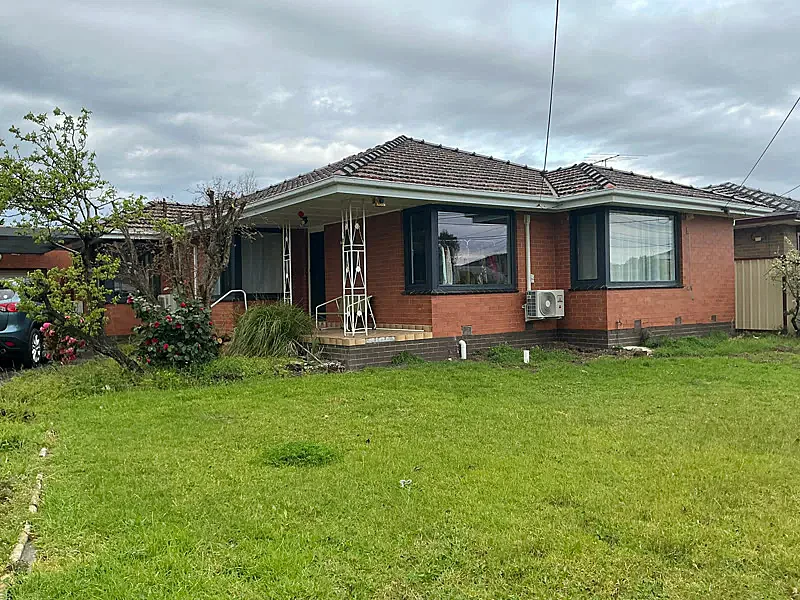
Underpinning Failed — Resin Fixed It
After traditional concrete underpinning failed and brand-new windows wouldn’t fit, GeoPoly™ resin injection stabilised the foundation in a single day — with millimetre precision.
Read More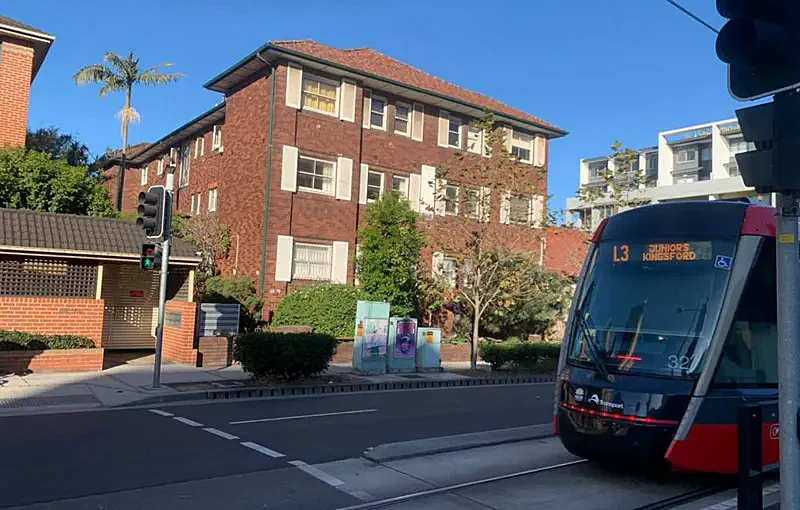
1920s Apartment Stabilised After Light Rail
Light Rail construction shook a century-old apartment block to its foundations. GeoPoly™ stabilised six residences at a fraction of underpinning costs — residents never had to leave.
Read More
Flood-Damaged Foundation Fixed in a Day
Surface water eroded the foundation and shifted a wall outward. GeoPoly™ filled the voids, raised the wall 20mm, and realigned the brickwork — all in one day.
Read More
Seeing something similar at your property?
Our team of engineers and technicians are ready to help.
Book a free structural assessment today.