What’s happening in Melbourne homes
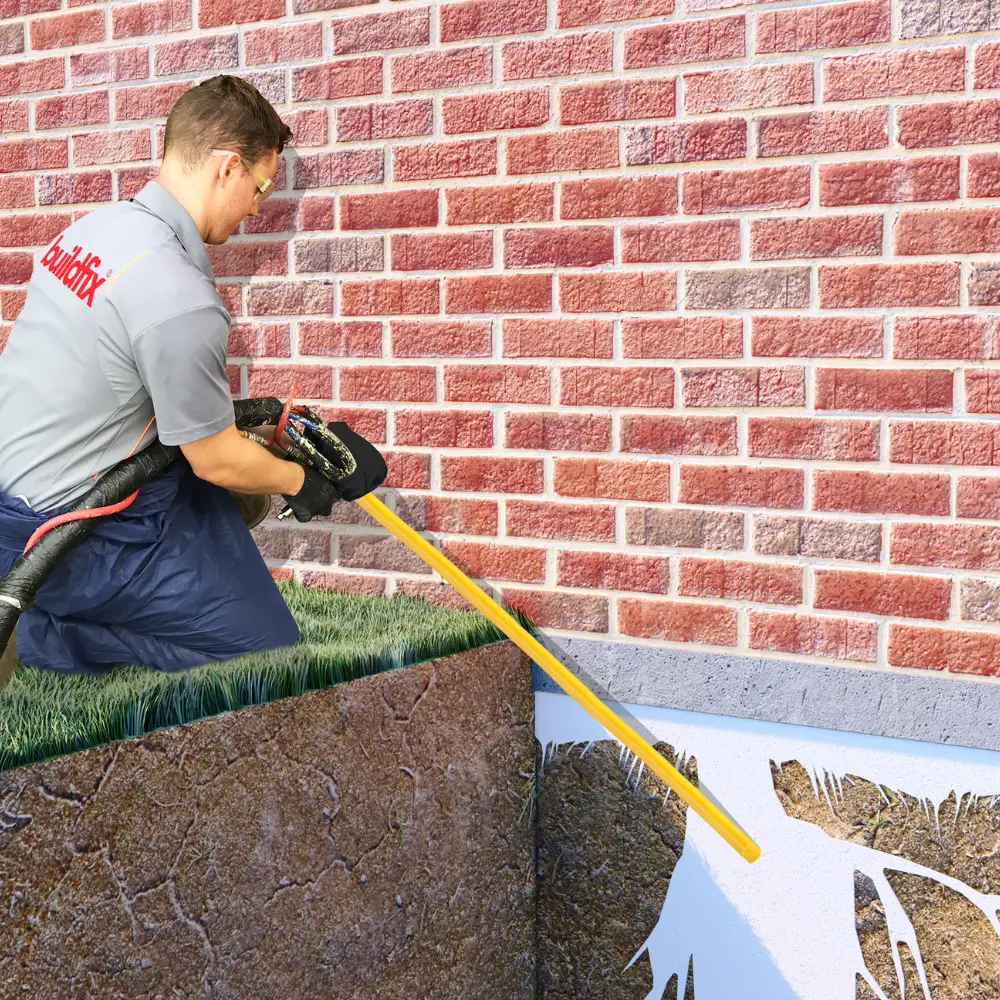
Melbourne sits on some of the most reactive clay in the country — particularly through the west (Sunshine, Caroline Springs, Werribee, Melton), the north (Craigieburn, Mickleham) and the outer south-east. Reactive clay holds water like a sponge through a wet winter, then dries hard and shrinks through summer. Foundations move with it. Victoria’s drought-and-deluge cycle is particularly punishing on shallow footings — the soil under your slab can drop 30–50mm in a bad year.
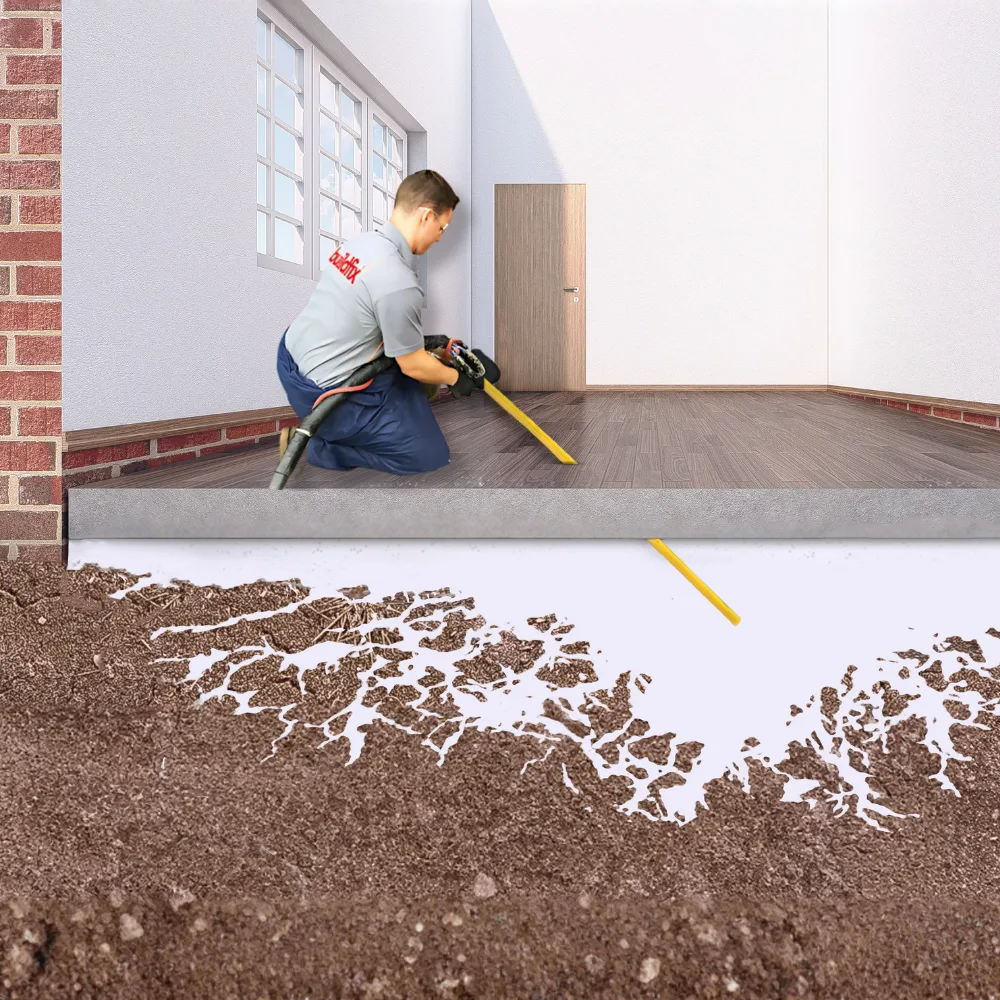
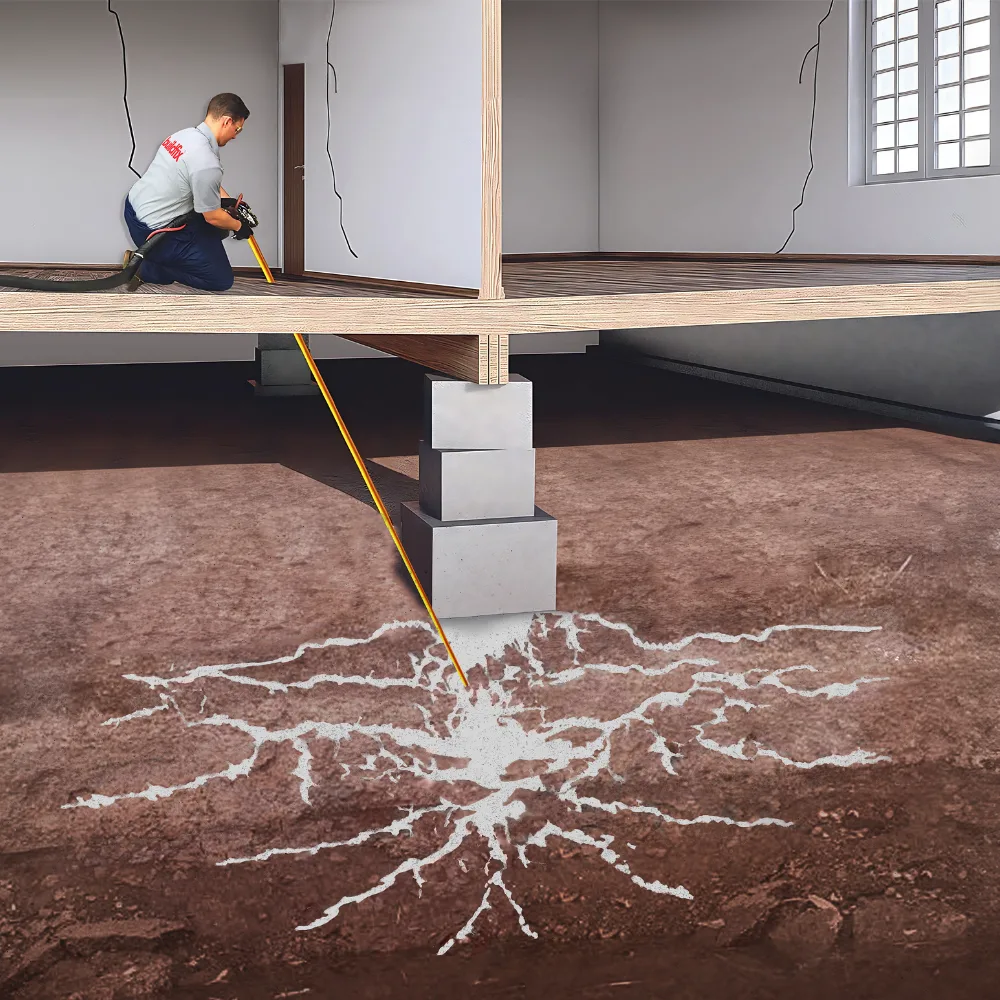
What sits on top adds the second half of the story. Inner-suburb weatherboards from Carlton through to Footscray rest on timber stumps that rot or sag — and most owners have been told the only option is a full restump. Brick veneers from the post-war boom sit on concrete strip footings designed for stable ground. Modern estates in the west and north are built on waffle pod or raft slabs — efficient when the soil cooperates, brittle when the clay belt moves seasonally beneath them.
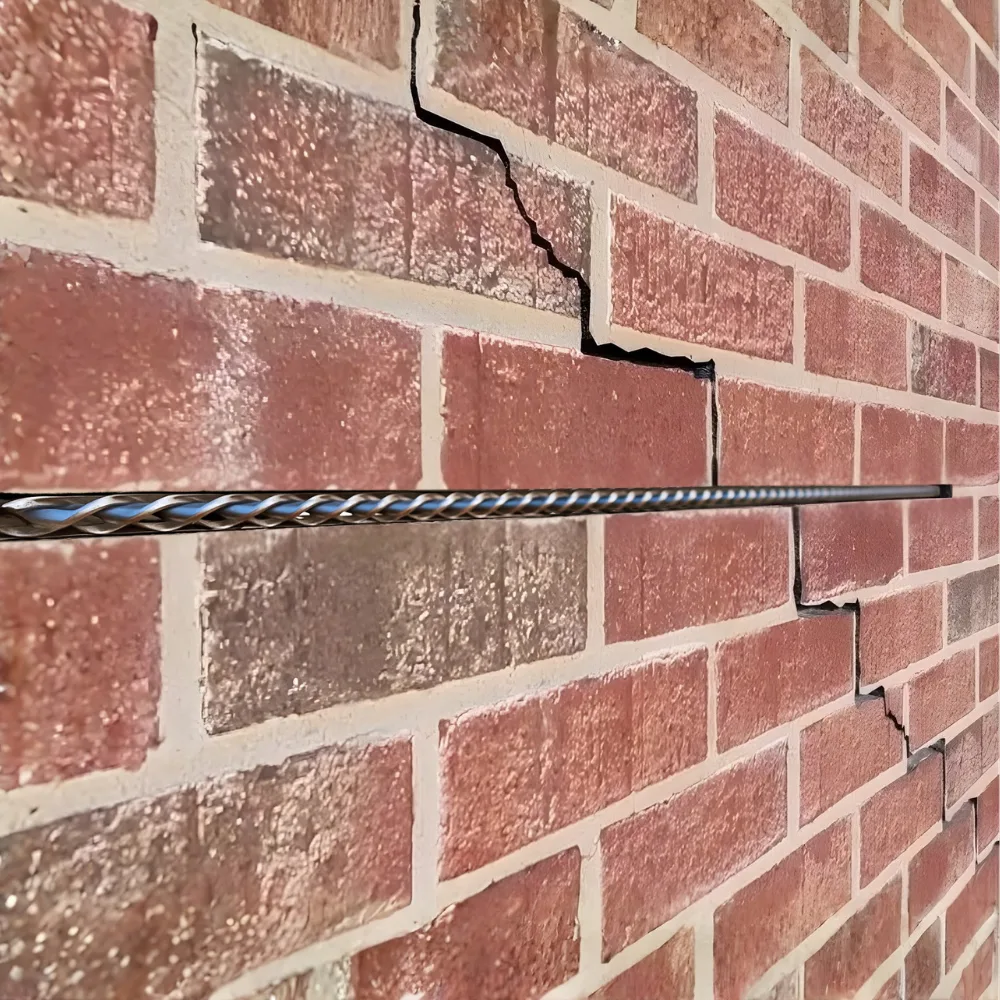
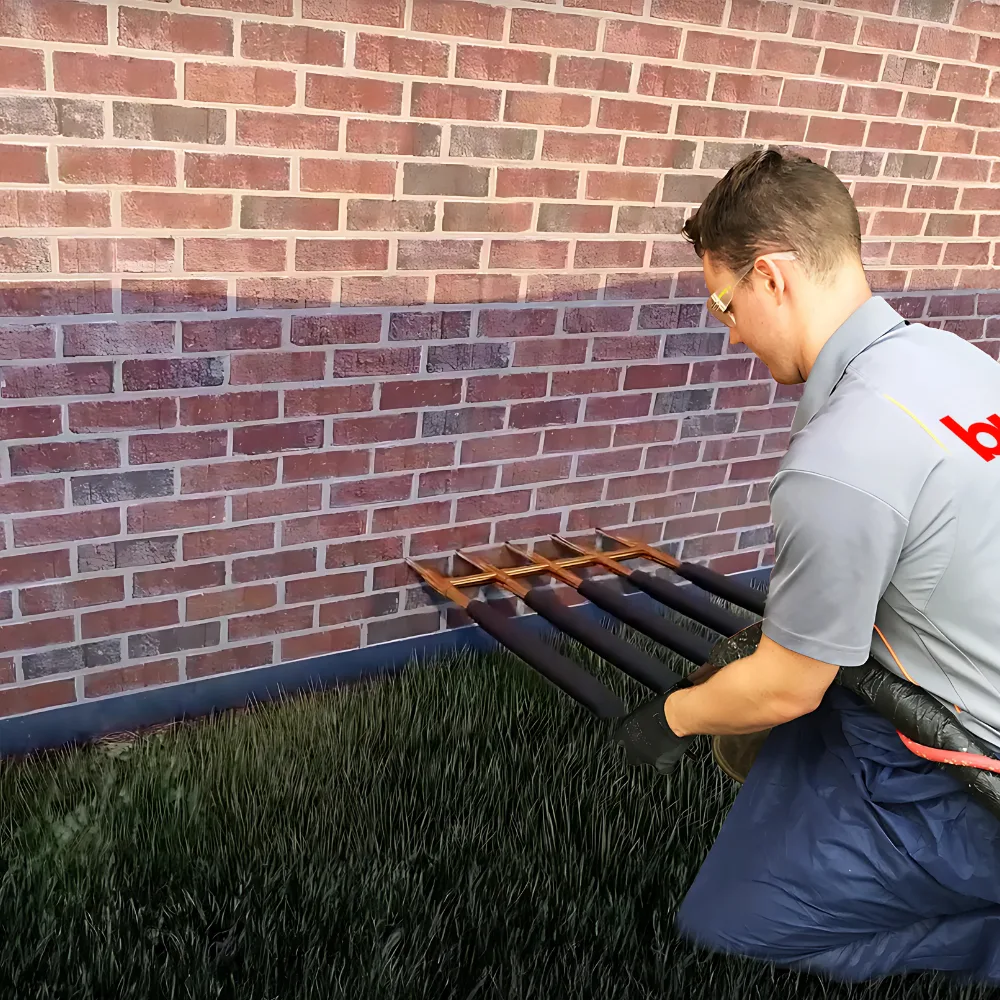
What you see — diagonal cracks above windows, sloping hallway floors, gaps at the skirting, a back room that’s dropped, doors that won’t latch in summer but close fine in winter — those are the symptoms. They show up after the structural movement has already happened. The repair starts under the house, not on the wall.