What’s happening in Brisbane homes
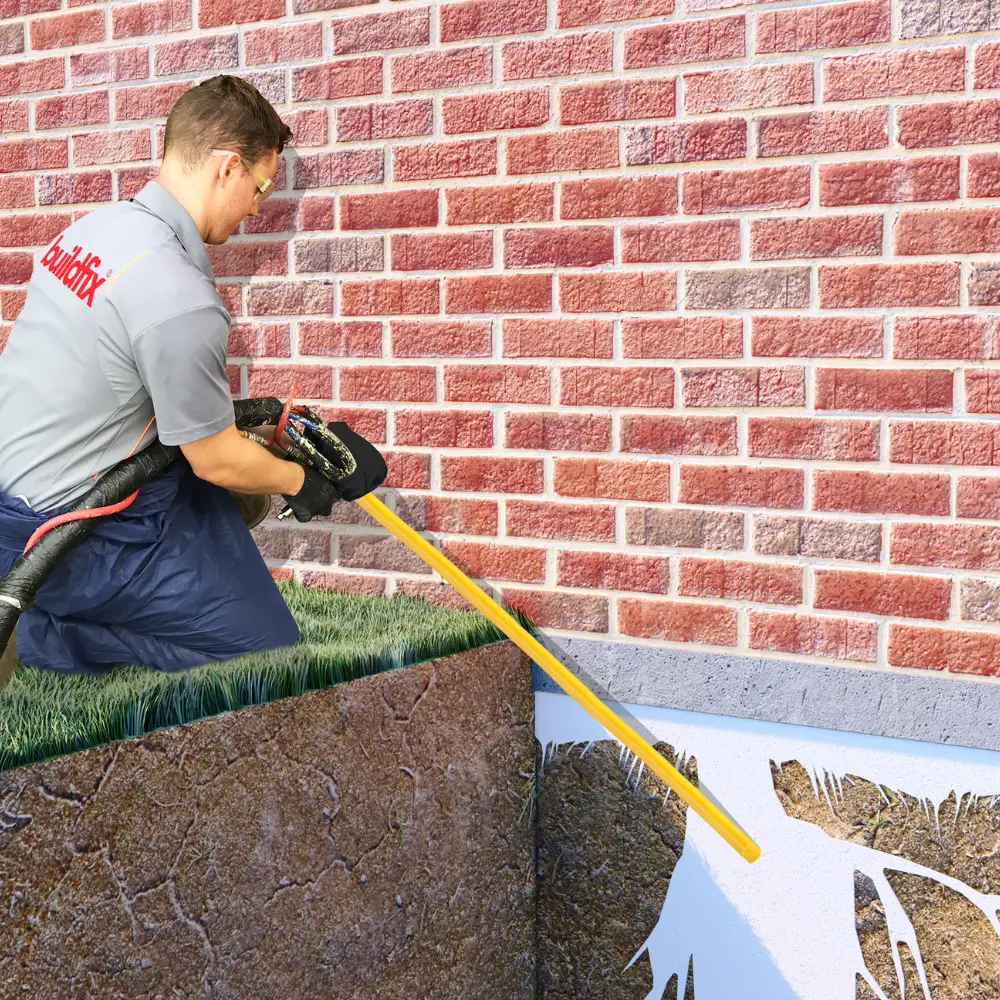
Brisbane sits on reactive clay — particularly through the western and southern suburbs and across Logan, Ipswich, and the corridor down to the Gold Coast. Reactive clay holds water like a sponge in summer storms, then dries hard and shrinks through the cooler months. Foundations move with it. The cycle repeats every year, and over time it loosens the soil supporting your slab or your stumps.
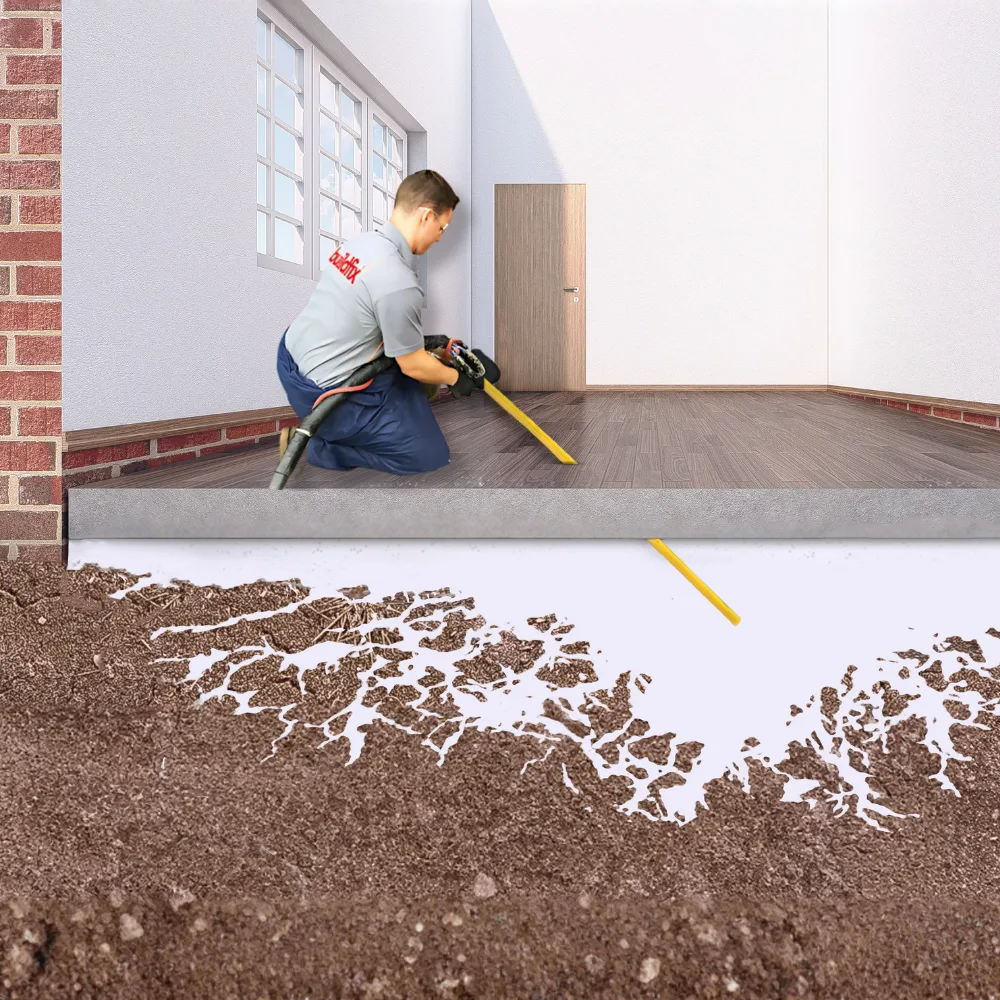
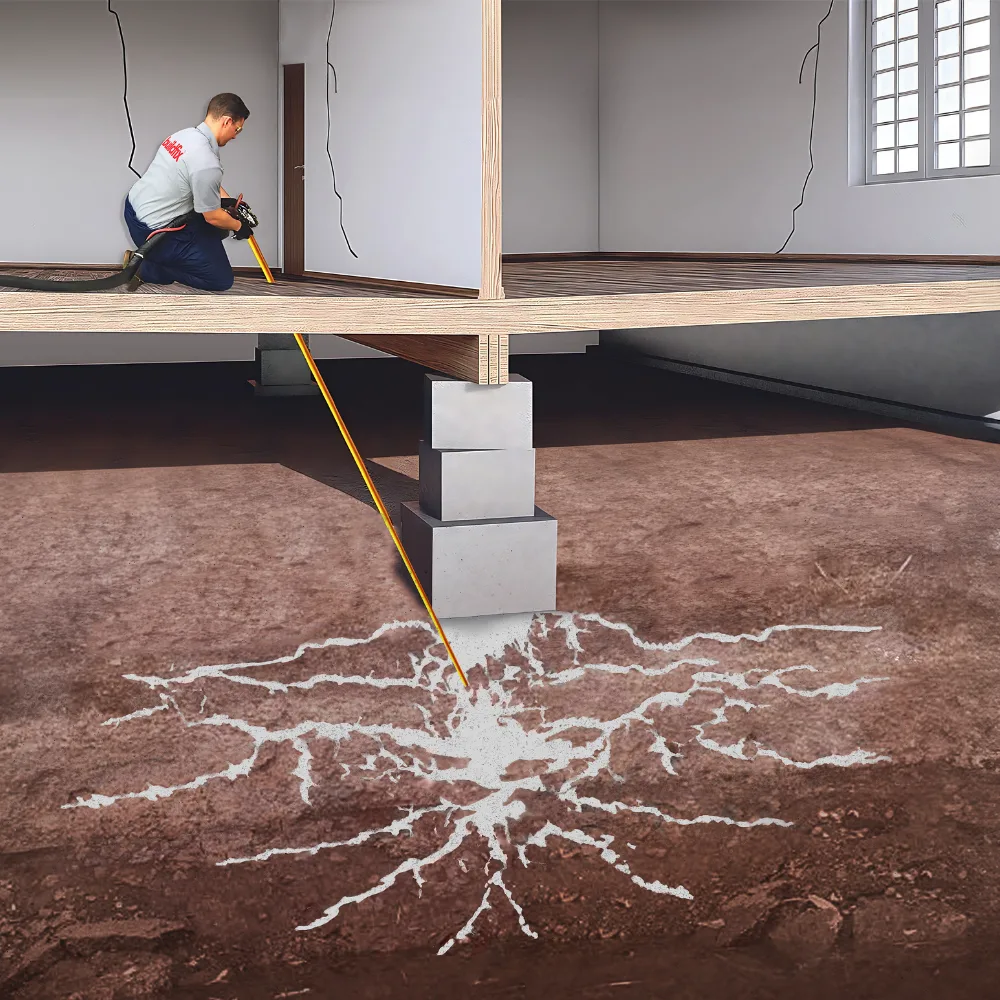
The other half of the story is what’s sitting on top. Older Queenslanders rest on timber stumps that rot or sag. Post-90s brick homes mostly sit on waffle pod or raft slabs — efficient when the ground’s stable, less forgiving when it isn’t. Renovations and extensions can add load that the original slab wasn’t designed for. And in flood-prone pockets, drainage and saturated ground silently weaken the footing for years before anyone notices.
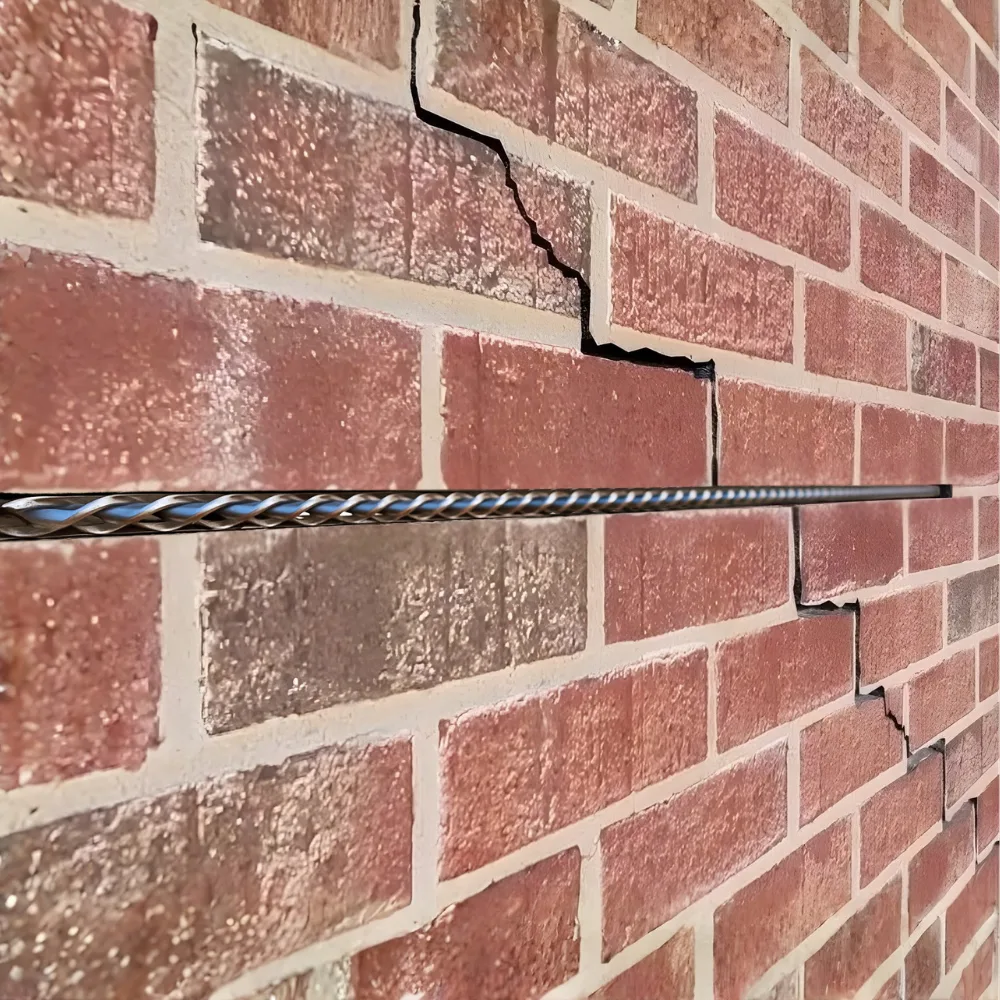
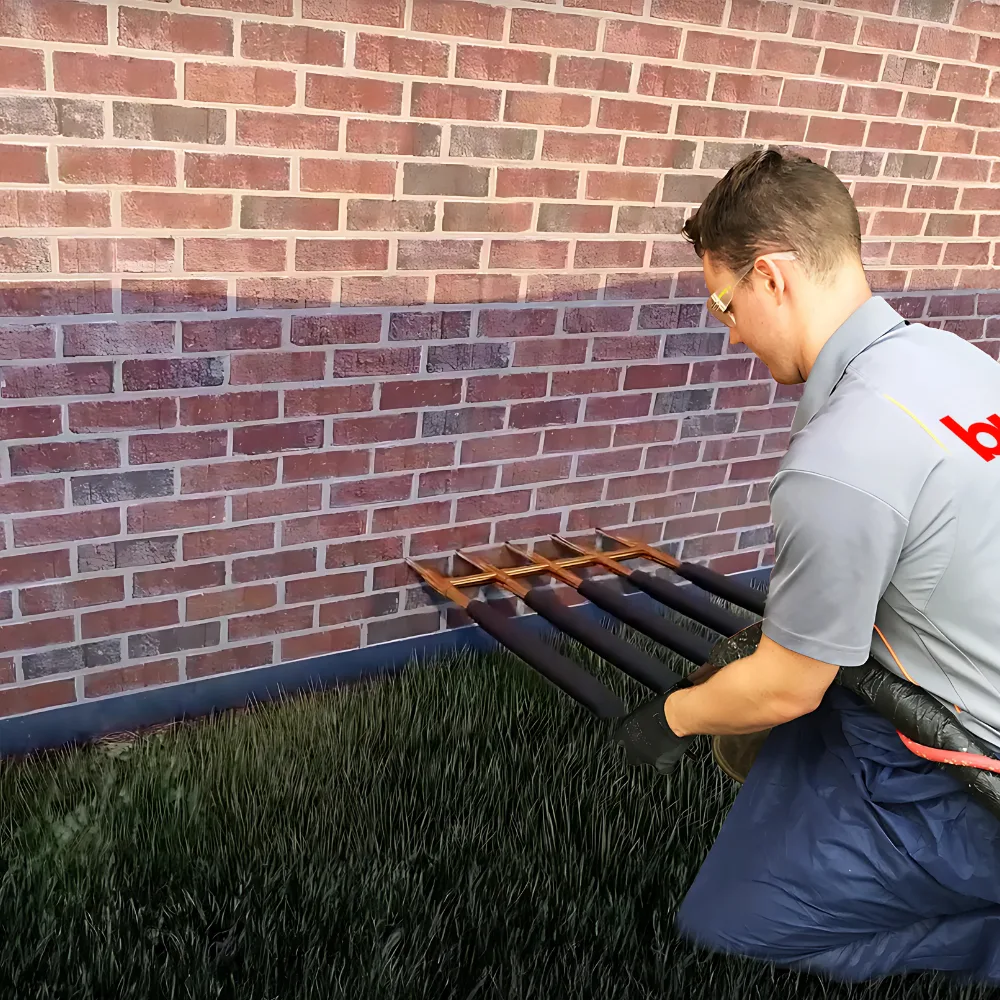
What you see — wall cracks above doorways, sloping floors, sticking windows, gaps at the skirting, doors that won’t latch — those are the symptoms. They show up after the structural movement has already happened. The repair starts under the house, not on the wall.