
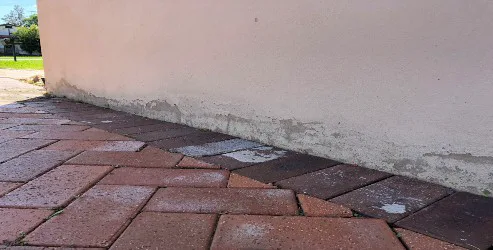
Help & Advice
Why Your Damp Proof Course Has Failed
Help & Advice
Why Your Damp Proof Course Has Failed
A damp proof course, also known as a damp proof membrane, is a form of moisture control for your home. Commonly made of bitumen, plastic, slate or tin, they stop moisture from travelling into porous masonry. They're usually installed beneath floor level under a suspended timber floor or right above your floor slab if you have a solid concrete floor. A good damp proof course should last between 10 and 20 years but sometimes they stop working.
If your walls are showing:
Mould growth
Yellow or brown tide-like stains
Blistering, peeling or powdery paint
Salt deposits
Peeling wallpaper
Decaying skirting boards
— there's a high likelihood your damp proof course has failed.
And if you feel sick when you're inside your home, that's a definite sign the interior is too damp because your course isn't working.
Read on to learn some of the most common causes of damp proof failure.
1: Deterioration
One of the most common reasons for deterioration of the membrane is age. Bitumen, plastic, slate or tin membranes don't last forever. As they're blocking moisture all of the time, they naturally get worn down over decades.The other thing that can accelerate the deterioration of a damp proof course is the presence of too much moisture in the ground. Soil can be oversaturated because of leaking underground pipes. Water may also be travelling towards your home because it's at the bottom of a hill.
2: Bridging
In a nutshell, bridging occurs when water gets above your damp proof course. This can be because the ground level outside your home's external walls are above where your damp proof course was installed. It can also be because cracked gutters are running rain water down your home's exterior walls off your roof. Bridging can also occur when heavy rain bounces off the ground and splashes up against the wall above the course. And if you have heavy climbing plants such as Ivy running up your external walls, they'll be carrying moisture as well, which can also cause bridging. Whenever water is getting above the damp proof course, external walls soak up moisture which eventually leads to failure of the course.
3: Rushed installation
When installing a new membrane, wet brick needs to dry off and contaminated plasters need to be completely replaced. Ample time needs to be allowed for walls to dry off before installation of a brand new course.A rushed installation means the liquids in your walls don't have time to evaporate. In turn, the salts inside your walls will still be there and attract even more moisture in the future. By rushing installation, you're rushing the failure of your damp proof course.
Has your damp proof course failed?
If you're seeing the tell-tale signs of rising damp, it's likely your damp proof course has failed. DampBlock™ AQ50 creates a permanent new DPC inside the wall — stopping moisture in its tracks even if it's bridging your old course. A free assessment measures the moisture levels and explains exactly what damp proofing can do.
Share this article
Related Articles
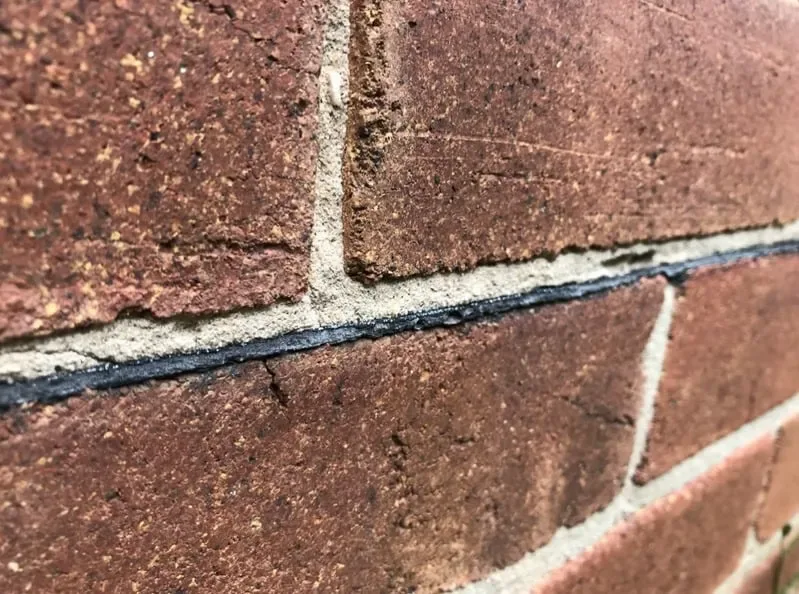
What Is a Damp Proof Course?
A damp proof course (DPC) is your home's first line of defense against rising damp, stopping moisture from creeping up through porous masonry walls. But when it fails, trouble starts—yellow stains, peeling paint, salt deposits, and rotting skirting boards are all warning signs.
Read More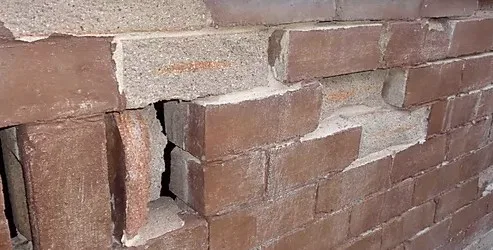
What Are the Effects of Rising Damp? What You Can Do to Fix It
Rising damp turns the dark, damp lower areas of your home into a hotbed for bacteria. Left untreated, the effects can be destructive to your home and health.
Read More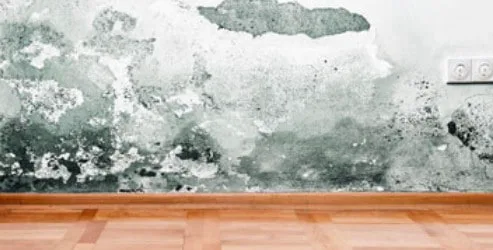
3 Ways to Stop Mould Growing in Your House
Excessive moisture that doesn’t dry up attracts bacteria and eventually forms mould. Here are a few simple, practical techniques to stop mould from growing in your home.
Read More
Need expert advice on your home?
Our team of engineers and technicians are ready to help.
Book a free structural assessment today.