
Help & Advice
Reactive Clay Soil and Your Home
Help & Advice
Reactive Clay Soil and Your Home
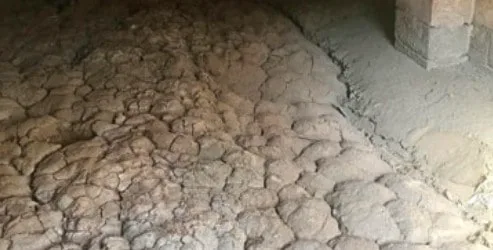
Reactive clay soil is a dense material that changes in volume when it absorbs and releases moisture. This absorption and release occurs as seasons change throughout the year. When it's warm and dry, reactive clay soil releases moisture and contracts. In cooler, wetter periods, reactive clay soil takes on moisture and expands.It's this contraction and expansion of the ground that leads to structural damage of your home. The damage begins in your home's foundations and eventually travels throughout the house.Concerned about the stability of your home's foundations? Read on to learn more about the damage reactive clay soil can do to your home.
Subsidence
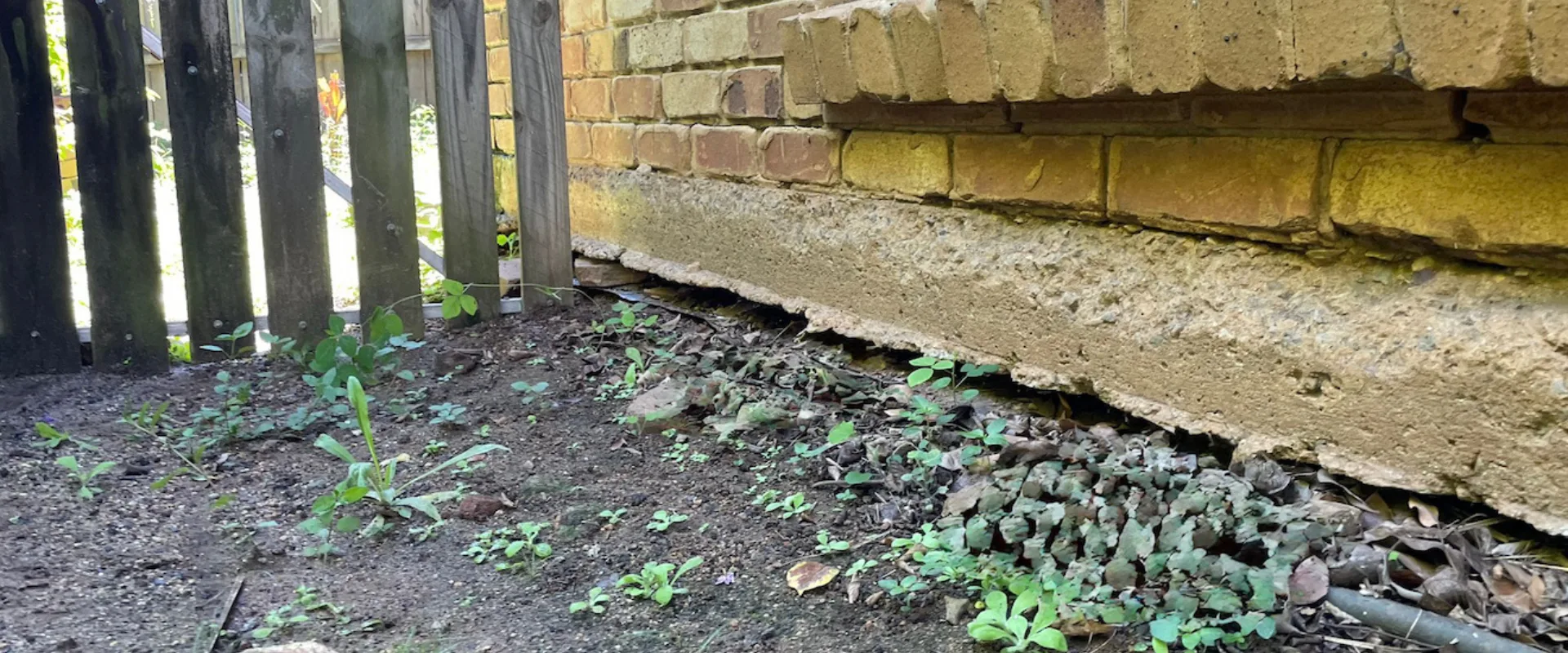
Subsidence is the sinking of your home due to a downward shifting of the ground. This sinking occurs when reactive clay contracts as a result of hot, dry weather. Heat will also leave any trees and vegetation around your home particularly thirsty, drawing more water out of the ground and causing further subsidence.If various areas underneath your home subside at different rates, an immense amount of pressure will be placed upon your home's foundations. Structural damage begins here and leads to…..
Wall Cracks
Wall cracks occur, especially when your house foundations are sitting on ground that is unstable, shifting and as a result, uneven. This unevenness is technically known as differential settlement. The physical stress from differential settlement damages your foundations and eventually manifests itself as cracks, in both your inner and outer walls.Wall cracks are a powerful indicator your home has been built on reactive clay. They're one of the primary knock-on results of subsidence caused by contracting clay soils.
Sinking concrete and moving house piers
Reactive clay soils can cause concrete slabs or floors to rise or sink throughout the year. If your floors happen to sink while it's hot and dry, it's likely your concrete is sitting on reactive clay soil. Cracking may occur due to differential settlement.If your home happens to be built upon house piers, they may move up and down. The piers may even move sideways depending on moisture levels and if the load of your home sits evenly upon the piers. If you're living in a home on piers, bouncy floorboards, a dip in your floors as you walk and movement of children's toys on the floor indicate you're on reactive clay.
Minimising the effects of reactive clay soil
Left untreated, reactive clay soil is a powerful destabilising force on residential structures. It can do immense damage to your home's foundations, its walls and even your roof.A sure-fire way of stabilising reactive clay soil and halting movement is our proprietary geopolymer resin, GeoPoly™. Once injected into the ground, it sets to compact aerated, damaged soil. It becomes rock solid.If you're concerned your home has been built on reactive clay soils and are interested in GeoPoly™ as a ground stabilising solution, we'd love to tell you more.Just give us a call on 1300 854 115 or book a FREE inspection today.
Share this article
Related Articles
Reactive Clay Soils: What They Are and How They Affect Your Home
Reactive clay soil is a significant concern for Australian homeowners, capable of causing major structural damage if present beneath home foundations. These soils change dramatically with weather conditions, expanding when wet and shrinking when dry.
Read More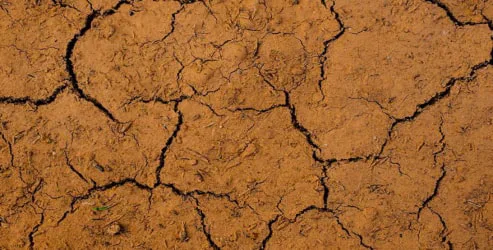
How Drought Places Pressure on Your Home’s Structure
Serious droughts have an impact on infrastructure, large and small buildings alike including your home. Especially if your home’s been built on reactive clay soil.
Read More
Need expert advice on your home?
Our team of engineers and technicians are ready to help.
Book a free structural assessment today.