
Help & Advice
The Effects of Rising Damp
Help & Advice
The Effects of Rising Damp
If you're not familiar with the term rising damp, the implication of the words could be a little confusing. It implies that moisture is actively moving upwards. In fact, rising damp is a term used to describe the process by which porous masonry, like brick, is being absorbed from the ground, upwards, into your walls. The ‘damp’ itself is not rising so much as it is being sucked upwards.
Most bricks are air-fired and as a result are quite aerated and full of capillaries. Even though modern bricks are dense, they still have a lot of capillaries in them. This effectively turns them into sponges that draw the moisture out of the ground on which they sit. Left untreated, the effects of rising damp can be destructive to your home and to the health of the people that inhabit it.
The destructive effects of rising damp
The effects of rising damp will hurt your home in two major ways:
Health
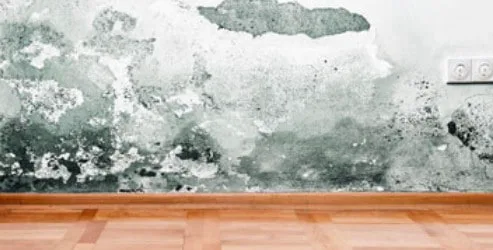
Firstly, it will harm the inhabitants of your home. As capillaries in the porous masonry suck the moisture out of the ground, the brick becomes heavily loaded with liquid. This turns the dark, damp lower areas of your home into a hotbed for bacteria. Mould and thousands of other micro-organisms flourish in environments such as these. They cause allergies, asthma and irritation of the throat, eyes and skin.
Structure and Stability
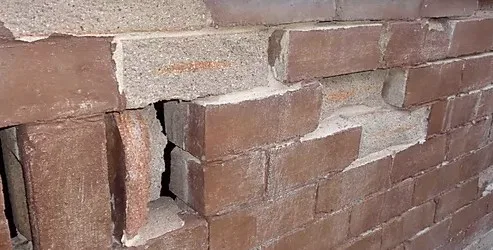
Secondly, rising damp will literally destroy the brick work. As the capillaries suck moisture out of the ground they suck up natural salt minerals and trap them inside the brick too. Over a cyclic period of time through varying weather conditions, the salt works its way out of the brick causing it to disintegrate into dust from the inside. The salt also eats away at the mortar joins between bricks turning the foundations of your home into a crumbling mess.
Preventative measures to stop the effects of rising damp
During the initial construction phase of a home, it’s of tantamount importance that builders install a damp proofing membrane under the concrete slabs of the structure. This is the most powerful way of stopping the effects of rising damp. By not installing or installing the membrane incorrectly you’re inviting damp into the walls of your home. However, no membrane lasts forever. Naturally, over decades and decades the membrane may corrode from wear and tear, whether it’s made from bitumen, plastic or slate. In the case that your home’s damp proofing membrane has worn away, silicon-based injection chemicals are the next best solution.
DampBlock™
DampBlock™ AQ50 is Buildfix's solution for protecting homes against the negative effects of rising damp. The resin is injected at high pressure into holes drilled into each brick of your walls. This solidifies the crumbling bricks by filling in the capillaries and stopping them from sucking water out of the ground. Damp proofing with DampBlock™ creates a permanent new DPC inside the wall — done in a single day.
Need to fight off the negative effects of rising damp?
Left untreated, the effects of rising damp can have an intense effect on your health and do serious damage to your home. If you’re currently struggling with a smelly, mouldy basement and the walls appear to be crumbling, we’d love to help you out.
Give us a call on 1300 854 115 or book a FREE inspection today.
Share this article
Related Articles
3 Ways to Stop Mould Growing in Your House
Excessive moisture that doesn’t dry up attracts bacteria and eventually forms mould. Here are a few simple, practical techniques to stop mould from growing in your home.
Read More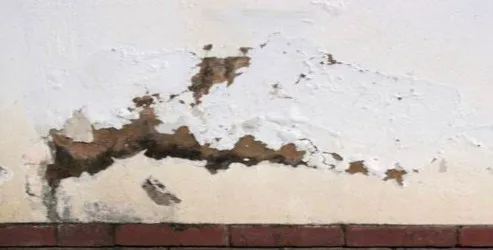
Damp Smells: How to Get Rid of Them From Your Home
A strong damp smell is an indicator there’s too much moisture in your home. Here are some of our top tips to rid your home of that damp smell.
Read More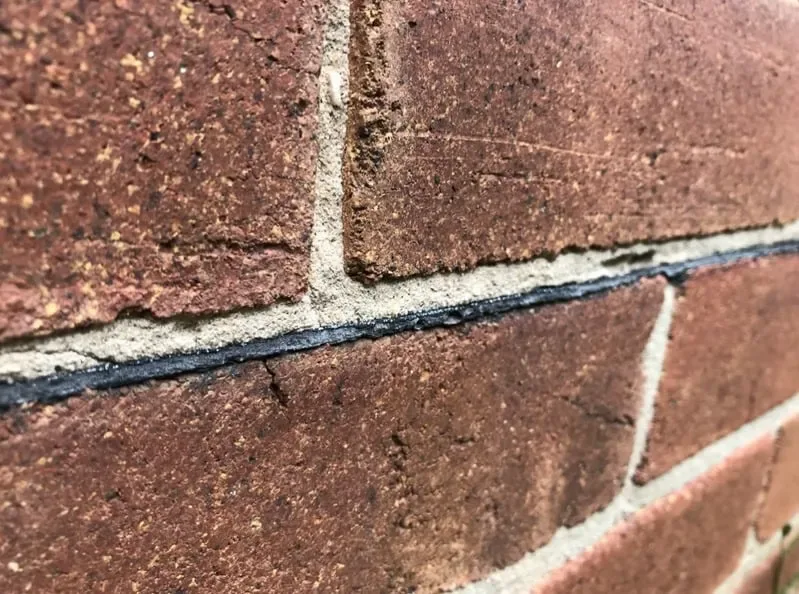
What Is a Damp Proof Course?
A damp proof course (DPC) is your home's first line of defense against rising damp, stopping moisture from creeping up through porous masonry walls. But when it fails, trouble starts—yellow stains, peeling paint, salt deposits, and rotting skirting boards are all warning signs.
Read More
Need expert advice on your home?
Our team of engineers and technicians are ready to help.
Book a free structural assessment today.