
Help & Advice
Top Causes of Subsidence
Help & Advice
Top Causes of Subsidence
Subsidence: what are its top causes to look out for?
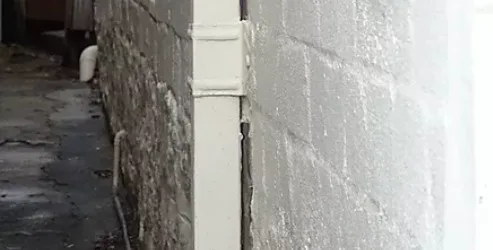
You don't need to be a geological expert or structural engineer to understand what subsidence is. Defined simply, subsidence is a downward shifting of the ground that can impact buildings in terrible ways. If an engineer were to tell you that your home was suffering from subsidence, that engineer would mean that your home was sinking. Walls that bend, lean, bow or are cracked are an indicator of a subsiding structure. If you're concerned about your home subsiding, here are our top 5 causes to watch out for.
Reactive clay
Reactive clay is an extremely dense soil that expands or contracts as the seasons change throughout the year. In cooler, wetter months, reactive clay absorbs moisture and expands. In warmer months, contracts as it dries up. Movement comes naturally with weather changes but reactive clay becomes a problem when new elements are introduced to the environment. The addition of plants and trees, a brand new drainage system or the alteration of a pre-existing drainage system can draw more water than usual out of the reactive clay. As water is drawn out of the clay by these changes, dramatic subsidence can occur and in turn ruin the foundational structures of your building.
Water erosion
Water erosion is an extremely common cause of subsidence. The erosion of foundational soil occurs when a consistent flow of water pools into the soil. This causes the soil to aerate and weaken. Water will often find it's way into and underneath the footing of a building from burst surge pipes, stormwater drains or mains inlet pipes that are cracked and leaking. As the soil absorbs more and more water, it begins to subside causing structural challenges in your building.
Tree roots & vegetation
Tree roots and vegetation can cause subsidence simply by drawing water out of soil. If a particularly thirsty new tree or large plant has been placed near your home, it will undermine the balance of the soil your home sits on as it sucks the water out of the ground. As the plants draw water out of the soil, it becomes aerated and unstable, causing your building to subside. Sickly vegetation is also something to be particularly careful of as they have a lot of roots, take up a lot of room underground and cause soil to aerate and in turn, subside.
Vibrations
Constant vibrations in the ground can shake soil to the point where it becomes aerated and unstable. Activity from nearby construction sites, main roads where heavy trucks and cars constantly pass or airports where planes weighing thousands of tonnes take off and land can cause subsidence. If your home is near a train line, the vibrations caused by heavy train carriages constantly running by at high speed may also cause subsidence.
Poor workmanship
Human error or negligence resulting in poor workmanship is a major cause of subsidence. If builders and contractors are in a hurry to complete a job they'll cut corners where they can. Many don't bother pouring trenches and compacting the ground properly to create a stable footing. Without compacting properly, you have weak, aerated or voided soil which can subside easily further down the track. Many also neglect to install quality drainage. This results in water leaks that soak into the soil, causing erosion and eventually subsidence. If your home is already showing signs, underpinning stabilises the ground and lifts the foundation back towards level.
Are you struggling with subsidence?
If you're struggling with any of the challenges we've mentioned in this post, we'd love to help you out. Give Buildfix a call on 1300 854 115 or book a FREE inspection today.
If you're concerned about your house sinking, find out how you can prevent your house from sinking here.
Share this article
Related Articles
Understanding Foundation Settlement: Causes, Solutions, and Prevention
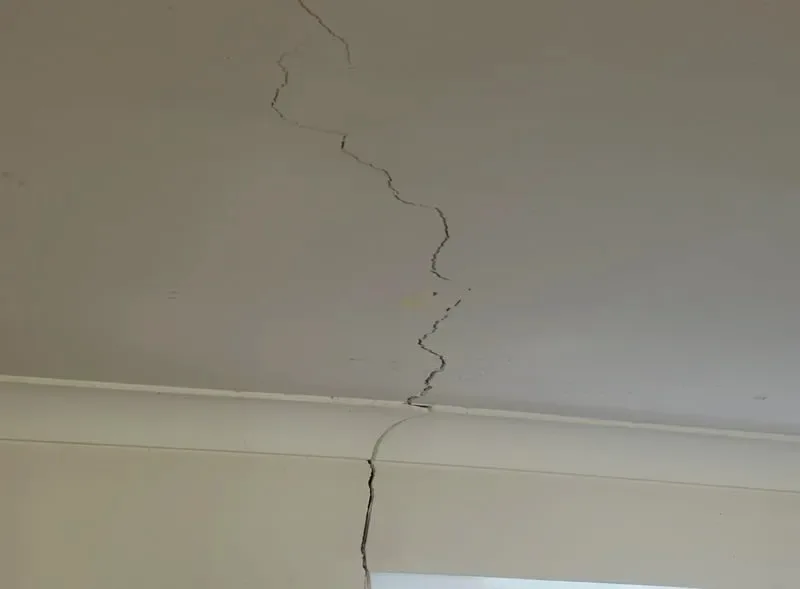
Every home experiences settlement to some extent. But differential movement occurs when sections of a structure settle unevenly.
Read More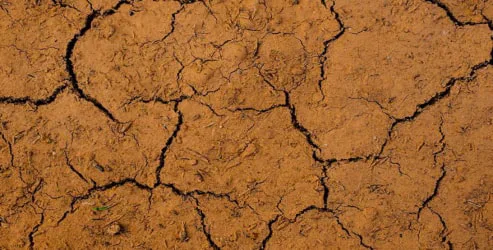
How Drought Places Pressure on Your Home’s Structure
Serious droughts have an impact on infrastructure, large and small buildings alike including your home. Especially if your home’s been built on reactive clay soil.
Read More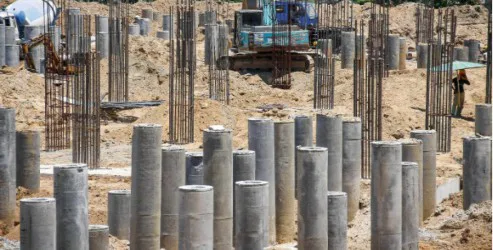
5 Types of Footing That Make Your Home Susceptible to Sinking
The nature of the environment and foundation upon which your home’s footing sits is a major factor. Here are the 5 main types of footing susceptible to sinking in Australia.
Read More
Need expert advice on your home?
Our team of engineers and technicians are ready to help.
Book a free structural assessment today.