
Help & Advice
Cosmetic vs Structural Cracks
Help & Advice
Cosmetic vs Structural Cracks
Wall cracks are common in Australian homes, but not all mean something's wrong. Some are harmless signs of natural settling or aging materials. Others? They could signal that your home is shifting or sinking.
So how do you know the difference?
After assessing over 50,000 homes, we've identified the clearest signs that separate cosmetic cracks from structural ones.
Is Your Wall Crack Just Ugly, or Is It More Serious?
We've rounded up the surest signs that tell you if your wall cracks means trouble. Here's what to look for:
1. Width Matters: Measure the Crack
Hairline cracks (under 1mm) are often cosmetic. These can be caused by plaster shrinkage or paint drying.
Cracks wider than 3mm may indicate movement in the walls or foundation.
Over 5mm? That's a huge red flag. Get it checked immediately.
Pro Tip: Use a 5c coin or place two credit cards together. If the crack is about the width of the coin's edge or the two cards, or it has appeared suddenly without explanation, it's time for a professional assessment.
2. Types of Cracks: Direction and Shape
Vertical cracks in plaster or corners may be due to natural movement and are often minor.
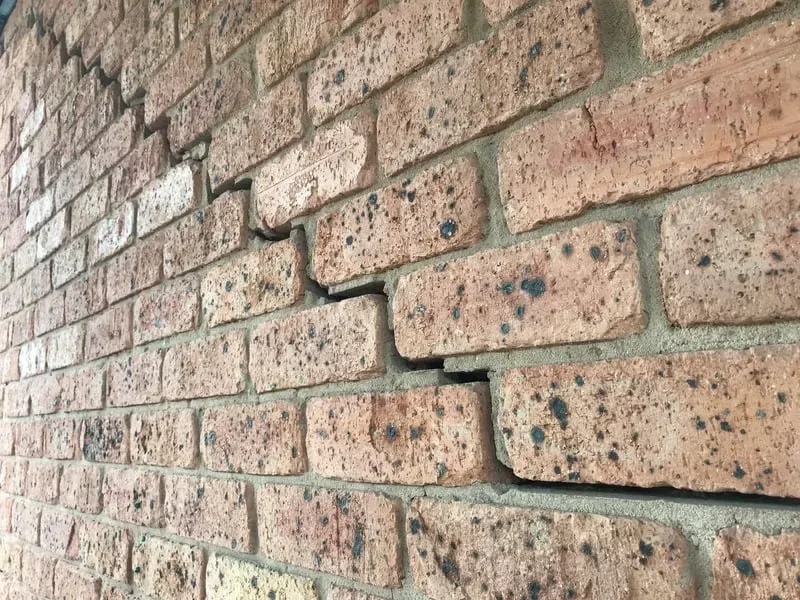
Stepped cracks in brickwork (following mortar joints) or diagonal cracks above doors and windows often point to foundation issues.
Horizontal cracks are usually more serious and can signal structural stress or wall rotation.
3. Location, Location, Location
Internal surface cracks (such as hairline cracks in paint or plaster) are more likely to be cosmetic.
Cracks in concrete, external brickwork, slab edges, or near foundation walls are far more likely to be structural.
Cracks near doors and windows are key indicators of wall movement or footing displacement.
4. Has the Crack Reappeared After Repair?
If you've patched a crack and it's come back–especially if it's wider than before–it's likely that the underlying issue was never fixed.
What this means: Cosmetic fixes don't work when the structure is still moving. You may be dealing with subsidence.
5. Other Symptoms of Damage to Watch For
A crack might be the start of something bigger. Look out for:
Doors or windows sticking or becoming misaligned.
Bouncy or sloping floors.
Gaps between walls and ceilings/skirting boards.
Drainage issues or cracks appearing alongside plumbing.
What Should You Do If You're Unsure?
Cracks can be confusing. Don't stress trying to diagnose it yourself.
Buildfix offers free structural assessments to give you clarity fast. If the crack is structural, wall crack repair with HelicalBar™ reinforces the wall at depth — done in 1–2 days.
With registered structural engineers and over a decade of experience, we'll help you determine whether your home is simply ageing–or if there's something more serious going on beneath the surface.
Share this article
Related Articles
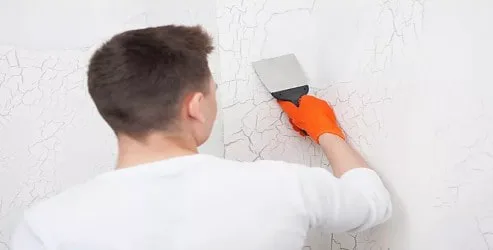
Wall Repair: A Step by Step Guide to Fixing Cracks and Dents
Cracks and dents can appear in your walls as weather conditions change throughout the year. They form when the temperature goes up and down too quickly.
Read More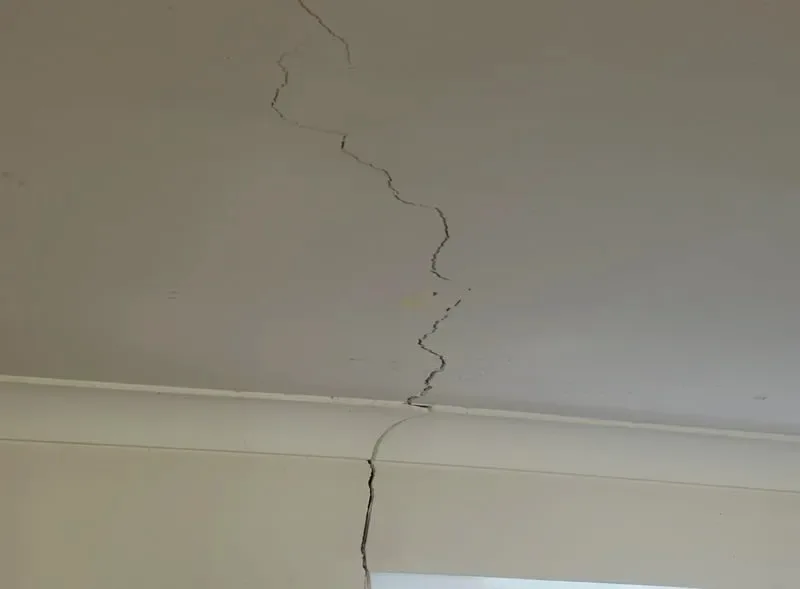
Understanding Foundation Settlement: Causes, Solutions, and Prevention
Every home experiences settlement to some extent. But differential movement occurs when sections of a structure settle unevenly.
Read More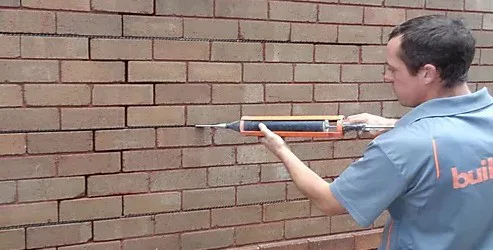
Brick Repair: How to Repoint Your Brick Wall
When the mortar joints between the bricks in your home begin aging, they crumble and crack. Repointing is something you can do yourself. Here’s our step-by-step guide.
Read More
Need expert advice on your home?
Our team of engineers and technicians are ready to help.
Book a free structural assessment today.