
Help & Advice
Self-Levelling Compound Explained
Help & Advice
Self-Levelling Compound Explained
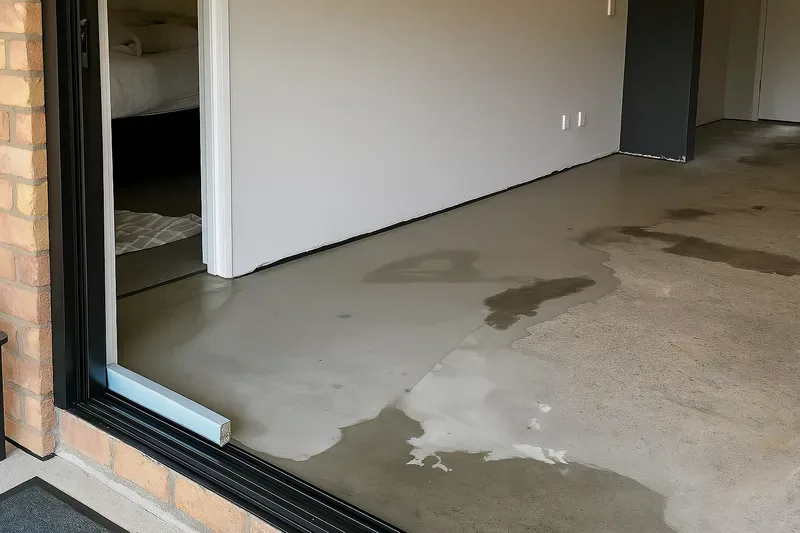
If you're planning a renovation, self-levelling compound might seem like the perfect fix for uneven floors. After all, it's widely recommended by builders and tilers for its quick application and smooth finish. But is it really the right solution for your home?
Before you go ahead with your renovation plans, it's essential to ask yourself a key question: what's causing the uneven floor in the first place? If sinking floor piers are the cause, self-levelling compound won't fix it. Failing to address the underlying cause could turn your renovation into a costly mistake down the line.
Below, we explore what self-levelling compound is used for, its limitations, and why you might want to consider resin injection as a longer-lasting alternative.
What Is Self-Levelling Compound?
Self-levelling compound (also known as self-levelling cement) is a cement-based material designed to create a smooth, even surface over concrete or timber floors. It's often used to prepare floors for new tiles, vinyl, or laminate flooring.
When Is Self-Levelling Compound Used?
Renovations: To create a flat surface before laying new flooring.
Minor Repairs: To fill small dips or low areas in floors.
Quick Fixes: When a fast, affordable solution is needed for levelling.
The application process is relatively simple: the compound is mixed and poured onto the floor, spreading out evenly to fill minor imperfections. Because it cures quickly, it's a convenient choice for time-sensitive projects.
The Problem with Self-Levelling Compound
While self-levelling compound seems like a simple fix, it's important to understand its limitations. Homeowners are often told it's the best way to level a floor, but this advice rarely considers what's happening beneath the surface.
What Self-Levelling Compound Won't Fix:
Structural Issues: If your uneven floor is caused by subsidence, soil instability, or foundation movement, self-levelling compound only masks the problem for the short term.
Ongoing Movement: Floors with underlying instability will continue to shift, moving and cracking the new surface over time.
Deep Slopes or Severe Unevenness: Self-levelling compound is best for superficial dips and is ineffective for correcting large-scale sloping.
The Cost of Getting It Wrong
Imagine investing in a full renovation—new flooring, fresh paint, new kitchen—only to discover cracks reappearing months later because the floor was never properly stabilised. Soon you'll be resetting your brand new bench-tops and ripping up your freshly tiled floor just to get at the root cause. The repair costs for redoing your renovation like this can far exceed the cost of addressing the problem at its source before you start.
Why Resin Injection Is a Better Solution
Unlike self-levelling compound, resin injection doesn't just cover up the symptoms—it tackles the root cause of uneven floors. At Buildfix, we specialise in this innovative method, which uses expanding geopolymer resin to stabilise and re-level your floors permanently.
How Resin Injection Works:
Assessment: Our experts identify the cause of your floor's unevenness.
Injection: Small holes are drilled, and expanding resin is injected beneath the floor.
Stabilisation: The resin fills voids, strengthens the soil, and lifts the floor back to level.
Benefits of Choosing Resin Injection
Permanent Solution: Resin injection addresses subsidence, soil instability, and other root causes, ensuring your floors stay level permanently.
Non-Invasive: Unlike traditional methods that require ripping up floors, resin injection is quick and causes minimal disruption and damage to your home.
Cost-Effective: By fixing the underlying issue, you avoid the expense of repeated repairs or re-renovating your home.
Should You Still Use Self-Levelling Compound?
There are situations where a self-levelling compound may still be appropriate:
If your floor is only slightly uneven and shows no signs of deeper issues like subsidence or movement.
If you need a quick, temporary fix before addressing the root cause.
However, if you've noticed cracks in your walls, doors that don't close properly, or significant slopes in your floors, it's time to think deeper than a surface fix. In these cases, resin injection is the smarter, longer-lasting choice.
Don't Renovate Without Knowing the Full Picture
Before you invest in a renovation, take the time to understand what's causing your uneven floors. Self-levelling compound is a quick fix, but it could leave you facing even bigger problems down the road.
At Buildfix, we offer comprehensive assessments to determine the best solution for your home. Our resin injection technology ensures your floors are not only levelled, but also stabilised for years to come.
Fix Your Floors the Right Way with Buildfix
If you're planning a renovation and want to ensure your floors are truly levelled and stabilised, we're here to help. Contact Buildfix today for a professional assessment and discover how resin injection can save you time, money, and future headaches.
Share this article
Related Articles
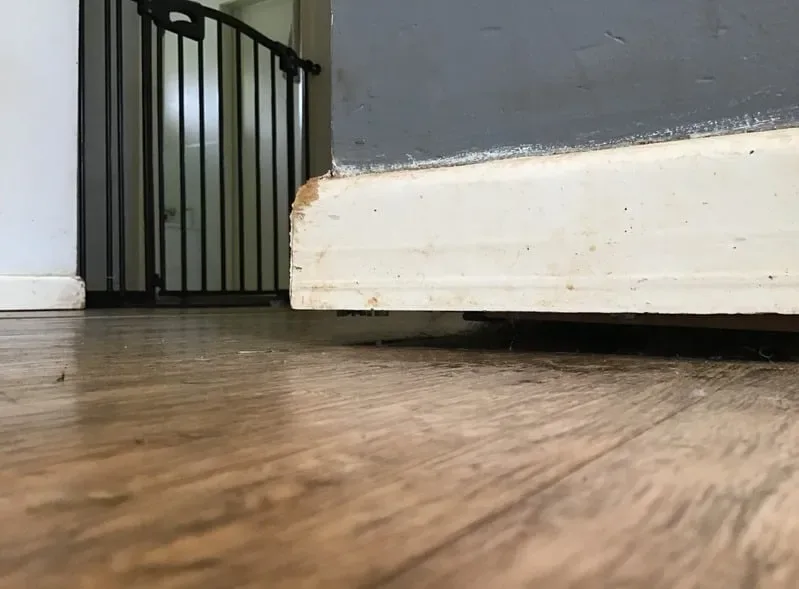
Your Guide to Levelling a Sloping Floor with Confidence
A sloping floor is easy to dismiss—until it gets worse. What starts as a slight tilt can turn into misaligned walls, sticking doors, or even structural instability.
Read More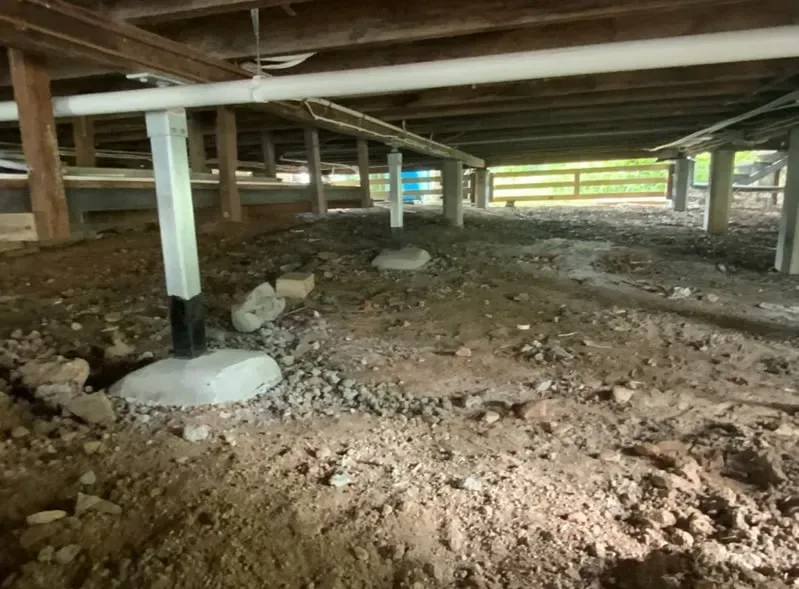
Understanding Restumping: Essential Insights & Modern Alternatives
Traditional restumping is an invasive process to replace deteriorated sinking stumps in older homes. It can restore stability, but comes with significant disruption and cost.
Read More
Need expert advice on your home?
Our team of engineers and technicians are ready to help.
Book a free structural assessment today.