
Help & Advice
Reactive Clay Soils Explained
Help & Advice
Reactive Clay Soils Explained
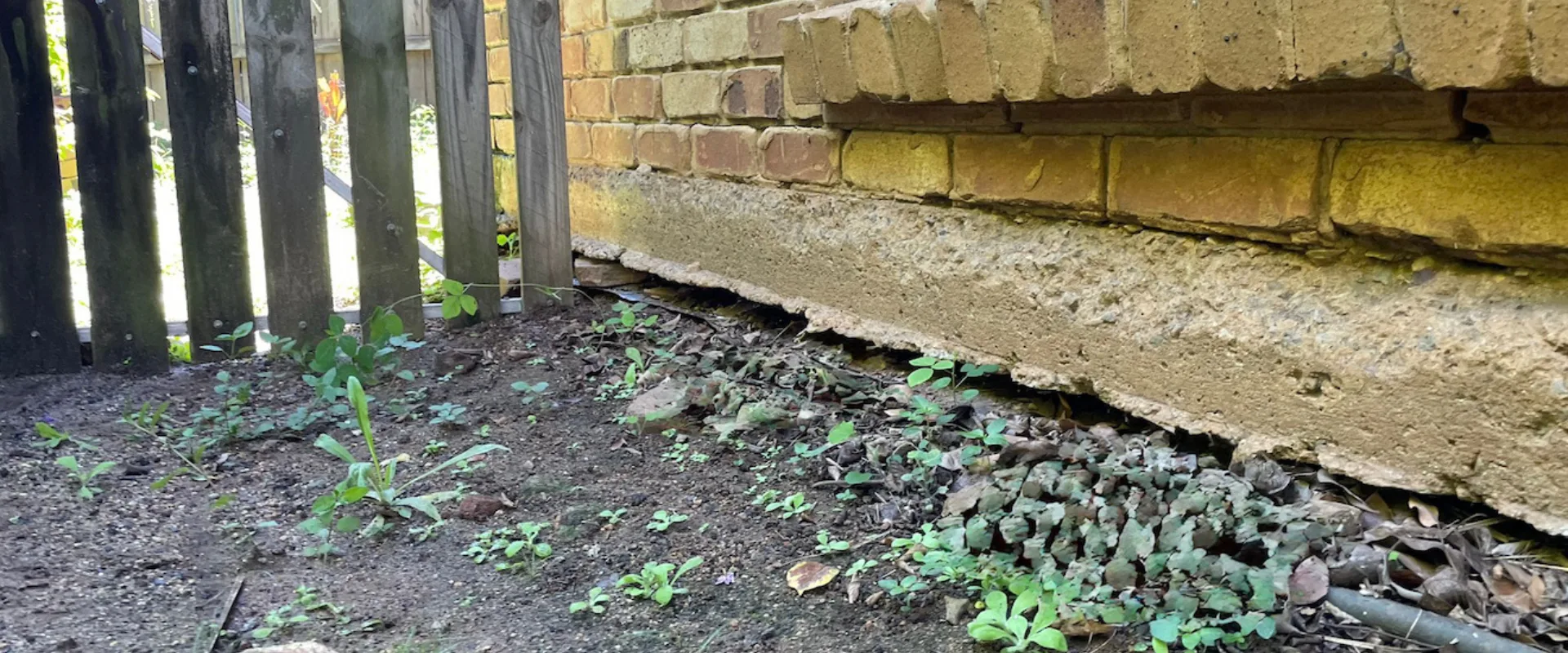
Reactive clay soil is a significant concern for Australian homeowners, capable of causing major structural damage if present beneath home foundations. These soils change dramatically with weather conditions, expanding when wet and shrinking when dry. This reactivity to moisture results in major movement under your home, leading to wall cracks, uneven floors, and even house subsidence.
Understanding how reactive clay soils work and their potential impact on your home is crucial for preventing and addressing foundation problems. Preventative moisture management, such as proper drainage and irrigation systems, will help control damage. But for homes already damaged by reactive soil movement, Buildfix's GeoPoly™ GER60 resin injection offers a fast, non-invasive solution to stabilise the soil and protect your foundation for the long term.
Read on to learn more about reactive clay soils, prevention, and what Buildfix can do for homes experiencing foundation issues.
What Are Reactive Clay Soils?
As required by Australian building standards, all soil foundations undergo soil classification. This categorises soil types by composition and reactivity. For a soil to be classed as reactive clay soil, it must have both high clay content and also change volume when exposed to wet and dry conditions. The movement caused by this change in volume is known as soil reactivity and can cause instability for structures built on these soils.
Of course, not all reactive clay soils are the same. There are different classifications for soil reactivity, measuring the levels of potential movement caused by changes in moisture. For clay soils, these classifications range from Slightly Reactive (Class S) to Extremely Reactive (Class E). The specifics of these classifications are laid out in Australian building standards (AS 2870), with each classification of clay soil reactivity requiring a specialised approach to building home foundations.
Why Are They a Problem?
The movement caused by reactive clay soils can put significant pressure on footings and house piers. This leads to:
Uneven or sinking floors
Cracks in walls, ceilings, or brickwork
Misaligned doors and windows
Increased risk of subsidence
Reactive soils are particularly problematic during heavy drought or rainfall. The more extreme the change in moisture content, the more dramatically reactive soils will shift. This makes soil reactivity a big issue in Australia, as our extended wet and dry periods only make conditions for soil movement worse.
How Reactive Clay Soils Impact Your Home's Foundation & Footings
In modern construction, site classification and inspections of a home's soil foundations are expected. But for older homes, particularly those built around smaller Australian suburbs, you'd be hard-pressed to see any record of a compliant soil test.
This means that, often, the wrong types of residential slabs have been chosen for the conditions. The wrong slab will be unable to absorb the impact of the continuous swelling and shrinking of reactive clay soil, severely compromising your home's structural stability over time. Key effects include:
Foundation Heave: When reactive soils expand, they can lift sections of your foundation unevenly, causing cracks to appear in areas of structural strain.
Soil Shrinkage: During dry periods, reactive soils shrink, leaving voids beneath the foundation. This can lead to subsidence, uneven settling, or structural damage.
Increased Water Sensitivity: Highly reactive soils offer poor drainage. Without a robust drainage system installed in your home, soil reactivity issues will be exacerbated by pooling ground water, increasing soil movement.
Managing Building Damage of Reactive Clay Soils
Finding out your home is built on reactive clay soil can be a big blow. However, there are effective strategies to mitigate the impact of soil movement to protect your home's foundation.
Improve House Drainage
Proper drainage is essential to control moisture levels in reactive soils. This includes:
Installing gutters and downpipes to direct rainwater away from house foundations.
Ensuring your property is graded to prevent water from pooling.
Adding landscaping features like retaining walls to manage the flow of excess water.
Keep Soil Moisture Consistent
Consistency is key to limiting movement in reactive soils. Moisture balancing techniques include:
Installing irrigation systems to prevent soil from drying out.
Planting vegetation that absorbs water evenly. Many Australian natives are perfect for this, surviving in dry clay soil conditions, but taking up excess water when it's available (just be sure to avoid placing plants with aggressive roots near foundations).
Adding a healthy topsoil of mulch and compost. Regular gardening can work organic compounds into the soil, helping to break up clay particles closer to the surface.
Foundation Repairs and Stabilisation
If your home has already been affected by reactive soils, repairs may be necessary. Modern solutions like GeoPoly™ Resin Injection provide non-invasive stabilisation methods that address the root causes of foundation movement.
Why GeoPoly™ Technology Is Ideal for Reactive Clay Soils
At Buildfix, we specialise in GeoPoly™ Resin Injection, a revolutionary approach to foundation repair that is highly effective for managing reactive clay soils.
Benefits of GeoPoly™ Technology:
Targeted Stabilisation: GeoPoly™ penetrates deep into reactive soils, greatly reducing movement by filling voids.
Minimal Disruption: Unlike traditional underpinning, GeoPoly™ requires only small injection points, preserving your home's structure and landscaping.
Long-Term Solution: By minimising the soil's shrink-swell capacity, GeoPoly™ provides a durable fix for foundation problems caused by reactive clay soils.
Choosing the Right Solution for Reactive Soils
Dealing with reactive soils requires a tailored approach that balances prevention with repair. Whether you're trying to manage moisture levels or stabilise an existing foundation, it's essential to act quickly to minimise damage.
If your home is showing signs of foundation movement—such as cracks, uneven floors, or misaligned doors—contact Buildfix for a comprehensive assessment. Our team of experts is committed to providing innovative, cost-effective solutions to protect your home from the challenges of reactive clay soils.
Share this article
Related Articles
What Is Reactive Clay Soil? What Damage Will It Do to My Home?
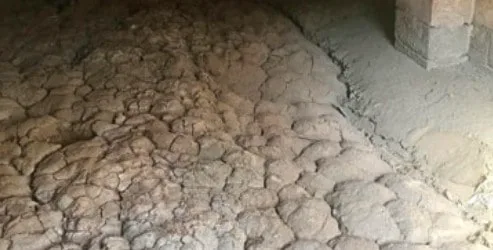
Reactive clay soil is a dense material that changes in volume when it absorbs and releases moisture. This absorption and release occurs as seasons change throughout the year.
Read More
How Drought Places Pressure on Your Home’s Structure
Serious droughts have an impact on infrastructure, large and small buildings alike including your home. Especially if your home’s been built on reactive clay soil.
Read More
Need expert advice on your home?
Our team of engineers and technicians are ready to help.
Book a free structural assessment today.