
Help & Advice
How to Stop Rising Damp in Your Home
Help & Advice
How to Stop Rising Damp in Your Home
If a wall has rising damp, paint won't fix it. Ventilation won't fix it. A dehumidifier won't fix it. None of those touch the cause. They treat the air in the room while the wall keeps drawing moisture up from the ground.
Here's what rising damp actually is, the fixes that waste money, and the one fix that genuinely stops it.
What Rising Damp Actually Is
Bricks and mortar are porous. They contain millions of tiny channels — capillaries — that act like a sponge. When the base of a wall sits in damp ground without a working barrier, those capillaries draw moisture upward by capillary action. The water rises through the wall until gravity and evaporation balance it out, usually 600–1500mm above ground level.
Every home built since around the 1920s has a damp proof course (DPC) — a horizontal barrier built into the wall just above ground level, designed to block this exact process. It might be bitumen-impregnated felt, slate, or a plastic membrane. The job of the DPC is to interrupt the capillaries so moisture can't rise through them.
Older homes either never had a DPC, or have one that's worn out. Bitumen DPCs harden and crack. Slate cracks. Old chemical DPCs lose their hydrophobic properties over decades. The wall reverts to behaving the way it would without one — and rising damp is the result.
That distinction matters because every other "fix" treats the symptom of the moisture, not the source.
The Fixes That Waste Money
Replastering. The damp wall is replastered, painted, and looks fine for six months. Then the salt and moisture push back through the new plaster. The replaster fails the same way the old plaster did. Money down the drain.
Repointing. The mortar joints get tuckpointed. The work is good. But if salt and moisture are still moving up through the bricks, the new mortar gets eaten the same way the old mortar did. The bricklayer didn't do anything wrong — the cause was never touched.
Paint sealers. Damp-blocking paints trap the moisture inside the wall instead of letting it dry out. The wall behind the paint stays wet. The salt accumulates faster. The bricks crumble from inside while the outside looks dry. It's the worst common fix.
Dehumidifiers and vents. They dry the air in the room. They don't dry the wall. The wall is being fed moisture from below — pulling humidity out of the air on the inside won't stop water rising from the foundation.
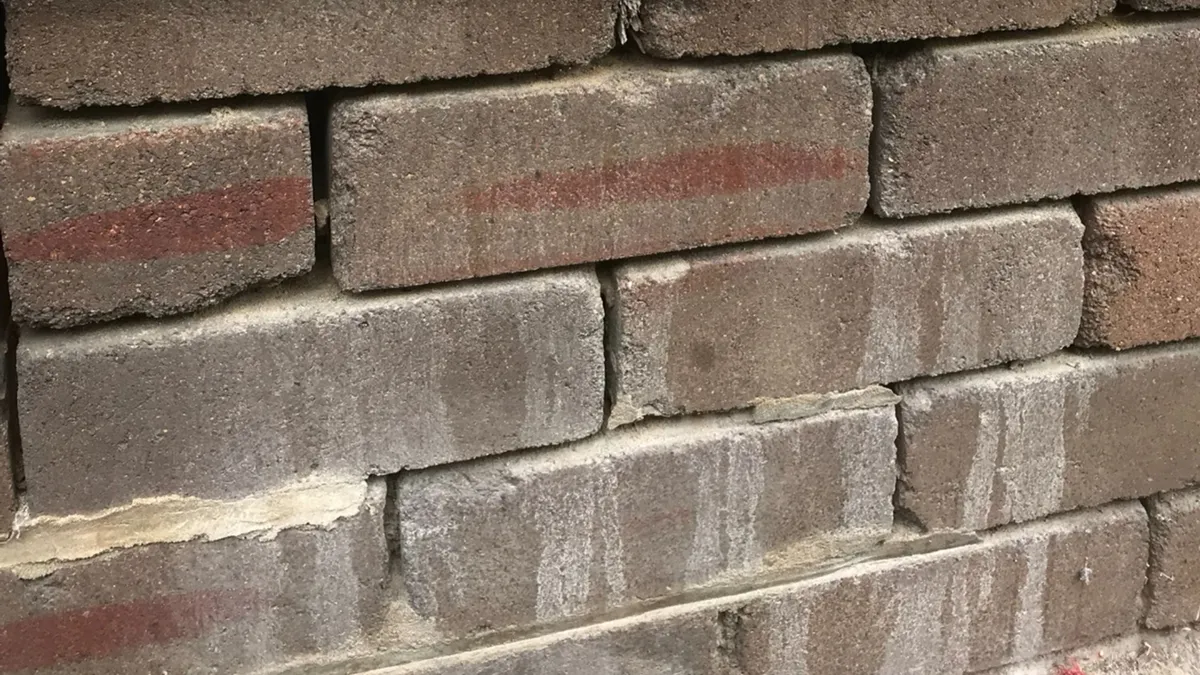
Ignoring it. The biggest villain on this list. Rising damp is the only structural issue that does its real damage hidden inside the wall. Salt from the ground is carried up through the bricks by moisture. As the moisture dries, the salt crystallises inside the masonry — expanding, cracking, and turning solid bricks and mortar to dust. It happens right where the wall meets the foundation, where the structural strength is needed most. Homeowners often don't see how bad it is until a brick crumbles in their hand.
The Fix That Actually Works
To stop rising damp, the wall needs a new DPC. Not over the old one. Inside the wall.
Modern damp-proofing creates a new horizontal barrier inside the existing brickwork by injecting a moisture-blocking resin into a row of small holes drilled along the base of the wall. The resin spreads through the brick and into the mortar joints, hardening into a continuous barrier across the full thickness of the wall. The capillaries are sealed at that line. Moisture can no longer rise past it.
On a Buildfix job that's DampBlock™ AQ50 damp proofing — an aqueous resin engineered specifically to penetrate damp masonry and form a permanent DPC. The new DPC doesn't break down. It doesn't get eaten by salt. It's the only fix that addresses the source instead of the symptom.
What You'll Notice After the Treatment
Once the DPC is in, the wall is no longer being fed water from below. The bricks and mortar start drying out naturally over the following weeks and months. The damp tide line stops moving. The musty smell that came from the constant wet behind the skirting begins to fade. Salt efflorescence on the brick face stops returning.
Replastering, repainting, and any internal finishing then has a dry wall to bond to. The plaster lasts because the wall behind it is dry.
Every Buildfix damp proofing job is backed by a 20-year product and workmanship warranty. The DPC is permanent. If rising damp returns, so do we.
When to Get the Wall Tested
If you can see a tide line on a wall, smell damp at the base of a room, see salt powder on the brick face, or feel paint flaking off a low wall — that's the assessment to book. A structural engineer brings a moisture meter, takes readings inside and outside the wall, and maps where the damp is and how far it's risen. The whole visit takes 30–60 minutes. It's free, and you'll know exactly what's happening inside the wall.
For nearly 15 years Buildfix has fixed rising damp on more than 15,000 homes and structures — heritage terraces in Sydney, post-war brick in Melbourne, Queenslanders without a DPC, and homes everywhere in between.
Call 1300 854 115 or book a free on-site assessment.
Share this article
Related Articles
Why Your Damp Proof Course Has Failed
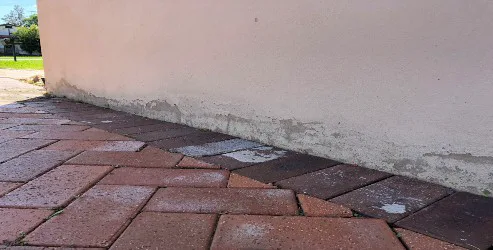
A damp proof course, also known as a damp proof membrane, is a form of moisture control for your home. Commonly made of bitumen, plastic, slate or tin, they stop moisture from travelling into porous masonry.
Read More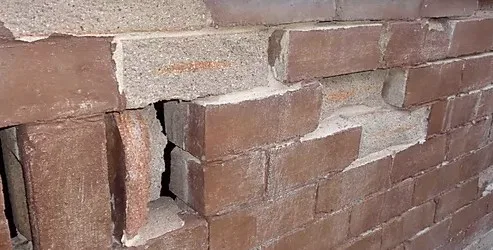
What Are the Effects of Rising Damp? What You Can Do to Fix It
Rising damp turns the dark, damp lower areas of your home into a hotbed for bacteria. Left untreated, the effects can be destructive to your home and health.
Read More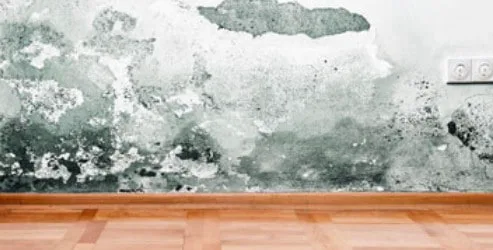
3 Ways to Stop Mould Growing in Your House
Excessive moisture that doesn’t dry up attracts bacteria and eventually forms mould. Here are a few simple, practical techniques to stop mould from growing in your home.
Read More
Need expert advice on your home?
Our team of engineers and technicians are ready to help.
Book a free structural assessment today.