
Help & Advice
Understanding Foundation Settlement
Help & Advice
Understanding Foundation Settlement
Every home experiences settlement to some extent. But differential movement occurs when sections of a structure settle unevenly — what's known as subsidence.
As structures rest on soil or sand foundations, the ground will naturally compress under their weight. In modern construction, engineers anticipate this, incorporating articulation joints and pile footings to manage expected movement. However, not all settlement is equal, and many older homes were built before modern building codes or today's understanding of settlement issues.
What is the Effect of Differential Movement?
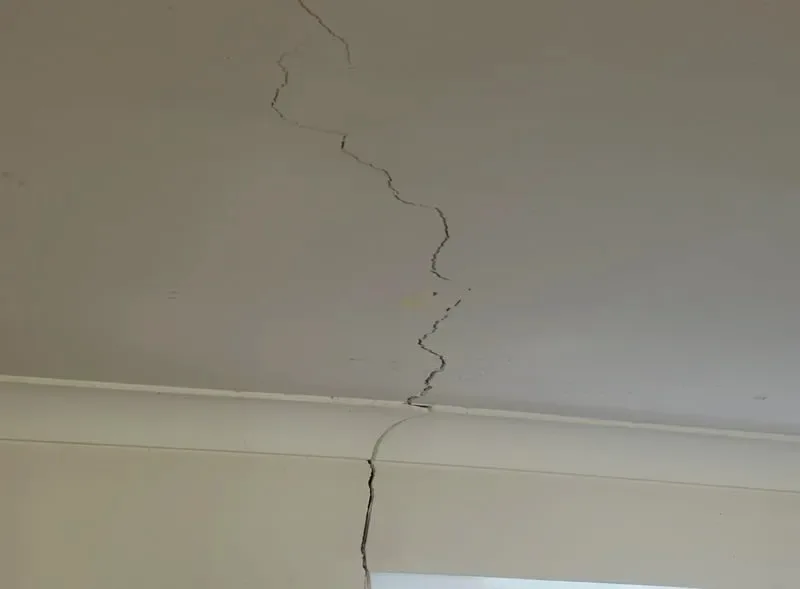
Differential movement puts significant stress on building materials. Common structural issues caused by differential movement include:
Cracks in walls, ceilings, or floors.
Sloping or uneven floors.
Misaligned doors and windows.
Long-term structural instability.
Differential movement can escalate quickly if left untreated, making it critical for homeowners to act at the first sign of trouble.
Why Does Differential Movement Happen?
Several factors contribute to differential movement. Understanding these causes can help homeowners identify early warning signs and take preventive action.
1. Different Levels of Footings
Shallow footings rest on less compacted soil compared to deeper footings. This discrepancy can cause uneven settlement, with certain areas of the home sinking faster than others.
2. Cut-and-Fill Sites
When builders construct homes on sloped land, they often flatten the site by cutting soil from higher areas and using it to fill lower ones. The "cut" portion remains stable, while the "fill" area often compresses over time, leading to uneven settlement.
3. Reactive Clay Soils
Reactive clay expands when wet and contracts when dry. If the clay beneath a home has inconsistent density or moisture levels, certain sections will settle differently, causing differential movement.
4. Poor Soil Compaction
If the soil wasn't compacted properly during construction, loose areas can compress under the structure's weight, creating voids and uneven settlement.
5. Flooding and Water Saturation
Excess water from flooding or heavy rainfall can significantly impact the stability of your home's foundation. When soil becomes oversaturated, it loses its load-bearing capacity, leading to erosion or weakening of the ground beneath the structure.
How to Solve Differential Movement
To address differential settlement, it's essential to tackle both the root causes and the resulting structural issues. Here are the top solutions and how Buildfix can assist:
1. Improve Drainage Systems
Consistent moisture levels in the soil are key to preventing movement. Proper drainage ensures water is directed away from the foundation and eliminates pooling that can weaken the soil.
How Buildfix Helps:
Our team of plumbers will assess your drainage system, identifying issues and recommending efficient, cost-effective solutions.
We can recommend downpipes, gutters, and stormwater systems to eliminate pooling water around your home, protecting the soil and house foundation.
2. Treat the Soil Beneath the Structure
For soil-related issues like reactive clay or poorly compacted fill, resin injection underpinning is a highly effective solution. It strengthens weak areas of soil, stabilises reactive clay, and prevents further movement.
How Buildfix Helps:
Using our advanced GeoPoly™ resin technology, we target weak areas to increase the soil's load-bearing strength.
For reactive clay, our GeoPoly minimises moisture absorption, reducing shrink-swell behaviour and stabilising the foundation.
For poorly compacted fill, resin injection compacts the soil and relevels the ground beneath the structure.
3. Install Retro-Fit Articulation Joints
Articulation joints allow controlled movement within the structure, reducing stress and preventing cracks. Retrofitting these joints in areas prone to differential movement can significantly reduce damage.
How Buildfix Helps:
Our experienced engineers identify the precise points in the structure that require articulation joints.
We design a custom solution, and our skilled technicians install the joints to ensure long-term stability.
4. Reinforce the Structure
Masonry walls often require additional lateral support to evenly distribute loads and transfer stresses to stronger sections or articulation joints. This prevents structural damage and improves the home's overall integrity.
How Buildfix Helps:
We use HelicalBars, a reinforced steel rod system, to strengthen masonry walls and improve their tensile strength.
We conduct thorough assessments to rebalance loads, transferring stresses to articulation joints for controlled movement.
Our engineers design tailored solutions, then our technicians deliver efficient, non-invasive installations.
5. Consult a Structural Engineer
Differential settlement is a complex issue that requires professional expertise. A specialised structural engineer is essential for identifying root causes and designing permanent solutions.
How Buildfix Helps:
We employ a team of qualified, in-house engineers who are well-experienced in diagnosing differential settlement and providing comprehensive repair solutions.
We focus on both foundation and structural elements to ensure homeowners receive a long-lasting and cost-effective solution.
Why Choose Buildfix for Settlement Repairs?
At Buildfix, we offer a holistic approach to settlement issues, combining cutting-edge technology with decades of expertise. Our solutions are designed to address the root cause of differential movement while ensuring your home's structural integrity for the future.
Our Process covers:
Detailed assessments by expert structural engineers.
Customised solutions tailored to your home's unique needs.
Permanent, affordable repairs using innovative techniques like GeoPoly resin injection and HelicalBars.
Protect Your Home from Settlement Today
Differential movement doesn't have to compromise your home's safety and value. By acting early and choosing the right solutions, you can prevent costly repairs and ensure your home remains secure for years to come.
If you've noticed cracks, sloping floors, or other signs of settlement, Buildfix is here to help. Contact us today for a professional assessment and find out how we can stabilise your home.
Share this article
Related Articles
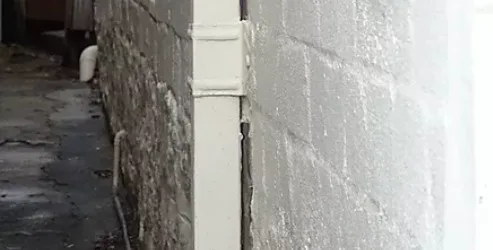
Subsidence: What Are Its Top Causes to Look Out For?
You don't need to be a geological expert or structural engineer to understand what subsidence is. Defined simply, subsidence is a downward shifting of the ground that can impact buildings in terrible ways.
Read More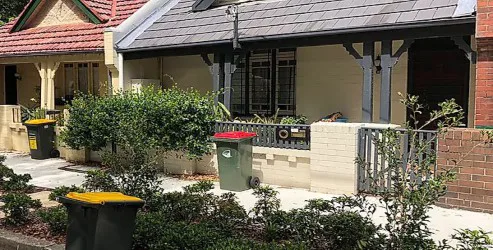
Five Ways to Prevent Your House from Sinking
In a previous post about subsidence, we discussed 5 of the top reasons your house might start sinking and in turn, take on structural damage. If you read that post and are now worried, relax.
Read More
How Drought Places Pressure on Your Home’s Structure
Serious droughts have an impact on infrastructure, large and small buildings alike including your home. Especially if your home’s been built on reactive clay soil.
Read More
Need expert advice on your home?
Our team of engineers and technicians are ready to help.
Book a free structural assessment today.