
Help & Advice
3 Structural Problems to Watch For
Help & Advice
3 Structural Problems to Watch For
Buying a house is an enormous undertaking. Whether you’re looking to start a family, expand your family or buy a home purely as an investment, the decision to buy is never simple. It can be intensely emotional. It’s logistically difficult. And for many, it’s also a monetary investment that will take years to pay off. Even decades.
The last thing you want is to buy a house full of structural issues. They can hang around for years disrupting your life to create more stress than you want and ultimately, hurt your life-savings.
Looking to buy a house? Here are 3 structural aspects of the building to look out for before investing.
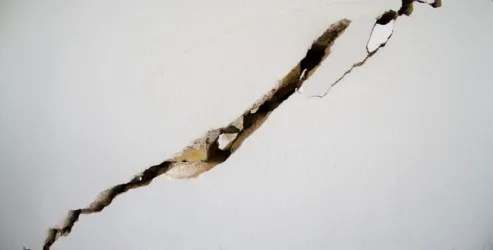
Wall cracks
If you’re seeing wall cracks throughout the house you’re about to buy, you need to tread carefully. Some wall cracks are purely superficial but if cracks go beyond surface level, they’ll be sure-fire indicators of structural problems. Problems rooted deep in the foundations of the house.
Wall cracks can be caused by a multitude of factors. Uneven movement of the ground upon which the house is built. Poor workmanship and expanding materials due to age. And loads added to the structure without consideration for how much pressure the structure is meant to take.
Moving floor piers
Considering buying a house built on piers? Be wary of loose, shifting, cracked and crumbling piers. These are definite indicators of ground movement and foundational instability.
Movement may be caused by soil erosion due to absorption of far too much water from broken pipes, over and underground. Another cause could be flooding or even leakage of a storm water drain nearby. Also, the piers may have been built upon reactive clay soil which expands and contracts throughout the year due to changing weather conditions.
Rising damp
The average Australian residence may have a few spots of mould here and there. But if you’re about to buy a house with a lower floor and walls covered in mould, flaking paint, tide-like stains and/or crumbling brick, get the foundations double checked.
The underlying issue is rising damp and scrubbing mould off the floor and walls isn’t going to fix it. Rising damp occurs when porous masonry such as stone, mortar and brick, absorbs water up from the ground. Moisture trapped in the floors and walls turns them into a hotbed for bacteria. Left untreated, the porous masonry can eventually explode from the inside out.
Excess moisture may have come from broken pipes, local flooding and corrosion of the membrane that sits beneath the house.
Have you recently purchased a house?
Have it double checked by experts. Especially if you’ve seen any of the structural problems mentioned in this post or if structural issues were raised during the pre-purchase inspection.
Our team of highly skilled technicians and structural engineers would love to take a look and offer our expert advice.
Just give us a call on 1300 854 115 or book a FREE inspection today.
Share this article
Related Articles
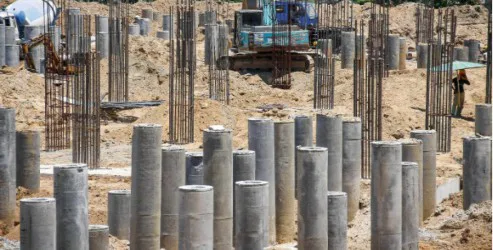
5 Types of Footing That Make Your Home Susceptible to Sinking
The nature of the environment and foundation upon which your home’s footing sits is a major factor. Here are the 5 main types of footing susceptible to sinking in Australia.
Read More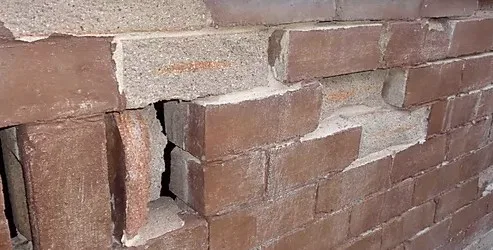
What Are the Effects of Rising Damp? What You Can Do to Fix It
Rising damp turns the dark, damp lower areas of your home into a hotbed for bacteria. Left untreated, the effects can be destructive to your home and health.
Read More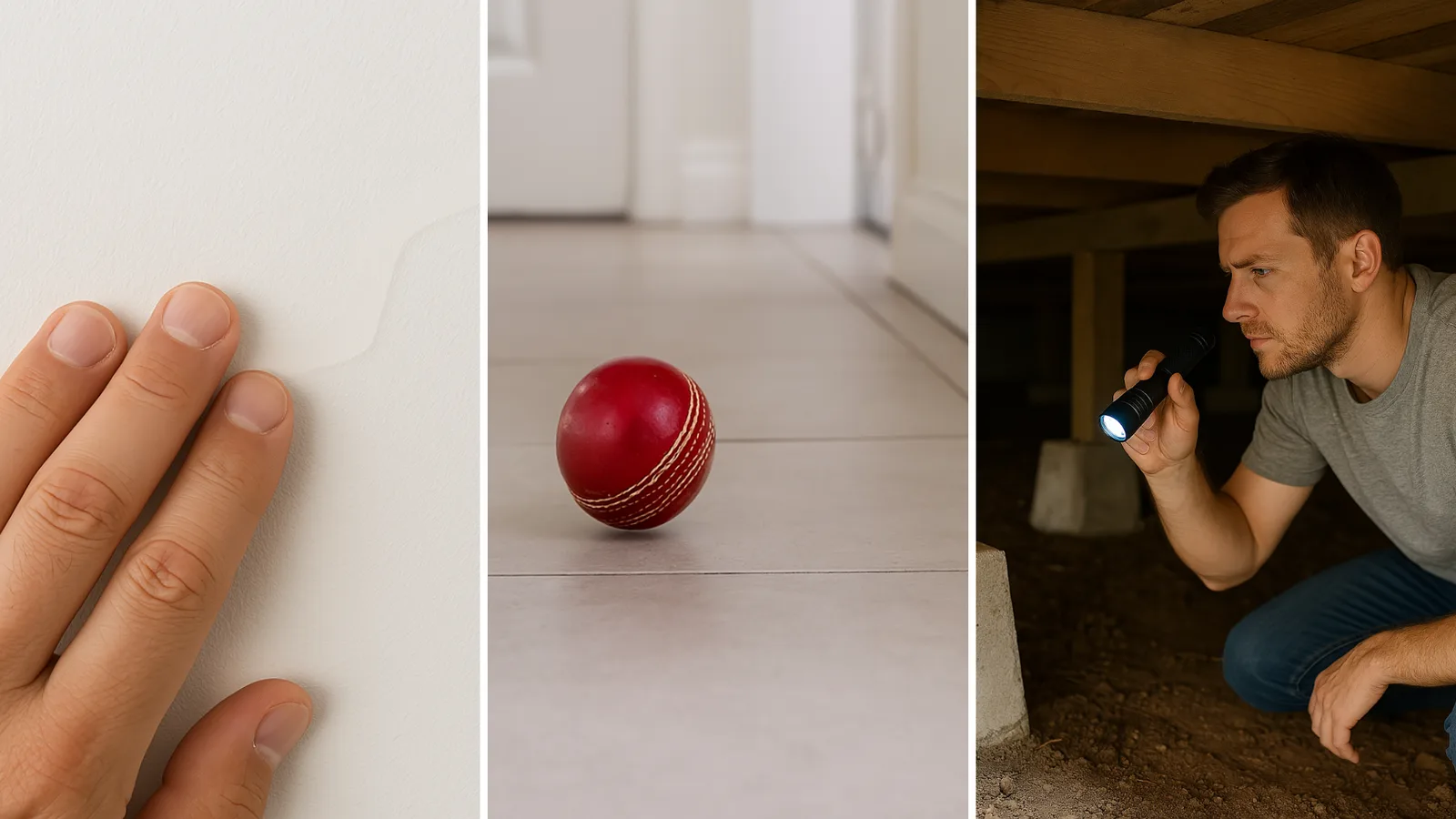
What To Check Before You Buy Your Dream Home
Before buying a home, pay careful attention to the cosmetic touch-ups the seller has made–fresh paint and packing under stumps can hide serious structural issues. Use tricks like the ball test to spot uneven floors, watch out for misaligned walls, check expansion joints, and trust your instincts.
Read More
Need expert advice on your home?
Our team of engineers and technicians are ready to help.
Book a free structural assessment today.