
Help & Advice
Expert advice on structural repairs for your home
Help & Advice
Help & Advice
Help & Advice
 Wall Cracks
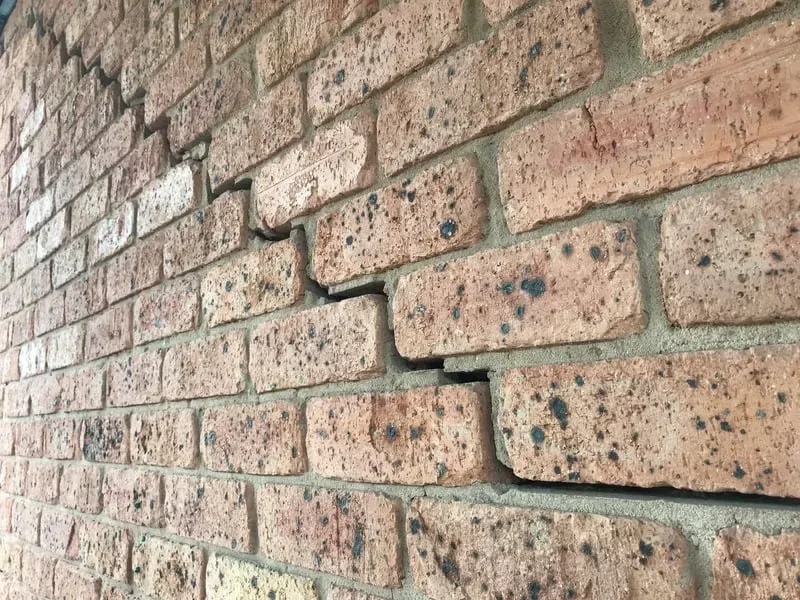
Wall cracks are common in Australian homes, but not all mean something's wrong. Some are harmless signs of natural settling or aging materials.
 Foundation
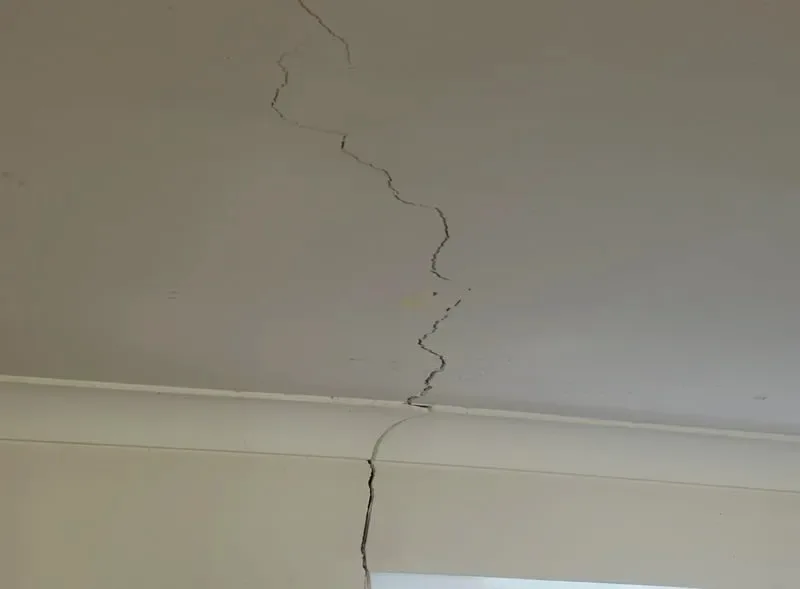
Every home experiences settlement to some extent. But differential movement occurs when sections of a structure settle unevenly.
 Foundation
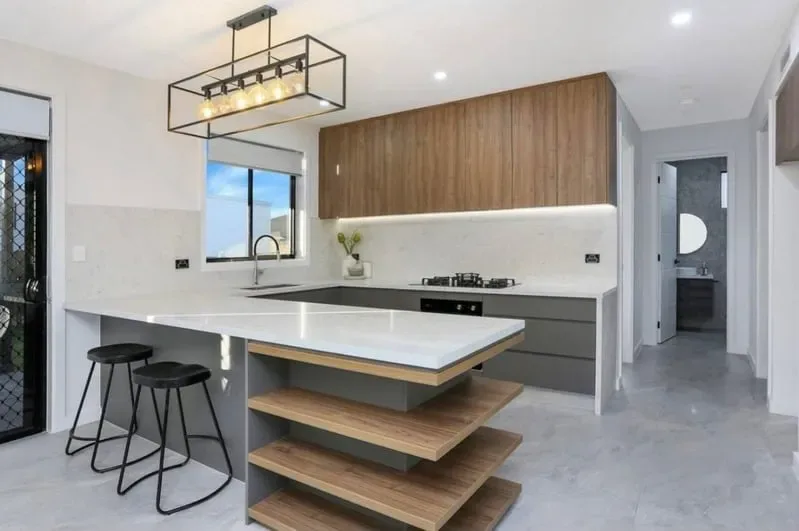
Planning a home renovation is exciting. Whether you're dreaming of a sleek new kitchen, a luxurious bathroom, or stylish new tiles, it's easy to focus on the design details.
 Floor Levelling
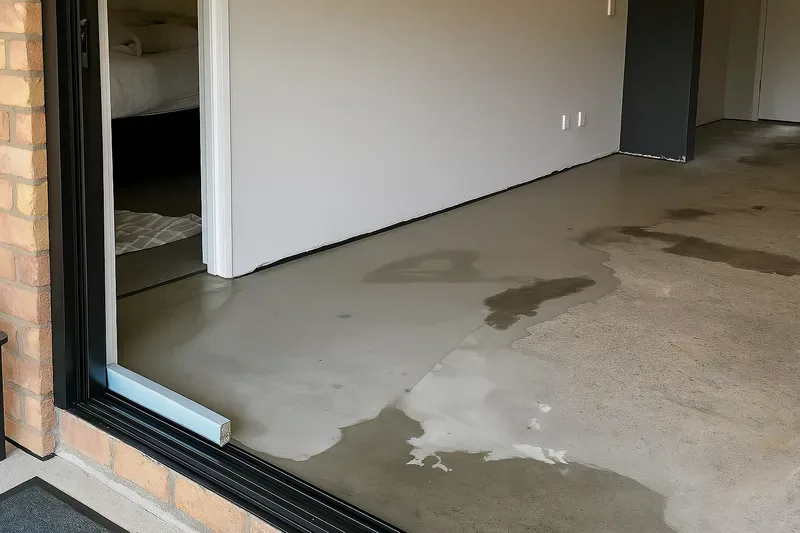
If you're planning a renovation, self-levelling compound might seem like the perfect fix for uneven floors. After all, it's widely recommended by builders and tilers for its quick application and smooth finish.
 Floor Levelling
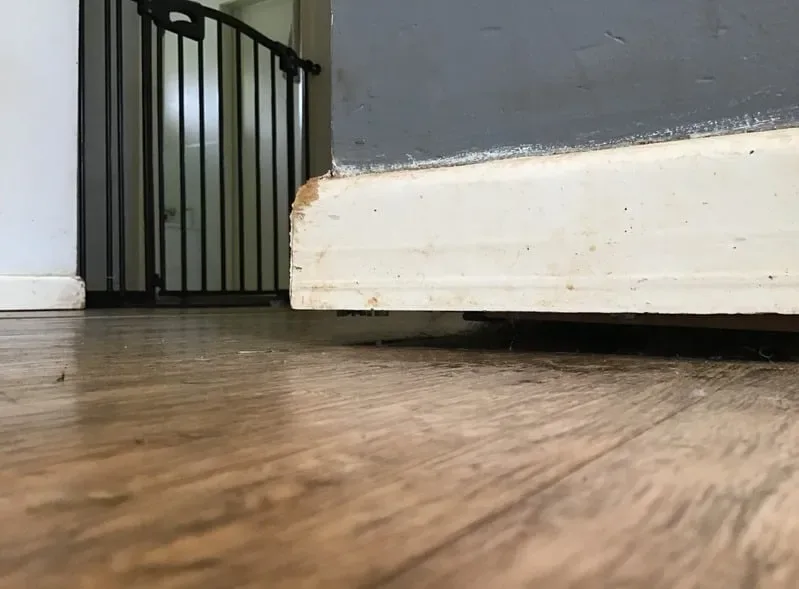
A sloping floor is easy to dismiss—until it gets worse. What starts as a slight tilt can turn into misaligned walls, sticking doors, or even structural instability.
 Rising Damp
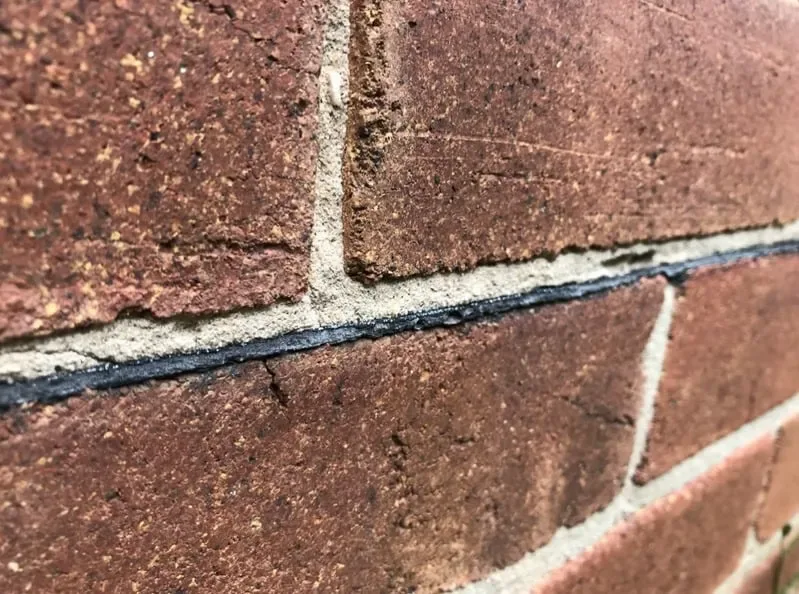
A damp proof course (DPC) is your home's first line of defense against rising damp, stopping moisture from creeping up through porous masonry walls. But when it fails, trouble starts—yellow stains, peeling paint, salt deposits, and rotting skirting boards are all warning signs.
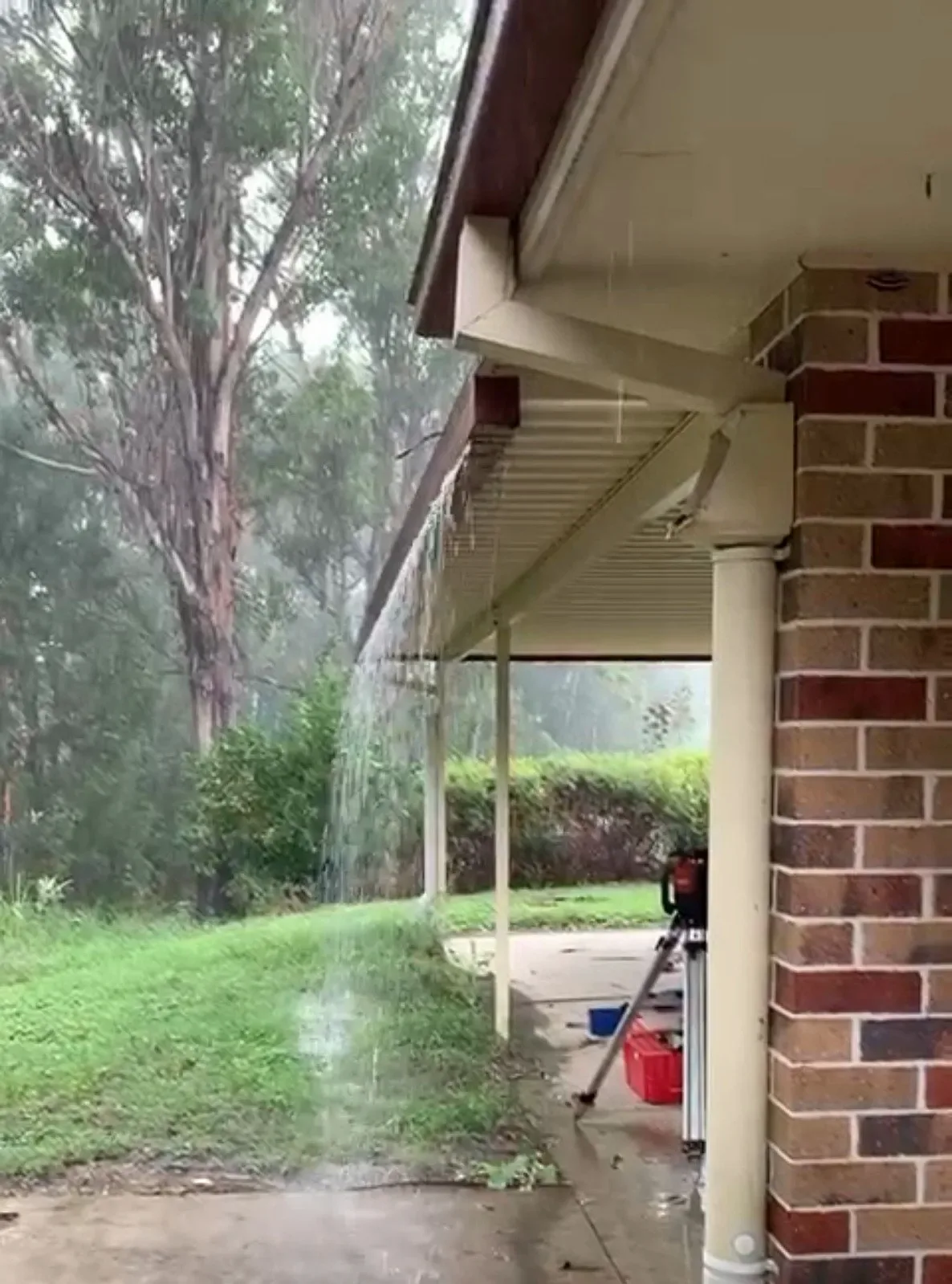 Drainage
Poor drainage around your home leads to water pooling, soil erosion, and foundation movement. Signs include mould, cracked walls, and uneven ground.
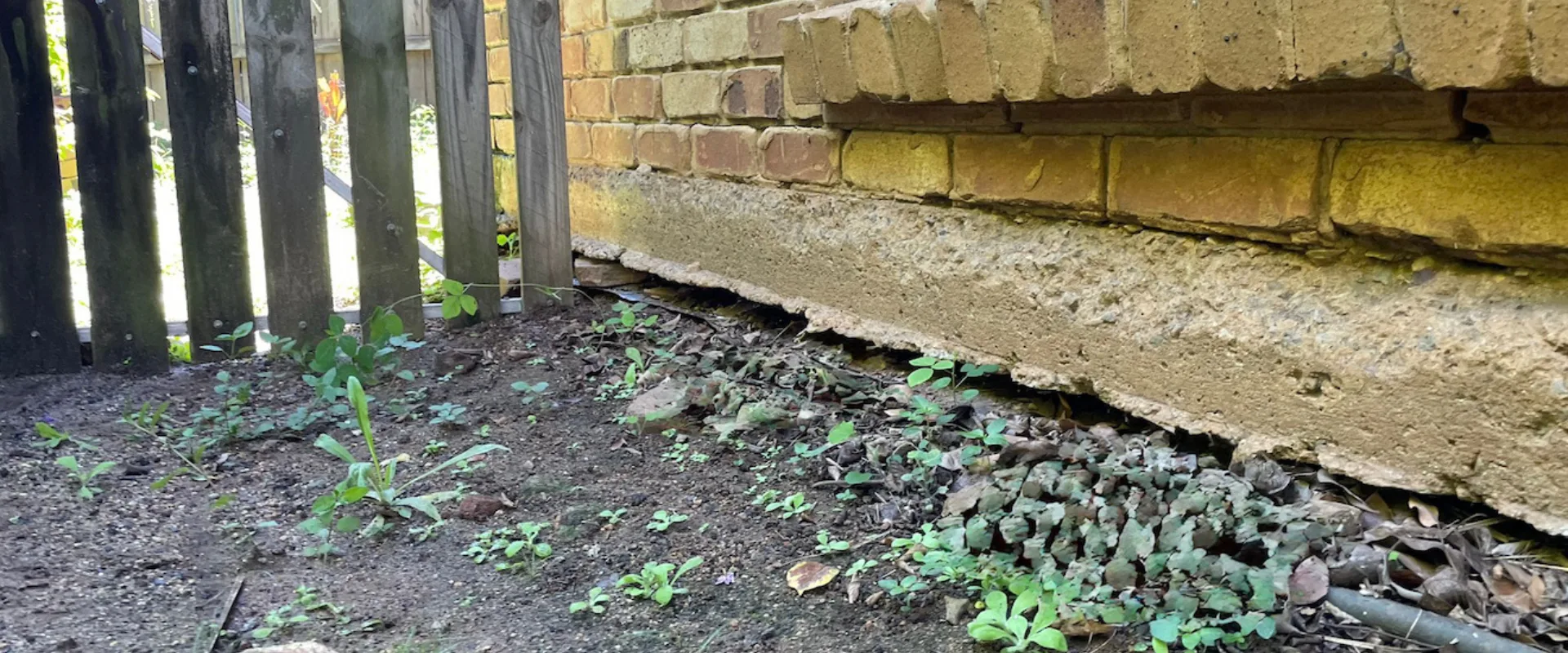 Soil & Environment
Reactive clay soil is a significant concern for Australian homeowners, capable of causing major structural damage if present beneath home foundations. These soils change dramatically with weather conditions, expanding when wet and shrinking when dry.