
Case Study
Brick Veneer Stabilised and Re-Tied
Case Study
Brick Veneer Stabilised and Re-Tied
Brick veneer home in Ballina faces structural instability and flooding
This double storey house with a brick veneer in Ballina, northern NSW, was suffering from a variety of structural problems, most notably a slightly leaning brick facade caused by ground subsidence. It was clear early on that brick veneer stabilisation would be essential to restore structural stability to the home. Not far off, the garage was also flooded — all of the time — raising further concerns about the site’s building conditions and long-term performance.
Unable to find a local builder experienced in working with masonry veneers and remedial repairs, the homeowner eventually called us to investigate and carry out the necessary restoration.
Excess water and ground erosion threatening double brick stability
Upon reviewing the ground, we discovered extensive erosion caused by years of water flow beneath the house. Interestingly, the water wasn’t from typical sources like rain, stormwater drains, or internal plumbing. Instead, a faulty subterranean cross-flow system redirected water from the garden, under the structural frame of the house, and down the slope to the garage.
The prolonged saturation compromised the concrete strip footing, leading to subsidence of the exterior brickwork. As a result, the brick veneer began shifting, and the original brick ties—essential for securing the masonry to the timber or steel frame—were close to failure.
Without intervention, the wall cavity could have collapsed, detaching the masonry from the structural frame and threatening the reliable strength of the entire structure.
GeoPoly™ ground stabilisation and HelicalBar™ veneer re-tying
Our first priority was to stop the brick veneer from sinking or leaning any further by stabilising the ground on which it sat. To do so, we injected our proprietary geopolymer resin solution, GeoPoly™, into the ground to stabilise the wet soil and the wall.
Having stabilised the ground and re-levelled the brick veneer, we were now faced with the next challenge — tying the brick back to the timber structure of the house.
Using our very own 8mm HelicalBars™, we carefully and precisely tied the external brick veneer back into the timber stud wall, improving the wall’s integrity within the wall cavity. The bars acted like concealed anchors, reconnecting the mortar joints between the masonry and internal framing while preserving the look of the original construction.
Brick veneer re-stabilised — a safer, drier home built to last
For years, the owner of this Ballina home was unable to find someone to give him a satisfactory explanation for why water had been pooling in the garage—or to explain the oversaturated nature of the soil in his garden.
Luckily, a local builder who knew about us clued the homeowner in.
With our expertise, we were able to connect the dots. We found the source of the flooding, stabilised the home’s brick veneer, and re-tied the wall to the timber structure within half a day. It’s a great example of the advantages of brick veneer—when issues arise, targeted solutions can be applied without needing to demolish the entire wall system.
The facade is now stable. Seeing signs of leaning walls on your brick veneer home? A free assessment checks the ties and explains what remedial wall ties can do.
Share this case study
Related Articles
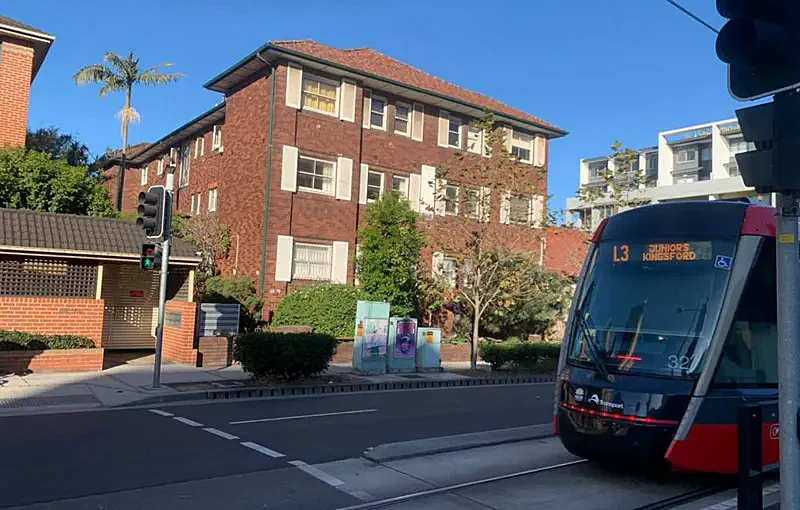
1920s Apartment Stabilised After Light Rail
Light Rail construction shook a century-old apartment block to its foundations. GeoPoly™ stabilised six residences at a fraction of underpinning costs — residents never had to leave.
Read More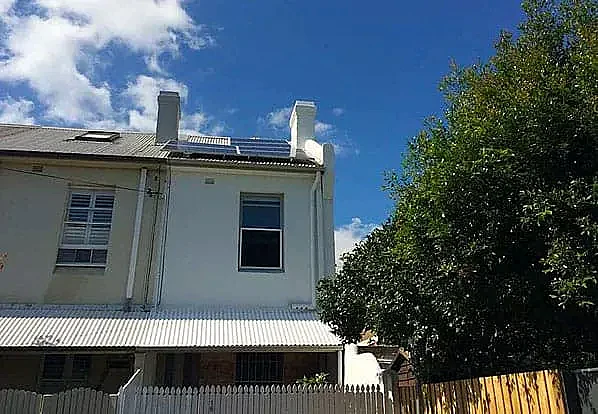
Terrace Wall and Façade Repaired
A large crack ran from bottom to top of this Victorian terrace’s gable end wall, threatening the chimney above. Buildfix stitched the wall closed with remedial ties — no bricks removed, no neighbours disturbed.
Read More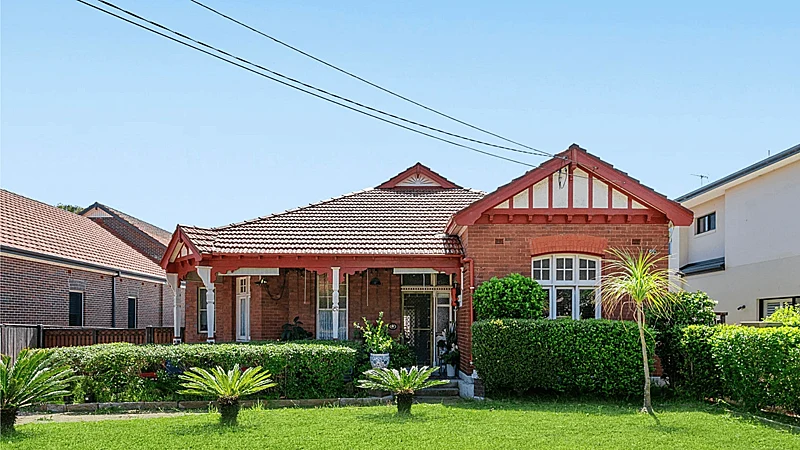
Walls Reconnected After Tie Failure
Both external walls of this 150-year-old double-brick home had been slowly separating from the internal load-bearing wall for decades. Buildfix replaced every failed tie — without removing a single brick.
Read More
Seeing something similar at your property?
Our team of engineers and technicians are ready to help.
Book a free structural assessment today.