Solutions
A new damp proof course injected into the wall — no bricks out, done in a day. The wall dries, the salt stops, the smell goes.
- Free assessment · 1–2 day repair · 20-year warranty
- Structural Engineers · Licensed Builders · Skilled Technicians
 Trustpilot
 Google
A new damp proof course injected into the wall — no bricks out, done in a day. The wall dries, the salt stops, the smell goes.
- Free quote · 1–2 day repair · 20-year warranty
- Structural Engineers · Licensed Builders · Skilled Technicians
Solutions
Rising damp treatment
A new damp proof course injected into the wall — no bricks out, done in a day. The wall dries, the salt stops, the smell goes.
- Free damp assessment with a fixed-price quote
- Non-invasive — most treatments done in a single day
- 20-year product and workmanship warranty
Structural Engineers · Licensed Builders · Skilled Technicians
TrustpilotGoogleWhat is rising damp treatment?
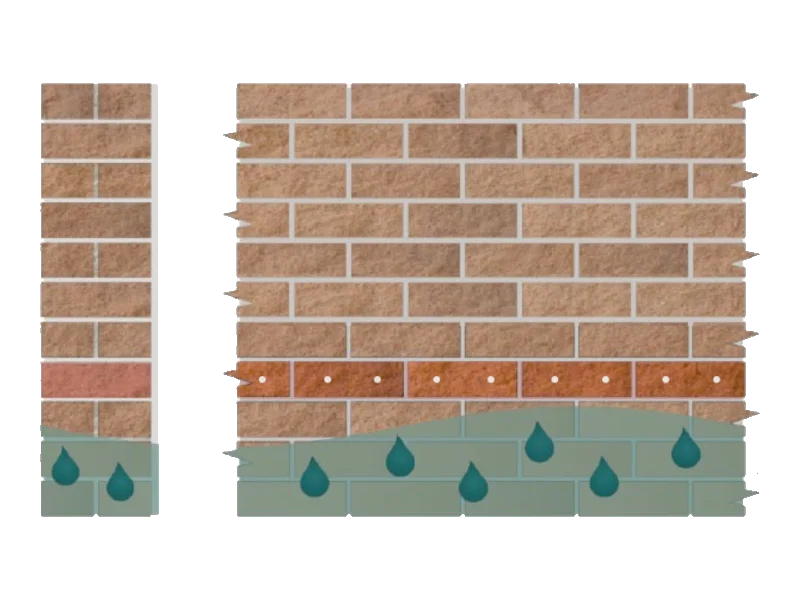
Rising damp treatment puts a new damp proof course into a wall whose original one has failed — or never existed. The DPC is the barrier built into the brickwork just above ground level that stops moisture climbing through the masonry. When it goes, ground water rises through the tiny channels in the bricks and mortar, carrying salts with it. Treatment replaces the barrier so the wall can dry.
Here's what most homeowners don't realise: the damage you can see on the surface is only the beginning. Those salts crystallise inside the brickwork — right where the wall meets the foundation — and over time they turn solid mortar and brick to dust from the inside out.
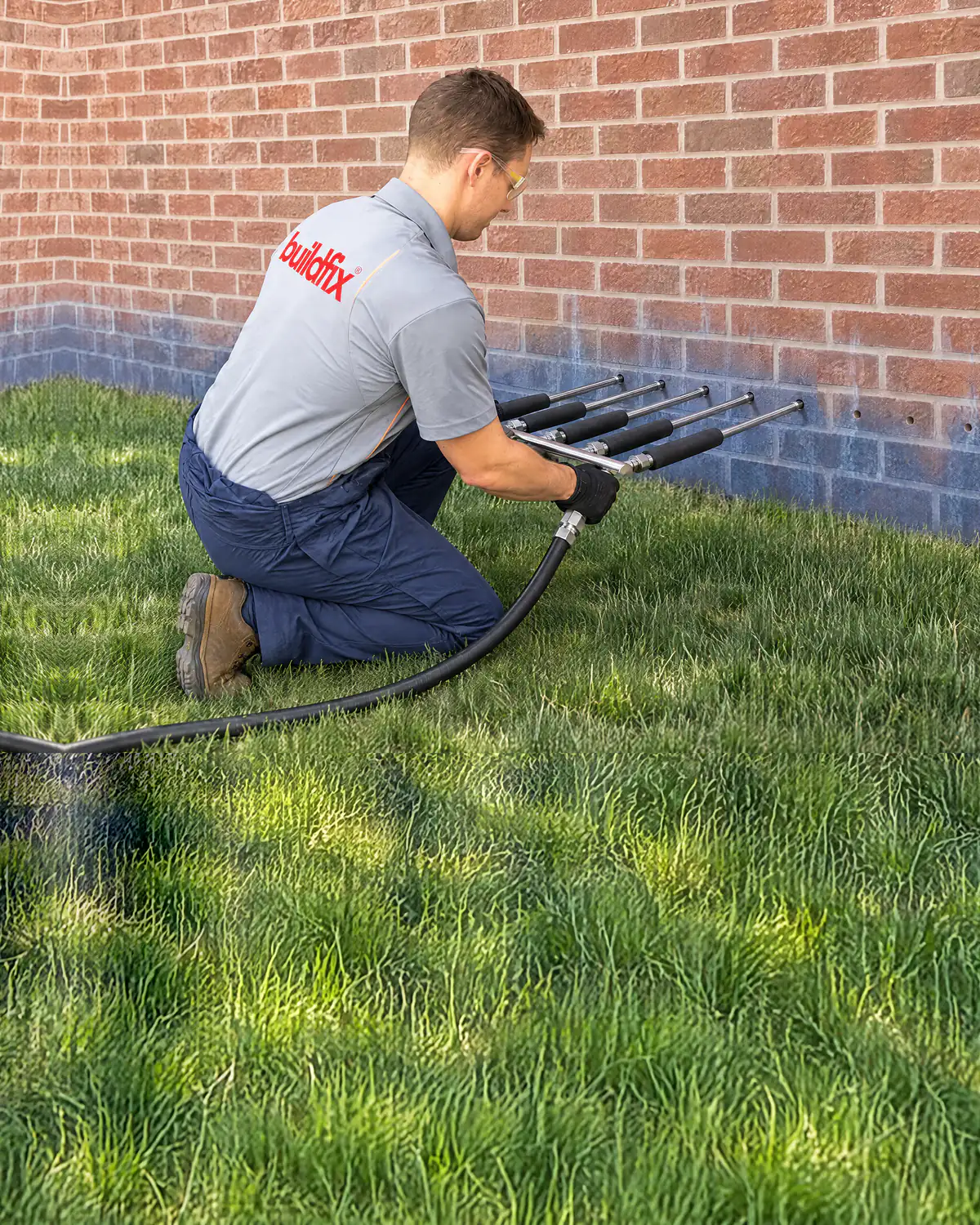
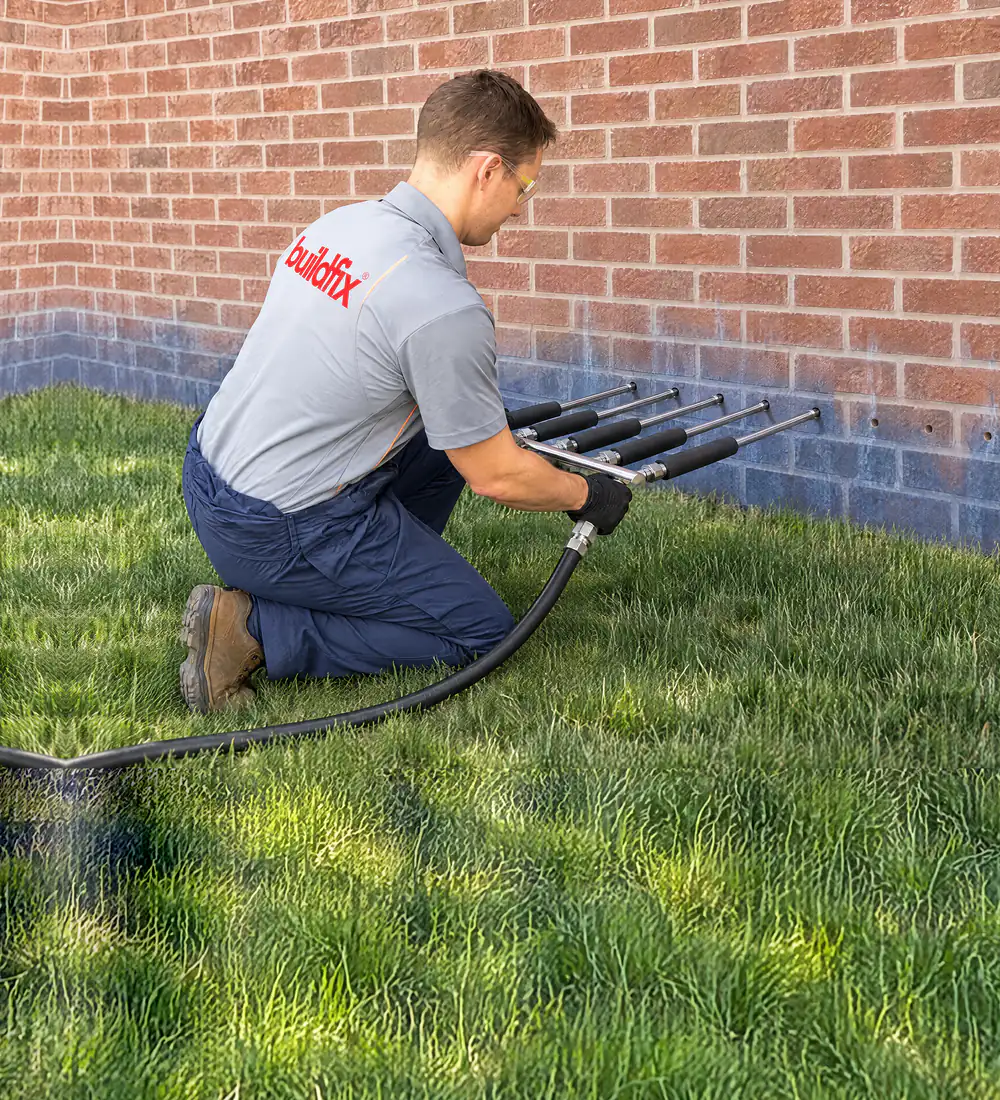
Modern treatment is an injection, not a rebuild. DampBlock™ AQ50 goes into the mortar course through small holes drilled along the base of the wall and cures into a permanent DPC — without removing a single brick, in a single day. Once it's in, the wall above it starts drying, the salt stops, and the musty smell goes with it.
When is rising damp treatment needed?
Not every damp wall is rising damp. Condensation shows up high — around windows, on cold ceilings, worse in winter. A leaking pipe or a blocked gutter makes a patch that follows the water. Rising damp stays low, usually under a metre, with a tide mark that won't paint over.
The signs below are the ones that confirm it: paint blistering at the base of the wall, white salt streaks on the bricks, mould along the skirting, mortar that crumbles when you press it with a key. If you've repainted or replastered and it came back, that's rising damp announcing itself. Not sure what you're looking at? How to spot rising damp shows each sign up close — the flaking paint, the tide mark, the mould along the base of the wall — before anything gets painted over.
Treatment is needed when the barrier is the problem — a DPC that has worn out, been bridged by a raised garden bed or a path poured against the wall, or was never there (most homes built before the 1950s). Not sure which yours is? That's what the free assessment answers — moisture meters and thermal imaging map it on the spot.
What are the signs of rising damp?
Rising damp stays low — usually below one metre. These are the signs that confirm it.
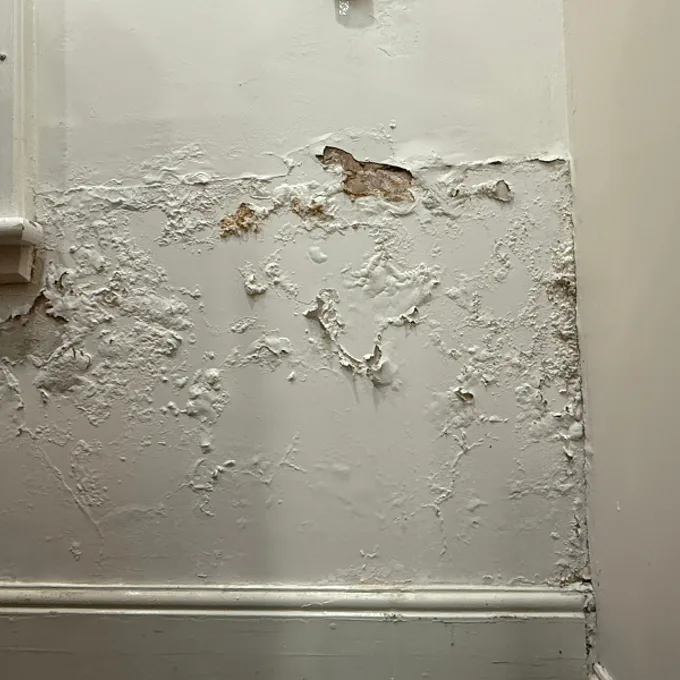
Peeling or Bubbling Paint
Paint that blisters, flakes, or turns powdery near the base of your walls is one of the earliest visible signs of rising damp. If repainting only holds for a few months before the same thing happens again, the moisture is coming from inside the wall — not the surface. The damage typically starts at the base and works its way upward as the damp rises higher through the masonry.
White Salt Deposits
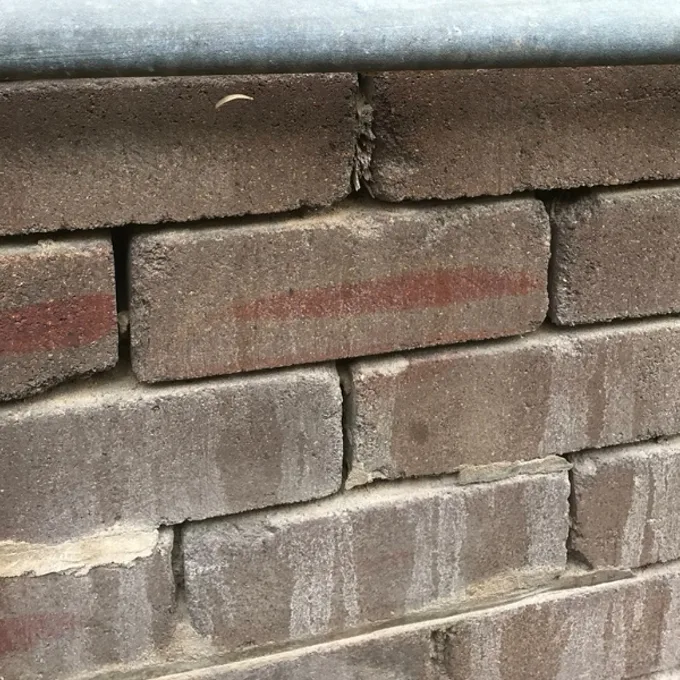
Those white, chalky streaks on your brickwork are salt deposits left by rising damp — called efflorescence. As moisture rises through the wall, it carries dissolved salts from the ground. When the water evaporates, the salts crystallise on the surface. Over time, they eat into mortar joints and weaken the masonry from the inside — even when the surface looks dry.
Tide Marks and Staining
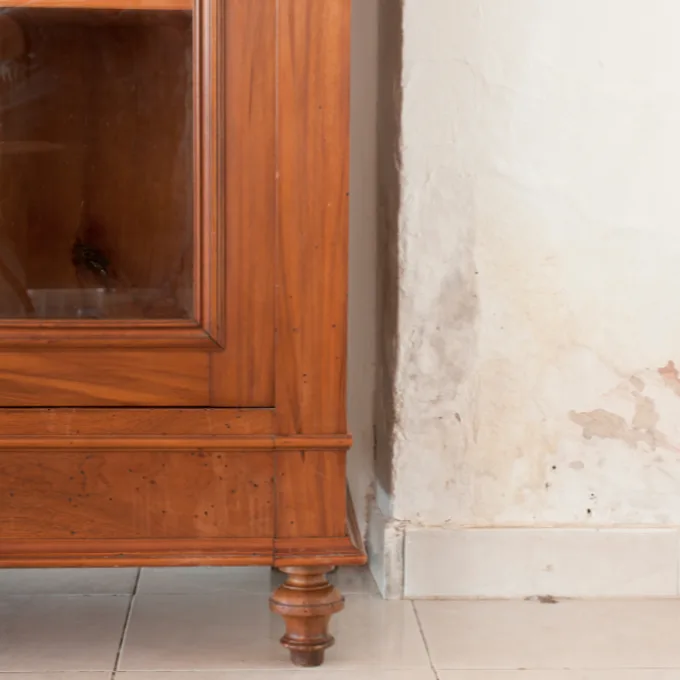
A brown or pink stain creeping up the base of your walls is a telltale sign of rising damp. The stain follows the height the moisture has reached — usually between 300mm and a metre above ground level. It won’t wash off or paint over permanently, because the moisture keeps feeding it from below. The line may shift with the seasons as ground moisture levels change.
Mould Around Skirting Boards
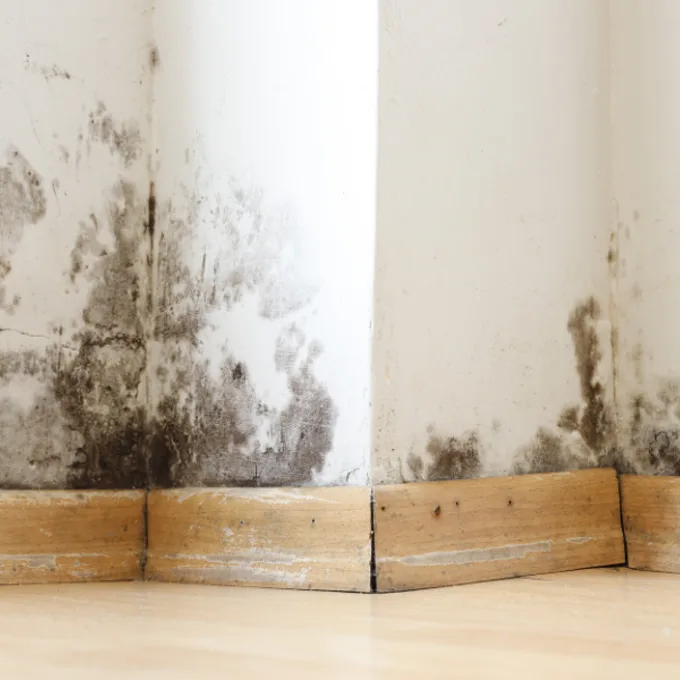
Mould forming along skirting boards, in corners at floor level, or behind furniture against the wall is a common sign of rising damp. The moisture wicking up through the wall transfers into everything it touches — timber, carpet, underlay. Mould higher up on walls or around ceilings is usually a ventilation or condensation issue, not rising damp. Rising damp stays low.
Crumbling Bricks
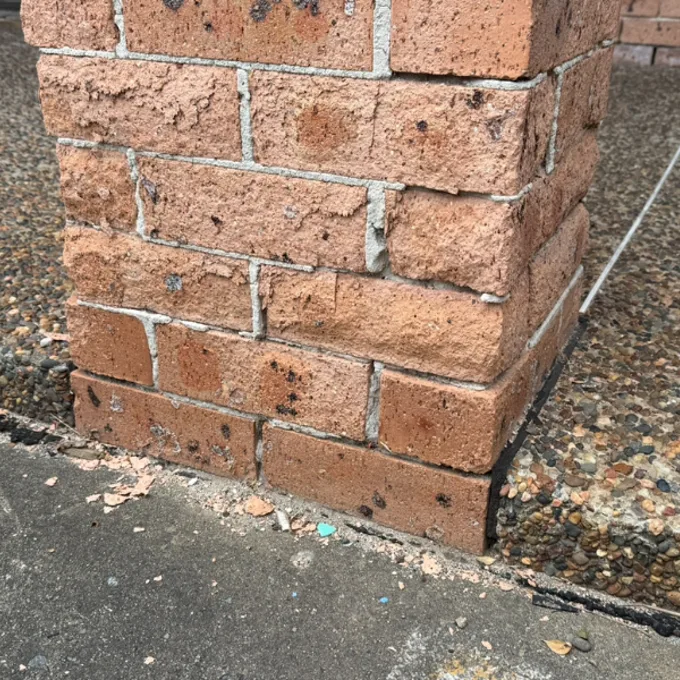
When rising damp carries ground salts into your brickwork, the real damage happens inside the masonry. As moisture evaporates, those salts crystallise and expand — and the brick is no match for that pressure. Over time, the face of the brick starts to crack, flake, and crumble away. Once the surface breaks down, more moisture gets in and the cycle accelerates. If your bricks are spalling or turning to powder at the base, salt attack from rising damp is almost always the cause.
What causes rising damp?
Rising damp always has a cause. Knowing yours changes everything about the fix.
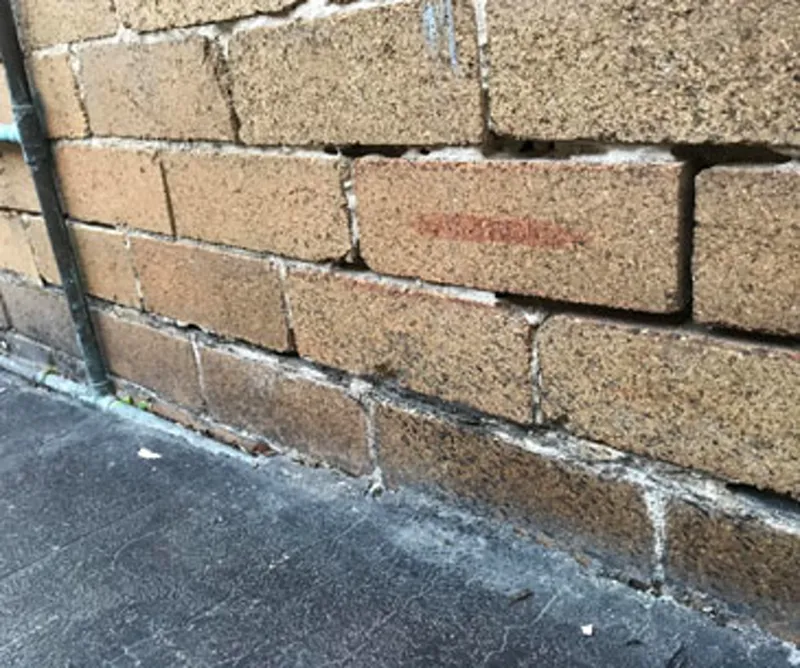
Failed Damp Proof Course
When your home was built, a damp proof course — a layer of bitumen, plastic, slate, or tin — was installed in the walls to block moisture from the ground. But few DPCs last forever. Over decades, the membrane corrodes, cracks, or loses its seal. Water and salts get back into the masonry above. The DPC didn’t break overnight. It wore out doing its job until it couldn’t anymore. And rising damp begins.
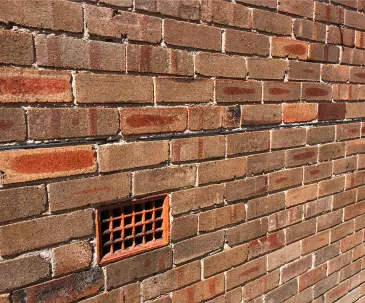
Wrong Barrier Height
Rising damp rarely exceeds one metre in height — gravity wins. For a DPC to work, it needs to sit just above ground level, blocking moisture before it climbs. In many older homes, the barrier was installed higher than necessary or at the wrong point in the wall. The moisture bypasses it entirely. The DPC is there — it’s just in the wrong spot.
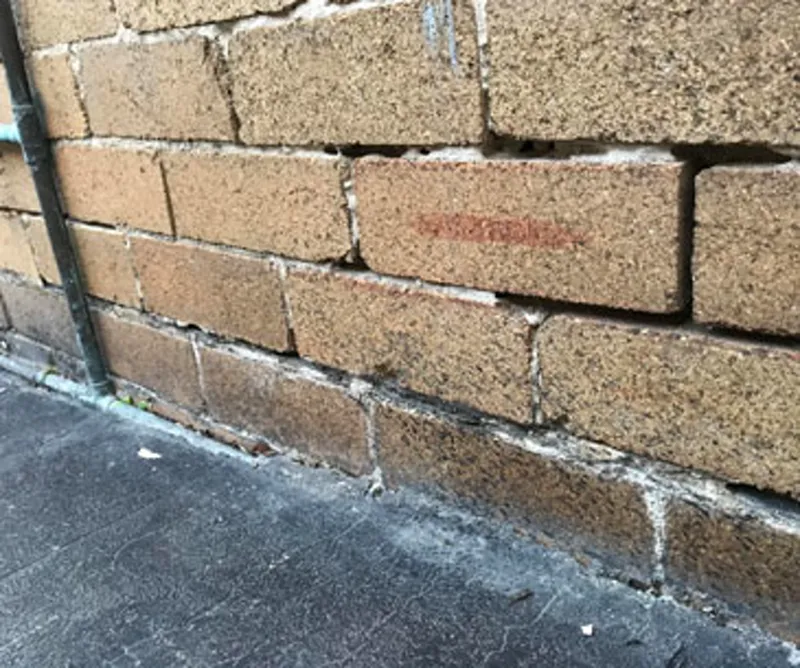
Bridging
Bridging happens when something allows moisture to bypass the DPC. A new garden bed raised above the barrier line. A patio poured against the wall. Render applied over the DPC. Landscape changes are the most common cause — the ground level goes up, and suddenly the barrier that worked for 30 years is below the soil line. Rising damp follows.
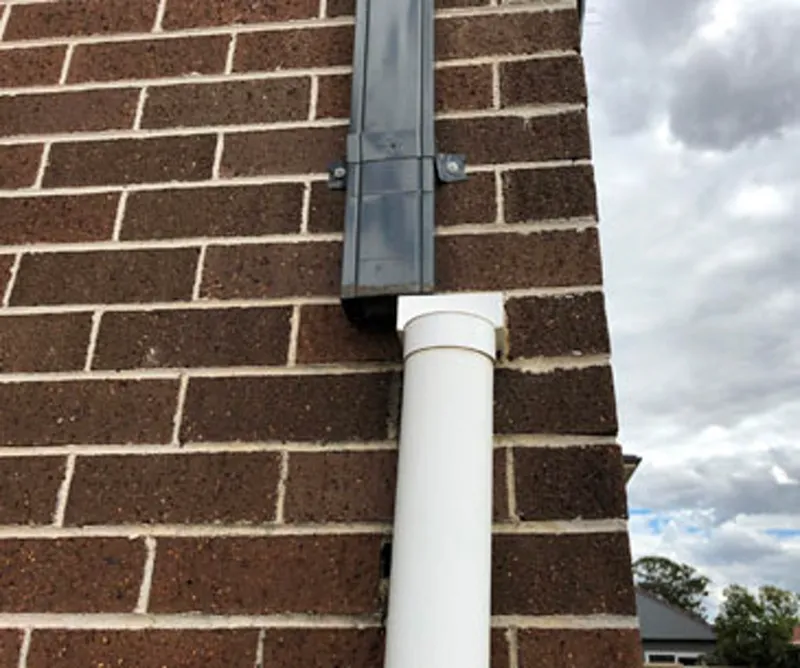
No DPC at All
Homes built before the 1950s often have no damp proof course at all. The brick sits directly on the footing with nothing between the masonry and the ground. In inner-city Sydney, Melbourne, and older suburbs across the ACT, this is the most common cause of rising damp. There’s no barrier to fail — because there never was one.
The most common damp proof injection methods
Each method works in the right situation. But each comes with trade-offs worth understanding before you commit.
How much does rising damp treatment cost?
Most rising damp treatments with Buildfix land between $2,000 and $6,000. The length of wall affected sets most of it — one damp wall in a hallway is a different job to the whole ground floor of a terrace — and wall thickness and how far the moisture has climbed do the rest.
Every metre is measured at the free assessment and the quote is fixed. The price you see is the price you pay. The full breakdown is in the rising damp treatment cost guide.
The fixes that waste money
Replastering. The damp wall is replastered, painted, and looks fine for six months. Then the salt and moisture push back through the new plaster. The replaster fails the same way the old plaster did. Money down the drain.
Repointing. The mortar joints get tuckpointed and the work is good. But if salt and moisture are still moving up through the bricks, the new mortar gets eaten the same way the old mortar did. The bricklayer didn't do anything wrong — the cause was never touched.
Paint sealers, dehumidifiers and vents. Damp-blocking paint traps the moisture inside the wall, so the bricks crumble behind a surface that looks dry. A dehumidifier dries the air in the room, not the wall. The wall is being fed from below, and none of these touch the feed.
Rising damp is the one structural problem that does its real damage out of sight. Salt from the ground is carried up through the bricks, and as the moisture dries it crystallises inside the masonry — expanding, cracking, turning solid brick and mortar to dust where the wall meets the foundation. Homeowners often don't see how far it has gone until a brick crumbles in their hand.
Rising damp treatment with DampBlock™
Non-Invasive. Permanent. Guaranteed.
No Harmful Fumes. No Digging. Done in a Day.
Your walls are full of tiny channels called capillaries. When the original damp-proof course fails, ground moisture gets drawn upward through those capillaries naturally — carrying salts that crystallise inside the brickwork and destroy it from within. Damp proofing stops that cycle at its source.
DampBlock™ combines the highly permeable properties of chemical injections with the safety of non-hazardous silicone cream — a next-generation formula that targets affected areas precisely. The resin is injected into the centre of each brick through small holes drilled at close intervals along the base of each affected wall. It spreads through the masonry under low pressure, targeting the capillaries — the same channels the moisture uses to rise — and cures to form a permanent damp-proof course inside the wall itself. A brand-new DPC, without removing a single brick.
Once the moisture source is cut off, the wall dries naturally. Salt damage stops progressing. Damaged plaster is stripped back, a salt-retardant base coat applied, and the walls finished smooth, clean, and ready to paint. DampBlock™ permanently blocks rising damp without leaving behind any lingering odours or fumes.
Not sure if it's rising damp? That's what the free assessment is for.
How long does rising damp treatment take, and will it come back?
Most DampBlock™ treatments are done in a single day. Larger homes, or walls with heavy salt damage, take 2. The resin cures inside the masonry and the new DPC is working from that moment; the moisture already in the wall takes 6–12 months to dry out on its own.
The DPC is permanent. DampBlock™ doesn't break down, leach out or need power to keep working, and every treatment is backed by a written 20-year product and workmanship warranty. If rising damp returns, so do we.
Salt attack — what rising damp leaves behind
White, chalky streaks on the brickwork. Render blowing off in sheets. Mortar joints you can rake out with a finger. Bricks spalling at the base of the wall. That's salt attack — the ground salts rising damp carried into the wall, crystallising as the wall dries and breaking the masonry from the inside.
Blocking the damp stops the salt arriving. What's already in the wall is dealt with on the same job: salt-damaged plaster is stripped back, a salt-retardant base coat goes on, and weak, salt-eaten mortar is removed and deep repointed. The wall comes back to full strength and dries to a finish that's ready to paint.
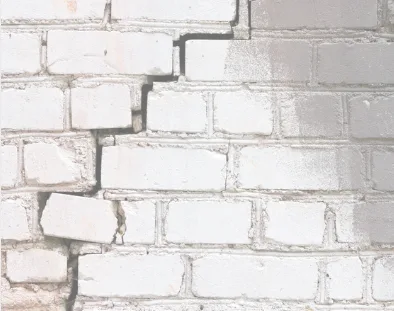
What to expect
How rising damp treatment works — from assessment to completion.
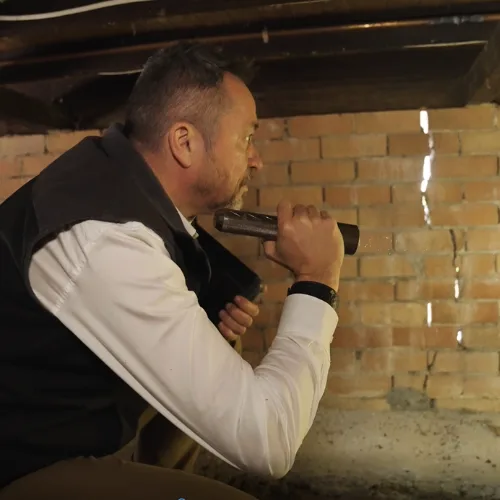 Step 1
Free Damp Assessment
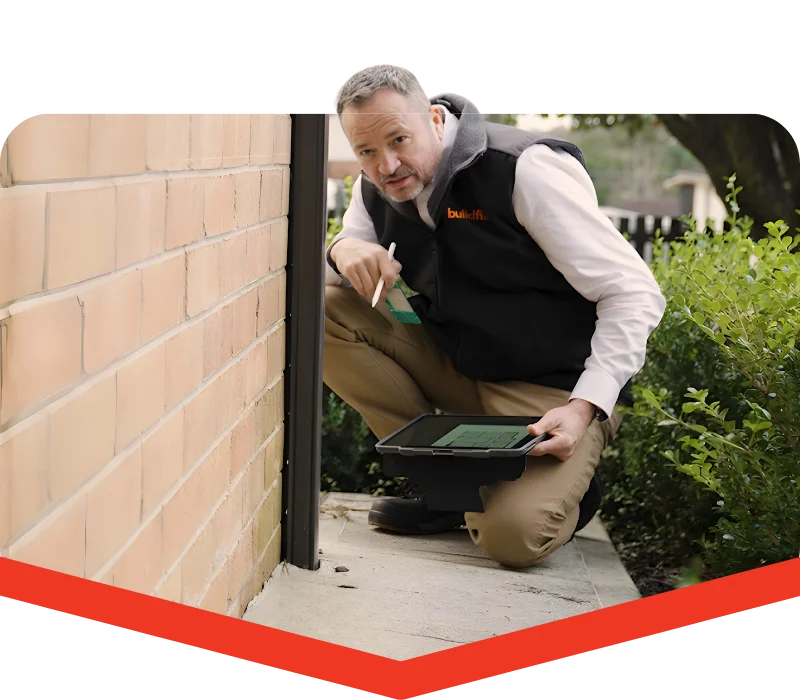
A Buildfix engineer inspects your home with moisture meters and thermal imaging to map where the damp is, how high it’s risen, and what’s causing it. Is it rising damp, condensation, or a leak? That question gets answered here — with a clear explanation and a treatment plan on the spot.
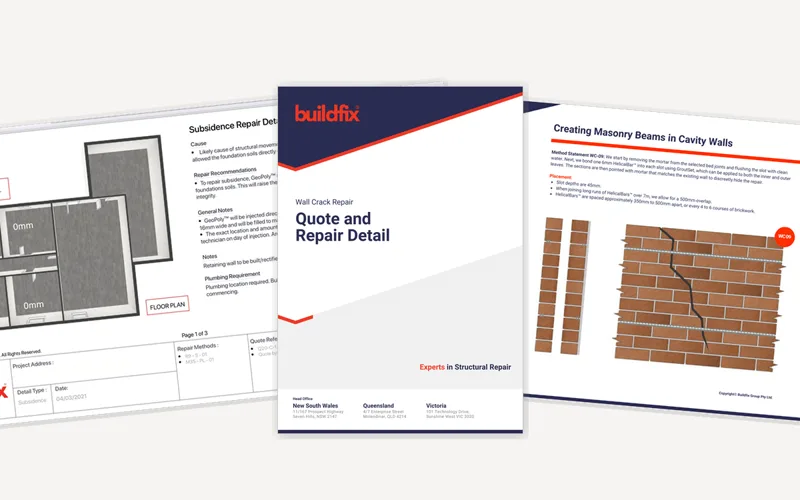 Step 2
Get Your Fixed-Price Quote and Book
A complete quote package arrives — treatment plan, method statement, and a fixed-price quote. The price you see is the price you pay. When you’re ready, book through the online portal and suitable dates are organised for the work.
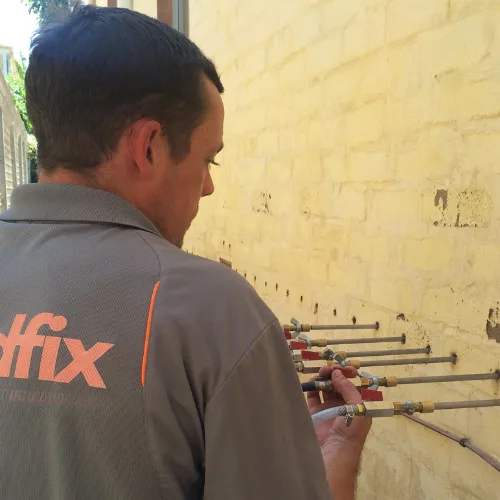 Step 3
DampBlock™ Damp Proofing Injection
Small holes are drilled at close intervals along the base of each affected wall. DampBlock™ resin is injected into the mortar course. The resin spreads through the masonry and cures to form a continuous, permanent damp proof course — a brand-new DPC, without removing a single brick. Non-toxic, odourless, and your family can stay home during the work.
 Step 4
Receive Your 20-Year Warranty
Your 20-year product and workmanship warranty arrives via email with the Completion Package — a job report covering the work, materials, and images.
Rising damp blocked.
Guaranteed to last.
The benefits of DampBlock™ rising damp treatment.
Damp proofing isn’t the hassle it used to be. DampBlock™ is injected through small holes in the mortar — no digging, no wall cutting, no harmful chemicals. The resin spreads through the masonry’s capillaries and cures into a permanent DPC. Stay home the entire time.
Ready to stop the damp at the source? Book your free assessment to get started.
Real homes. Real results.
15,000+ homes and structures repaired. Want to see real Buildfix rising damp treatments? Browse a few below.
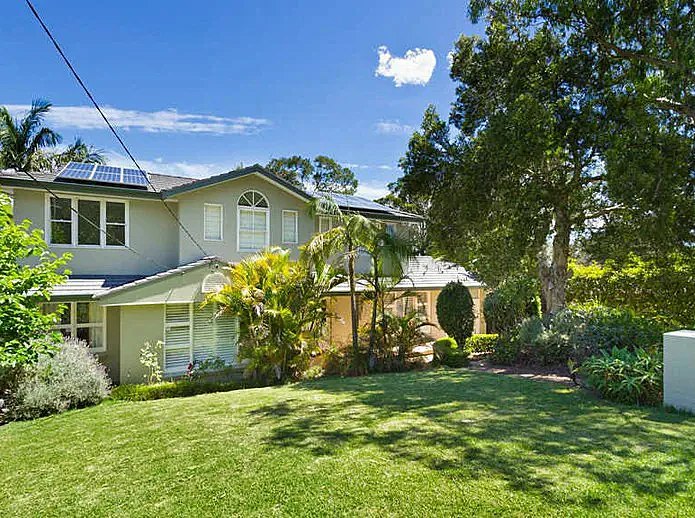 Homeowner
Frenchs Forest, NSW
Damp Attacking From Both Sides
Damp damage showing on both internal and external walls? That means moisture has saturated the full wall — and neither repainting nor re-rendering will stop it. Book a free damp assessment.
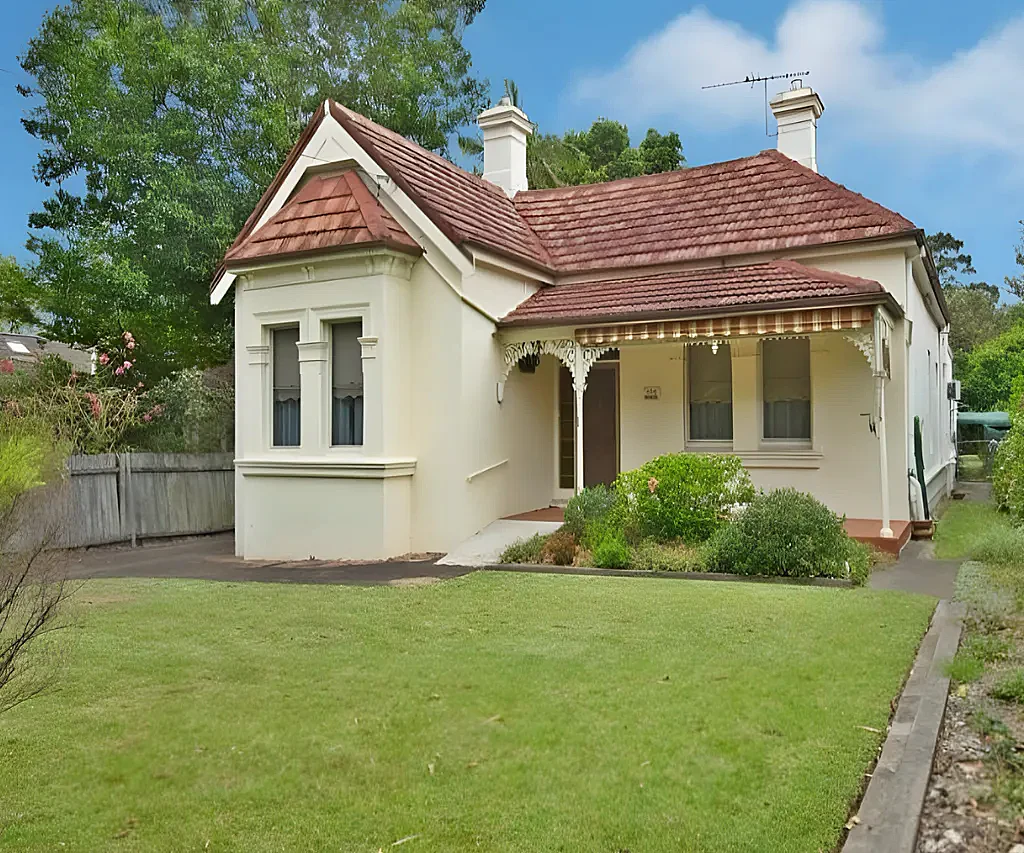 Homeowner
Strathfield, NSW
Heritage Home Repaired Twice, Same Team
When new cracks appeared in this 150-year-old Strathfield home, the owner didn’t hesitate — they called Buildfix again. Buildfix had already fixed the front of the house years earlier. This time, the team tackled the rear.
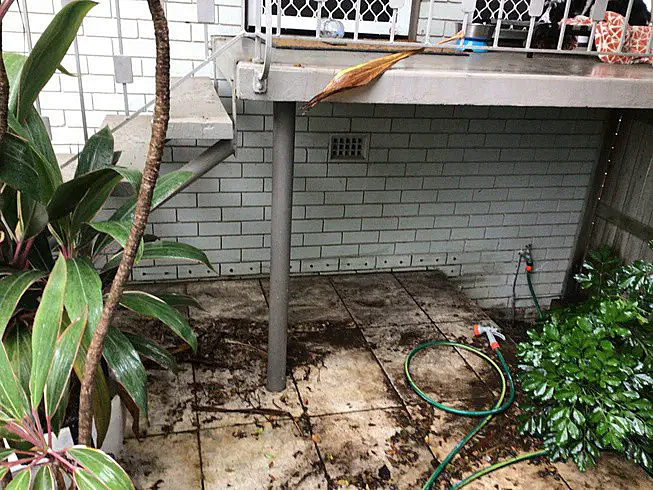 Strata
Ashgrove, QLD
Crumbling Bricks No Bricklayer Could Fix
Strata committee dealing with crumbling brickwork that no tradesperson seems able to fix? The problem might not be the bricks — it might be what’s happening behind them. Book a free damp assessment for your building.
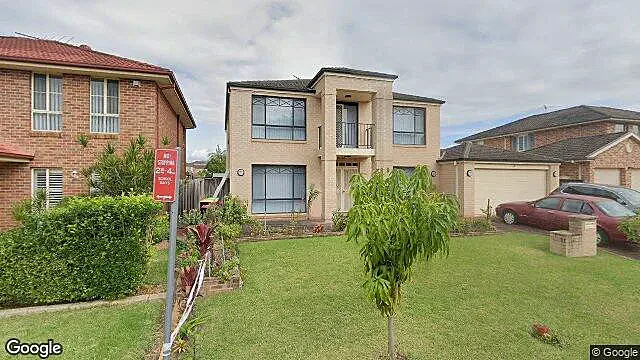 Homeowner
Prestons, NSW
Rising Damp in Both Balcony Pillars
Rising damp in brick pillars, piers, or columns? The damage accelerates faster in exposed masonry — don’t wait for it to reach the top. Book a free damp assessment.
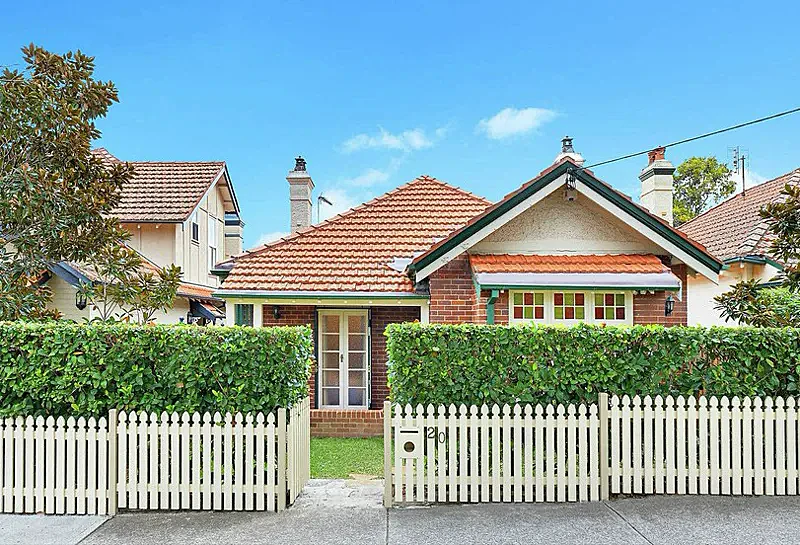 Homeowner
Mosman, NSW
Fresh Tuckpointing Fell Out in Months
Spent money on tuckpointing only to watch the mortar fail again? That’s usually a sign the wall is wet from within — and no amount of repointing will fix it. Book a free damp assessment and find out what’s really going on.
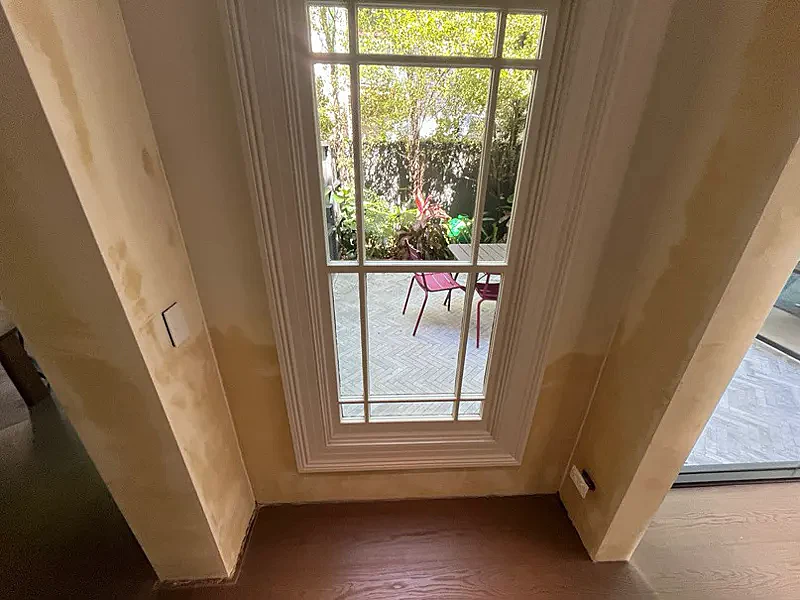 Homeowner
Stanmore, NSW
Terrace Walls Dried Out Without a Trench
Own a terrace in the inner west? Rising damp is one of the most common problems in homes of this age — and excavation is rarely an option. Book a free damp assessment and find out what’s happening inside your walls.
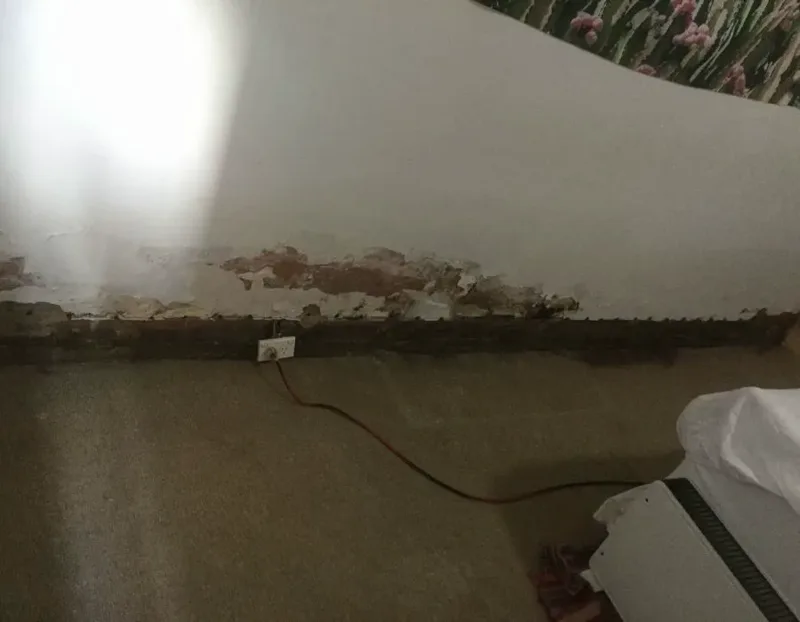 Homeowner
Turramurra, NSW
Excess Moisture Removed From a 1920s Semi
The lower floor of this Turramurra semi was overwhelmed with mould. Behind the 1970s skirting boards sat 1920s brick that had never had a damp course, drawing water from the ground for almost 100 years.
“All of the Buildfix team have been easy to communicate with. Everyone was punctual and communicated arrival times well ahead of arrival.”
Scott HolmesMelbourne, VIC
“All of the Buildfix team have been easy to communicate with. Everyone was punctual and communicated arrival times well ahead of arrival.”
Scott HolmesMelbourne, VIC
“All of the Buildfix team have been easy to communicate with. Everyone was punctual and communicated arrival times well ahead of arrival.”
Scott HolmesMelbourne, VIC
“All of the Buildfix team have been easy to communicate with. Everyone was punctual and communicated arrival times well ahead of arrival.”
Scott HolmesMelbourne, VIC
Questions?
Our team is here to answer any questions you may have Monday – Friday 8am to 5pm AEST. Give us a call on 1300 854 115.