
Help & Advice
What's making my house piers move?
·
Help & Advice
What's making my house piers move?
·
The most common causes of house pier destabilisation
House piers move or sink for a variety of reasons. In order to prescribe the correct solution to raise, stabilise or stop them from sinking further, understanding why the house piers are on the go is important. Want to know why your house piers are moving? Here are some of the most common causes.
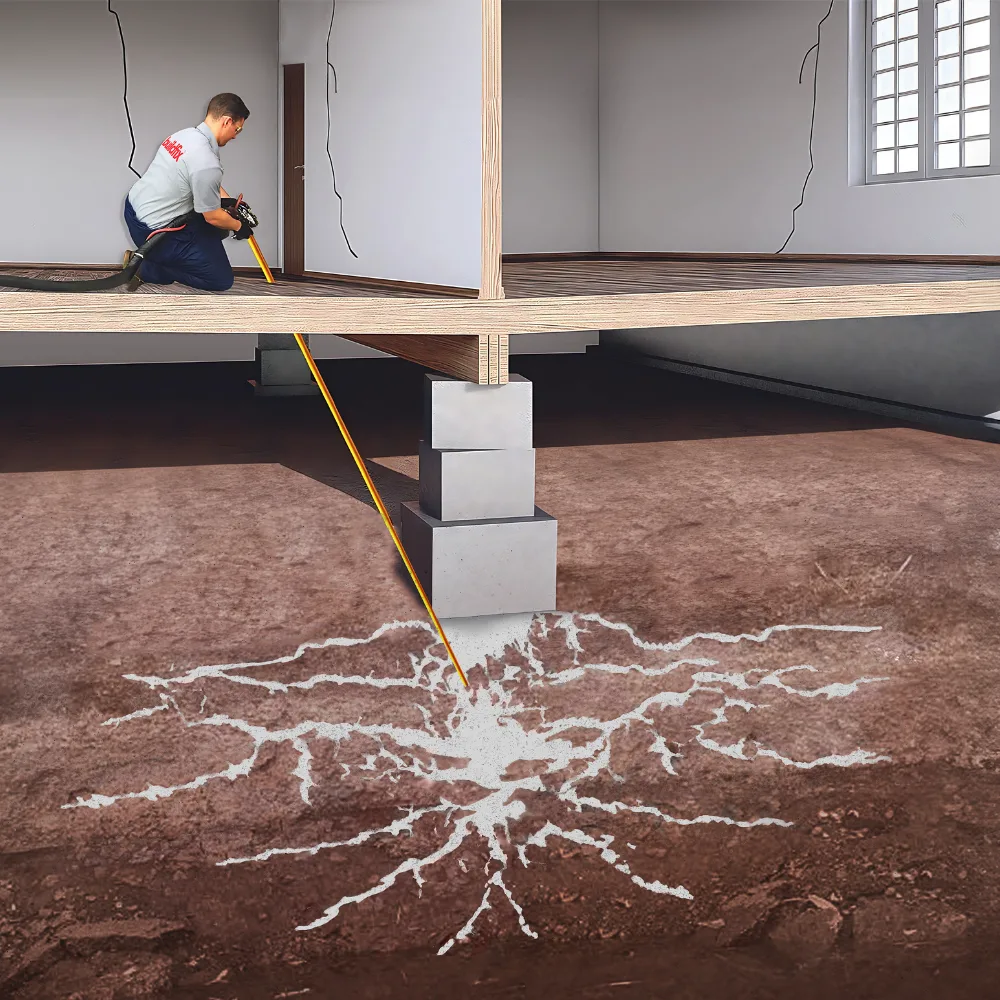
If the piers under your floor have already started dropping, the fix is floor levelling: the ground beneath each pier is stabilised and the pier lifted back to the bearer, with nothing knocked down or replaced.
Leaking Pipes
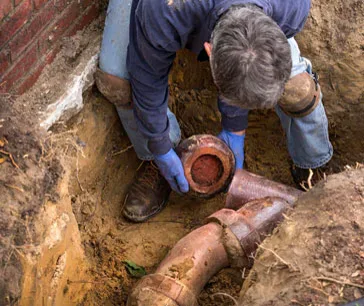
When excess water soaks into soil, the soil becomes saturated and weak. When it comes to house piers, water leaking from cracked, broken or unconnected bathroom and kitchen pipes are a major cause of soil erosion, soil aeration and voids. The water from the leaking pipes travels into the ground, around your piers and pools into the soil, causing movement.
Poor Storm Water Drainage
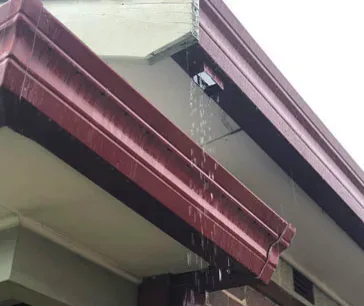
If storm water drains near your home have overflowed with rain, excess rain can find its way towards your home's foundations and house piers. Rain may stop, but the excess rain water will have nowhere to go except into the ground where your house piers are built. This weakens the soil upon which your house piers sit and begins downward movement.
Lengthy Drought
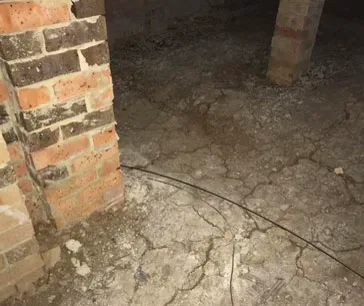
Reactive clay soils expand and contract under different weather conditions. They expand in cooler, wetter weather but contract when it's hot and dry. If you've experienced a long drought, the reactive clay soil under your home may have contracted, causing sinking.
When it's the whole footing dropping and not just the piers, that's subsidence — and underpinning is the repair for that.
Vibrations

If your home's built near a construction site, main road, railway line or airport, the ground under your home would be absorbing a tremendous amount of impact. Heavy vehicles like excavators, concrete mixing trucks, trains and planes can cause the ground to quake. The vibrations weaken the soil to the point your house piers are no longer stable.
Tree Roots and Vegetation

It's less common, but another reason why your house piers are failing is thirsty vegetation. Some trees and sickly vegetation have an excessive amount of roots. Greedy for water, they find their way under and around your piers to suck every last drop of moisture out of the soil. As the soil dries up, your house piers shift.
The same ground moves more than piers
Piers are rarely the only thing a moving foundation shows up in. Cracks that step through the brickwork are the wall's version of the same story, and wall crack repair reconnects the masonry once the ground is sorted. A driveway or path that's dropped at one edge is slab lifting territory. A wall that's started to lean or bow out from the house is usually failed ties, fixed with remedial wall ties. And if the base of your walls is damp as well as cracked, read how to spot rising damp before anything gets painted over — rising damp treatment is a separate job from the piers.
Want your house piers checked out?
Experienced a lengthy drought or flood? Have leaking pipes? Live where heavy vehicles operate day in and out? Think your house piers are moving?
We'd be happy to inspect them at zero cost.
Free structural inspections — We take a look at your sinking floor piers at no charge.
Simple, transparent quotes — Our pier repair quotes come with easy to understand computer-generated drawings that detail our proposed solution.
Minimal disruptions to your life — Stabilisation and re-levelling of your sinking floor piers shouldn't take more than a day.
Minimal disruptions to your home — We never knock down or rebuild floor piers.
Permanent fixes — We're thorough in what we do, piers we stabilise stay solid for good.
20-year warranty — In the rare case your floor piers sink again, we'll be back to fix them at no extra cost.
Book a free assessment of your house piers — every pier is checked for contact with the bearer above, the floor levels are measured, and you'll know exactly what's moving.
Share this article
Related Articles
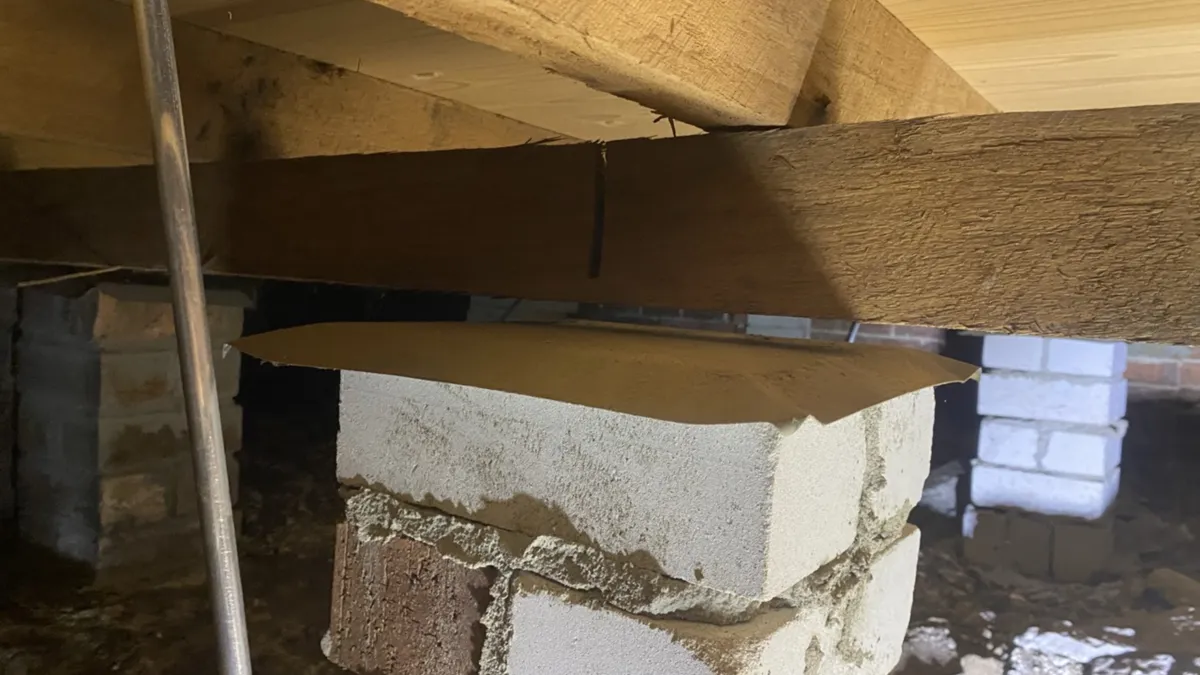
What Are the Alternatives to Replacing Floor Piers?
If you've been quoted to have your floor piers replaced, it's worth pausing before that quote is signed. Most floor piers don't need replacing — they need re-supporting.
Read More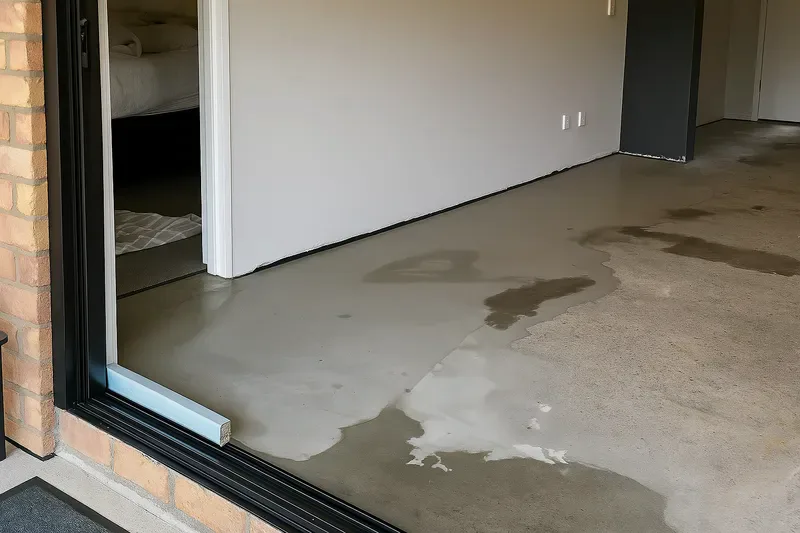
Self-Levelling Compound: What It’s Used For
If you're planning a renovation, self-levelling compound might seem like the perfect fix for uneven floors. After all, it's widely recommended by builders and tilers for its quick application and smooth finish.
Read More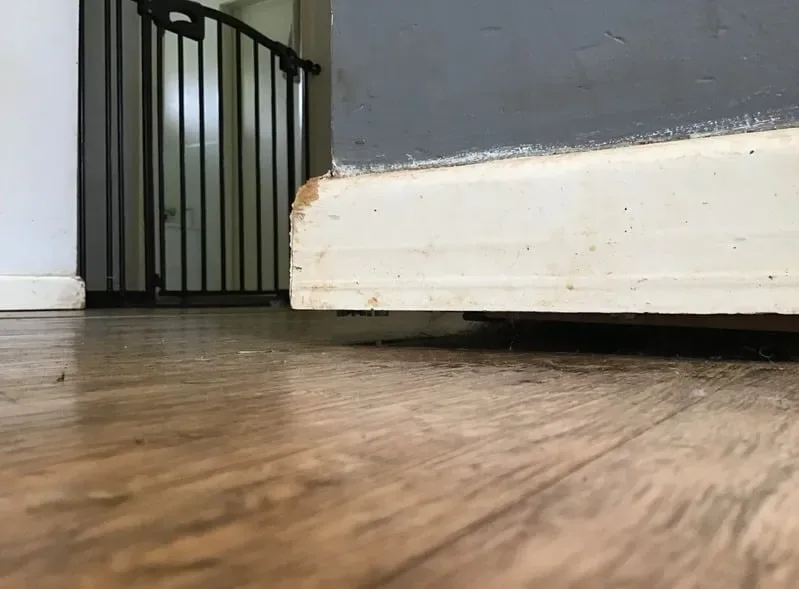
Your Guide to Levelling a Sloping Floor with Confidence
A sloping floor is easy to dismiss—until it gets worse. What starts as a slight tilt can turn into misaligned walls, sticking doors, or even structural instability.
Read More
Need expert advice on your home?
Our team of engineers and technicians are ready to help.
Book a free structural assessment today.