
Case Study
Sinking Olympic Village Walls Relevelled
Case Study
Sinking Olympic Village Walls Relevelled
Common-property walls sinking, paving loose, residents walking round them
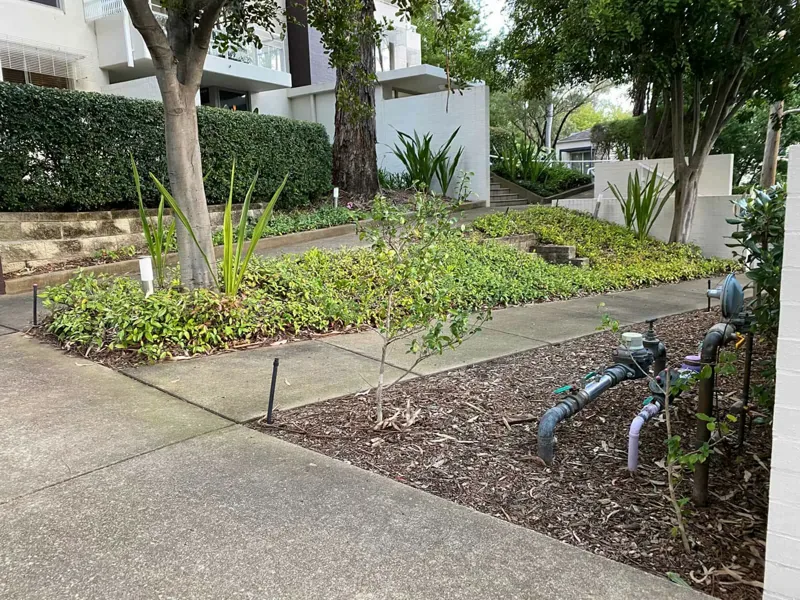
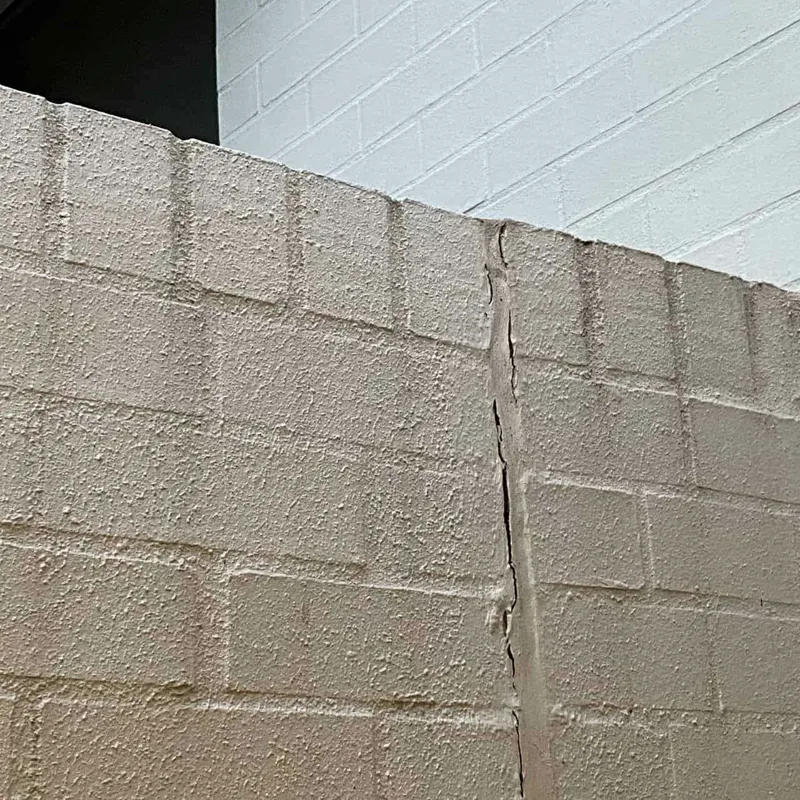
After the 2000 Olympics, the apartment blocks constructed to house the thousands of athletes who descended upon Sydney to compete, were sold off for residential use. Despite the apartment blocks being in great condition themselves, many of the landscaping structures sitting outside the front of the apartment blocks, such as the boundary and partial walls, were sinking into the ground.
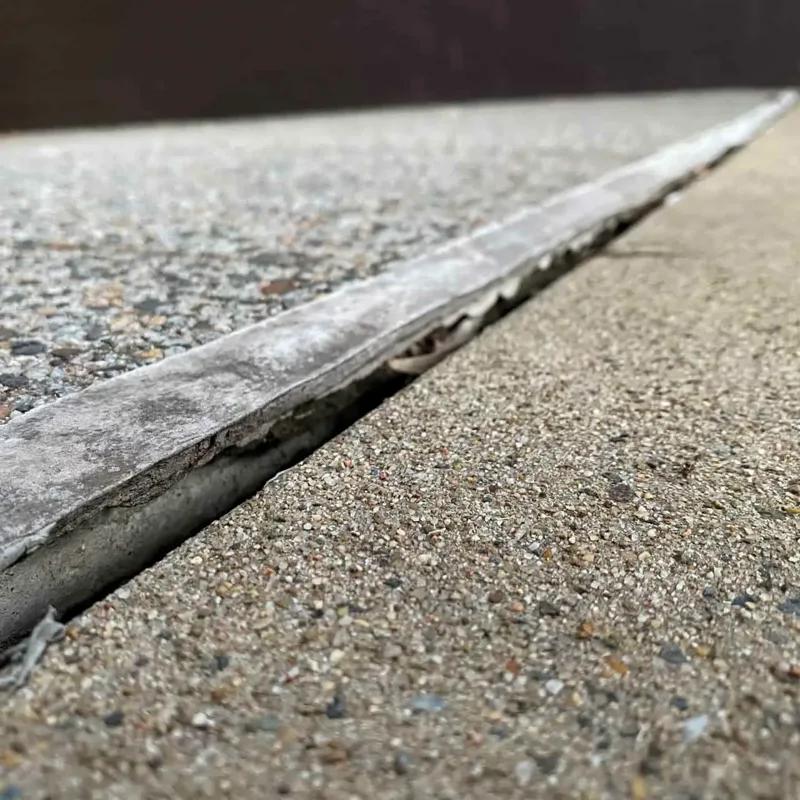
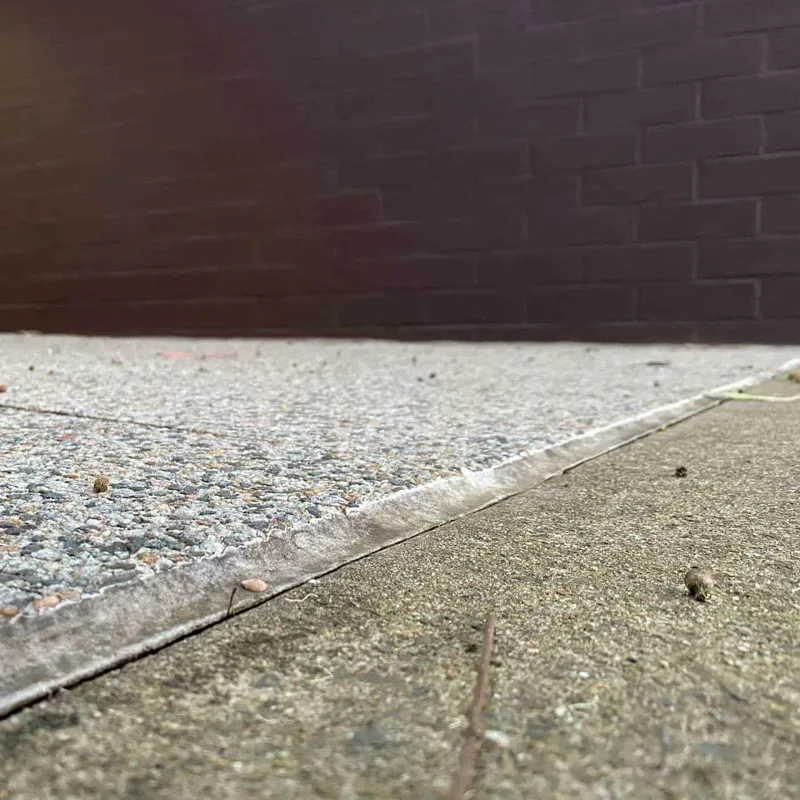
Some of the partial walls had sunken so much that they had become a trip hazard and the paving on top of the partials had become loose and unsafe. The local occupants had been avoiding these landscaping structures for years – scared that paving may fall on their heads.
Built in a hurry on surface soil that was never compacted
Without a doubt, the 2000 Olympics was a massive construction and infrastructure undertaking for the city of Sydney. Unsurprisingly, corners were cut, most likely due to time pressure. In the case of the landscaping structures outside these apartment blocks, the original contractors used surface soils which hadn't been compacted properly. The appropriate footings under the partial and boundary walls weren't implemented either.
Furthermore, the ground hadn't been dug deep enough to find a solid base and the soil on which they built these landscaping structures was simply way too soft. Soft ground, poorly compacted soil and a lack of a solid base resulted in the severely sunken structures.
Lift the walls, then fill the ground they left behind
As the landscaping structures had become a trip hazard and source of concern for the apartment residents, we got to work as soon as possible. The first step to rectifying the problem was to relevel the sunken boundary and partial walls.
Using our own special techniques, we were able to lift the boundary and partial walls back to a height where they were recognisable as walls, not just something for the residents to trip over. Naturally, after lifting the structures, a void was left in the highly unstable, aerated and eroded ground. To stabilise the soil, fill the voids and resolidify the aerated soil underneath the walls, we injected our own GeoPoly™ resin solution into the ground to stop further sinking.
Standing tall since, and the residents walk past them again
Our solutions worked perfectly. The boundary and partial walls outside the ex-Olympic apartment blocks have stood tall since we worked on them. They've now been brought back to what they were when first constructed for the Olympic games. The landscaping structures have shown no further signs of subsidence. The apartment residents now move around them with the knowledge that they are safe. The gardens look fantastic.
If your scheme has boundary walls, planter walls or paths on common property that are dropping, underpinning the ground beneath them is an injection through coin-sized holes, not a rebuild and a special levy. Book a free site assessment and the levels, the cause and a fixed price come back for the committee to table.
Share this case study
Related Articles
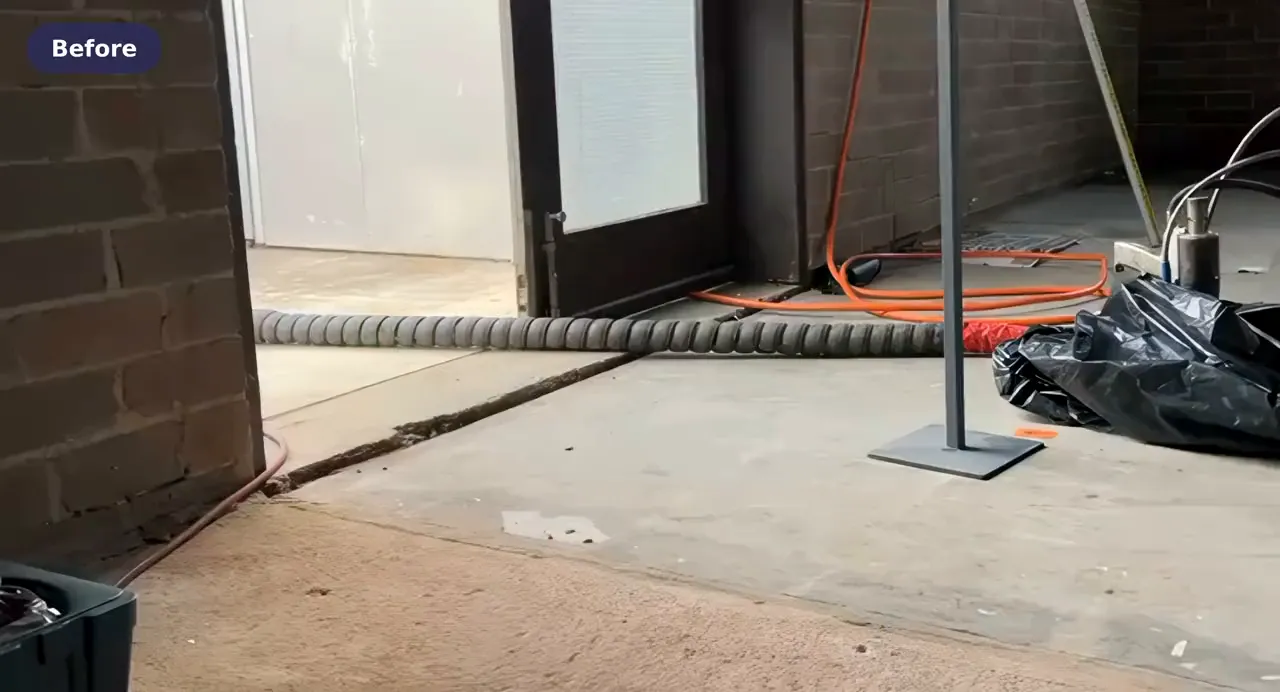
CSIRO’s Research Facility Relevelled
When Australia’s national science agency — the country’s foremost authority on foundation subsidence — needed their own buildings fixed, they called Buildfix.
Read More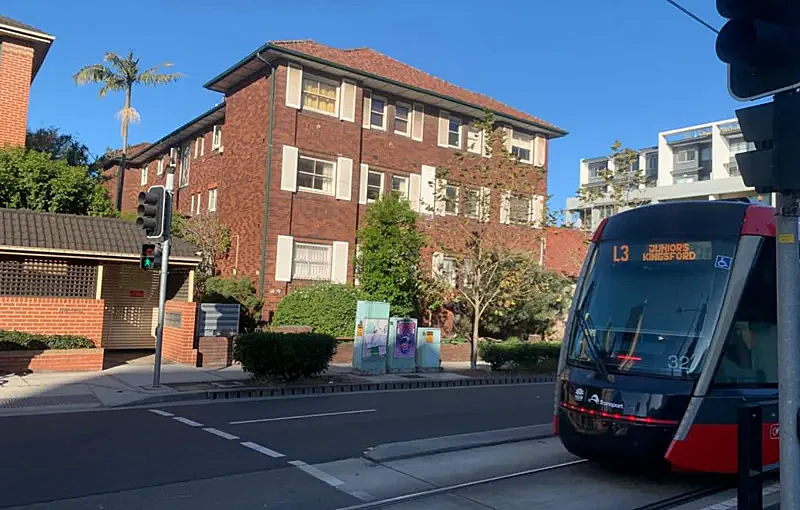
1920s Apartment Stabilised After Light Rail
Light Rail construction shook a century-old apartment block to its foundations. GeoPoly™ stabilised six residences at a fraction of underpinning costs — residents never had to leave.
Read More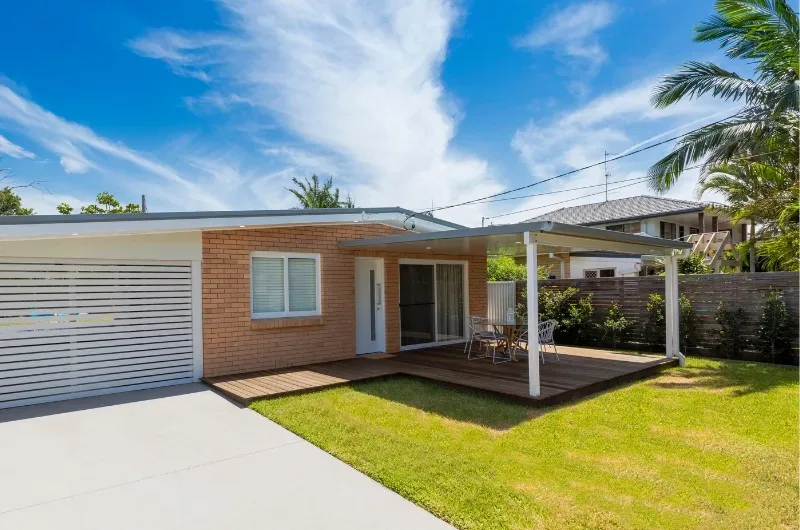
Cracked Brick Veneer Bungalow Stabilised
Years of Queensland drought shrank the clay away from this 1980s slab-on-ground bungalow until the brick veneer step-cracked and a 20mm gap opened at the windows. GeoPoly™ filled the voids and closed the cracks in a day.
Read More
Seeing something similar at your property?
Our team of engineers and technicians are ready to help.
Book a free structural assessment today.