
Help & Advice
Plaster Cracks That Keep Coming Back
Help & Advice
Plaster Cracks That Keep Coming Back
Plaster cracks happen in every home eventually. A hairline crack above a door frame, a fine line where the wall meets the ceiling — most of the time, a bit of filler and a coat of paint sorts it out. No drama.
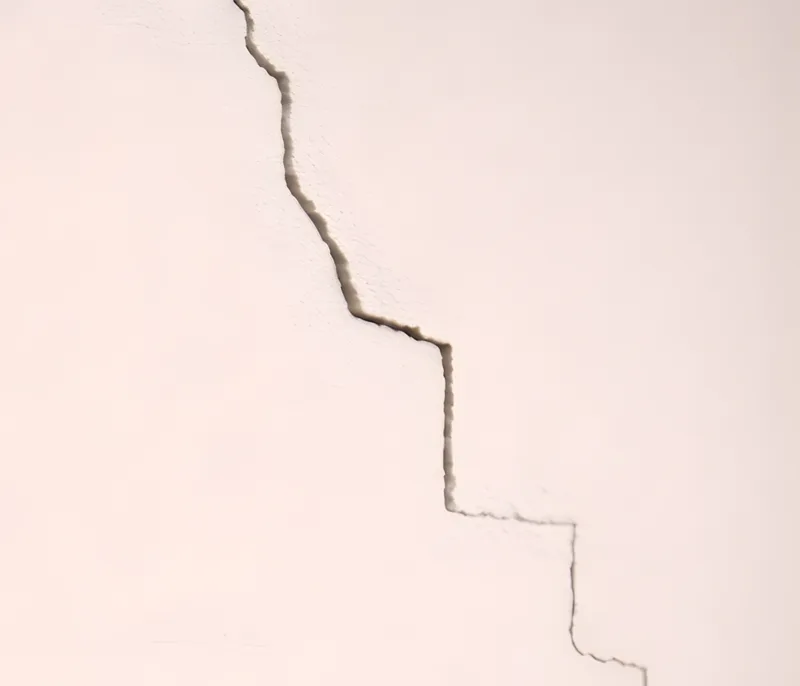
But when the cracks keep coming back — same spot, sometimes wider — filler isn’t fixing anything. It’s hiding it. The plaster isn’t the problem. The wall behind it is.
The cracks that mean something
A crack that starts at the corner of a door frame and runs diagonally toward the ceiling. The frame is rigid; when the wall around it moves, the stress lands at the corners and the plaster splits there first. If the door is also sticking, the frame is being pushed out of square from below.
A single crack that travels the full height of the wall, skirting to cornice. That isn’t surface movement. The masonry behind the plaster has separated into two sections moving on their own.
A crack that seems to close after heavy rain and open again in dry weather. That’s reactive clay at work — the soil under the house swells wet and shrinks dry, and the foundation moves with it. The crack isn’t healing. It’s breathing with the seasons.
A gap opening between the cornice and the wall, with a crack in the plaster running up to meet it. One problem, not two: the wall has dropped or tilted away from the ceiling.
Plaster that sounds hollow when you tap it near the base, or crumbles when you press it. That’s not movement. That’s moisture.
The three things behind recurring plaster cracks
The foundation has moved. Doors sticking, floors sloping, cracks above openings. The ground under the footings has dropped and the house is following it. That is a job for underpinning \u2014 the foundation lifted back to level, and the cracks start closing as it does.
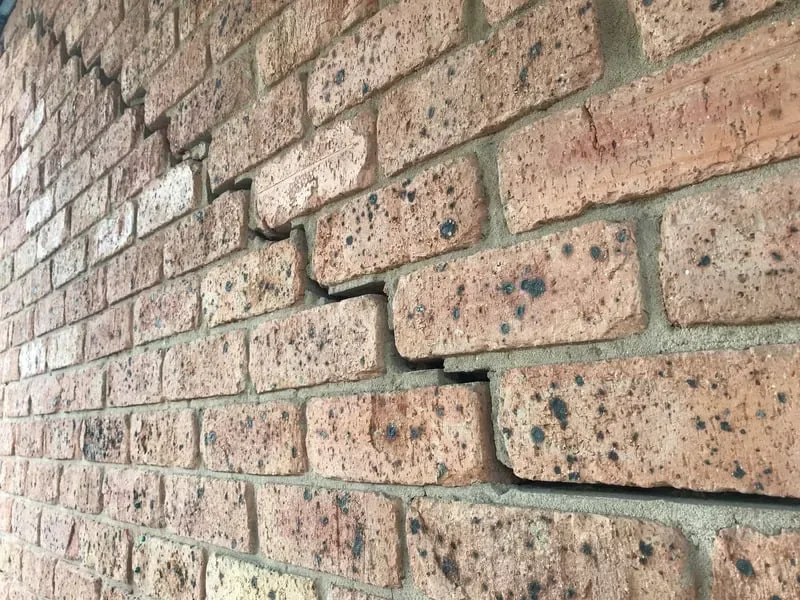
The brick wall behind the plaster has cracked. The crack follows the mortar joints in a stair-step when you look at the outside of the house. Filling the plaster inside does nothing for a wall that has stopped working as one piece. Wall crack repair bonds stainless steel across the crack behind the plaster and the wall is stronger than it was before.
Rising damp is eating the wall from inside. Hollow plaster, white salt, a tide mark under a metre high. The damp proof course has failed and the salts it carries are turning the mortar to dust. Rising damp treatment puts a new DPC into the wall; the plaster is only finished once the wall is dry.
Then, and only then, the plaster
Once the cause is fixed, the damaged plaster is stripped back to solid substrate, a salt-retardant base coat goes on where damp was the cause, and the wall is finished with a breathable gypsum skim — smooth, clean, ready to paint. Not a patch job that needs redoing in six months.
Not sure which of the three you\u2019ve got? That\u2019s what the free assessment answers. A structural engineer looks at the crack from both sides of the wall, takes the levels, tests for moisture, and tells you whether it\u2019s the foundation, the brickwork or the damp \u2014 before anything is touched. Book a free assessment.
Share this article
Related Articles
How to Tell If a Wall Crack Is Cosmetic or Structural
Wall cracks are common in Australian homes, but not all mean something's wrong. Some are harmless signs of natural settling or aging materials.
Read More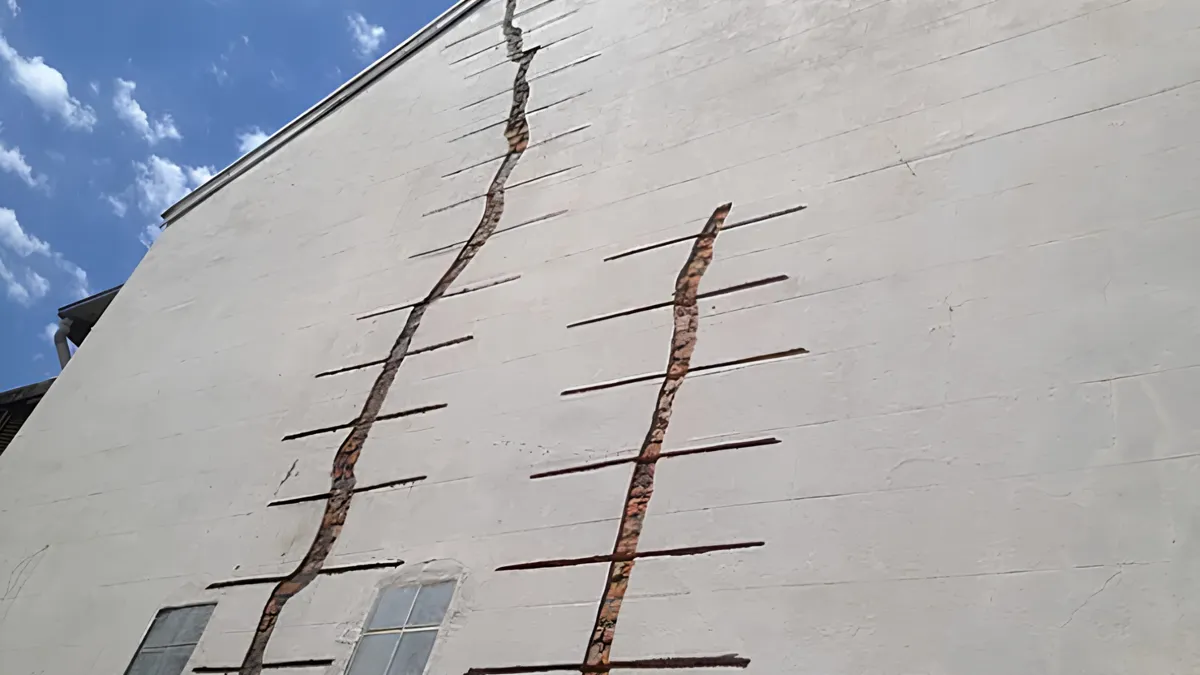
Does My Home Need the Cracks Fixed? A Homeowner's Decision Tree
Most wall cracks aren't a problem. A few are. The trick is knowing which is which standing in front of one.
Read More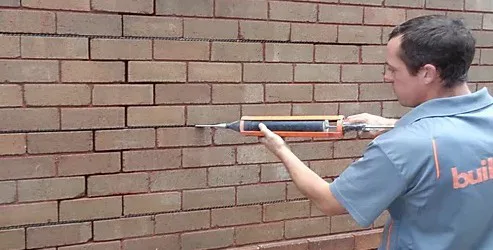
Brick Repair: How to Repoint Your Brick Wall
When the mortar joints between the bricks in your home begin aging, they crumble and crack. Repointing is something you can do yourself. Here’s our step-by-step guide.
Read More
Need expert advice on your home?
Our team of engineers and technicians are ready to help.
Book a free structural assessment today.