
Case Study
Heritage Corner Store Saved From Collapse
Case Study
Heritage Corner Store Saved From Collapse
- 1,000+New cavity wall ties installed without removing a brick
- 3Mobile phone masts that stayed on the roof throughout
- 5mmPilot holes drilled for the new ties
- 1920sWhen the corner store, and its original wall ties, were built
A 1920s building carrying a load it was never built for
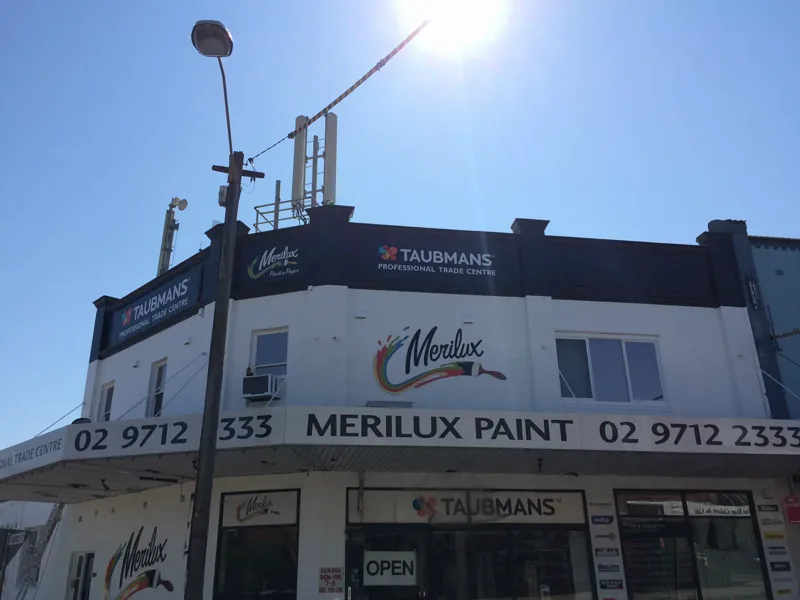
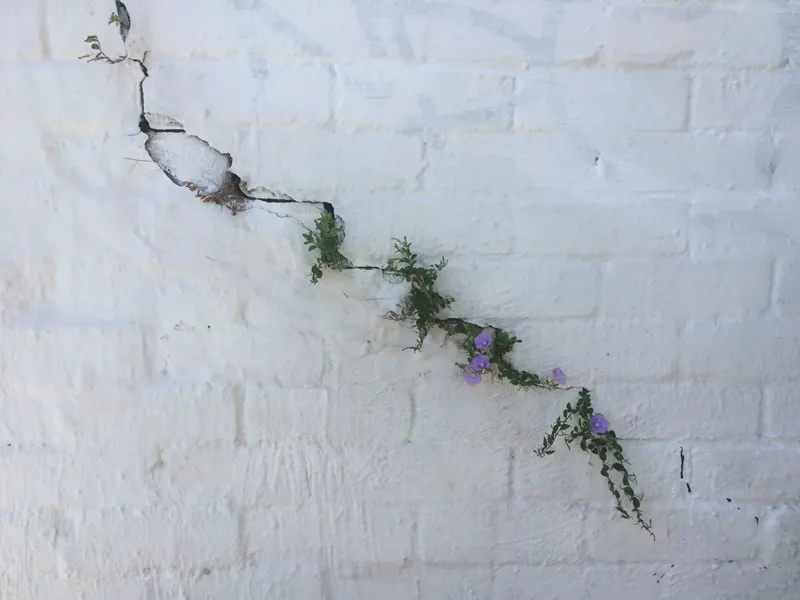
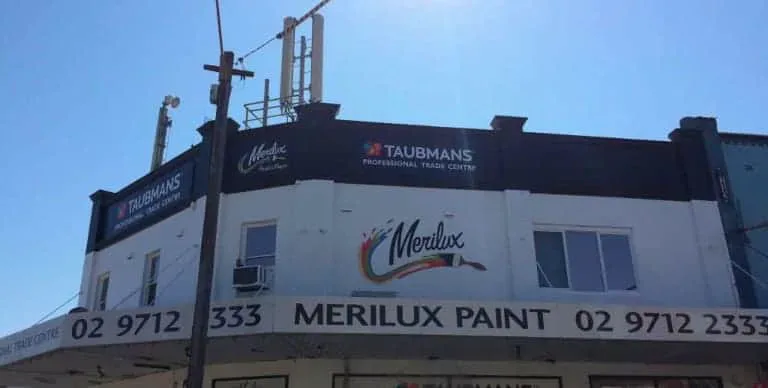
After a routine inspection by a structural engineer, the owner of this commercial double storey corner store came to us with concerns that the structure was unstable and ready to crumble. The signs of structural stress were evident. Large wall cracks had appeared throughout the building due to placement of three mobile phone masts on the roof and adjoining walls in the early 2000s. Constructed in the 1920s, the corner store was never designed to take this level of weight.
The masts had to stay, and the wall ties had already snapped
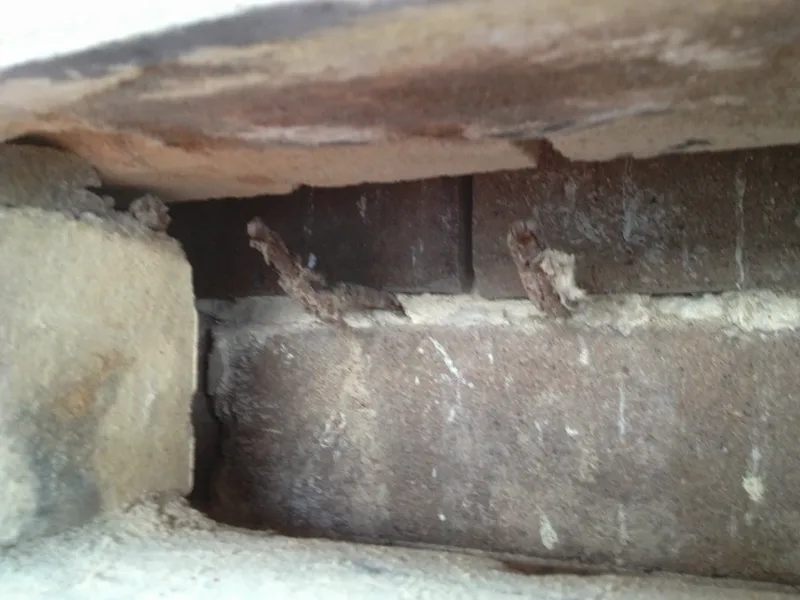
Due to contractual obligations with a major mobile phone carrier, pulling the mobile phone masts down was not an option. This is despite the fact they were the cause of the structure's wall cracks and instability. In addition to the challenges brought on by the sheer load force of the mobile phone masts was corrosion throughout the entire building. Upon closer analysis with our special cameras we found that the 80-year old cavity wall ties holding together external and internal layers of brick had corroded and snapped. The cavity wall ties had not been replaced since the 1920s and both external and internal walls of the corner store had decoupled, putting both at risk of coming down.
Steel through the walls, new ties through 5mm holes
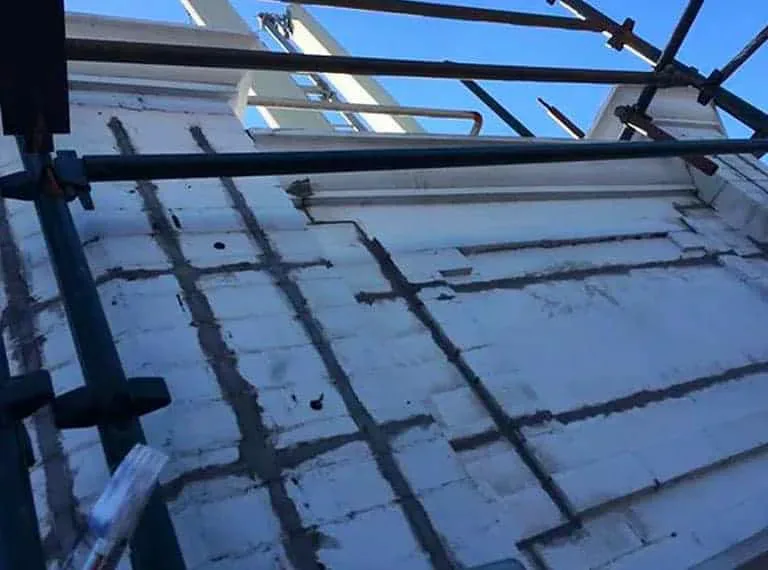
We speedily devised a non-invasive solution to return structural strength to the corner store building. As the mobile phone masts had put weight distribution of the building out of balance, we implemented structural steel rods throughout the external walls to redistribute weight evenly. To recouple the external and internal wall layers, we strategically drilled 5mm pilot holes throughout the building's walls and inserted brand new cavity wall ties.
Over a thousand brand new wall ties were installed without removing a single brick. By doing so, we were able to both return structural strength to the heritage corner store and increase the building's foundational strength to take on the extra force load from the mobile masts. To preserve the building's heritage character, the brick façade was also re-pointed and repainted for a beautiful looking finish.
The masts stayed up, the walls carry more than before
The outcome was positive for everyone involved. The mobile phone masts stayed up allowing the building owner to meet his contractual obligations with the mobile carrier. The building's walls were strengthened to take more weight and the wall cracks were repaired. The whole corner store structure now stands firm and the owner is no longer at risk of it collapsing.
Managing a building with cracks an engineer has already flagged? A free assessment measures the cracks, checks the ties inside the cavity and tells you what is carrying the load and what isn't.
Share this case study
Related Articles
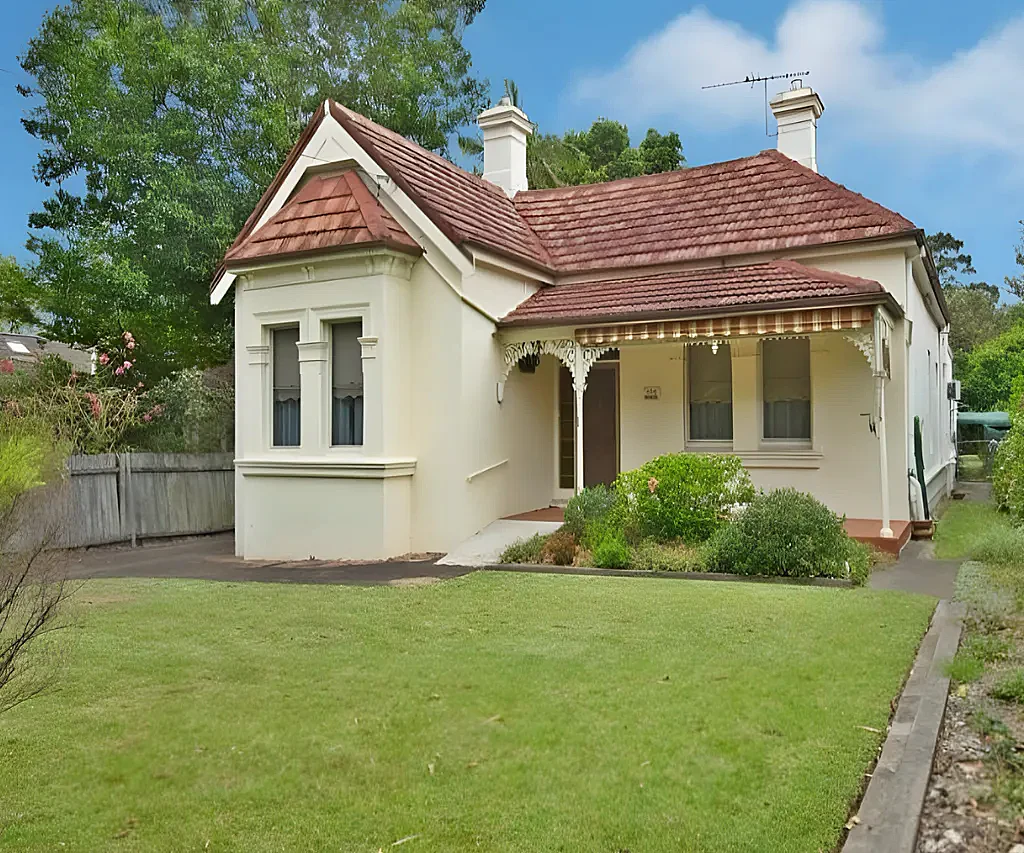
Heritage Home Repaired Twice, Same Team
When new cracks appeared in this 150-year-old Strathfield home, the owner didn’t hesitate — they called Buildfix again. Buildfix had already fixed the front of the house years earlier. This time, the team tackled the rear.
Read More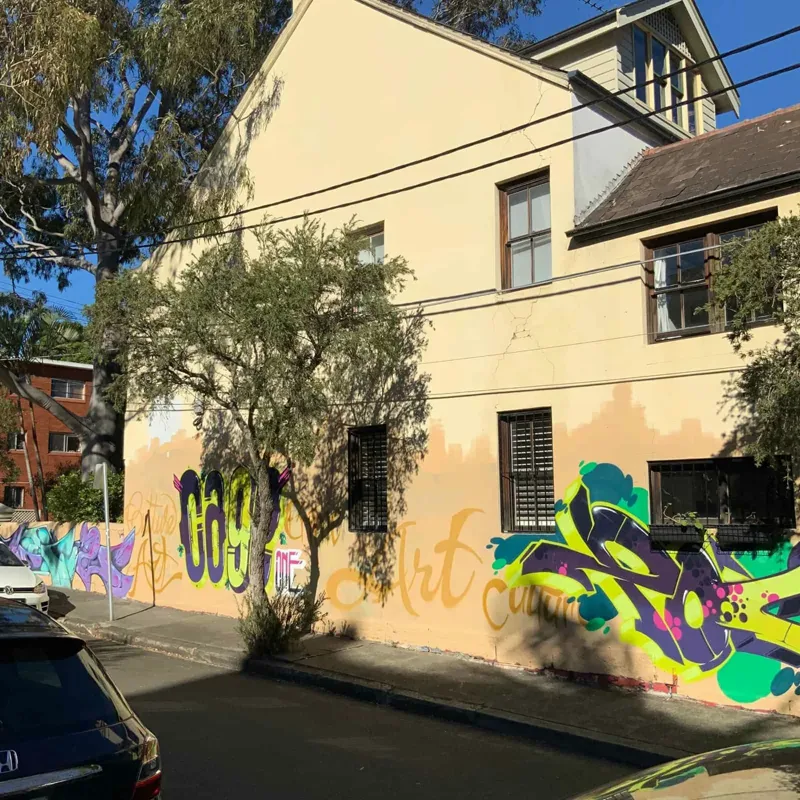
Recurring Cracks Fixed, Gum Tree Saved
For 10 years the cracks in this Newtown home were patched, painted and came back. The house was sinking at the front and lifting at the back, and a gum tree was the reason.
Read More
Wall Cracks Traced to a Hidden Void
Every expert said “seasonal movement.” But the cracks kept spreading — including right above a child’s bed. Buildfix found the real cause: years of driveway runoff had quietly washed out the ground beneath the walls.
Read More
Seeing something similar at your property?
Our team of engineers and technicians are ready to help.
Book a free structural assessment today.